
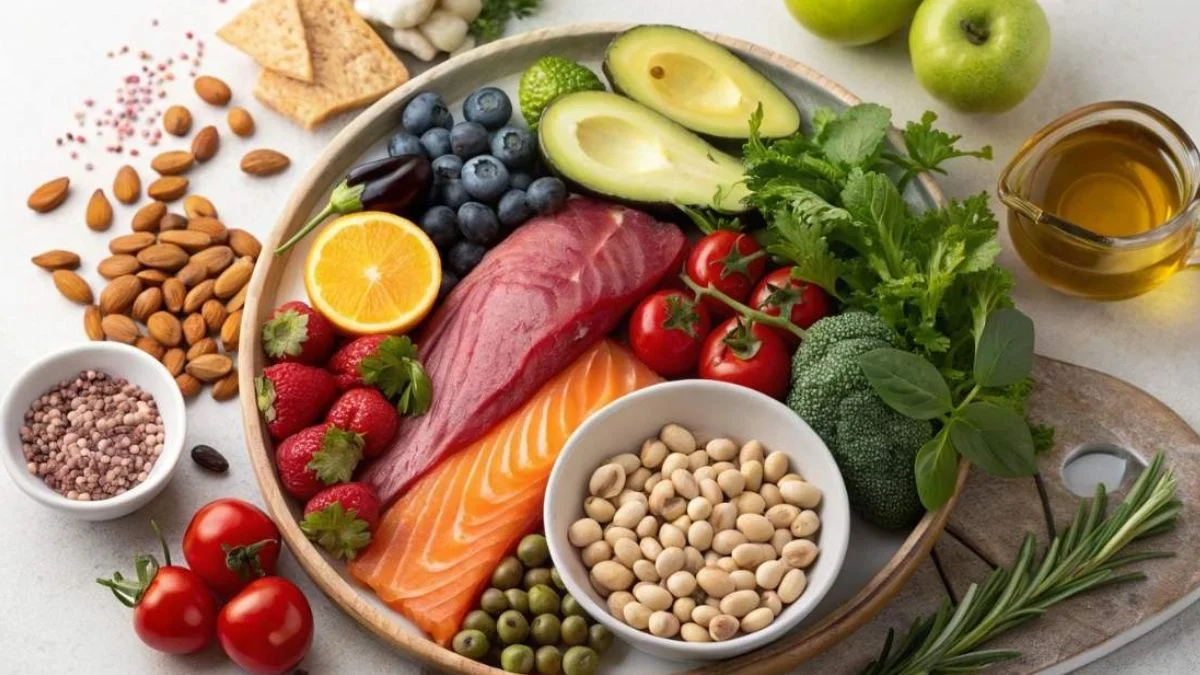
Fountain of youth remains a myth; your grocery cart is the closest thing we have to a time machine. In the past, health trends focused on what to remove, cutting calories, slashing fats, or eliminating carbs. Modern nutritional science suggests that the secret to a long, vibrant life in 2026 is actually what you add in.
By shifting the focus to high quality, nutrient dense foods, we can fundamentally change how our bodies age at a cellular level. Face today isn’t a lack of information, but an overload of biohacking fads that aren’t sustainable. True longevity isn’t found in a pill; it’s found in dietary staples for longevity that have supported centenarians for generations.
We have consulted leading dietitian research and Blue Zones data to identify 15 non negotiable staples. Whether you are managing blood sugar or aiming for cognitive clarity into your 90s, these nutrient dense foods provide the actionable roadmap you need to extend your healthspan.
The Science of “Blue Zone” Eating
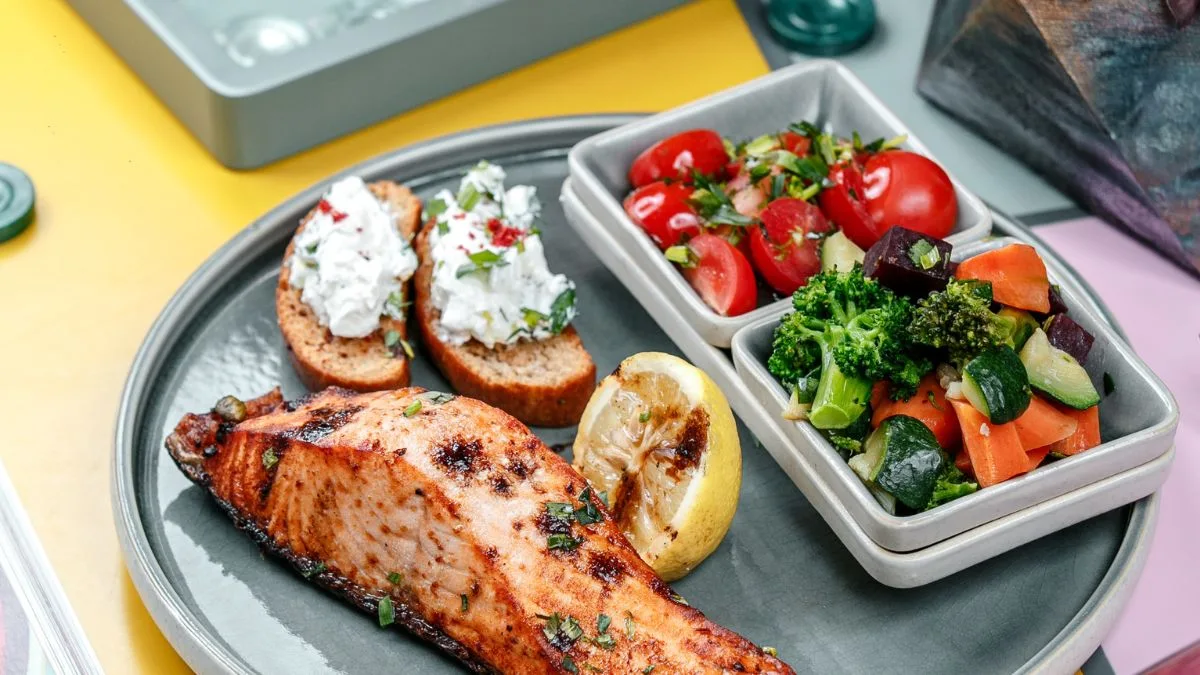
Blue Zones refers to five regions, including Ikaria, Greece, and Okinawa, Japan, where people reach age 100 at rates ten times higher than in the United States. While their cultures differ, their plates look remarkably similar. Research presented by the American College of Cardiology in 2025 confirms that a plant slant diet, specifically.
90/10 rule 90% plant based, 10% high quality animal protein, is the gold standard for avoiding cardiometabolic decline. Central to this science is the reduction of chronic inflammation, often called inflammaging. When we prioritize Blue Zones staples, we provide our bodies with phytochemicals that trigger autophagy, the body’s internal recycling system that clears out damaged cells.
A landmark study in the Journal of the American College of Cardiology highlighted that even for those with existing heart conditions, shifting toward these healthy plant based staples can reduce the risk of premature death by up to 24%. This isn’t just about living longer; it’s about living younger for a greater portion of your life.
15 Daily Dietary Staples for Longevity

1. Legumes (The Longevity King)
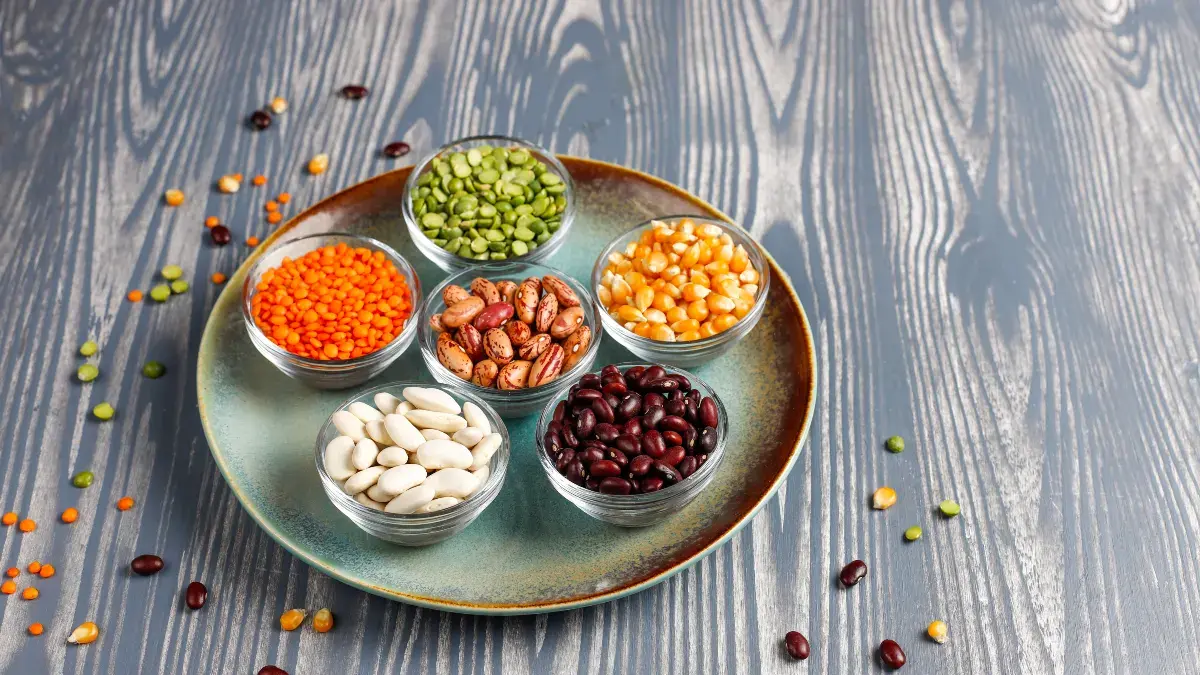
Legumes, including black beans, chickpeas, and lentils, are arguably the most essential dietary staples for longevity. In almost every Blue Zone, centenarians eat at least one full cup of beans daily. Dietitians point to their unique fiber protein punch, which stabilizes blood sugar and feeds the gut microbiome, the headquarters of your immune system.
To make this actionable, aim for variety. Lentils provide high levels of folate for DNA repair, while chickpeas are rich in magnesium, which supports over 300 biochemical reactions in the body. Start your day with a savory lentil breakfast bowl or add a handful of black beans to your lunchtime salad to meet the one cup a day gold standard.
2. Nuts (Walnuts and Almonds)
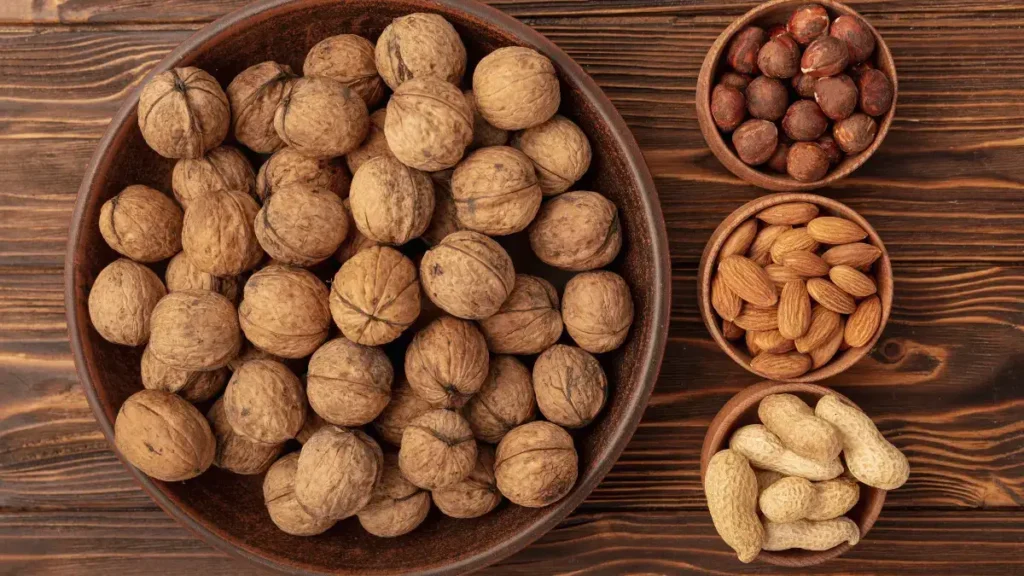
A handful of nuts a day can add years to your life. Specifically, walnuts are high in alpha linolenic acid ALA, an omega 3 fatty acid that is critical for brain health and reducing arterial inflammation. A study from the Physicians Committee for Responsible Medicine suggests that regular nut consumption is linked to a 20% lower mortality rate.
Significant dose of Vitamin E, a potent antioxidant that protects cells from oxidative stress. Because nuts are calorie dense, dietitians recommend a closed fist serving size, roughly 1 to 2 ounces, daily to gain the cardio-protective benefits without excessive calorie intake.
3. Dark Leafy Greens
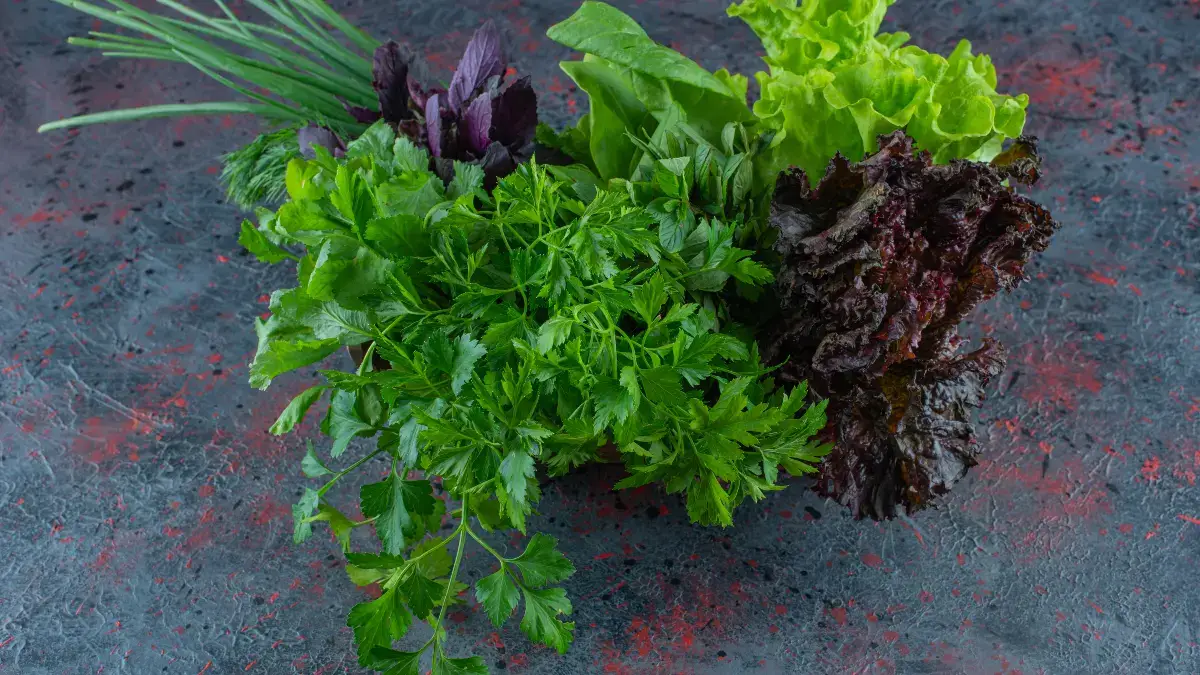
Spinach, kale, and Swiss chard are the workhorses of a longevity diet plan. These greens are packed with nitrates, which the body converts into nitric oxide to relax blood vessels and improve circulation. Blood flow means better oxygen delivery to the brain and heart, reducing the risk of stroke and cognitive decline.
Recent research in Geroscience emphasizes that the lutein found in greens doesn’t just protect your eyes, it accumulates in the brain, where it acts as a shield against age related cognitive impairment. Try to consume at least two cups of raw or one cup of cooked greens every single day.
4. Cruciferous Vegetables
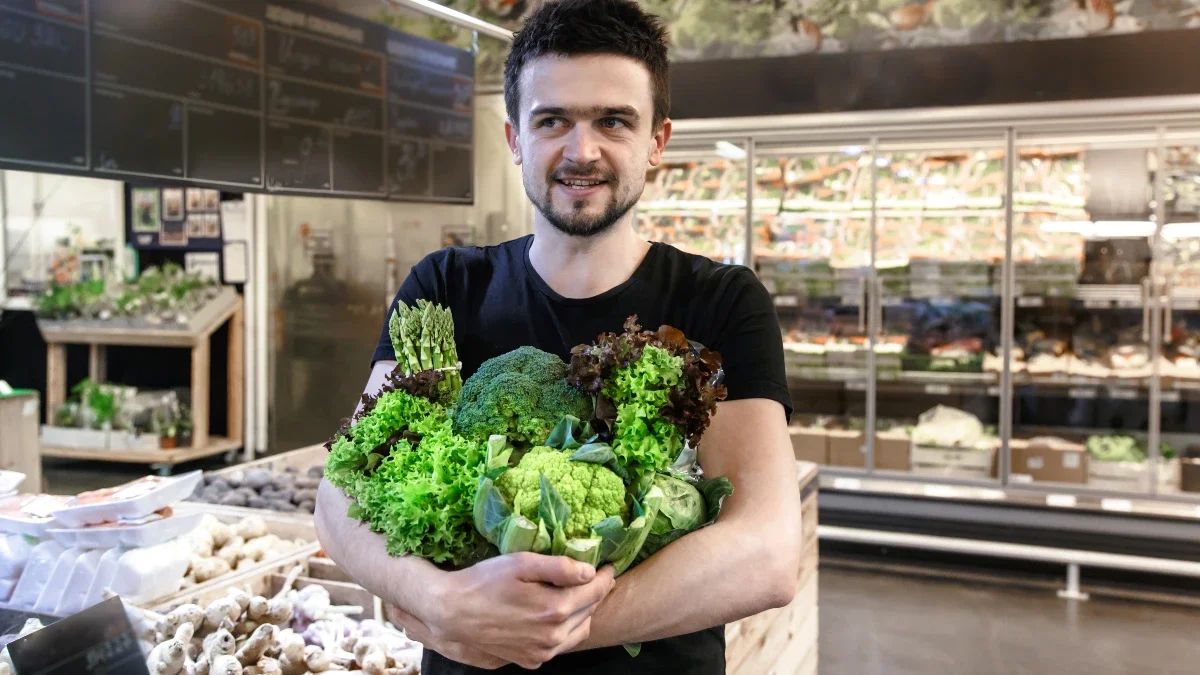
Broccoli, Brussels sprouts, and cauliflower contain a powerhouse compound called Sulforaphane. This molecule is a potent activator of the Nrf2 pathway, which triggers the body’s natural antioxidant and detoxification enzymes. These vegetables teach your cells how to better defend themselves against environmental toxins.
To maximize the benefits, dietitians suggest the hack and hold method: chop your broccoli 40 minutes before cooking to allow the sulforaphane to activate, or add a pinch of mustard seed powder to steamed vegetables to boost the enzyme activity.
5. Berries (Blueberries and Strawberries)
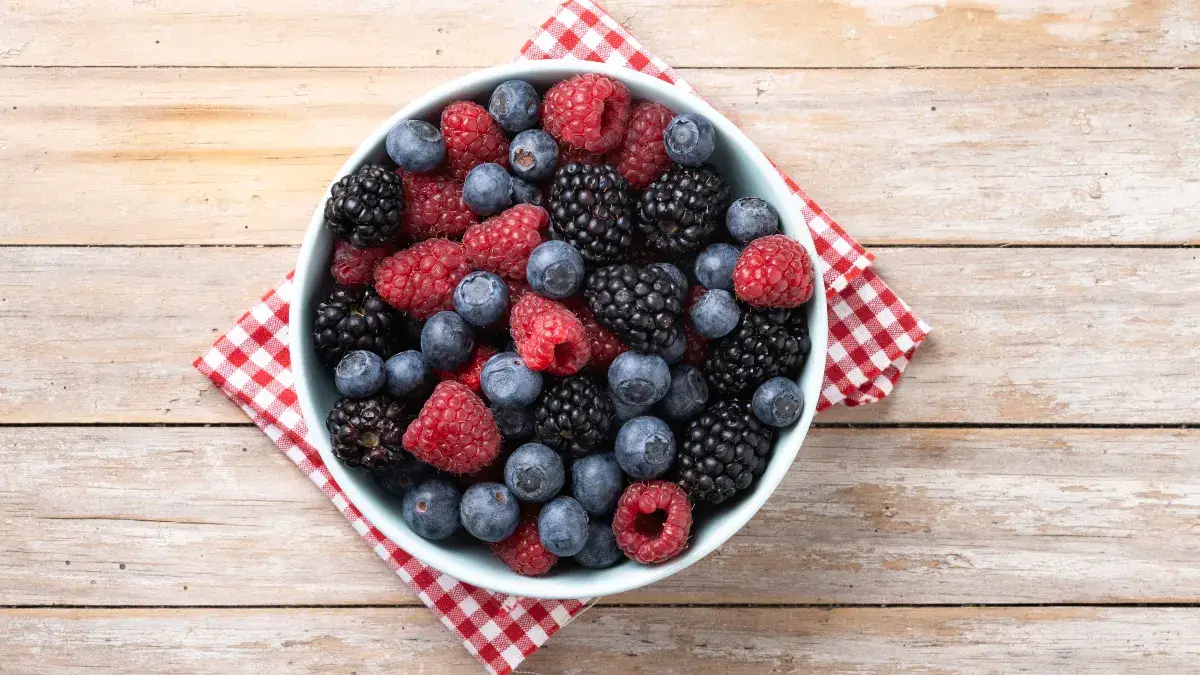
Berries are the primary source of anthocyanins, the pigments that give them their deep colors and provide neuroprotective benefits. A 2025 randomized controlled trial found that daily berry consumption significantly improved memory and executive function in older adults by reducing neural inflammation.
Beyond the brain, the high fiber content in berries helps manage insulin sensitivity. Whether fresh or frozen, aim for a half cup daily. Wild blueberries are particularly prized by longevity experts for having nearly double the antioxidant capacity of cultivated varieties.
6. Whole Grains (Quinoa and Oats)
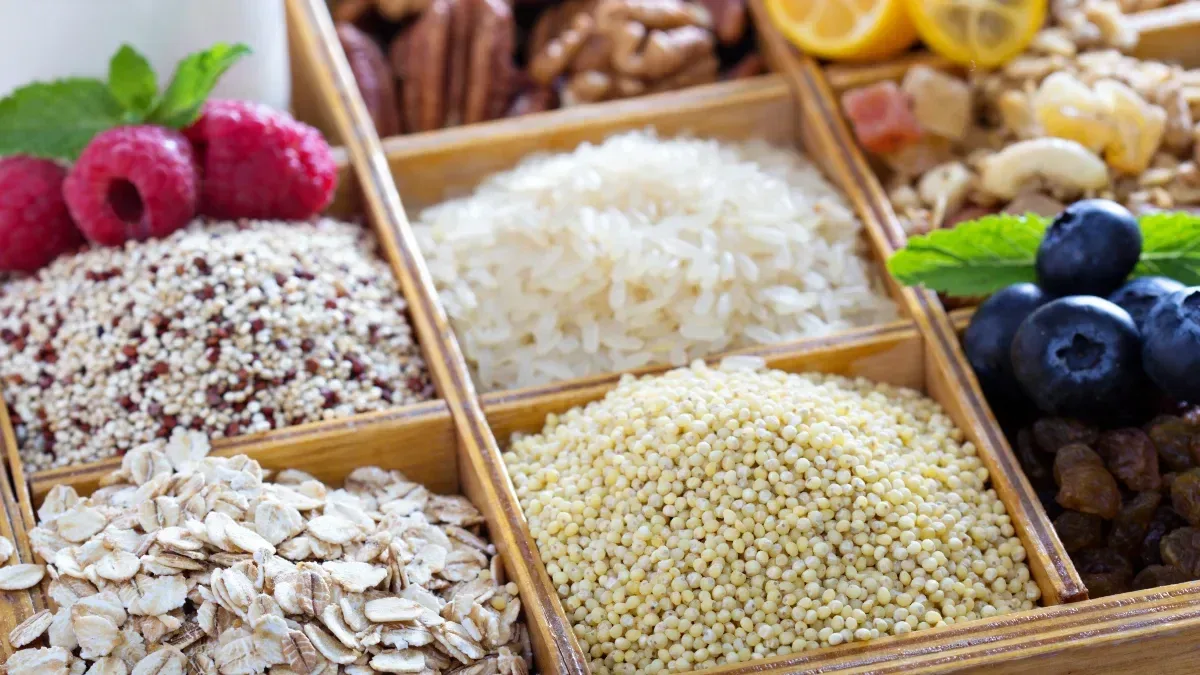
Contrary to no carb myths, whole grains like steel-cut oats and quinoa are vital for heart health. They contain beta glucan, a soluble fiber known to aggressively lower LDL bad cholesterol. According to the American Institute for Cancer Research, the fiber in whole grains also plays a critical role in preventing colorectal cancers.
100% whole grain labels to ensure the germ and bran are intact. These components contain the B vitamins and trace minerals that are stripped away during the refining process used for white bread and pasta.
7. Extra Virgin Olive Oil (EVOO)
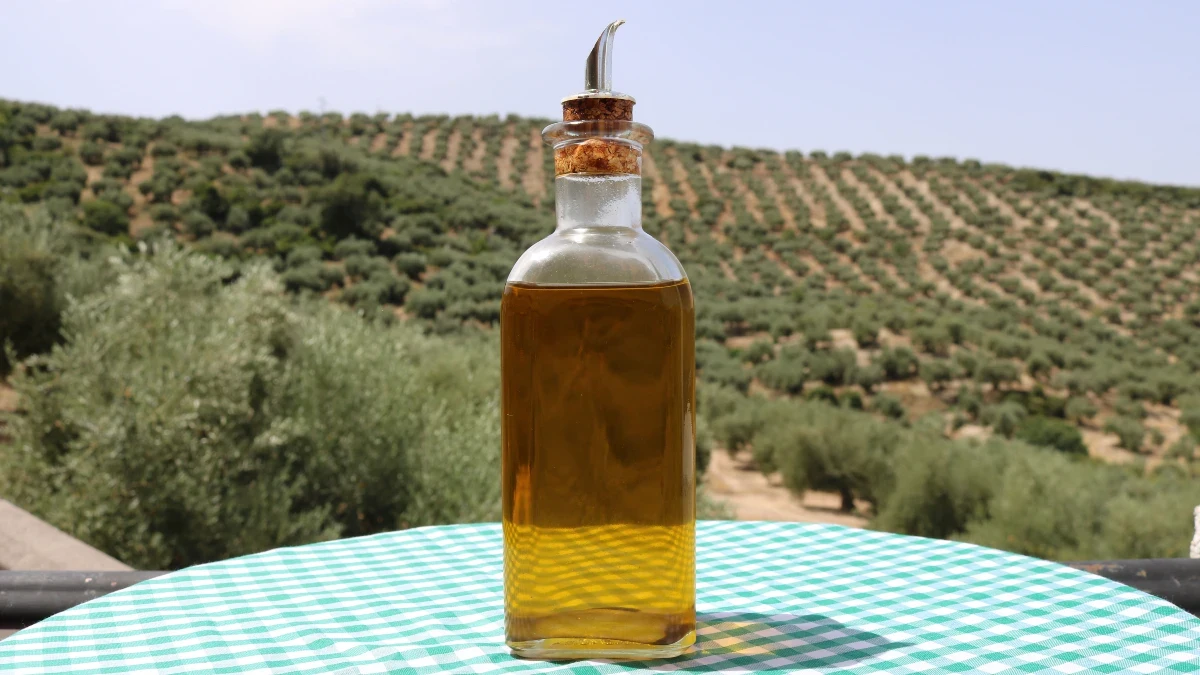
Extra Virgin Olive Oil is the liquid gold of the Mediterranean diet. It is rich in oleocanthal, a polyphenol that mimics the anti inflammatory effects of ibuprofen. Regular consumption is linked to lower rates of Alzheimer’s and cardiovascular disease. To ensure you’re getting the most out of your EVOO.
Oils in dark glass bottles to protect against light oxidation and check for a harvest date within the last 12 to 18 months. Use it as a finishing oil over vegetables rather than for high heat frying to preserve its delicate compounds.
8. Fatty Fish (The SMASH List)
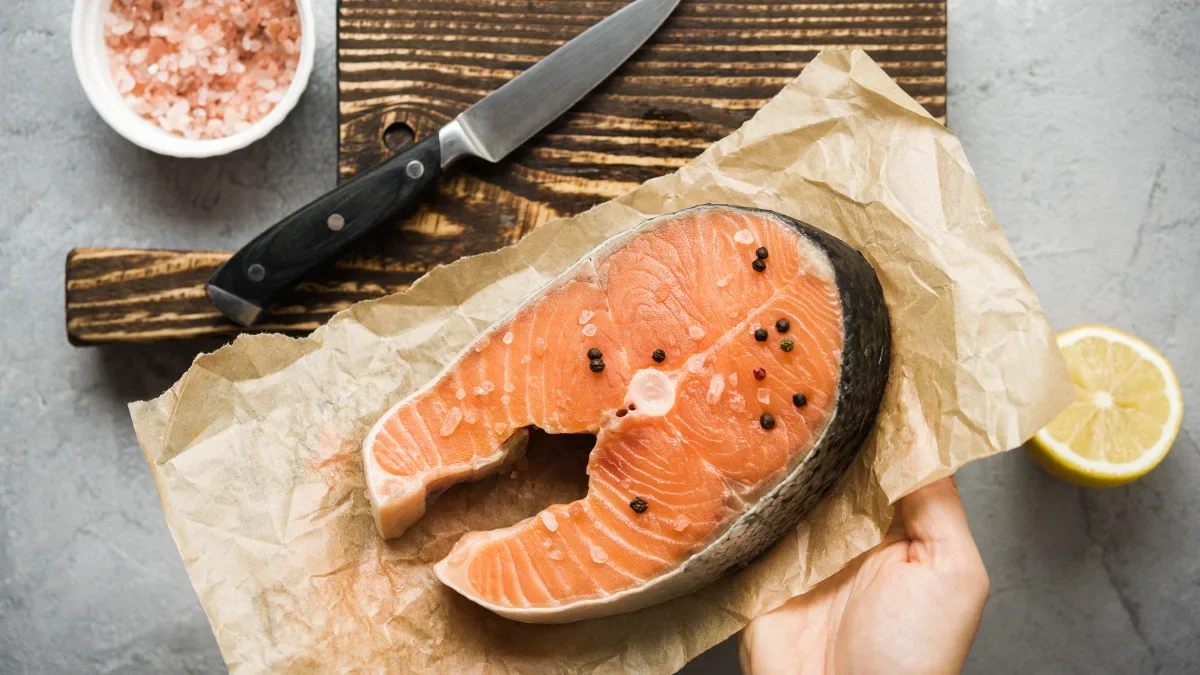
The SMASH acronym Salmon, Mackerel, Anchovies, Sardines, and Herring represents the best seafood for longevity. These fish are high in EPA and DHA omega 3s but low in mercury due to their smaller size and place in the food chain. Omega 3s are essential for maintaining the structural integrity of brain cells.
Dietitians recommend two servings per week. Sardines are a particularly secret longevity food because they are often eaten with their tiny bones, providing a significant boost of calcium and Vitamin D for bone density.
9. Mushrooms
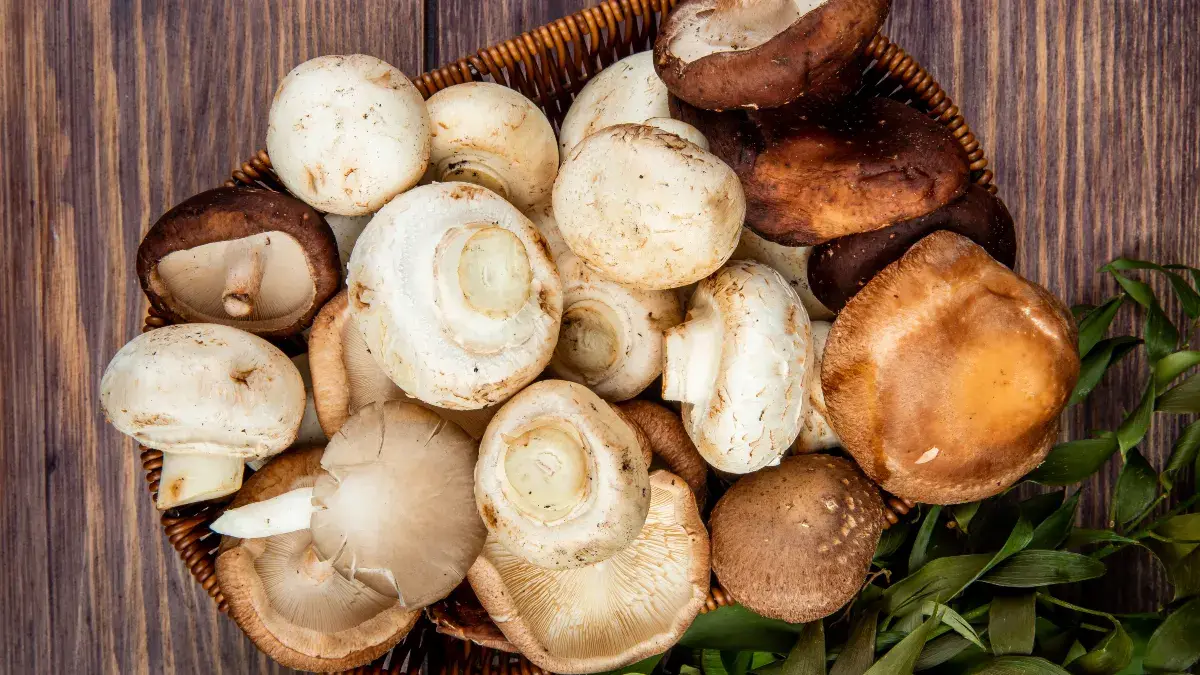
Mushrooms are the primary dietary source of Ergothioneine, often called the longevity vitamin. This unique amino acid is a cytoprotectant, meaning it protects cells from the kind of damage that leads to chronic disease.
Proceedings of the Nutrition Society indicates that people who consume just one serving of mushrooms daily have a significantly lower risk of cancer and cognitive decline. Varieties like Shiitake and Oyster mushrooms are especially high in these protective compounds.
10. Garlic and Onions
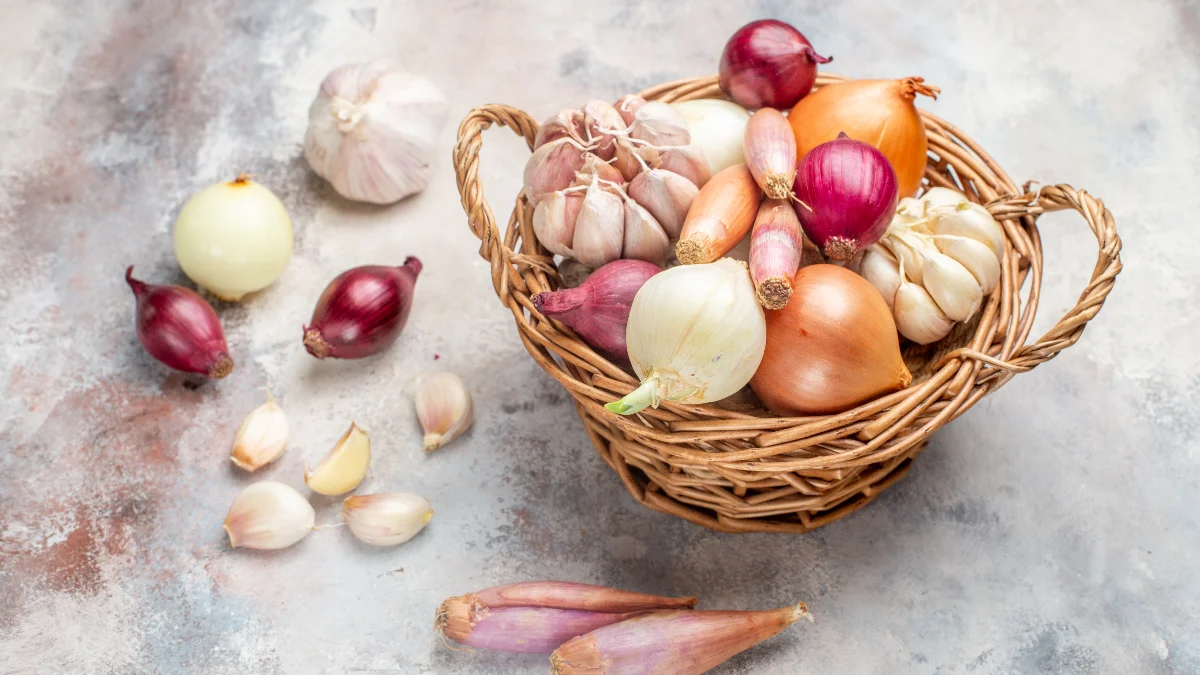
Members of the allium family, like garlic and onions, contain organosulfur compounds that support the immune system and lower blood pressure. Allicin, the active component in garlic, has been shown to improve flexibility and reduce the stickiness of blood.
Crush or mince your garlic and let it sit for 10 minutes before cooking. This wait time allows the chemical reaction that creates allicin to reach its peak, ensuring you get the full medicinal benefit in every meal.
11. Green Tea
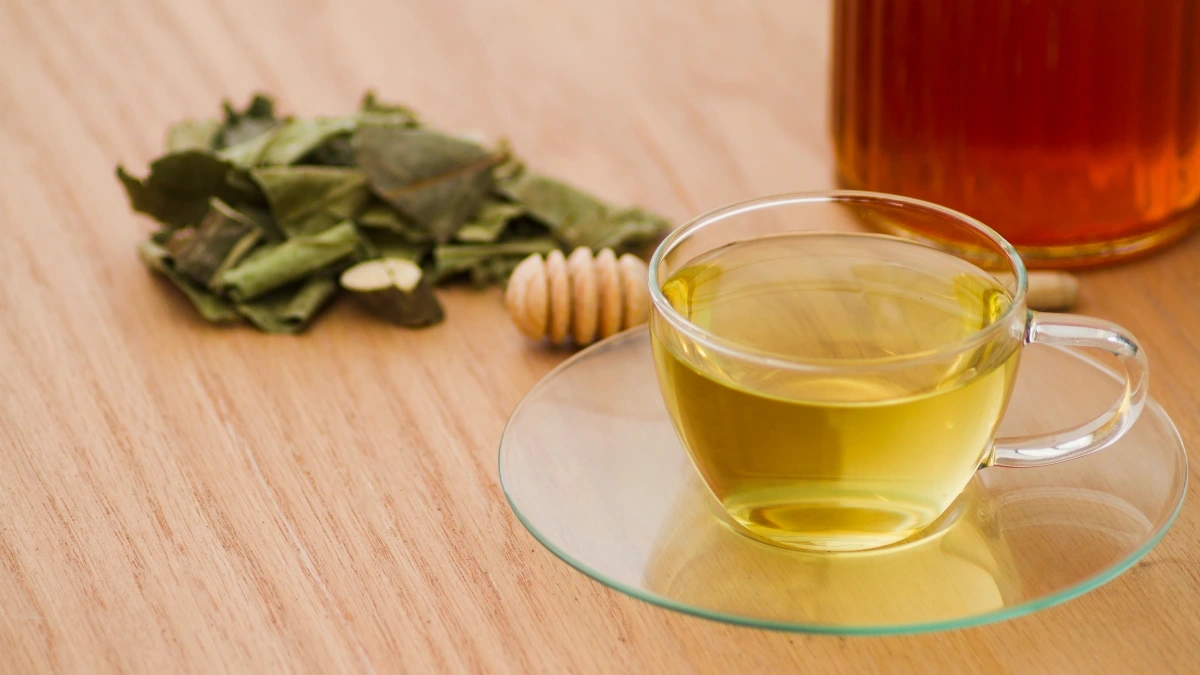
Green tea, the variety rich in EGCG Epigallocatechin gallate, is a staple in the Okinawan diet. This antioxidant is 100 times more potent than Vitamin C at neutralizing free radicals. It also supports metabolic health by gently increasing the rate at which the body burns fat.
Drinking 2 to 3 cups of green tea daily is associated with a lower risk of heart disease. To maximize antioxidant extraction, brew your tea for at least three minutes and avoid adding milk, which can bind to the polyphenols and reduce their absorption.
12. Fermented Foods (Yogurt and Kefir)
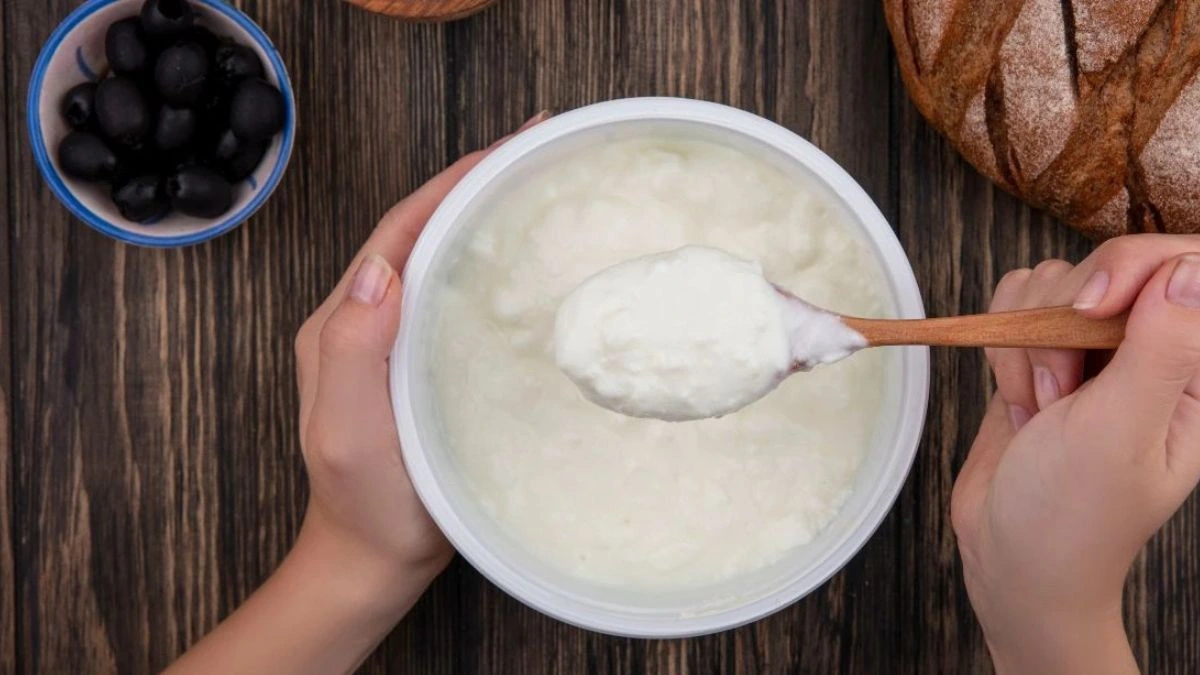
A healthy gut is a prerequisite for a long life. Fermented staples like plain Greek yogurt, kefir, or kimchi introduce beneficial probiotics that regulate the gut brain axis. Dietitians emphasize that 70% of the immune system resides in the gut, making these foods essential for preventing age related immune decline.
Versions with Live and Active Cultures and avoid added sugars, which can feed the harmful bacteria you’re trying to displace. A daily serving of fermented dairy or vegetables can significantly lower systemic inflammation markers.
13. Sweet Potatoes
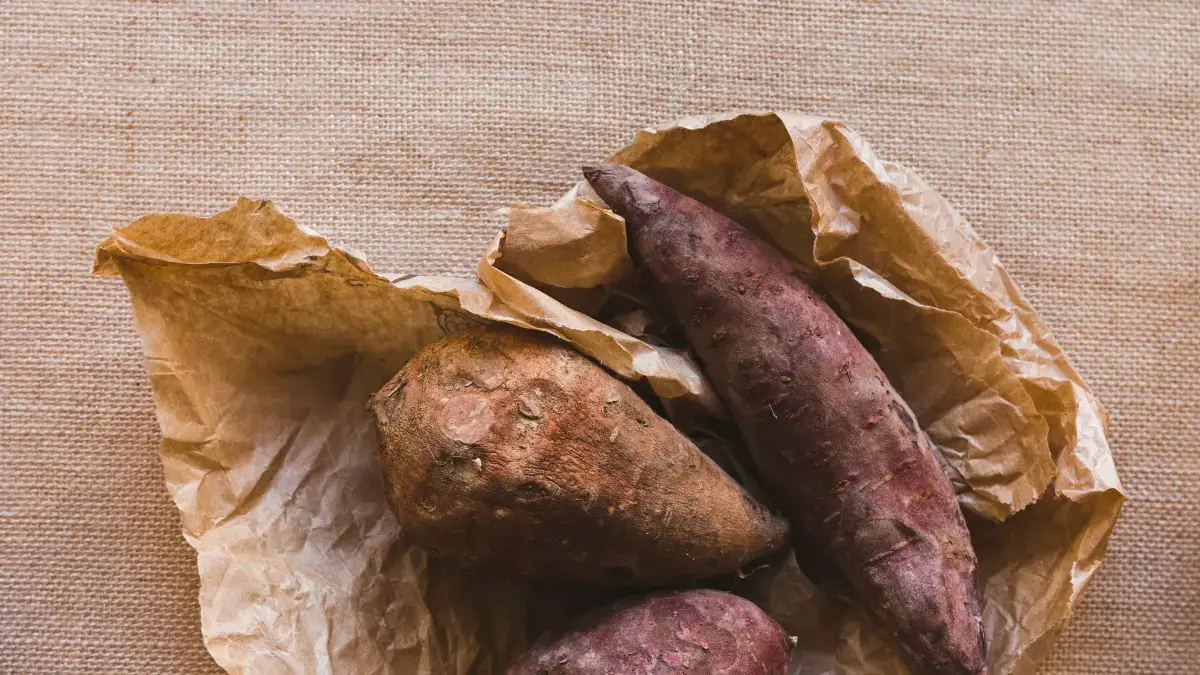
The Okinawan purple sweet potato is a legend in the longevity community. Potatoes, sweet potatoes have a lower glycemic index and are packed with anthocyanins and Vitamin A. They provide a slow, steady release of energy that prevents the insulin spikes associated with cellular aging.
These tubers are also high in potassium, which helps the body flush out excess sodium and maintain healthy blood pressure levels. Steaming or baking them with the skin on preserves the most nutrients.
14. Dark Chocolate (85% Cacao or Higher)
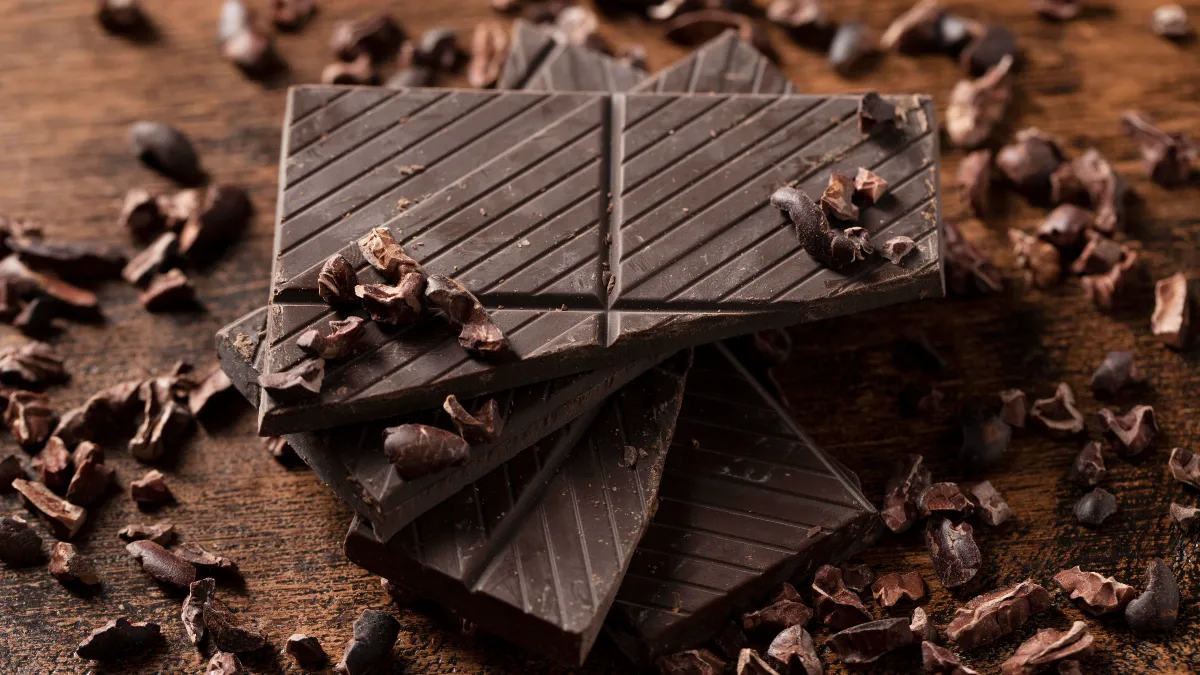
Longevity isn’t about deprivation; it includes dark chocolate. The flavanols in cacao improve blood flow to the brain and lower blood pressure. Benefits are only found in high cacao varieties with at least 85%.
A small square, about 10 to 20 grams daily, is to reap the cardiovascular benefits. Polyphenols in dark chocolate can also improve skin elasticity, protecting against photo aging from the sun.
15. Coffee

Coffee is one of the most chemically complex beverages, containing over 1,000 different compounds. Large scale studies show that moderate coffee drinkers 2 to 4 cups a day have a lower risk of Type 2 diabetes, Parkinson’s, and even certain types of cancer.
To maintain its longevity benefits, avoid heavy creams and sugars. In 2026, dietitians suggest black or green as the rule drink it plain or with a splash of plant based milk to keep the antioxidant profile intact.
How to Build Your Longevity Plate
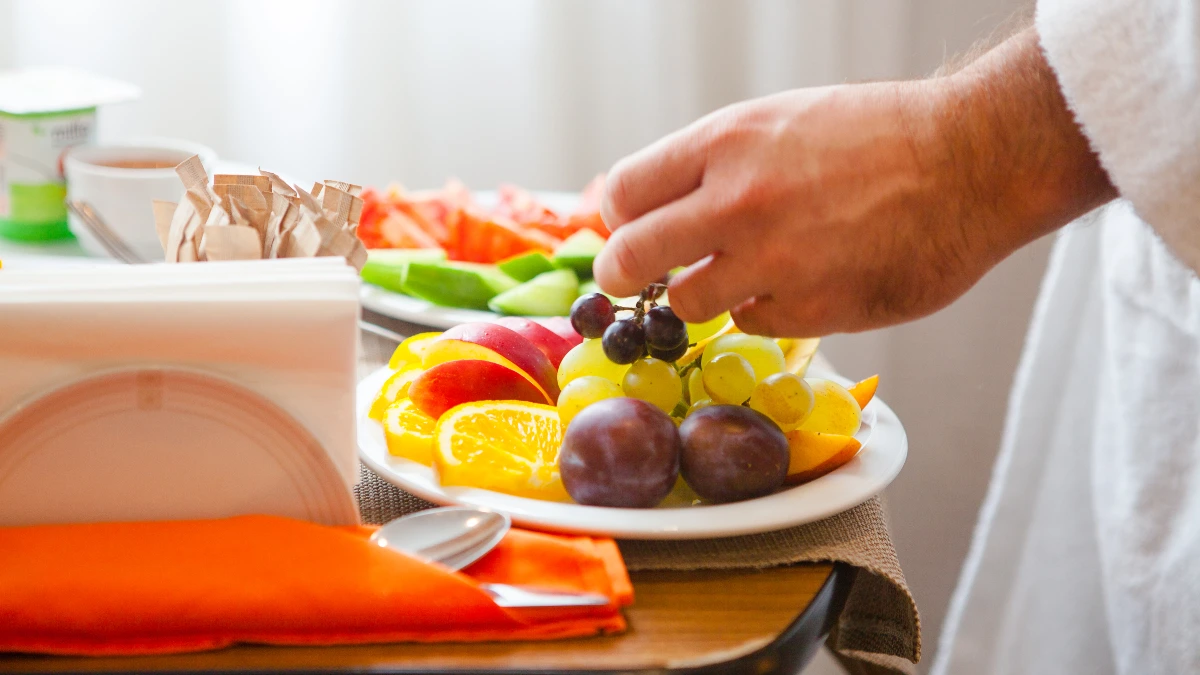
Integrating all 15 staples might seem daunting, but it’s simpler than it looks. The goal is to create a synergy of nutrients on every plate. A perfect longevity diet plan isn’t about eating 15 separate meals; it’s about layering these ingredients into your existing routine.
The Longevity Smoothie: Start your morning by blending spinach Greens, blueberries Berries, a tablespoon of almond butter Nuts, and a base of kefir Fermented Foods. The Power Bowl: For lunch, mix quinoa, Whole Grains, black beans, sauteed mushrooms, steamed broccoli, and Cruciferous Veggies, drizzled with extra virgin olive oil EVOO and minced garlic.
The Evening Finish: End your day with a serving of baked salmon, Fatty Fish, and a square of 85% dark chocolate for dessert. 80% Rule eating until you are 80% full, you allow your body to digest more efficiently and maintain a healthy weight, further boosting your longevity.
Conclusion
The Longevity Plate Blueprint
“Your biological clock is fueled by your daily staples.”
Primary Biological Targets
Weekly Quick-Start
-
✓Add 2 new staples (e.g., Sardines & Broccoli)
-
✓Replace 1 processed snack with nuts/seeds
-
✓Swap one meat meal for a legume base
Longevity is rarely the result of a single “superfood” or a lucky genetic draw. The cumulative effect of the daily dietary staples you choose to put on your plate. From the sulforaphane in your broccoli to the healthy fats in your sardines, each of these 15 staples works to repair your DNA, lower inflammation, and protect your vital organs.
Adopting a longevity diet plan that prioritizes these nutrient dense foods, you are taking active control of your biological clock. Start small by adding just two of these staples to your routine this week.