

Did you know that simple changes to your daily menu can slash your risk of a heart attack by nearly half? For most people, “heart health” sounds like a prescription for starvation steamed broccoli, dry chicken, and zero flavor. But new research confirms you don’t need a restrictive diet to protect your arteries; you just need to trade up.
This concept is called nutritional swapping. Instead of eliminating entire food groups, you replace inflammatory ingredients with protective ones. The impact is measurable and massive. A breakthrough study published by INRAE (France’s National Research Institute) in December 2025 analyzed over 60,000 adults and found a startling contrast: those who ate high-quality, whole plant foods had significantly healthier hearts, while those relying on ultra-processed plant foods saw their cardiovascular risk jump by 40%.
The secret isn’t just “eating plants” it’s eating real food. In this guide, you’ll learn the three most effective swaps recommended guidelines to capture that 40% risk reduction for yourself.
Trade Refined “Beige” Carbs for Fiber-Rich Whole Grains
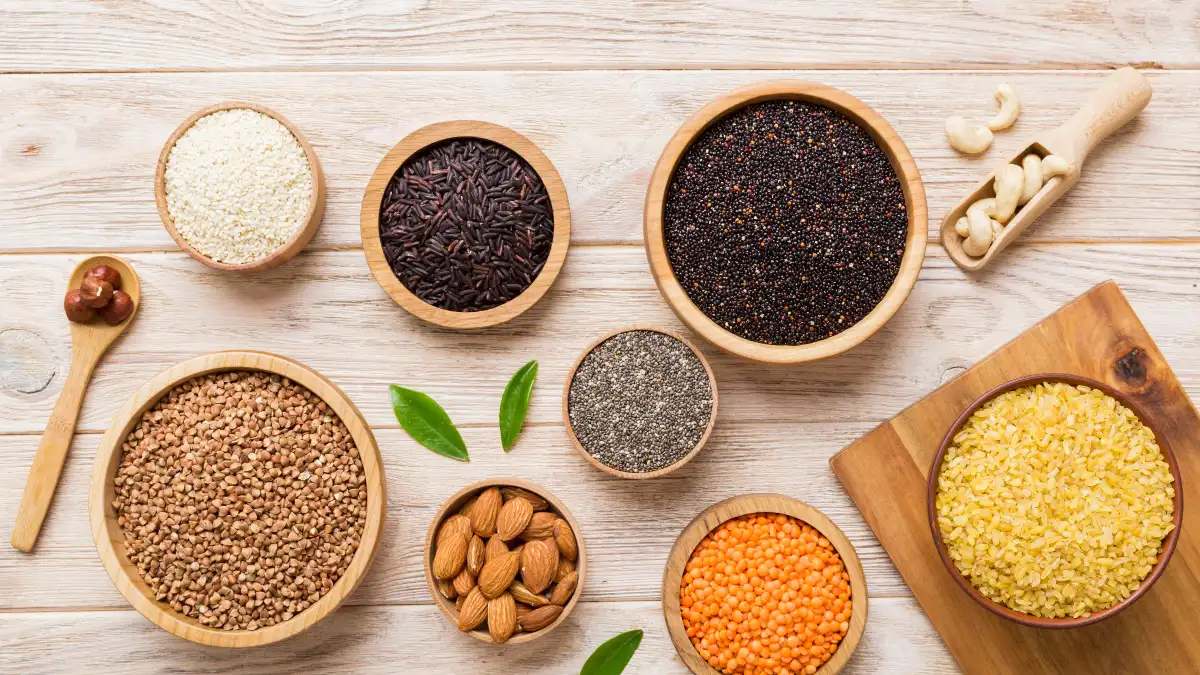
If your breakfast toast or dinner rice is bright white, you are missing the easiest opportunity to scrub your arteries clean. Refined grains have been stripped of their bran and germ, leaving behind “naked” carbohydrates that spike blood sugar and trigger inflammation almost immediately after eating.
Why It Matters Now: According to a report from the Whole Grains Council, simply ensuring that 50% of your daily grains are whole can drastically lower your risk of stroke and heart disease. The fiber in these grains acts like a sponge, soaking up excess cholesterol and keeping your blood sugar stable.
Actionable Swaps:
- Swap White Rice for Quinoa or Farro: These “ancient grains” are having a resurgence in 2025 because they offer a nutty flavor and stay firm in soups and salads.
- Swap Instant Oats for Steel Cut Oats: Instant varieties are often pre-digested and sugary. Steel-cut oats digest slowly, keeping you full for hours.
- Swap White Bread for 100% Whole Wheat or Sprouted Grain: Look for “Whole” as the very first word on the ingredient list.
Pro Tip: Don’t like the texture of brown rice? Try mixing it 50/50 with white rice to start. Your taste buds will adapt in about two weeks.
Replace “Solid” Fats with “Fluid” Fats
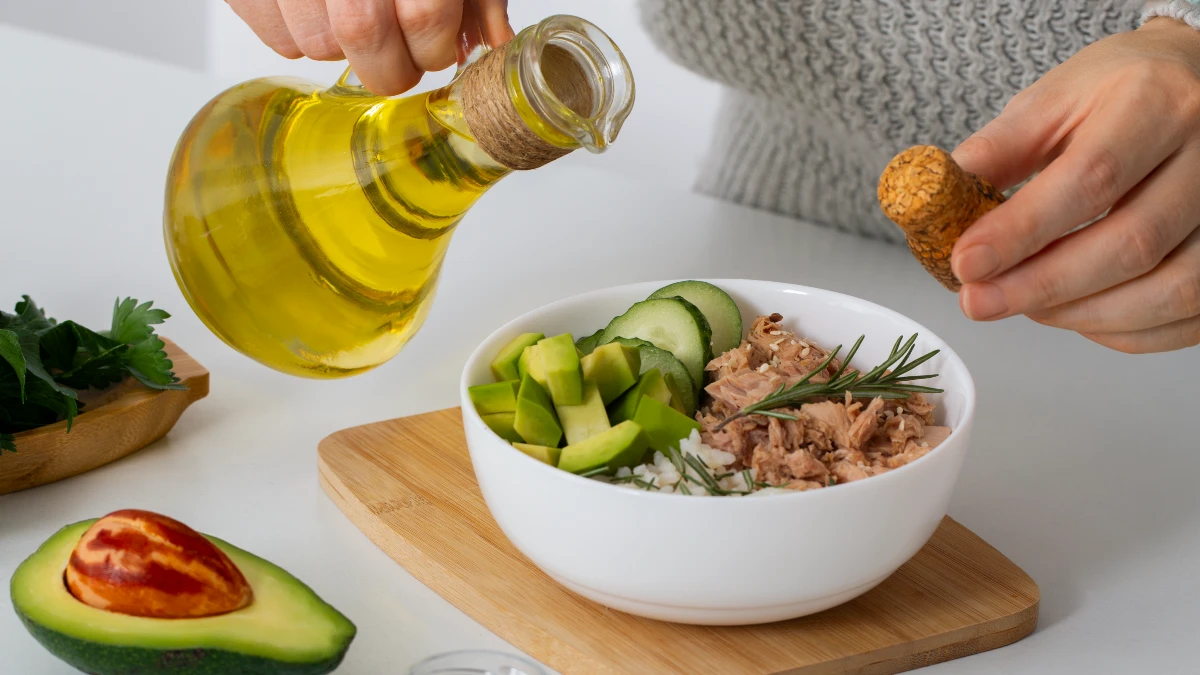
Fat is not the enemy the type of fat is. A simple visual rule of thumb recommended by cardiologists is to look at the state of the fat at room temperature. If it is solid (like butter, lard, or coconut oil), it is likely high in saturated fats that can raise your LDL (bad) cholesterol. If it is liquid (like olive or avocado oil), it is likely rich in unsaturated fats that actively protect your heart.
Why It Matters Now: The 2025 Dietary Guidelines Advisory Committee reaffirmed that replacing saturated fats with unsaturated plant oils is one of the most powerful dietary levers for lowering LDL-C. This doesn’t mean eating low-fat; it means eating smart fat.
Actionable Swaps:
- Swap Butter for Avocado Oil: When cooking at high heat (like searing a steak or stir-fry), use avocado oil. It has a high smoke point and neutral flavor.
- Swap Creamy Salad Dressings for EVOO Vinaigrettes: Ranch and Caesar are often loaded with saturated fat. A simple mix of Extra Virgin Olive Oil (EVOO), lemon juice, and herbs provides anti-inflammatory benefits.
- Swap Cheese Snacks for Nuts: Instead of cheese cubes, grab a handful of almonds or walnuts. They provide the crunch and fat satisfaction without the artery-clogging downsides.
Exchange “Hidden” Sodium & Sugar for Natural Bio-Flavor
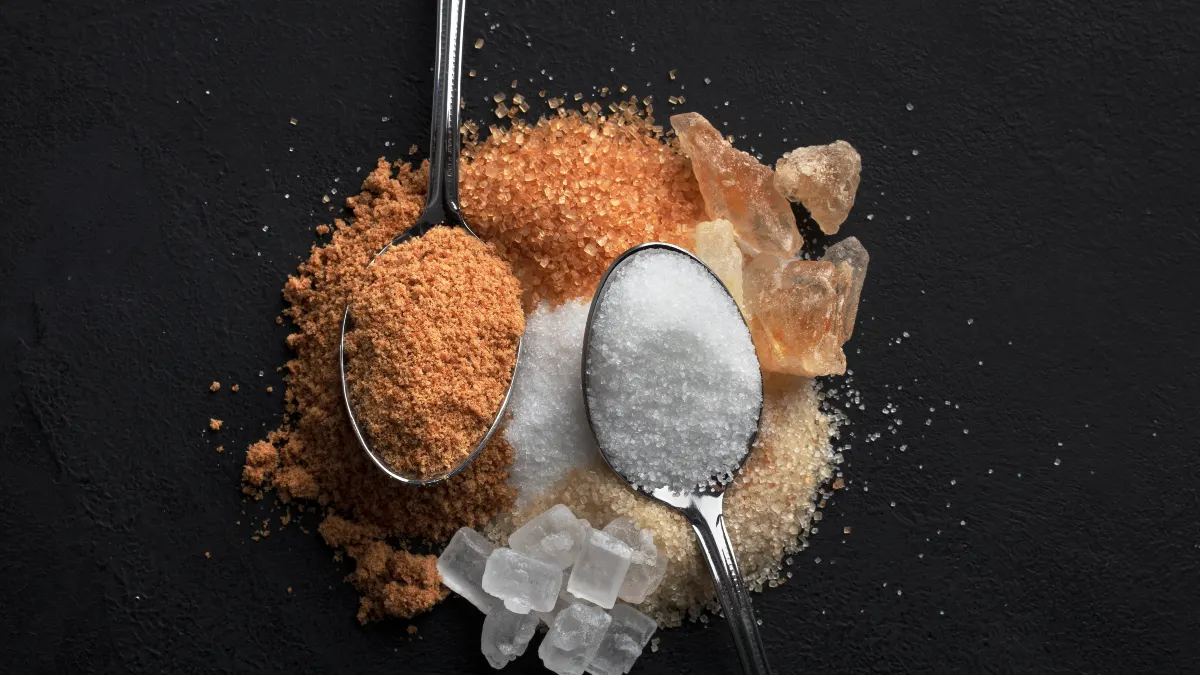
Sodium and added sugar are the silent drivers of hypertension (high blood pressure) and metabolic stress. The danger often hides in processed foods that don’t even taste salty or sweet, like bread, pasta sauce, and “healthy” deli meats.
Why It Matters Now: A study published in the American Journal of Preventive Cardiology (April 2025) highlighted that sodium reduction, especially when combined with a DASH-style eating pattern, offers the “biggest wins” for reducing long-term cardiovascular risk. The study found these changes could lower atherosclerotic cardiovascular disease risk scores significantly over 10 years.
Actionable Swaps:
- Swap Table Salt for “Power Powders”: Use garlic powder, onion powder, paprika, or turmeric. These add depth without raising your blood pressure.
- Swap Soda & Sweet Tea for Hibiscus Tea: Hibiscus has natural compounds that may help support healthy blood pressure. Alternatively, try sparkling water with muddled berries.
- Swap “Veggie Chips” for Real Roasted Veggies: Don’t be fooled by the “Ultra-Processed” trap. Most veggie straws are just potato starch with food dye and salt. Roast kale or chickpeas in the oven for a truly heart-healthy crunch.
Conclusion
Heart Health Checklist
Protecting your heart doesn’t require a complete overhaul of your life overnight. It starts with the decisions you make in the grocery aisle. By prioritizing whole grains, choosing liquid fats, and flavoring with natural spices, you align your diet with the latest science.
Remember the INRAE findings: shifting away from ultra-processed foods toward whole, quality ingredients can reduce your heart attack risk by up to 40%. That is a massive return on investment for simply choosing a different brand of bread or oil.
Start today: Pick just one swap from this list to try at your next meal. Which one will it be?