

You eat the same salads you’ve always loved. You’ve kept your activity levels steady, and you aren’t doing anything “wrong” by traditional health standards. Yet, lately, your body feels like it’s operating under a different set of rules.
The morning stiffness lasts a little longer than it should. The “food baby” bloating appears after a simple piece of toast. You feel a persistent, low-level exhaustion that a second cup of coffee can’t touch. These are classic gut inflammation signs after 50 , and most people never make the connection.
It’s tempting to shrug this off as a natural part of getting older or a slowing metabolism. For many adults over 50, these aren’t just “age spots” on the inside. They are the primary indicators of chronic low-grade inflammation, a state often called “inflammaging.” This isn’t your fault; it’s a biological shift in how your gut protects you.
The 5 Red Flags Your Microbes Are Sending
Gut inflammation after 50 manifests through five primary indicators: persistent abdominal distention, sudden food sensitivities, unexplained joint stiffness, cognitive fatigue [brain fog], and skin flare-ups. Unlike general digestive upset, these signs often stem from a thinning mucosal barrier and shifting microbial diversity common in later decades. Recognizing gut inflammation signs after 50 early is what separates a fixable pattern from a long-term one.
Nina’s “Healthy” Wall
Nina, 54, considered herself a wellness pro. She hit her step goals and ate plenty of “heart-healthy” whole grains. But by 3:00 PM every day, she felt like she was walking through a mental fog so thick she couldn’t finish an email. Her knees ached despite no injury, and her stomach felt permanently tight.

She assumed it was menopause or just “the mid-fifties slump.” It wasn’t until she swapped her “healthy” wheat-heavy breakfast for targeted prebiotic fibers and scaled back on emulsifiers that the fog lifted. Gradually, her joints felt “greased” again. Nina didn’t need more rest; she needed to repair her gut’s cooling system.
Note: Nina’s experience reflects one path through midlife gut changes. How your body responds depends on your microbiome baseline, stress levels, hormones, and consistency. The shift may look different for you, and that’s completely normal. The principles here are sound. Your timeline is your own.
The Biology of “Inflammaging”: Why 50 is the Tipping Point
As we cross the 50-year mark, our gut microbiome undergoes a significant transition. The population of beneficial species like Bifidobacterium tends to decline, while opportunistic, pro-inflammatory bacteria can begin to take up more space.
The core of the issue is often the intestinal permeability [leaky gut]. This occurs when the “tight junctions” between the cells lining your digestive tract begin to loosen. When this barrier thins, fragments of bacteria and undigested food particles slip into the bloodstream.
The immune system views these “leakers” as invaders, triggering a systemic inflammatory response. In your 30s, your body might have bounced back quickly. After 50, this response often stays “on,” leading to the chronic symptoms we mistake for aging.
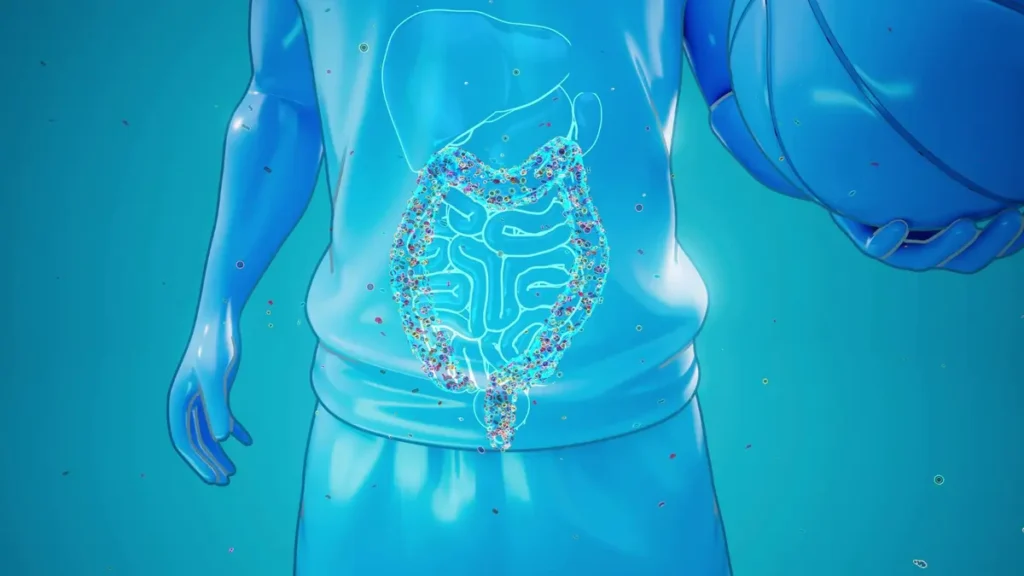
Bifidobacterium [beneficial gut bacteria] acts as a primary defender of this barrier. When these levels drop, your internal “security fence” needs extra support through specific dietary shifts. What sets it off the night before is the part most people never check.
Sign 1: The “Permanent” Food Baby (Structural Bloating)
Standard bloating usually comes and goes based on a specific heavy meal. Inflammatory bloating after 50 feels different, it’s a structural distention that seems to be there the moment you wake up or triggers after even the smallest snack.
This happens because the microbial shifts in an aging gut can lead to slower transit time. When food sits longer, it ferments in areas it shouldn’t, creating gas that stretches the intestinal wall. If your waistline changes significantly between 8:00 AM and 8:00 PM regardless of what you eat, your microbes are struggling with motility.
You’re doing this right if you notice the “tightness” in your abdomen softens within 48 hours of reducing processed fibers. But the most frustrating symptom might not be in your stomach at all.
Sign 2: The Cognitive Cloud (The Gut-Brain Axis)
If you find yourself walking into a room and forgetting why you’re there, or if your “focus” seems to evaporate by noon, it’s likely not “senior moments.” It is the gut-brain axis [the biochemical signaling between the GI tract and the central nervous system] in action.
When the gut is inflamed, it produces cytokines [pro-inflammatory signaling proteins]. These proteins can cross the blood-brain barrier, leading to neuroinflammation. This manifests as that heavy, “cloudy” feeling in your head.
The Gut-Brain Connection
| Symptom | Common Aging Myth | The Inflammatory Reality |
| Brain Fog | “I’m just getting older.” | Cytokines slowing neural speed. |
| Memory Slips | “Early cognitive decline.” | Systemic inflammation slowing down neural firing. |
| Mood Swings | “Just hormonal changes.” | 95% of serotonin is produced in an inflamed gut. |
If you ignore the cloud, the inflammation often finds a way to settle into your physical frame.
Sign 3: Joint “Rust” You Can’t Stretch Away
We are told that creaky knees and stiff fingers are the “price of admission” for life after 50. While wear and tear are real, inflammatory “rust” is different. This is stiffness that doesn’t fully resolve with a warm-up or light stretching.
Picture this: 6:47 AM. You sit up and your knuckles won’t close properly. No injury. No reason. That’s not wear and tear. That’s your gut. Your digestive tract and your joints are more connected than they look. When the gut lining is under pressure, the body’s defense system doesn’t always stay in its lane.
If your joints feel “hot” or particularly stiff the morning after a high-sugar or highly processed meal, the trigger is likely your digestive tract, not your treadmill settings. Skip this connection and every anti-inflammatory supplement you take works against a leak you haven’t closed.
Sign 4: Sudden “Healthy” Food Sensitivities
If you’ve spent decades eating whole wheat toast or Greek yogurt without issue, only to find they now leave you doubled over or itchy, your gut lining is likely compromised. This isn’t a traditional allergy; it is a sign that your digestive enzymes and microbial diversity have shifted.
Your gut has simply become less forgiving, and foods it once processed quietly now set off a reaction. In the 50+ gut, this often manifests as a “delayed” reaction, you might feel the inflammatory effects 4 to 24 hours after eating. Yet the foods most likely to trigger it are the ones your doctor has been telling you to eat more of.
Sign 5: The “Inflammaging” Skin Flare-Up
The gut-skin axis is a direct communication line. When the internal environment is on fire, it often “leaks” onto the surface. For those over 50, this rarely looks like teenage acne; instead, it appears as sudden patches of redness, extreme dryness that no lotion can fix, or a subtle “puffiness” in the face.
These flare-ups are the body’s way of offloading systemic inflammation when the gut can no longer contain it. Leave it unaddressed and the surface flare-ups are the least of what follows.
The 48-Hour Pivot: How to Calm the Fire
To cool the inflammation, you don’t need a restrictive “detox.” You need to reinforce the mucosal barrier.
Start here if overwhelmed:
Focus exclusively on Polyphenols. These compounds act as “sunscreen” for your gut lining.
- The Action: Add 1/2 cup of deep-pigment berries (blueberries, blackberries) or a tablespoon of ground flaxseed to your morning.
- The Timing: Consume these as your first meal to prime the gut.
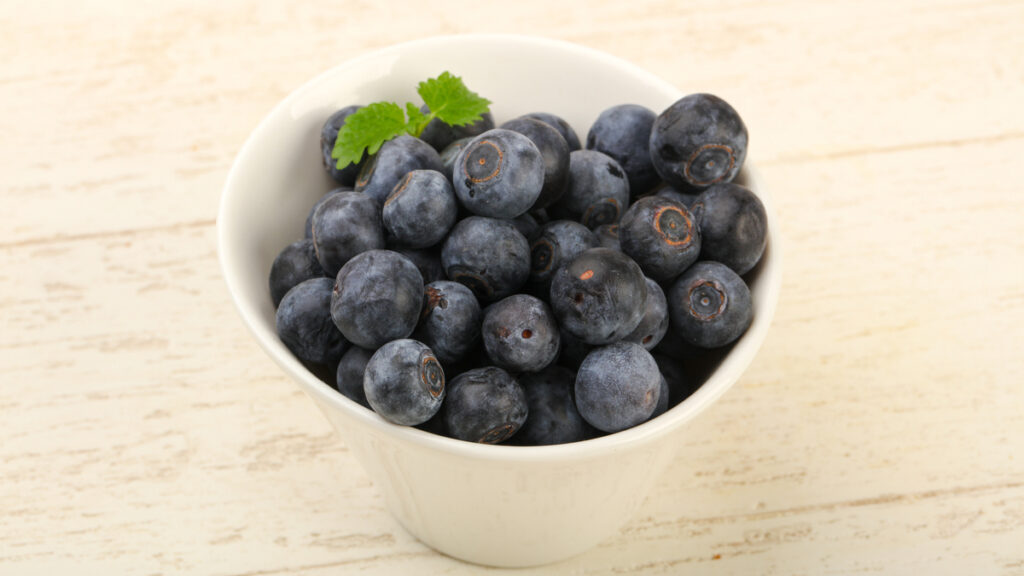
- The Signal: You are doing this right if your morning “stiffness” begins to subside within 3 to 5 days.
- The Adjustment: If berries cause immediate bloating, switch to steamed carrots or sautéed spinach, easier-to-digest sources of fiber.
The Swap Protocol
- Identify the Trigger: For 7 days, notice if your “brain fog” peaks after eating refined flour (pasta, white bread).
- The Swap: Replace one serving of refined starch with a resistant starch like a cooled potato or lentils.
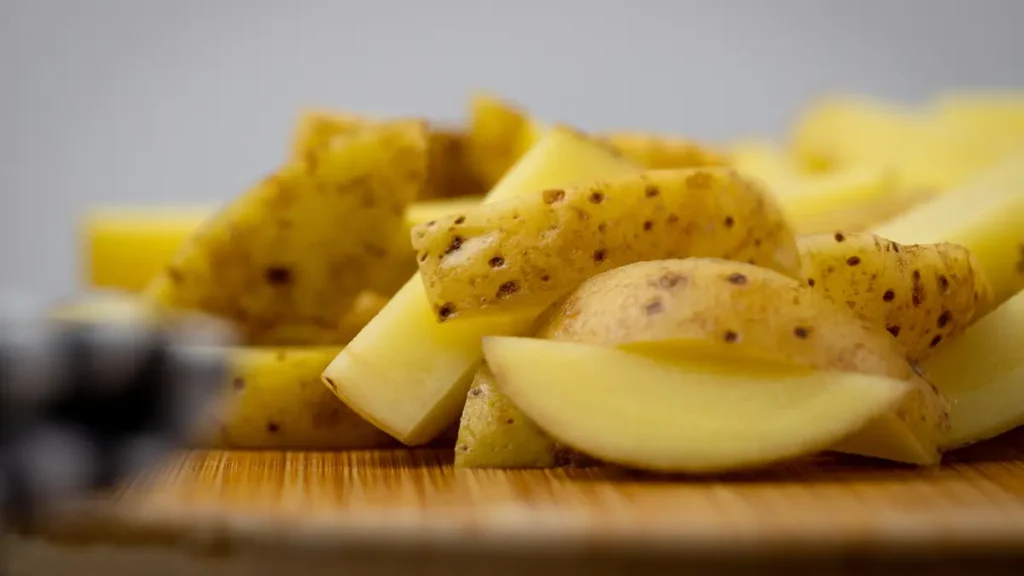
- The Hydration Rule: For every increase in fiber, add 8 ounces of water. Fiber without water in a 50+ gut can actually increase inflammation.
Your Questions Answered
Can gut inflammation cause weight gain after 50?
Yes. Chronic inflammation can lead to insulin resistance, making it harder for your body to process glucose and easier to store fat, particularly around the midsection. This is often referred to as “toxic fat” because the fat cells themselves then produce more inflammatory signals.
What is the best probiotic for seniors?
Look for strains specifically containing Bifidobacterium animalis or Lactobacillus rhamnosus GG. These have been most heavily studied for their ability to strengthen the intestinal barrier and reduce “inflammaging” symptoms in older adults.
How long until gut inflammation goes away?
While the biological repair of the lining can take 3 to 6 months, most people feel a significant shift in energy and “de-bloating” within 10 to 14 days of consistent dietary changes. Consistency is more important than intensity when it comes to microbial shifts.
Listening to Your “New” Gut
Your gut isn’t “old”. It’s just talking. The stiffness, the fog, and the bloating are how gut inflammation signs after 50 ask for a change in strategy. The rules for your 50s are different than your 30s, you can stop fighting your body and start fueling the repair.
That shift takes consistency, not perfection. Every small dietary swap you make is a signal your body registers, and it responds faster than most people expect.
Your Gut Health Protocol:
- Track: Note your “fog” levels for 3 days to find your food triggers.
- Hydrate: Increase water intake by 2 glasses daily to support fiber transit.
- Cool: Add one serving of polyphenol-rich berries to your breakfast tomorrow.
⚠️Medical Disclaimer
This content is for informational and educational purposes only and does not constitute medical advice, diagnosis, or treatment. Before making changes to your diet, exercise routine, or supplement regimen, consult a qualified healthcare provider. If you experience severe abdominal pain, blood in stool, or sudden unexplained weight loss, seek emergency medical care immediately.