
You might think “fragility” is just a part of getting older. But your bones are actually living tissue. They need constant fuel to stay strong. By age 50, things change inside your body. Your ability to absorb calcium starts to drop. For women, menopause makes this bone loss happen even faster.
This is how your bone density begins to slip away without you noticing. If you don’t spot the signs of calcium deficiency after 50, your health can suffer. It is not just about drinking more milk. It is about healthy aging and keeping your independence. In this guide, you will learn the five specific physical “red flags” to watch for.
You will also get a 2026-ready plan to restore your strength. This is how you stop feeling fragile and start feeling solid again. And here is why that matters.
Why Does Your Body Need More Calcium Now?
As you get older, your body becomes less efficient. One big change happens in your stomach. Most people produce less acid as they age. Your body needs that acid to break down calcium so it can enter your blood. Without it, the mineral just passes through you.
Hormones also play a massive role. For women, estrogen levels drop during menopause. Estrogen helps keep calcium inside your bones. For men, lower testosterone has a similar effect. When these hormones disappear, your body starts “stealing” calcium from your skeleton. It does this to keep your heart and muscles working.
Doctors call osteoporosis the “silent thief.” It does not hurt while it is happening. You often do not know there is a problem until a bone snaps. The stats are serious. Data shows that 1 in 3 women and 1 in 5 men over 50 will suffer a break because of weak bones. This “calcium gap” is a real threat. But once you know why it happens, you can fix it.
The Calcium Absorption Crisis
How aging impacts your body’s ability to use calcium
Drop in stomach acid production after age 50
Milligrams of bone calcium lost daily during menopause
Americans currently living with osteoporosis
“Peak bone mass is achieved around age 30. After that, bone resorption slowly begins to exceed bone formation. The key is maximizing absorption of calcium during these critical years.”
Peak Absorption
Calcium absorption rate at 25-30%. Optimal stomach acid and hormone levels support bone building.
Declining Efficiency
Absorption drops to 15-20%. Stomach acid decreases by 30%. Women enter perimenopause, losing estrogen protection.
Critical Risk Period
Absorption plummets to 10-15%. Bone loss accelerates to 1-2% annually. Fracture risk increases significantly.
5 Signs You Are Running Low on Calcium
Most people think they are fine until they fall. But your body sends signals much earlier. Here is what to look for.
1. Your Muscles Cramp or Twitch
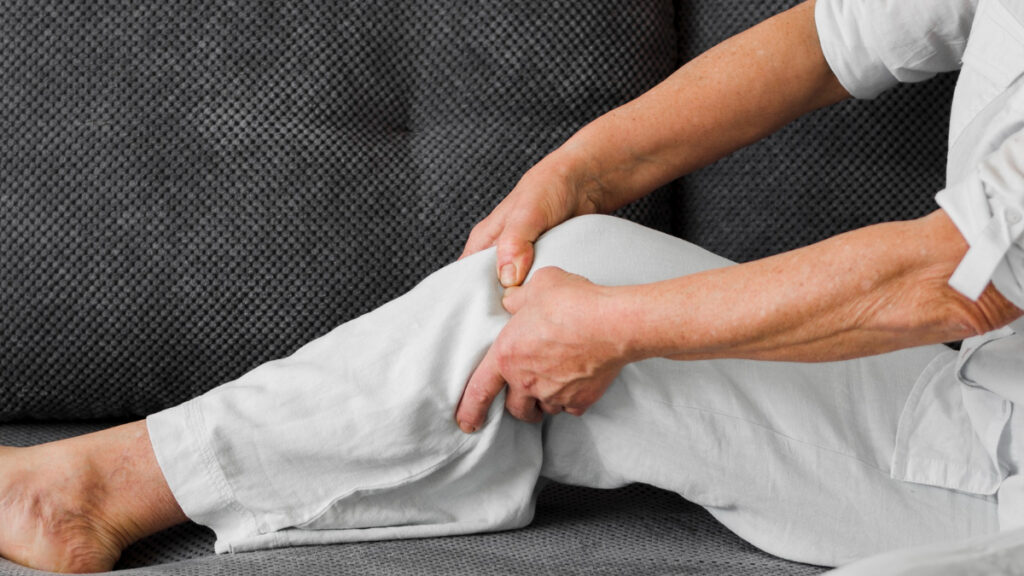
Calcium helps your muscles contract and relax. When your levels are low, your nerves get “jumpy.” This causes muscle twitches or sharp cramps in your legs at night. This is your body’s way of saying it is struggling to stay balanced.
2. Your Nails Are Brittle or Have Ridges
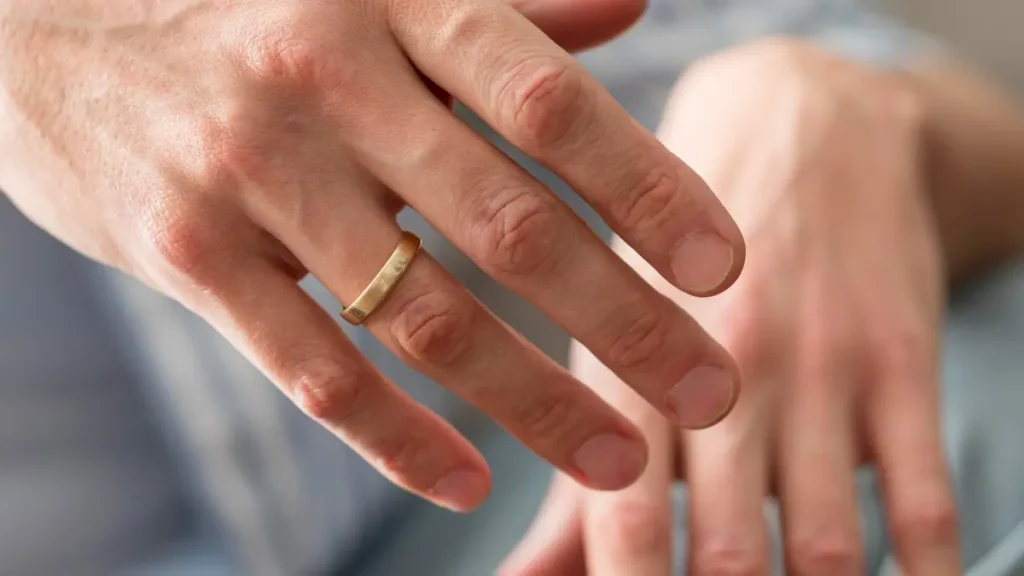
Take a look at your hands. Your nails need minerals to stay strong. If they chip easily or feel paper-thin, you might have a deficiency. Look for vertical ridges running from your cuticle to the tip. Deep ridges often mean your body is low on basic nutrients.
3. Your Gums Recede or Teeth Feel Loose

Your jawbone holds your teeth in place. It is a very active bone. If your body needs calcium, it often takes it from your jaw first. This can make your gums pull back. You might even feel like your teeth are slightly loose. A dentist might see this bone loss before a doctor does.
4. You Have Constant Fatigue and Brain Fog
Calcium is not just for bones. It helps your brain send signals to your nerves. If you feel tired even after a full night of sleep, check your calcium. Low levels can lead to “brain fog” or feeling confused. You feel sluggish because your cells are not communicating well.
5. You Break a Bone from a Minor Bump
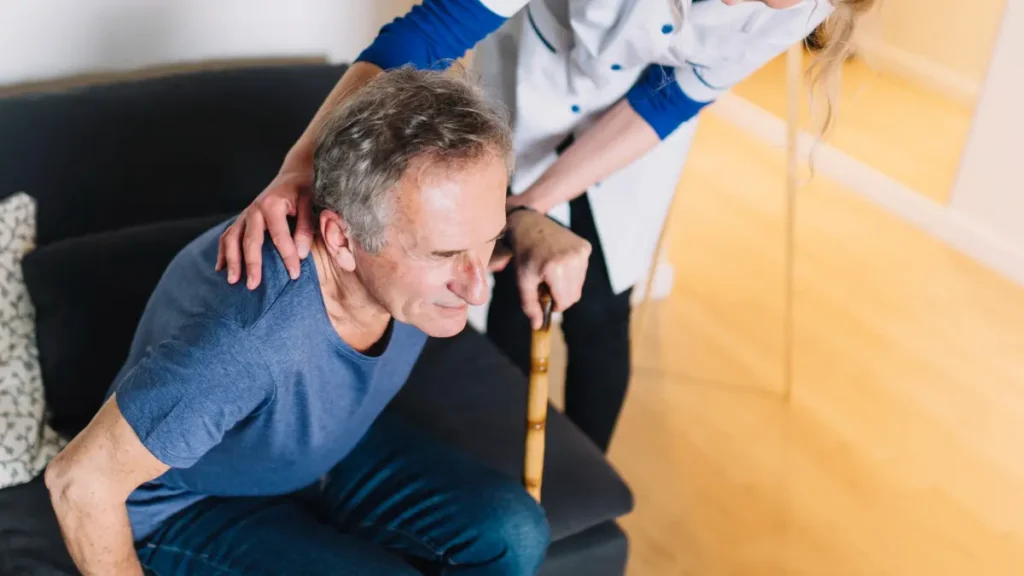
Have you ever tripped and ended up with a broken wrist? Or maybe you felt a sharp pain in your back after lifting a grocery bag. These are “fragility fractures.” A healthy bone should handle a small bump. If your bones break during normal daily life, your density is too low. This is the biggest red flag of all.
How to Fix Your Calcium Levels in 2026

Fixing your bone health is about more than a pill. In 2026, we know that the “Calcium Trio” is the secret. You need Calcium, Vitamin D3, and Vitamin K2 working together.
Think of it like a construction site. Calcium is the brick. Vitamin D3 is the truck that brings the bricks to the site. Vitamin K2 is the worker who actually puts the bricks into the wall. If you take calcium without D3 and K2, the bricks might end up in your heart or kidneys instead of your bones.
Start with calcium-rich foods for seniors. Sardines are a powerhouse because you eat the tiny, soft bones. Dark leafy greens like bok choy are also great. Many plant-based milks are now fortified with high-quality minerals.
Focus on osteoporosis prevention by adding weight-bearing exercise. Walking or lifting light weights tells your body to keep the calcium in your bones. It makes the bones “hungry” for the minerals you eat.
Conclusion
Having low calcium is not a life sentence. It is just a signal that you need to change your fuel. Your bones are always rebuilding themselves. Even after age 50, you can improve your strength.
Do not wait for a major fall to take action. If you noticed two or more of the signs listed above, talk to your doctor. Ask for a DXA scan. This test measures your bone density and gives you a clear starting point. You deserve to feel strong and stable as you age.