

Modern medicine has historically focused on lifespan the total number of years lived often at the expense of quality. Clinical focus has now shifted toward health span, defined as the number of healthy, active years of life without pain or significant disability. This paradigm shift is essential for those in their sixties, as it frames aging not as an inevitable decline, but as a “Centenarian Decathlon” where one trains for the physical tasks they wish to perform at age 100.
Research from Oxford Population Health and the University of Helsinki published in Nature Medicine in 2025 emphasizes the “90/10 Rule”: roughly 90% of longevity is determined by modifiable lifestyle and environmental factors, while genetics account for less than 10% for most individuals. This means that daily habits movement, nutrition, and social connection can effectively override a genetic predisposition for a shorter life.
Secret 1: The Cardiovascular Engine
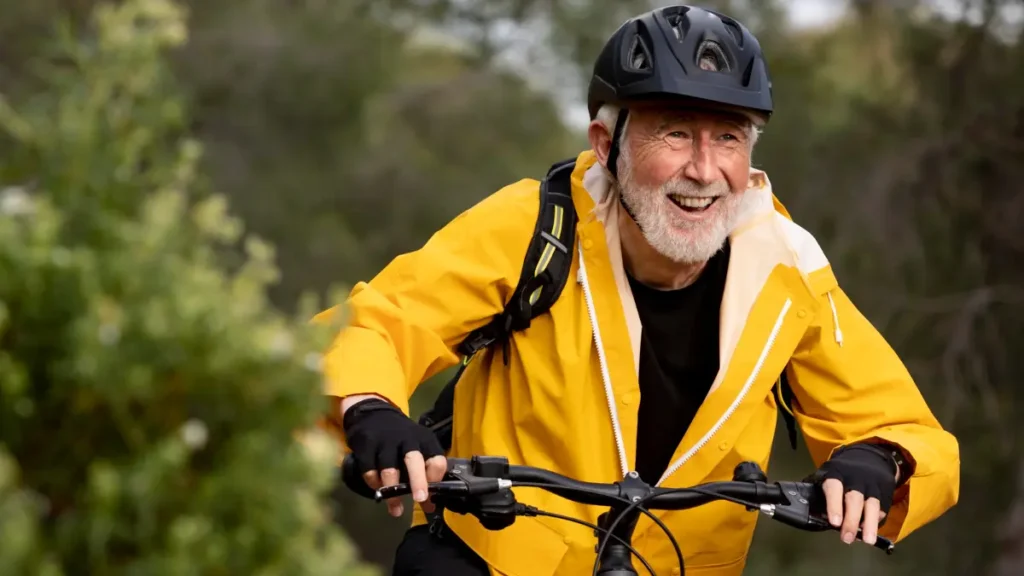
Cardiorespiratory fitness is the single most potent predictor of all-cause mortality. Clinical data from a decade-long study published in the European Journal of Preventive Cardiology and reaffirmed in 2024 shows that VO2 Max a measure of how effectively the body uses oxygen during intense exercise is a superior predictor of survival compared to body mass index (BMI) or frailty. In clinical terms, increasing one’s fitness level by just one metabolic equivalent (MET).
To optimize this “aerobic engine,” experts like Dr. Peter Attia recommend a foundation of Zone 2 training. This is low-intensity endurance exercise where the heart rate stays in a range where one can maintain a conversation but feels slightly challenged. Zone 2 training specifically targets mitochondrial biogenesis, the creation of new mitochondria, which improves metabolic flexibility and insulin sensitivity.
A doctor-approved protocol for 2025 includes roughly four hours of Zone 2 training per week (such as brisk walking or steady cycling) paired with one 30-minute session of high-intensity interval training (HIIT) to push the VO2 Max ceiling.
Secret 2: Musculoskeletal Armor (Strength and Stability)
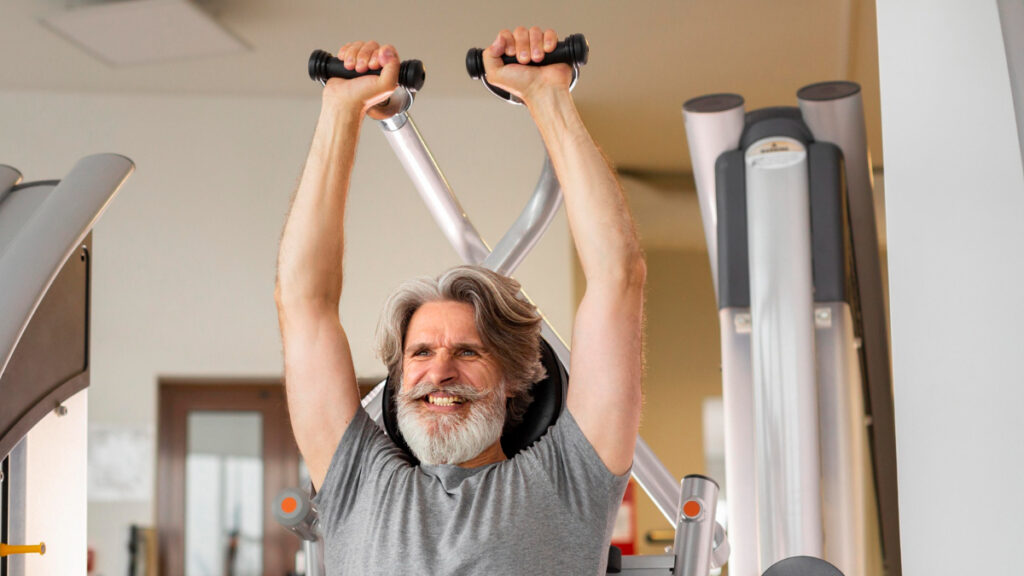
After age 40, the body naturally loses approximately 8% of its muscle mass per decade, a condition known as sarcopenia. For those over 60, preserving muscle is a clinical requirement to prevent falls a leading cause of disability and premature death. Strength training serves as “anti-aging” armor, inducing neuromuscular adaptations and enhancing motor unit recruitment.
Crucially, research indicates that older adults who engage in regular resistance training preserve a higher percentage of Type II, “fast-twitch” muscle fibers the fibers responsible for power and balance making their muscle composition mirror that of younger adults.
Actionable 2025 guidelines suggest focusing on the “Centenarian Decathlon” list: training specifically for real-world tasks such as lifting a 30-pound suitcase into an overhead bin, getting off the floor without assistance, or carrying two bags of groceries for several blocks. Aim for two to three full-body strength sessions per week, focusing on compound movements like squats, lunges, and pulls.
Secret 3: Cognitive Resilience (The MIND Diet and Brain Fuel)

The intersection of nutrition and neuroscience has produced the MIND diet a hybrid of the Mediterranean and DASH diets specifically designed to fight neurodegeneration. Data from the U.S. POINTER trial shows that high adherence to this protocol can reduce Alzheimer’s risk by up to 53%. The diet emphasizes leafy greens (6+ servings/week), berries, nuts, olive oil, and fatty fish, while strictly limiting red meat, butter, and processed sweets.
Groundbreaking 2025 research in Clinical Nutrition has further identified the “Green Mediterranean” diet as a superior tool for slowing brain aging. Participants who replaced red meat with plant proteins and added polyphenol-rich green tea and walnuts showed significant reductions in galectin-9, a biomarker associated with accelerated brain aging and inflammation.
Additionally, time-restricted eating (TRE), such as a 12-hour fast, has been shown to improve glycemic control and reduce visceral fat the inflammatory fat that surrounds organs and accelerates biological decline.
Secret 4: The Recovery Foundation (Sleep and Circadian Health)

Sleep is no longer viewed as optional downtime; it is a biological necessity for “glymphatic cleansing,” a process where the brain washes away amyloid plaques associated with cognitive decline. A 2025 Mayo Clinic study published in Neurology established that chronic insomnia difficulty sleeping at least three nights a week increases the risk of dementia by 40%. Brain scans of poor sleepers revealed declines comparable to being four years older chronologically.
Clinicians in 2025 are also warning of the “sleep med trap.” Research published in The Lancet found that seniors who discontinued prescription sleep medications like benzodiazepines saw an 8.5% reduction in falls and a 2.1% improvement in cognitive function.
Instead of sedation, doctors recommend aligning circadian rhythms through a “Digital Sunset”: dimming lights after dinner, avoiding screens 60 minutes before bed, and obtaining 10–20 minutes of morning sunlight to reset the body’s internal clock.
Secret 5: Sensory Maintenance (The Hearing-Cognition Link)
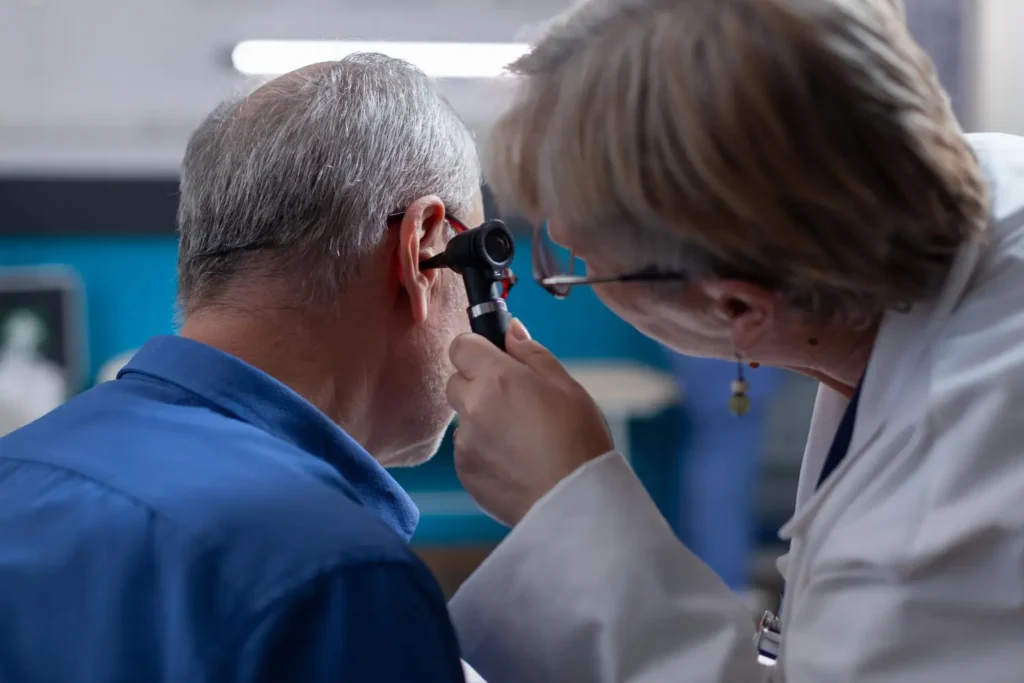
One of the most overlooked secrets to longevity is treating hearing loss. Large-scale research from the University of Southern Denmark and the University of Southern California (USC) has linked untreated hearing loss to a 24% higher risk of mortality. The primary mechanism is “Cognitive Load Theory”: when the brain must spend excessive energy decoding muffled sound, it drains the resources needed for memory and processing, leading to accelerated brain atrophy.
The 2025 clinical landscape highlights that hearing health is brain health. Modern, AI-powered hearing aids such as the Starkey Edge AI or ReSound Vivia now function as health-tracking wearables. These devices analyze 80 million sound data points per hour to mimic the brain’s natural auditory processing while monitoring heart rate, physical activity, and even detecting falls.
For those with mild-to-moderate loss, over-the-counter (OTC) options like Jabra Enhance now offer high-quality sound processing and professional audiological support at a lower cost.
Secret 6: The Biology of Belonging (Social Capital)

Social connection is a clinical pillar of health span. The World Health Organization (WHO) and the CDC report that social isolation is as damaging to health as smoking 15 cigarettes a day. Loneliness is associated with a 26% higher risk of premature death and a 50% increased risk of dementia.
Data using the Lubben Social Network Scale demonstrates that every standard deviation increase in social engagement adds roughly 0.40 years to life expectancy and disability-free life. Prosociality the act of giving back or volunteering is particularly potent after 60.
Stanford University research indicates that seniors who spend 15 hours a week mentoring or engaging in community support show improved cognitive scores and physical resilience. Doctors now prescribe “social nutrition,” encouraging patients to reach out to at least one person daily and join purpose-driven groups.
Secret 7: Toxin Avoidance and “Cleanse” Habits
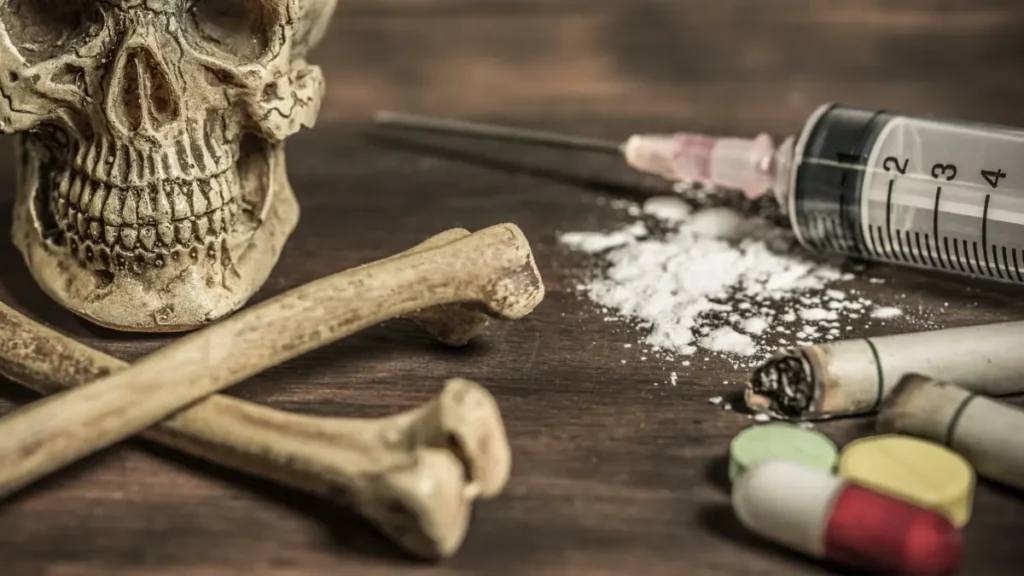
It is never too late to gain life expectancy by removing toxins. A 2025 study in the American Journal of Preventive Medicine quantified the impact of quitting smoking for seniors: those who quit at age 65 gain nearly 2 years of life expectancy, and even those who quit at age 75 can gain nearly a year back.
The “Moderate Drinking Myth” has also been dismantled in 2025. Surgeon General Vivek Murthy and the WHO have emphasized that “no amount of alcohol is completely safe” for brain and heart health. In older adults, alcohol stays in the blood longer due to reduced water content in the body, raising the risk for falls, fractures, and seven types of cancer.
If adults choose to drink, 2025 CDC guidelines recommend no more than 1 drink per day for women and 2 for men, though complete avoidance is prioritized for maximum longevity.
Monitoring: The Digital Health Stack
2025 Precision Health Protocol
To ensure these interventions are effective, 2025 longevity protocols rely on “Precision Tech for Preventive Care”.
Cardiovascular Tracking: Use wearables (Apple Watch, Oura, or Whoop) to monitor VO2 Max and Heart Rate Variability (HRV).
Metabolic Monitoring: Continuous Glucose Monitors (CGMs) are now used to track glycemic variability and adjust dietary choices in real-time.
Safety Integration: Smartwatches with fall detection, such as the MG Move or VitalTech, provide an extra layer of security for active seniors.
Biological Benchmarks: Schedule annual screenings for blood pressure, cholesterol, high blood sugar, and hearing to catch modifiable risks before they lead to chronic disease.
Conclusion
The “10-Year Gain” is achieved when these habits work synergistically. Cardiovascular health supports the physical strength needed for social participation; restorative sleep enables the cognitive clarity to maintain nutritional habits; and sensory maintenance reduces the background inflammation that fuels disease. By viewing aging as a training program for your future self, you can fundamentally rewrite your biological trajectory after sixty.