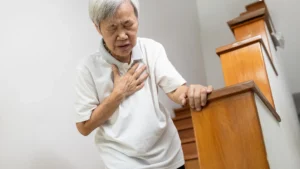
The intersection of liturgical celebration and cardiovascular pathology presents a recurring epidemiological challenge characterized by a statistically significant surge in cardiac mortality during the final week of the calendar year.
This phenomenon, colloquially identified as “Holiday Heart Syndrome” (HHS), encompasses a spectrum of acute cardiac events, primarily atrial fibrillation and myocardial infarction, triggered by the synergistic effects of nutritional excess, ethanol-induced toxicity, environmental stressors, and the deferral of medical consultation.
For healthcare communicators and clinical practitioners in 2025, addressing the specific risks associated with “Christmas Morning” dietary rituals is paramount, as this specific timeframe represents the apex of postprandial cardiac strain.
The following analysis provides a comprehensive synthesis of the physiological mechanisms at play, a detailed evaluation of high-risk nutritional triggers, and a strategic content plan designed to disseminate actionable, evidence-based interventions to at-risk populations.
Epidemiological Landscape: The “Christmas Coronary” Phenomenon
The final weeks of December are documented as the most perilous period for cardiovascular health in the United States and other Western nations. Longitudinal studies utilizing data from millions of death certificates indicate that more cardiac deaths occur on December 25 than on any other day of the year, with December 26 and January 1 following as the second and third most frequent dates for fatal events.
This mortality spike is not merely a reflection of a single demographic but is observed across various regions, including those with warm climates, which suggests that the primary drivers are behavioral and metabolic rather than purely environmental.
Statistical Distribution of Seasonal Cardiac Mortality
Why Cardiac Risk Spikes During Holiday Nights
Heavy meals
Alcohol intake
Emotional stress
Highest cardiac event incidence
Sympathetic nervous system overload
Delayed care
Sleep disruption
Arrhythmia escalation
Highest Vulnerability
- Age 75+
- Diabetes
- Chronic Hypertension
- Previous cardiac events
Physiological Triggers
- Blood viscosity increases at night
- Higher clot formation tendency
- Reduced heart rate variability
- Post-meal glucose spikes
The “Delay Effect” Pattern
Studies show delayed presentation significantly increases mortality in acute coronary syndromes.
“Holiday cardiac events are not random — they follow predictable biological and behavioral patterns.”
— Preventive Cardiology Research ConsensusA granular examination of clinical data from 2024 and 2025 reveals that the risk does not accumulate gradually but peaks sharply during specific ritualistic events. Research in the British Medical Journal, examining 16 years of heart attack data, identified Christmas Eve (December 24) as the point of highest relative risk, showing a 37% increase in myocardial infarctions, with a peak incidence occurring at 10:00 p.m.
| Specific Date | Increase in Risk/Mortality | Primary Pathological Event |
| December 24 | +37% Risk Increase | Peak incidence of Myocardial Infarction |
| December 25 | Highest Annual Mortality | Sudden Cardiac Death / AFib onset |
| December 26 | +33% Hospital Admissions | Decompensated Heart Failure |
| January 1 | Second Highest Annual Mortality | New Year’s-related Cardiac Arrest |
This surge is particularly acute among individuals over the age of 75 and those with pre-existing metabolic conditions such as diabetes or chronic hypertension. The secondary peak observed on December 26 is often attributed to the “delay effect,” where patients experiencing early warning signs during holiday festivities defer seeking emergency care to avoid disrupting family gatherings, leading to catastrophic outcomes that might have been prevented with earlier intervention.
Pathophysiology of Holiday Heart Syndrome
The clinical definition of Holiday Heart Syndrome (HHS) refers to an acute cardiac rhythm disturbance, most frequently atrial fibrillation (AFib), occurring in individuals without structural heart disease following a period of binge drinking. First identified by Ettinger et al. in 1978, the condition is characterized by a “sympathetic surge” during consumption followed by a “parasympathetic rebound” during the withdrawal or “hangover” phase.
Molecular Mechanisms of Arrhythmogenesis
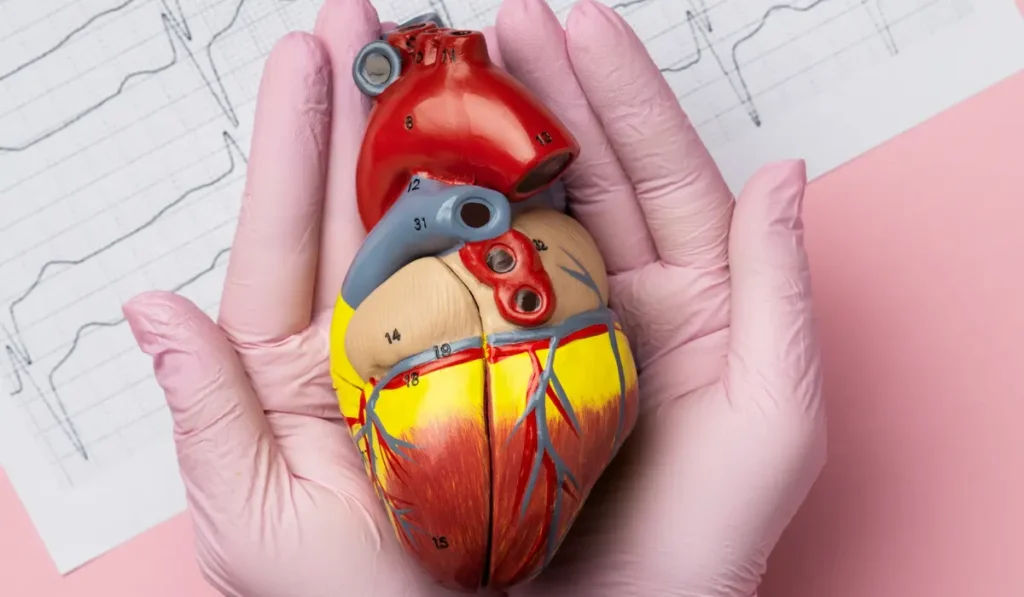
The ingestion of ethanol and high-sodium holiday foods initiates several detrimental biochemical pathways. Ethanol metabolites, specifically acetaldehyde, have a direct toxic effect on the myocardium, altering the electrical conduction system. Furthermore, research published in Circulation in 2020 and updated through 2024.
This identifies that binge alcohol exposure triggers AFib through the upregulation of T-type calcium channels via protein kinase C (PKC) and c-Jun N-terminal kinase 2 (JNK2) signaling. This signaling cascade leads to calcium dysregulation within the cardiac myocytes, creating the electrical instability necessary for re-entrant arrhythmias.
Beyond electrical disturbances, the postprandial state following a heavy Christmas breakfast creates mechanical strain. Large, high-fat meals overstimulate the central nervous system and the vagus nerve. This vagal stimulation can shorten the atrial refractory period, making the heart more susceptible to the “chaotic quivering” characteristic of atrial fibrillation.
The hemodynamic consequences are often exacerbated by the high sodium content of traditional holiday fare, which leads to immediate fluid retention and an increase in blood volume.
The 7 Perilous Christmas Morning Foods: A Nutritional Toxicology
The typical Christmas morning breakfast is a concentrated source of the three primary dietary triggers for cardiac distress: excessive sodium, saturated fats, and refined sugars. When consumed in a single sitting, these nutrients can acutely elevate systemic vascular resistance and blood pressure.
1. Processed Breakfast Meats (Sausage, Bacon, and Ham)
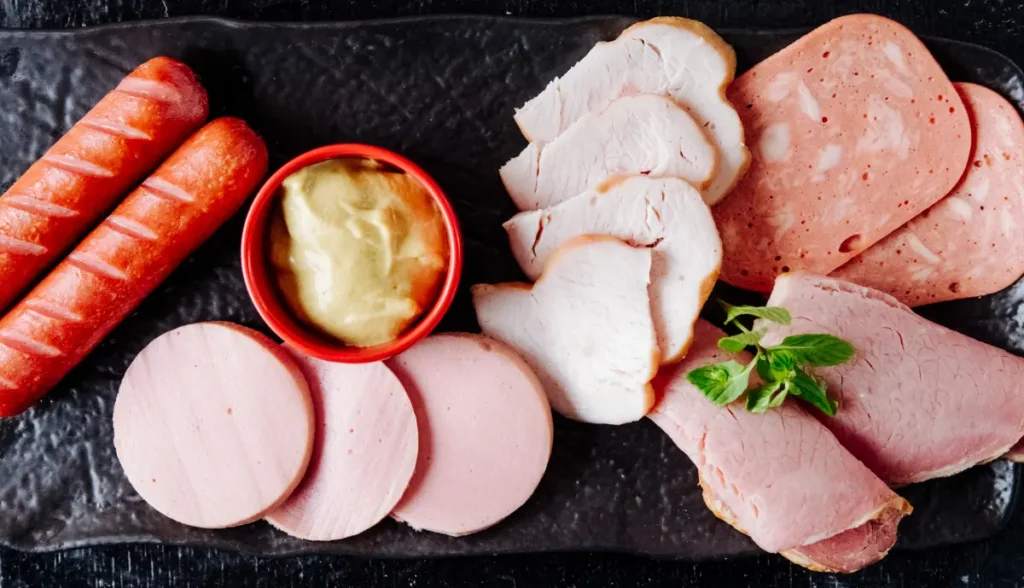
Processed meats represent a significant cardiovascular threat due to the high density of saturated fats and sodium, as well as the presence of chemical preservatives like nitrates. Clinical data suggests that consuming as little as 50 grams of processed meat daily roughly equivalent to two sausages or five slices of bacon is linked to a 42% increased risk of coronary heart disease and a 19% increased risk of diabetes.
| Meat Component | Physiological Impact | Clinical Consequence |
| Sodium (Salt) | Fluid retention / Blood volume increase | Acute hypertension |
| Saturated Fat | Elevated LDL cholesterol / Plaque instability | Myocardial Infarction |
| Nitrates/Nitrites | Endothelial dysfunction | Chronic vascular damage |
| Saturated Fat | Increased inflammation | Arterial plaque rupture |
In the short term, the high salt content causes an immediate increase in blood pressure as the kidneys retain water to balance the sodium concentration. This places extra strain on the myocardium, particularly in individuals with pre-existing hypertensive heart disease or heart failure.6
2. Refined Carbohydrates: Pancakes and Waffles
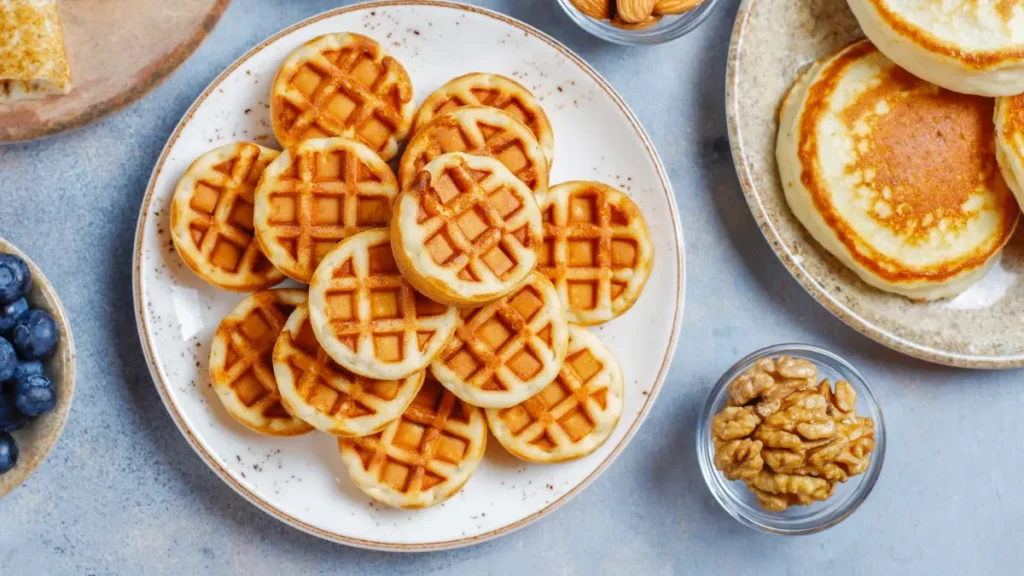
While pancakes are a holiday staple, those made with refined white flour lack the fiber necessary to modulate glucose absorption. The consumption of a “stack” of pancakes leads to a rapid spike in blood glucose, which triggers a massive release of insulin. High levels of insulin are inherently inflammatory and can lead to acute oxidative stress in the blood vessels.
This state is further compromised when these items are topped with butter and sugary syrups, creating a combination of high-fat and high-sugar intake that can quadruple the risk of a heart attack in the two hours following consumption.
3. High-Sugar Pastries (Muffins, Croissants, and Danish)

Pastries are described by cardiologists as a “triple threat” because they combine saturated fats (from butter and shortening), refined sugar, and often inflammatory food dyes or preservatives. The trans fats and saturated fats used in commercial pastries are the primary drivers of atherosclerosis, the process of plaque buildup in the arteries. For individuals over 60, regular consumption of these items can cause immediate heart strain, even before overt symptoms like dizziness or chest pain manifest.
4. Sugary Cereals and High-Calorie Granola
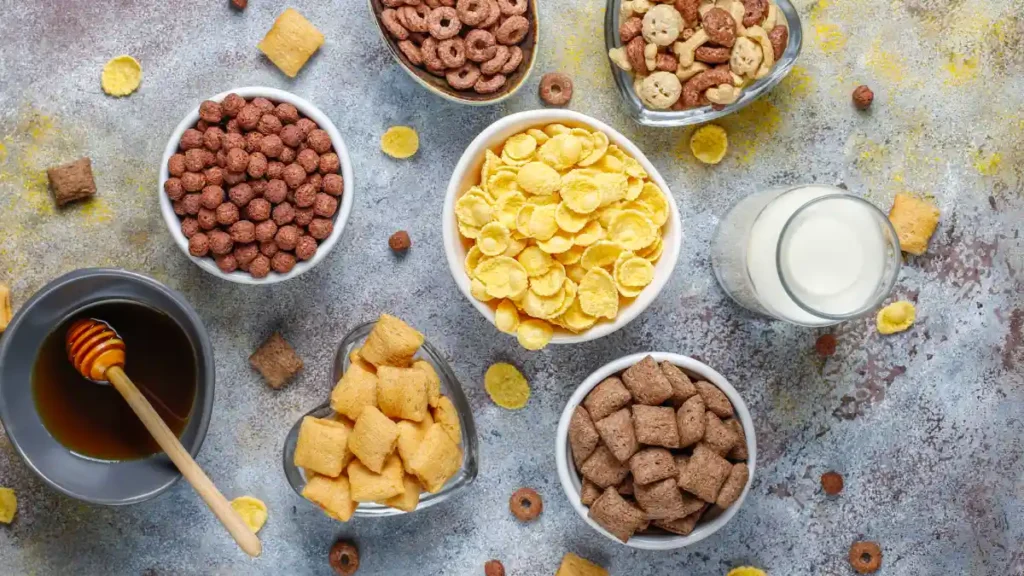
Many “festive” cereals contain upwards of 12 grams of added sugar per serving, often exceeding the 4-6 gram limit recommended for heart health. High sugar intake is not only a long-term risk for obesity and diabetes but also an acute trigger for inflammation and weight gain, both of which increase the heart’s workload.
Granola, despite its healthy reputation, is frequently bound with honey, syrups, and oils that contribute to elevated triglyceride levels, which can further destabilize arterial plaques during the holiday season.
5. Festive Alcoholic Beverages (Eggnog, Mimosas, and Spiked Coffee)

Alcohol is the primary catalyst for Holiday Heart Syndrome. The relationship between alcohol and atrial fibrillation is causal and dose-dependent. Research involving heart monitors and alcohol sensors demonstrated that people who consumed more than two drinks within a four-hour window were 3.5 times more likely to experience an AFib episode compared to those who did not drink.
| Drink Type | Primary Risk Factor | Heart Impact |
| Eggnog | High Fat + High Alcohol | Mechanical and Electrical strain |
| Mimosas | Sugar + Rapid Alcohol absorption | Glycemic spike and arrhythmia |
| Spiked Coffee | Caffeine + Alcohol | QTc prolongation |
Binge drinking, defined as four or more drinks for women and five or more for men, leads to a significant increase in the incidence of AFib within 12 to 36 hours of consumption. This explains why a Christmas Eve party often leads to a Christmas morning hospital visit.
6. High-Sodium Breakfast Casseroles and Gravies
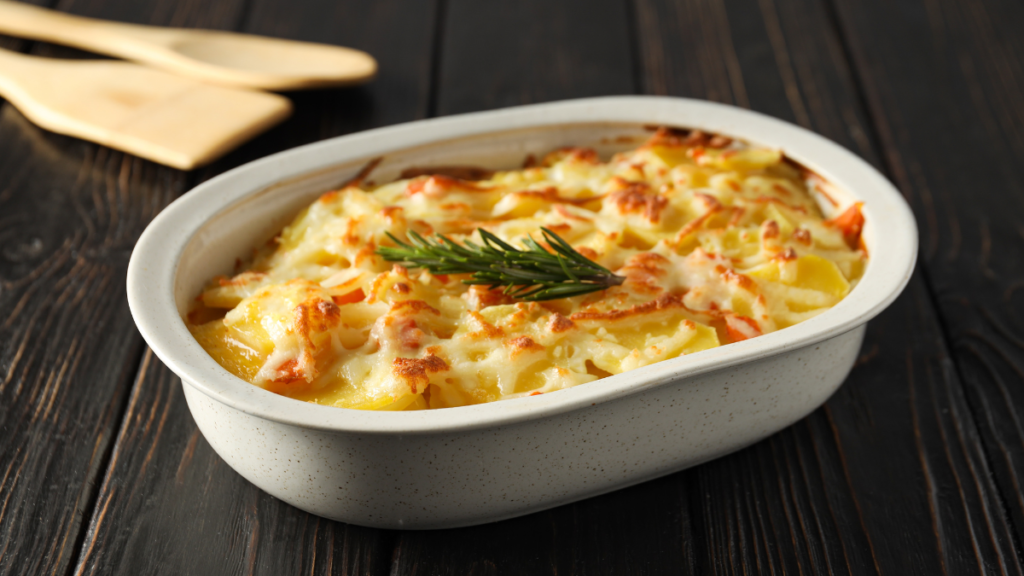
The traditional Christmas morning casserole often contains a combination of pre-packaged biscuits, processed cheese, and sausage, all of which are exceedingly high in sodium. A single serving can contain more than 1,000mg of sodium, nearly half of the recommended daily allowance (2,300mg) for healthy adults, and nearly the entire allowance for those with heart failure.
Excessive salt intake leads to fluid retention, causing the heart to pump harder and increasing the risk of decompensated heart failure a condition where the heart can no longer meet the body’s needs.
7. Excess Caffeine and Energy Drinks

While moderate coffee consumption is often safe, the use of energy drinks or multiple cups of highly caffeinated holiday coffee can be a potent trigger for arrhythmias. Caffeine stimulates the sympathetic nervous system, increasing heart rate and blood pressure. When combined with alcohol as is common in many holiday drinks the risk of rhythm disturbances increases, as both substances interfere with the heart’s electrical stability.
Conclusion
The Holiday Heart Crisis: By The Numbers
Understanding the cardiovascular risks during the festive season
Peak Risk Timeline During Holidays
The combination of rich foods, alcohol, emotional stress, and delayed medical care during holidays creates a ‘perfect storm’ for cardiovascular events. We consistently see a spike in emergency admissions that could be prevented with awareness and moderation.
Navigating the festive season doesn’t require avoiding celebrations, but it does demand a “Holiday Heart Alert” mindset of moderation and awareness. We have seen that the confluence of high-sodium Christmas morning foods, excessive alcohol, and environmental stressors creates a “perfect storm” that causes cardiac deaths to peak annually between December 25 and January 1. By recognizing the 7 perilous triggers from processed meats to the electrical disruption of binge drinking you can make informed substitutions that protect your heart’s rhythm.
As we look toward a healthy 2025, remember that even a single heavy meal can quadruple heart attack risk in the hours following consumption. Use this knowledge to choose heart-smart swaps, stay hydrated, and embrace the latest clinical insights, such as the moderate coffee benefits identified in the DECAF trial. Most importantly,
if you or a loved one experiences symptoms like chest pressure or sudden shortness of breath, do not delay care to “save the holiday” call 911 immediately, as timely intervention is the ultimate gift of life. Your heart health is the foundation for many more celebrations to come.