The most powerful laboratory for your cardiovascular health is not found in a hospital, but on your kitchen counter. For decades, we have viewed the kitchen through the lens of labor a place of chores, cleanup, and caloric calculations. However, as we move through 2025, a profound paradigm shift is underway. The “Food as Medicine” movement has evolved from a clinical suggestion into a lived reality, redefining the kitchen as a sanctuary of refuge rather than a site of work.
Despite this shift, many readers face a daunting “implementation gap.” When a doctor provides vague advice to “eat better,” it often triggers decision fatigue and implementation paralysis. The sheer volume of conflicting nutritional data can make a simple trip to the grocery store feel like navigating a minefield.
This article bridges that gap by exploring the intersection of mindfulness, cardiovascular physiology, and community-driven health. You will learn how the rhythmic act of cooking serves as a neurological reset, how specific 2025 nutritional staples act as internal mechanics for your arteries, and how the shared table remains our most effective defense against the loneliness that breaks the heart.
Section I: The Psychological Foundation of Mindfulness and Flow
Culinary Therapy: The Science of Mindful Cooking
Active sensory engagement (5-4-3-2-1) forces the brain into the present moment.
In 2025, the medical community has officially recognized “moving meditation” as a vital clinical tool. At the center of this practice is the kitchen. While we often focus on what we eat, the way we prepare it has a direct impact on our nervous system. Engaging in culinary tasks allows us to enter a state of Flow a psychological concept popularized by Mihaly Csikszentmihalyi where the challenge of the task perfectly matches our skill level, causing time to dissolve and stress to recede.
The 5-4-3-2-1 Sensory Grounding Technique
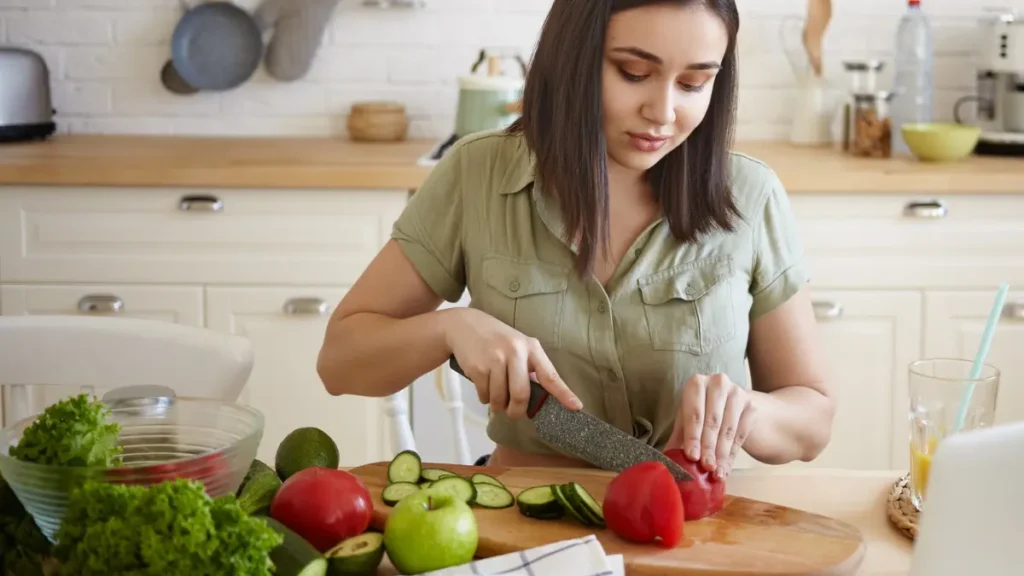
To transform cooking from a chore into a meditation, practitioners are now using the 5-4-3-2-1 technique specifically adapted for the kitchen:
- 5 things you see: The vibrant gradient of a bell pepper, the steam rising from a pot.
- 4 things you feel: The cool weight of a chef’s knife, the grit of sea salt, the heat of the stove.
- 3 things you hear: The rhythmic thwack of the blade, the sizzle of garlic in oil, the hum of the fridge.
- 2 things you smell: The earthy scent of fresh rosemary, the sharpness of citrus.
- 1 thing you taste: A single micro-dose of the sauce to check for seasoning.
This sensory engagement acts as a “circuit breaker” for anxiety. Statistics show that 71% of adults find cooking more stress-relieving than stressful when approached with this mindset. Furthermore, the inherent structure of a recipe provides a sense of agency and control a powerful antidote in a chaotic world.
Section II: The Physiological Engine of Cardiovascular Resilience
Transitioning from the mind to the body, culinary medicine serves as the “physiological engine” for heart health. In 2025, the focus has shifted from restrictive dieting to proactive inclusion. We are no longer just “cutting out” salt; we are strategically adding compounds that repair the endothelium (the lining of the blood vessels).
The 2025 Unsung Hero: Psyllium Husk
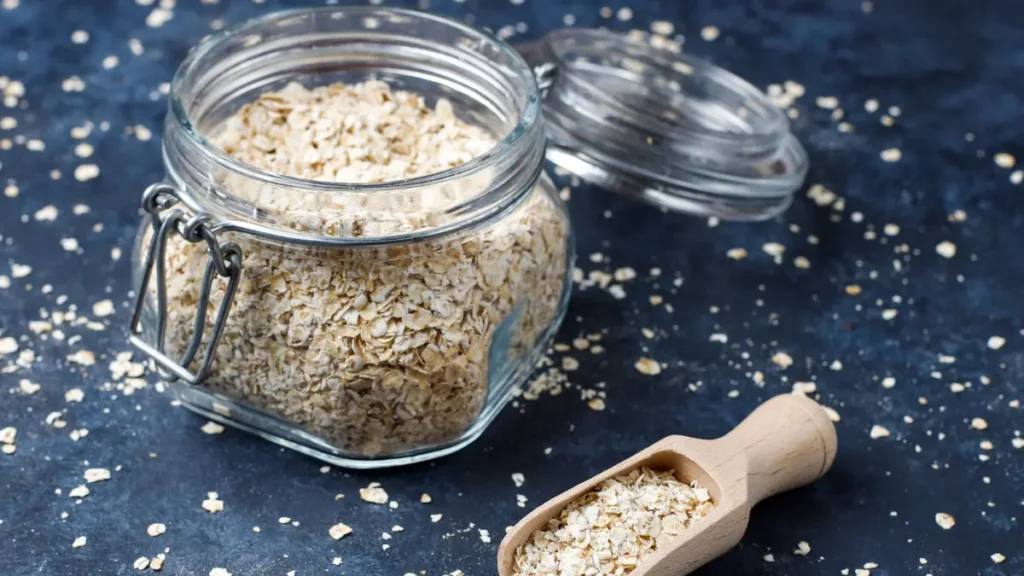
While fiber has always been important, Psyllium husk has emerged as the “unsung hero” of 2025 cardiovascular management. Research from institutions like the Mayo Clinic highlights its unique ability to form a gel-like substance that “mops up” LDL cholesterol in the digestive tract before it can enter the bloodstream. Integrating just one tablespoon into daily rituals perhaps in a morning bake or a smoothie can significantly move the needle on lipid panels.
The War on Ultra-Processed Foods (UPFs)
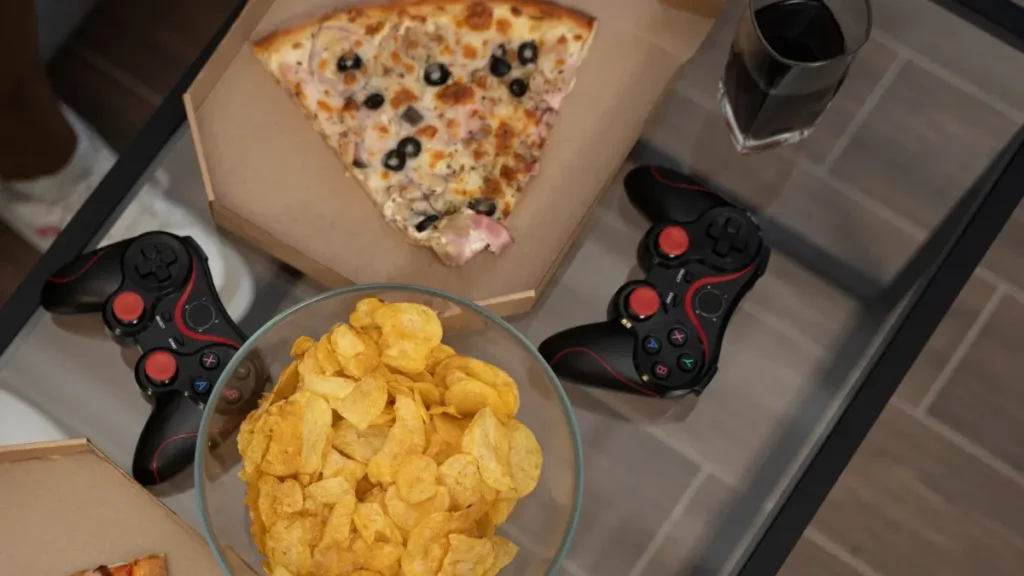
The clinical data in 2025 is staggering: high consumption of ultra-processed foods is linked to a 48% increased risk of anxiety and a 22% increased risk of depression, alongside their well-documented damage to the heart. UPFs trigger systemic inflammation, which stiffens arteries. By shifting to “scratch” cooking, even if it’s just one meal a day, you are removing the industrial emulsifiers and hidden sodium that drive hypertension.
Section III: The Social Glue of Connection and the Shared Table
Heart disease is often a lonely journey, but the kitchen provides the “social glue” necessary for recovery. Organizations like the Vetri Community Partnership have demonstrated that when we cook together, we build resilience.
The rise of “virtual dinners” in 2025 has allowed those living alone to maintain social support networks, reducing the inflammatory markers associated with isolation. Furthermore, initiatives like “My Daughter’s Kitchen” emphasize that scratch cooking doesn’t have to be expensive. By mastering “meal repeating” such as the predictable joy of a “Taco Tuesday” families create a sense of ritual that increases perceptions of social support by 65%.
Section IV: The 2025 Digital and Clinical Toolki
Practicality is the final piece of the puzzle. We now have access to a sophisticated toolkit that makes “Food as Medicine” accessible to everyone, regardless of budget or tech-savviness.
AI and Personalization
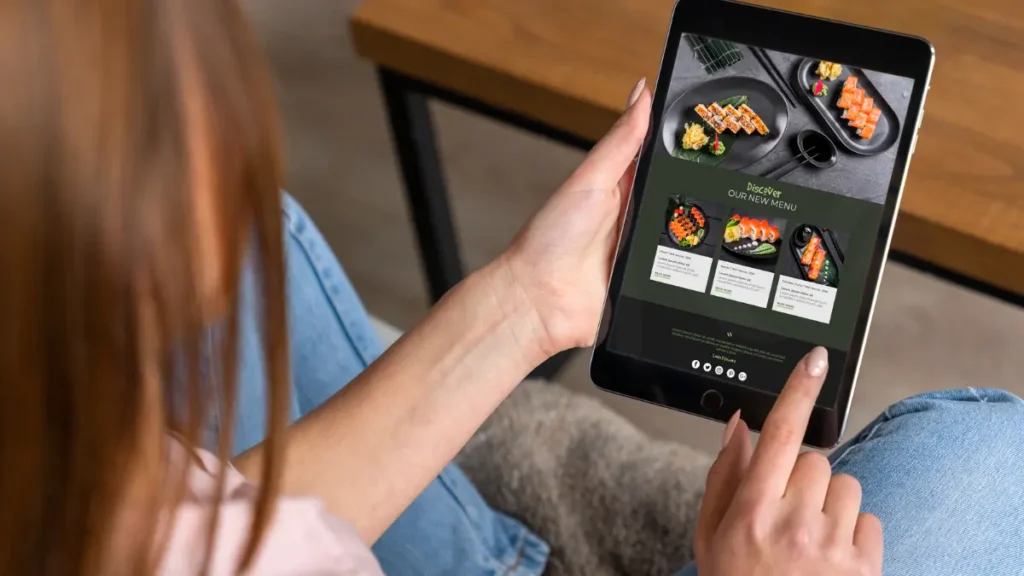
AI meal planning apps like Ollie and Eat This Much have revolutionized adherence. These tools don’t just give recipes; they sync with your grocery store’s inventory and your specific cardiovascular markers to create a path of least resistance. Users of these apps report a 58% increase in nutrition goal adherence.
The “Produce Rx” Revolution
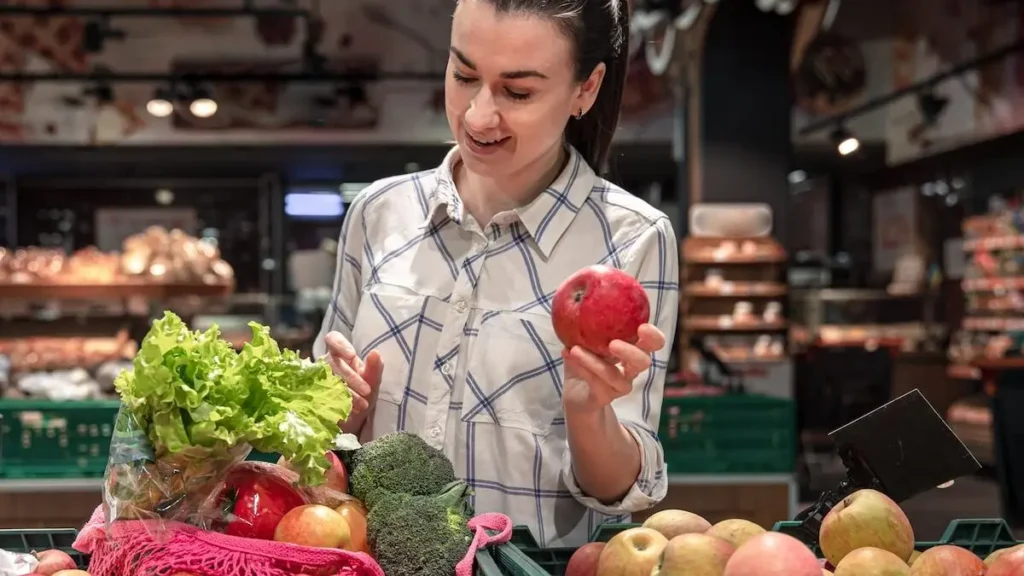
Perhaps the most significant policy shift is the widespread adoption of Produce Prescriptions (Produce Rx). Through Medicaid and various private providers, doctors can now “prescribe” fresh fruits and vegetables, which function as vouchers at local markets. When paired with the American Heart Association’s “Heart-Check” certification, the grocery store transforms from a place of confusion into a clinical pharmacy.
| Tool | Primary Benefit | Best For |
| Ollie / Eat This Much | Automated meal planning | Overcoming decision fatigue |
| Produce Rx | Financial subsidies for fresh food | Budget-conscious health |
| Heart-Check Mark | Instant nutritional verification | Quick grocery decisions |
Conclusion:
Prescription: The Kitchen Intervention
| Factor | Ultra-Processed Choice | Culinary Medicine Choice |
|---|---|---|
| Inflammatory Response | High | Reduced |
| Blood Sugar Stability | Erratic | Controlled |
| Cortisol (Stress) | Elevated | Lowered |
- The Single Vegetable Task: Focus entirely on the texture and sound of chopping one item.
- The Walnut Swap: Replace a sodium-heavy snack with 7 walnuts (rich in Omega-3s).
- The Water Ritual: Squeeze fresh lemon into water to reset your palate.
Culinary medicine is the ultimate synthesis of science, soul, and survival. It reminds us that our health is not a passive outcome determined solely by genetics or luck, but a daily practice a series of small, mindful choices made with a knife and a cutting board. By reclaiming the kitchen, you aren’t just making dinner; you are performing a clinical intervention on your own behalf.
Today, don’t worry about a total lifestyle overhaul. Simply choose one 5-minute mindful task. Perhaps it’s the rhythmic chopping of a single carrot or swapping a salty snack for a handful of walnuts. This is how cooking becomes your heart’s medicine.