
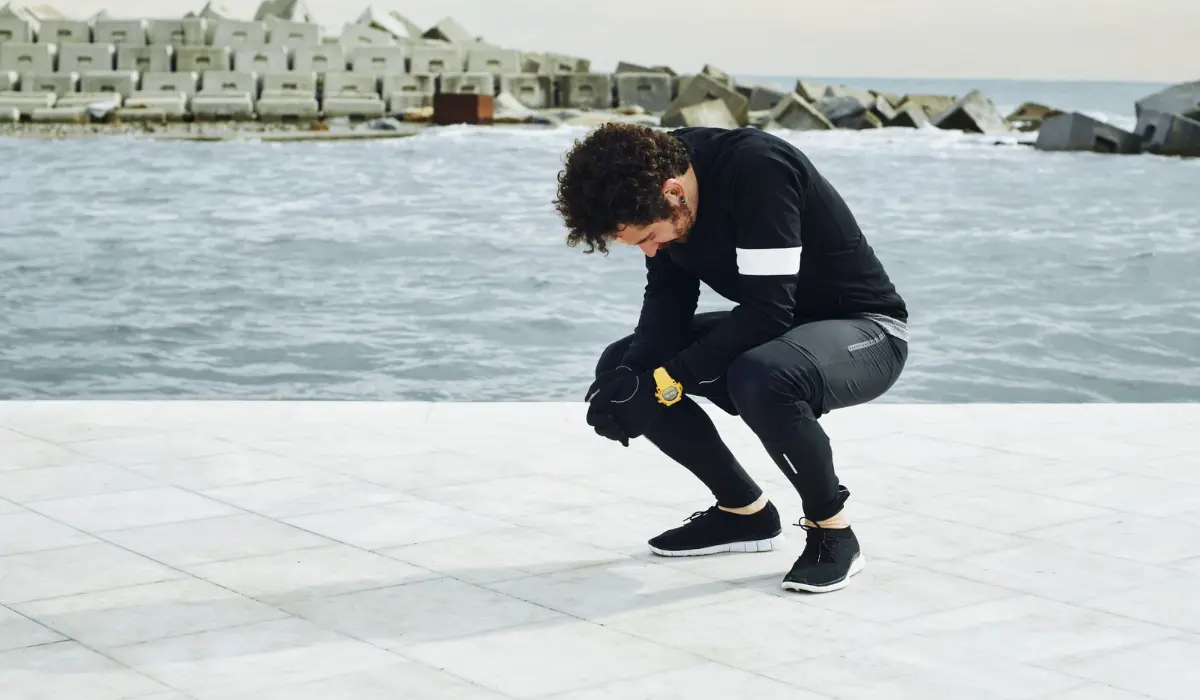
Walking is often hailed as the perfect exercise. It’s accessible, free, and vital for longevity. In 2026, biomechanics experts are sounding the alarm that most people are unknowingly walking in a way that breaks their forward progress and systematically batters their cartilage. The culprit is a subtle but destructive walking mistake, overstriding.
Feels natural to take longer steps when you want to move faster; this habit transforms a low impact activity into a high impact hazard. Gliding, you are essentially slamming a heel brake into the pavement with every step. Over time, this increased impact force degrades the cushioning in your knees and hips, leading to chronic inflammation and wear and tear symptoms.
Heel brake, why this habit effectively turns off your most important stabilizing muscles, and the updated protocol for a sustainable, joint health focused gait. It’s time to stop fighting the ground and start moving with it.
The Science of Overstriding: Why Your Knees Feel the “Brake”
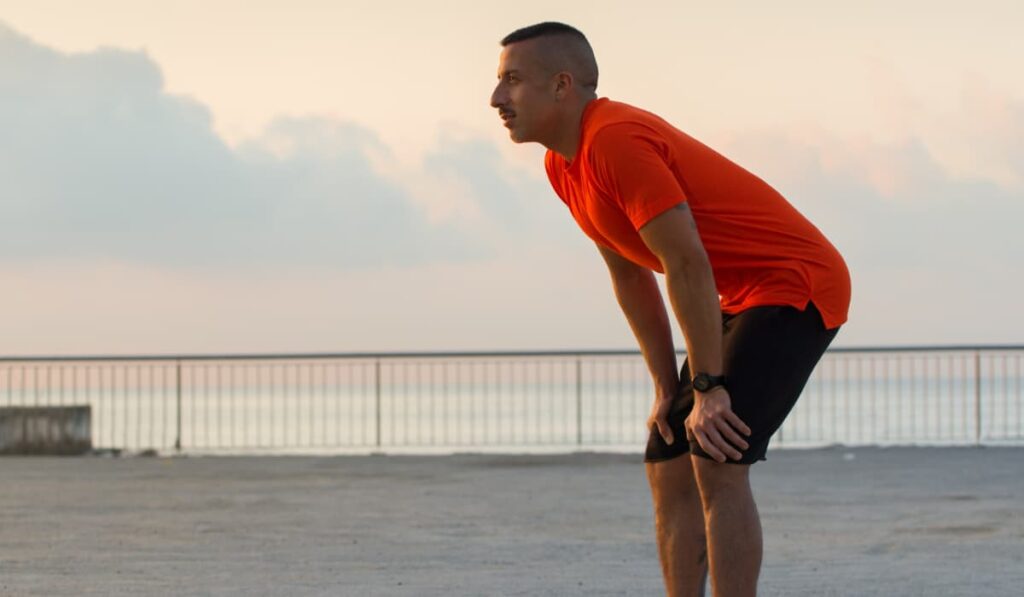
To understand why overstriding is the ultimate walking mistake for joints, we must look at the physics of the Straight Leg Impact. When you reach your foot too far in front of your body, your heel strike occurs well ahead of your center of gravity. At this moment, your knee is usually locked in a straight position. Biomechanics researchers at the Spaulding National Running Center have highlighted that this position creates a significant braking force.
Because your leg is angled forward upon impact, the ground sends a horizontal energy wave backward against your momentum. This doesn’t just slow you down; it forces your leg to act as a stiff, unyielding pillar. Ground reaction forces GRF show that overstriding can increase the shock sent through your limb by up to 12% per step compared to a neutral stride.
Without a slightly bent knee to act as a spring, that shock travels in a violent chain reaction. The heel jars the ankle. The force bypasses dormant muscles and slams into the knee joint. The impact continues up to the hip socket and finally settles in the lower back. When you consider that the average walker takes several thousand steps a day, that 12% increase in force becomes a massive cumulative debt paid by your joints.
Actionable Steps to Fix Your Stride Today

Overstriding, you must shift your focus from reaching with your front leg to pushing with your back leg. Use these three cues to recalibrate your mechanic. Increase Cadence, Not Length: The 10% Rule. Try to cover more ground with one big step, take more frequent, smaller steps. Aim to increase your walking cadence by roughly 10%.
If you currently take 100 steps per minute, try hitting 110. This naturally forces your foot to land closer to your center of gravity, eliminating the brake. The Soft Knee Landing focuses on keeping a 5 to 10 degree micro bend in your leading knee as your foot meets the ground. This soft landing allows your quadriceps and calves to catch your weight like a shock absorber, rather than letting your bones take the hit.
The Glute Push Most overstriders pull themselves forward using their hip flexors. Glute engagement. Think about pushing the ground away behind you with your trailing foot. You wouldn’t slam your heel down; you would keep your steps light, quick, and positioned directly underneath your hips.
The Warning Signs: How to Tell if You’re Overstriding
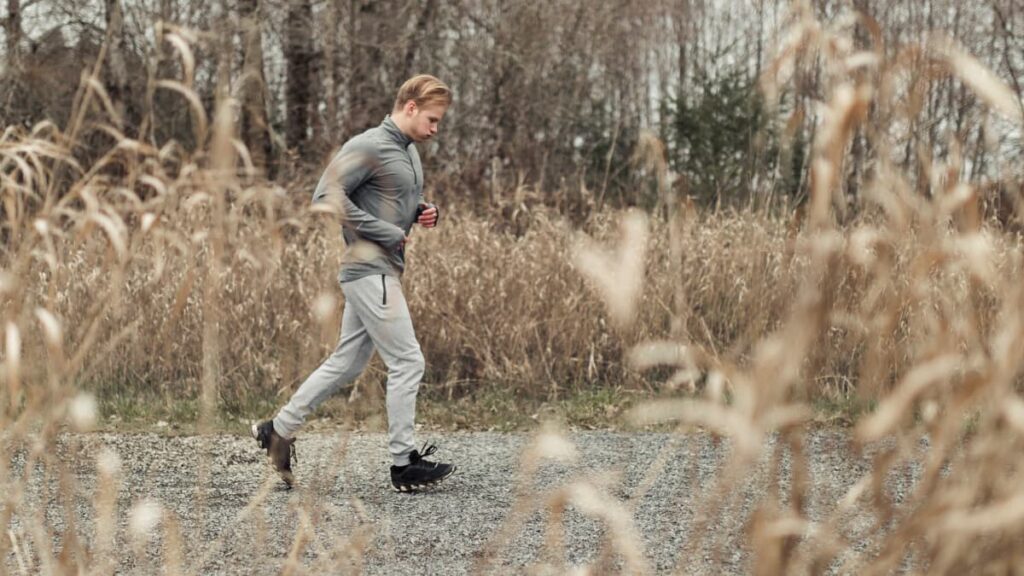
Before the pain starts, your body gives off acoustic and sensory clues. If any of these, you are likely making this common mistake: The Loud Step: If your footfalls make a heavy thwack or clack sound on the pavement, you are losing energy into the ground rather than using it to move forward.
The Shin Splint Burn Overstriding forces the muscles on the front of your leg, the tibialis anterior, to work overtime to keep your toes from flopping down after the heel hits. Premature Fatigue in the Lower Back. If your back feels tight after just 15 minutes, it’s likely because your spine is absorbing the shock your legs were meant to handle.
Treadmill vs. Pavement: Does the Surface Mask the Mistake?

Many people find they overstride more on a treadmill. Because the belt pulls your foot backward, it can trick your brain into thinking you need to reach further forward to stay in place. The Treadmill Trap moving belt does some of the push off work for you, which can cause your glutes to become lazy and your stride to elongate unnaturally.
The Outdoor Advantage walking on natural terrain, dirt, gravel, or grass provides better proprioceptive. Your brain naturally shortens your stride on uneven ground to maintain balance. This is a built in safety mechanism for your joints.
Beyond the Stride: Supporting Factors for Pain-Free Miles
🚶 Joint-Friendly Walking Tips
Replace shoes after 300-500 miles to maintain foam integrity and protect your joints.
Concrete is 10x harder than asphalt. Mix surfaces to reduce joint impact.
Improving your form is the priority, but these joint friendly walking tips ensure your body can handle the miles.
The Shoe Factor & The 6 Month Rule
Your shoes are your primary defense against concrete, footwear has a shelf life. Biomechanics researchers suggest that the internal foam, even if the tread looks fine pically loses its structural integrity after 300 500 miles.
For a daily walker, this translates to a 6 month replacement rule. Additionally, look for shoes with a moderate heel drop, the height difference between the heel and toe, to prevent excessive heel striking.
Surface Awareness: Concrete vs. The World
Concrete is roughly 10 times harder than asphalt and infinitely less forgiving than a dirt path. To protect your joint health, vary your terrain. Even shifting your walk to the asphalt edge of a road, where safe, or a local park trail can reduce the cumulative peak impact on your cartilage significantly.
The “String Theory” Posture: Aligning Your Kinetic Chain

Your joints suffer when your posture collapses. Use the String Theory technique: visualize a silk string attached to the crown of your head, gently pulling you toward the sky. This aligns your ears over your shoulders and your shoulders over your hips. This vertical alignment prevents the pelvic tilt that occurs when you lean too far forward, which is a major contributor to lower back strain during long walks.
Conclusion:
Correcting the most common walking mistake for joints isn’t about walking less; it’s about walking with mechanical integrity. By shortening your stride, increasing your cadence, and landing with a soft knee, you shift the burden of movement from your fragile cartilage to your powerful muscles. Your joints have a limited budget of high impact strikes. Don’t waste them on a stride that works against you.