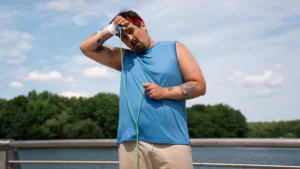

You’re struggling to focus at your desk. A dull headache is forming, and you’re tired despite sleeping well. The culprit might be just 2% dehydration
Losing 2% of your body water, 3 pounds for a 150 pound person, triggers measurable changes in your brain, muscles, and heart. This isn’t severe dehydration with obvious symptoms. It’s mild dehydration that sabotages performance silently.
What 2% Dehydration Mean?

Two percent dehydration equals 2% of total body water loss. For a 150 pound person, that’s 3 pounds. For a 180 pound person, 3.6 pounds. This happens fast. During exercise, you reach 2% dehydration in 90 minutes without water. Even at your desk, 3 to 4 hours without fluids gets you there.
Research shows most people tolerate 3 to 4% loss without difficulty, but changes begin at 1-2%. Here’s the problem: thirst isn’t reliable. By the time you feel thirsty, you’re already 1-2% dehydrated. The Mayo Clinic confirms adults lose over 80 ounces daily, and most don’t replace it.
Your Brain at 2% Dehydration
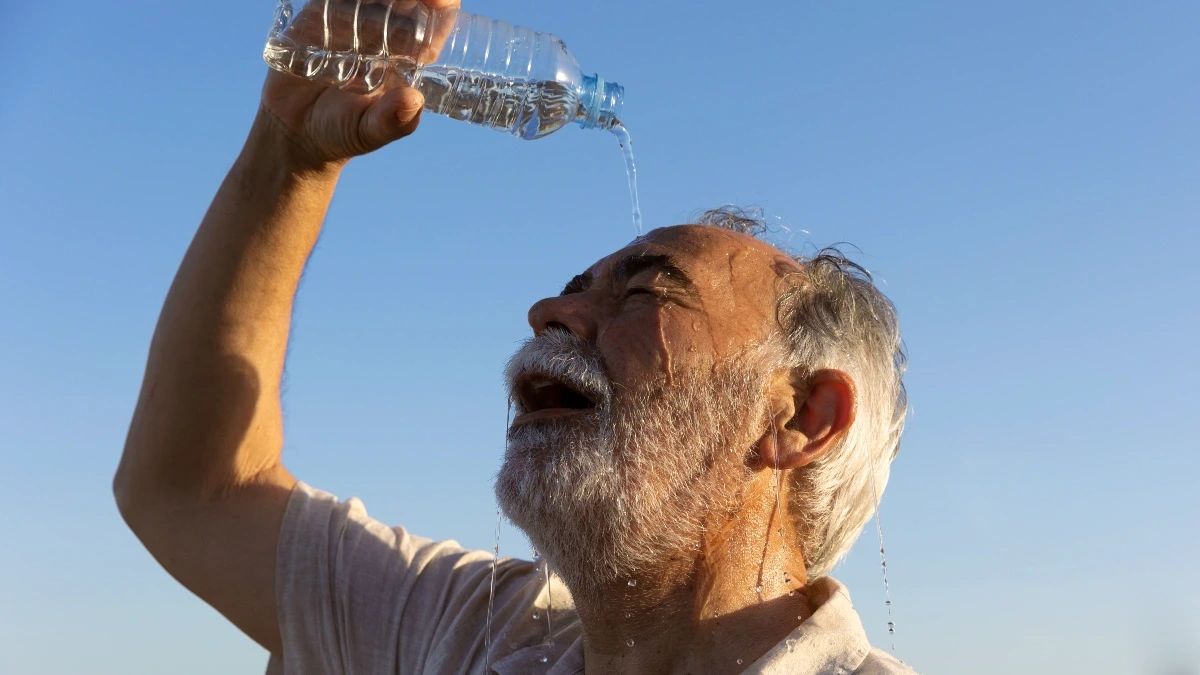
Your brain is 75 to 85% water, making it vulnerable to fluid loss. Studies show 2% dehydration impairs attention, psychomotor skills, and immediate memory. Just 1% dehydration causes a 5% cognitive function decrease. At 2%, you experience memory loss and calculation trouble. Your brain tissue contracts, pulling away from your skull.
Brain imaging shows your brain works harder for the same results. Real impacts, Tasks requiring concentration become 20% harder. Reaction times are slow. Short term memory fails. Anxiety, irritability, and fatigue increase. Elevated cortisol during dehydration lowers memory and processing speed, creating stress when nothing stressful is happening.
Why Your Head Hurts?

The headache creeps in around 3 PM. It starts as a dull pressure at the temples, then spreads across the forehead. Tilting the head back makes the pain intensify. Bending forward to grab a bag makes it pound harder. Most people assume it’s tension from staring at screens. They don’t realize their brain tissue is contracting, literally pulling away from the skull, creating traction on pain sensitive membranes and blood vessels.
Research shows this pain occurs at the front, back, or all over the head, worsens with movement, and resolves in one to two hours after drinking 16 to 32 ounces of water. The instinct is to reach for ibuprofen. Harvard Medical School notes dehydration triggers or worsens migraines through heightened pain sensitivity. Many people discover from their doctors that half their migraines could be prevented by drinking water consistently.
Your Heart Works Overtime

Halfway through a gym workout, the heart is pounding harder than usual. Same routine as last week, same weights, same exercises, but something feels off. The fitness tracker shows 155 beats per minute. Last week at this point? 135 beats per minute. At 2% dehydration, blood becomes thicker, more viscous. The heart pumps harder just to move it through the vessels. Heart rate increases approximately 10 beats per minute for each 1% of body weight lost.
At 2% dehydration, that’s 20 extra beats per minute just to maintain normal blood flow. Johns Hopkins Medicine notes the cascading changes. Reduced stroke volume: less blood pumped per heartbeat. Decreased cardiac output lowers overall pumping capacity. Lower blood pressure: dizziness when standing up quickly. Reduced oxygen delivery overwhelming fatigue during normal activities.
Standing up from the bench press brings a wave of lightheadedness. The blood pressure has dropped from reduced blood volume. The dizziness passes after a moment, but it’s a warning sign being ignored. This isn’t a bad workout day. It’s a cardiovascular system struggling against dehydration.
Hidden Warning Signs

Your pee is dark yellow. It should be pale or light colored. If you haven’t used the bathroom in over four hours, that’s a warning sign. Your mouth and lips feel dry. You feel dizzy when you stand up. You’re having trouble focusing or thinking clearly. You feel cranky for no real reason.
You’re more tired than you should be. You have a mild headache. You feel thirsty, though this means you’re already dehydrated. These symptoms usually mean you’re about 2% dehydrated. The fix is simple: drink more water.
High Risk Groups
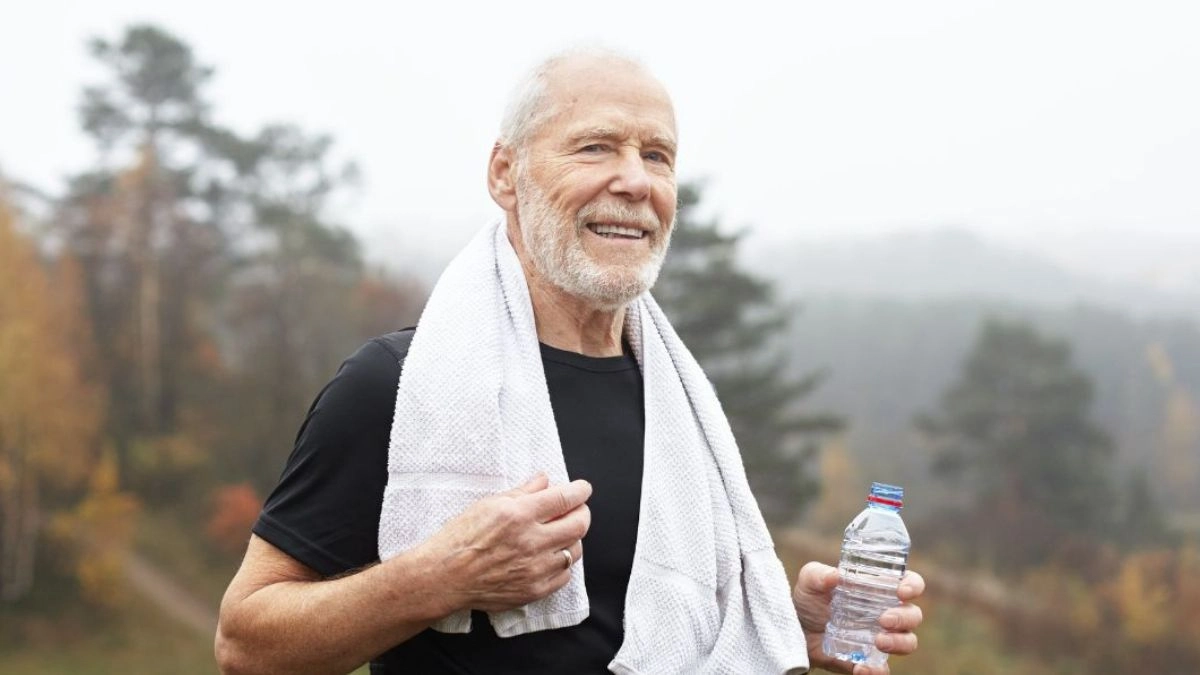
Athletes lose fluids rapidly. Research shows many start competitions already dehydrated. Older adults have lower fluid reserves and diminished thirst. Clinical data show 17 to 28% of U.S. older adults are dehydrated. Children, outdoor workers, office workers, those with chronic illnesses, people on certain medications, and frequent travelers also face a higher risk.
How Fast Does It Happen?

Your body loses water at different rates depending on what you’re doing. During exercise, you can become dehydrated in about 90 minutes. In hot weather, it takes around 2 to 3 hours. When you’re flying, the dry cabin air can dehydrate you in 2 to 4 hours. On a normal day, going 3 to 4 hours without drinking anything can cause dehydration.
If you’re sick, it can happen even faster; sometimes in just a few hours. The important thing to understand is that prevention is better than trying to fix dehydration after it happens. By the time you notice symptoms, you’ve already been functioning below your best for a while.
Evidence-Based Hydration
Hydration Hero
Daily baseline, 74 ounces for women, 101 ounces for men, Institute of Medicine. Before exercise, 16 to 20 ounces, 2 hours prior. During activity, 8 ounces every 15 to 20 minutes. After exercise, 16 to 24 ounces per pound lost. Daily habits: A glass of water before morning coffee.
Keep water visible. Monitor urine color, aiming for pale yellow. Eat water-rich foods watermelon, cucumbers, and oranges. Adjust for conditions: heat, exercise, travel. Tie drinking to routines, waking, and before meals.
Start Now
Two percent dehydration changes how your brain thinks, your heart pumps, and your muscles work. The fog, headache, and fatigue you feel might simply be your body needing water. Check urine color. Keep water accessible. Drink before feeling thirsty.
Your brain and muscles are both 75% water. Neglecting hydration neglects what makes everything possible.
Pour water now. Notice how you feel in 30 minutes.