

You’re eating the same, moving the same, and following the same rules that worked in your 20s, yet your jeans are getting tighter, specifically around the middle. For many, the years following the age 35 mark a period of metabolic recalibration. This isn’t just a side effect of getting older.
Profound shift in how your body processes energy. As your primary sex hormones begin to fluctuate and decline, they change the signal to your fat cells. This leads to a slow metabolism and the accumulation of visceral fat, the dangerous, deep belly fat that resists traditional eat less, move more advice.
Weight, you have to do the chemistry. In this guide, we will dive into the Big 5 hormones responsible for hormonal weight gain after 35 and provide the updated 2025 protocols from anabolic resistance repair to circadian alignment, designed to help you reclaim your metabolic health.
The Estrogen & Testosterone Decline: Why Fat Moves to the Belly
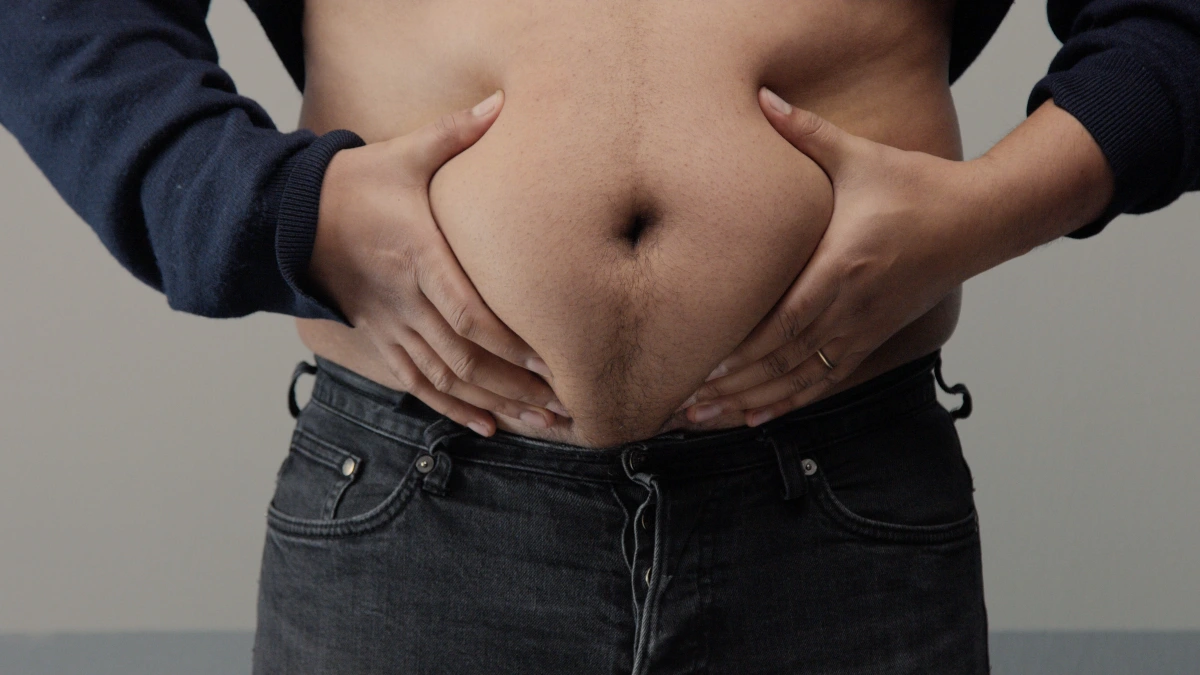
The most frustrating aspect of midlife weight gain is not just the scale, but the redistribution of weight. In women, the transition into perimenopause involves a decline in estradiol. Estrogen directs fat storage toward the hips and thighs, the gynoid or pear shape, to support reproductive health. As estradiol drops, the body’s fat-storage receptors shift toward the abdomen or the apple shape.
Men face a parallel hormonal cliff. Data from the Mayo Clinic highlights that men’s testosterone levels drop by roughly 1% to 2% annually starting. Since testosterone is the primary driver of muscle protein synthesis, its decline leads to sarcopenia, the involuntary loss of muscle. Because muscle is the body’s most metabolically active tissue, losing it causes your calorie burning engine to stall.
Recent findings from the SWAN, Study of Women’s Health Across the Nation, indicate that women gain an average of 1.5 pounds per year during the menopausal transition regardless of their activity levels. Furthermore, early perimenopause often brings estrogen dominance, where progesterone levels crash faster than estrogen, leading to systemic inflammation, severe water retention, and that persistent thick feeling around the waist.
The Silent Saboteur: Insulin Resistance After 35

While sex hormones change your shape, insulin dictates your size. After 35, the body often enters a state of anabolic resistance. This means your muscle cells become “deaf” to the signals of insulin and protein. When you eat carbohydrates, instead of that energy being ushered into your muscles for fuel, it is diverted by insulin into your fat cells for storage.
As sex hormones decline, insulin sensitivity naturally decreases. This creates a vicious cycle: high insulin levels prevent the body from breaking down stored fat (lipolysis), making you feel sluggish and constantly hungry.
This is often the biological root of the 3 PM energy crash. Beyond the scale, look for insulin skin darkened, velvety patches in skin folds known as acanthosis nigricans and intense sugar cravings that hit shortly after a meal.
The 2025 IDF, International Diabetes Federation Global Recommendations, now move away from simple fasting glucose tests, emphasizing glycemic variability instead. The 2025 approach focuses on flattening the glucose curve using food sequencing, eating fiber and protein before carbohydrates, to prevent the insulin spikes that lock fat in place.
Cortisol and the Stress Belly Connection

In your late 30s and 40s, life stress often peaks. When your brain perceives chronic stress, the adrenal glands pump out cortisol. While essential for the fight or flight response, chronically high cortisol acts as a signal to the liver to release glucose for quick energy.
If you aren’t physically using that energy to fight a predator, insulin rises to mop up that glucose, depositing it directly as visceral fat in the abdomen. 2025 is trying to cortisol with high intensity interval training HIIT. While HIIT is great for younger metabolisms, doing it five days a week after 35 can keep cortisol levels permanently elevated.
Experts like Dr. Stacy Sims have noted that for women in midlife, “chronic cardio” can actually lead to muscle wasting and a total metabolic shutdown. The stress belly is often a sign that your body needs more recovery and heavy lifting, rather than more treadmill time.
2026 Action Plan: Reversing the Shift
To reverse the hormonal stickiness of weight after 35, your strategy must pivot from deprivation to nourishment and signal. The Protein Priority to combat anabolic resistance, the 2025 clinical gold standard is 1.2g to 1.6g of protein per kilogram of body weight.
This ensures you are providing enough leucine, an amino acid to signals the muscles to stay active and burn fat. Strength Over Cardio prioritizes heavy resistance training 3 days a week. Unlike cardio, which burns calories only while you move, lifting weights creates afterburn and improves insulin sensitivity for up to 48 hours after you leave the gym.
Circadian Eating instead of extreme 24-hour fasts, use a 12hour Circadian Window. Eating only during daylight hours aligns with your body’s natural insulin sensitivity, which is highest in the morning and lowest at night.
Conclusion
Hormonal weight gain after 35 is a biological reality, but it isn’t a life sentence. It is simply a signal that your body’s operating system has changed. By switching your focus from calorie counting to hormone balancing, prioritizing protein, lifting heavy, and managing cortisol, you can effectively unlock your fat stores.
Consider consulting a functional medicine practitioner for a full panel, including TSH, Free T3, and Estradiol. Taking a personalized, data driven approach is the ultimate key to managing hormonal weight gain after 35 and thriving in your second act.