

Why does the sandwich you’ve eaten for lunch for ten years suddenly feel like it’s sticking to your midsection? If you’re over 40, the answer isn’t just “getting older”it’s biological. After 40, your “margin for error” shrinks significantly. Natural muscle loss, known as sarcopenia, begins to accelerate, reducing the number of calories your body burns at rest.
Simultaneously, hormonal shifts like declining estrogen in women or testosterone in men change how your body responds to metabolic health triggers.
The result? Your body becomes less efficient at managing insulin sensitivity, meaning that “healthy” oatmeal or turkey sub now causes more fat storage than it did a decade ago. In this guide, you’ll learn why these 7 specific meals trigger inflammation and how to make the simple, actionable swaps needed for nutrition over 40. It’s time to stop fighting your biology and start fueling your new metabolism.
1. The “Healthy” Deli Sandwich (High Sodium & Nitrates)
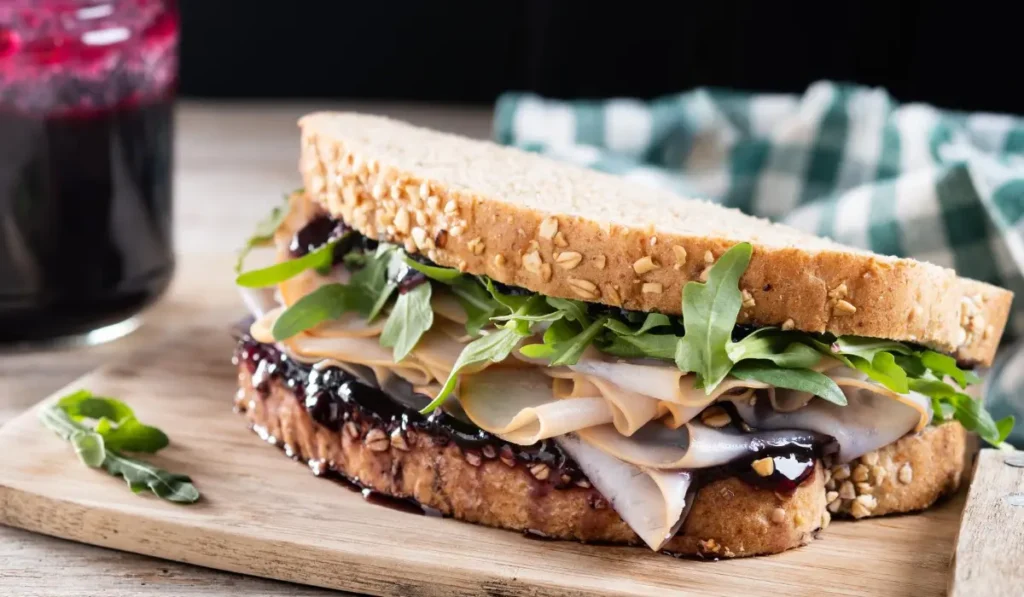
The classic turkey sandwich on whole wheat bread is often seen as the ultimate “clean” lunch. However, for those over 40, this is a recipe for stubborn bloating and hypertension. According to the American Heart Association, over 70% of the sodium in the average diet comes from processed foods and restaurant meals not the salt shaker.
Why it hurts you now: As we age, our kidneys become less efficient at processing excess sodium. The high salt content in deli meats and commercial bread causes significant fluid retention (edema), which can make you feel five pounds heavier by evening. Furthermore, the nitrates used to preserve these meats are linked to systemic inflammation, which can worsen joint pain.
The 2026 Upgrade: Swap deli slices for leftover grilled chicken breast or canned wild salmon. Use a lettuce wrap or a single slice of sprouted grain bread to reduce the “sodium bomb” effect.
2. Sugary Breakfast Cereals & “Protein” Bars
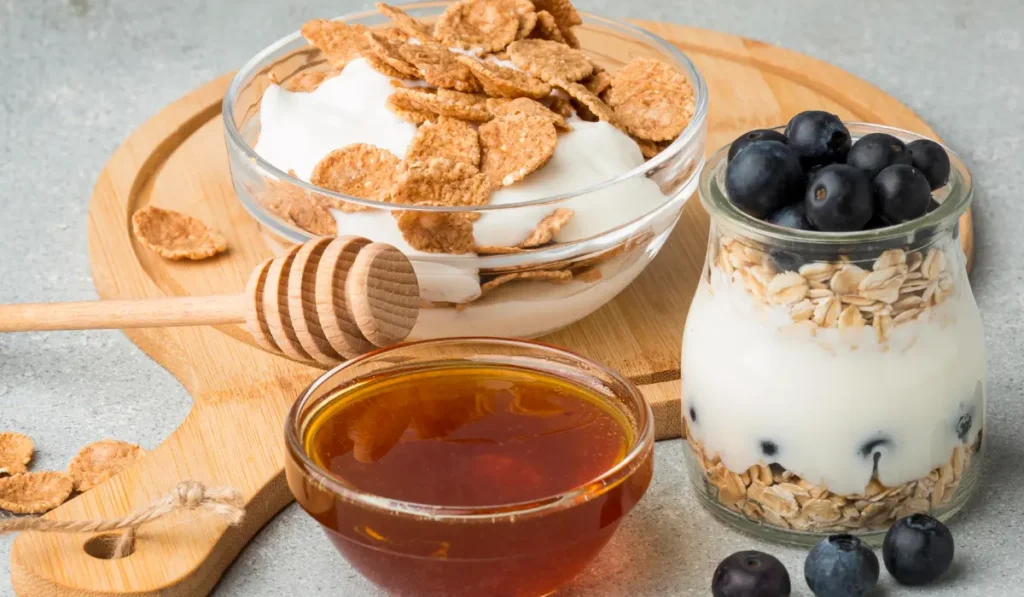
Starting your day with a bowl of cereal or a “grab and go” protein bar is a metabolic disaster. Even “organic” or “high-fiber” versions are often loaded with hidden sugars that cause massive blood sugar spikes before 9:00 AM.
Why it hurts you now: Biochemist Jessie Inchauspé (the “Glucose Goddess”) explains that spiking your glucose first thing in the morning sets you on a “glucose roller coaster.” For the 40+ demographic, this leads to increased insulin resistance. When insulin levels stay high, your body physically cannot tap into stored body fat for energy. You end up tired, hungry by 11:00 AM, and prone to “brain fog.”
The 2026 Upgrade: Prioritize “Savory First.” Start your day with 30g of protein (like eggs or Greek yogurt) to flatten your glucose curve and protect your metabolic health.
3. White Pasta Dinner (Refined Carbohydrates)
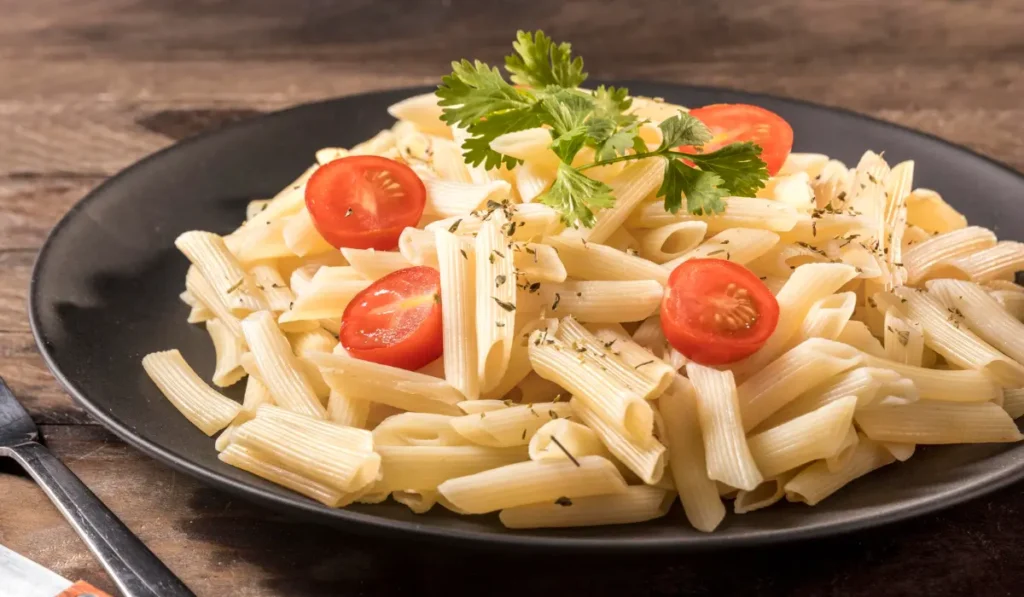
A big bowl of pasta is the ultimate comfort food, but after 40, your body treats refined carbs like pure sugar. Without the “matrix” of fiber, white flour is broken down almost instantly in the small intestine.
Why it hurts you now: The Mayo Clinic emphasizes that fiber is essential for gut health, which tends to decline as we age. Most adults over 40 need 25-30g of fiber daily, yet a pasta dinner offers almost none. This lack of fiber leads to “dysbiosis” an imbalance of gut bacteria which has been linked to increased visceral (belly) fat.
The 2026 Upgrade: Switch to chickpea pasta or “zoodles” (zucchini noodles). If you must have grain, choose al dente farro or black rice, which have the fiber structure intact to prevent insulin spikes.
4. The “Liquid Meal” (Fruit Smoothies & Sodas)

Many people over 40 try to “detox” with large fruit smoothies, thinking they are flooding their bodies with nutrients. In reality, you are drinking a concentrated dose of fructose without the mechanical breakdown of chewing.
Why it hurts you now: Drinking your calories bypasses the “chewing reflex” that signals the release of leptin, your satiety hormone. Research from the Endocrine Society suggests that liquid fructose is processed almost exclusively by the liver. If the liver is overwhelmed, it converts that sugar into triglycerides, leading to “fatty liver” a common issue in the 40+ age bracket.
The 2026 Upgrade: Eat your fruit; don’t drink it. If you make a smoothie, use 80% vegetables (spinach/cucumber), one serving of protein powder, and only half a cup of berries.
5. Late-Night “Wine and Cheese” (Alcohol & High Fat)

It’s a common ritual to unwind with a glass of wine and a few slices of cheese, but this combination is a double-threat to your hormonal weight gain.
Why it hurts you now: Alcohol is a toxin that the liver prioritizes over burning fat. More importantly, alcohol severely disrupts REM sleep. For those over 40, quality sleep is when the body regulates cortisol. High cortisol levels are the primary driver of “stress belly.” When you combine the calories of high-fat cheese with alcohol’s ability to shut down fat oxidation, your body has no choice but to store those calories.
The 2026 Upgrade: Move your “happy hour” to 5:00 PM rather than 9:00 PM, and swap the cheese for a high-protein snack like roasted edamame to help stabilize blood sugar before bed.
6. Fried “Healthy” Appetizers (Inflammatory Seed Oils)
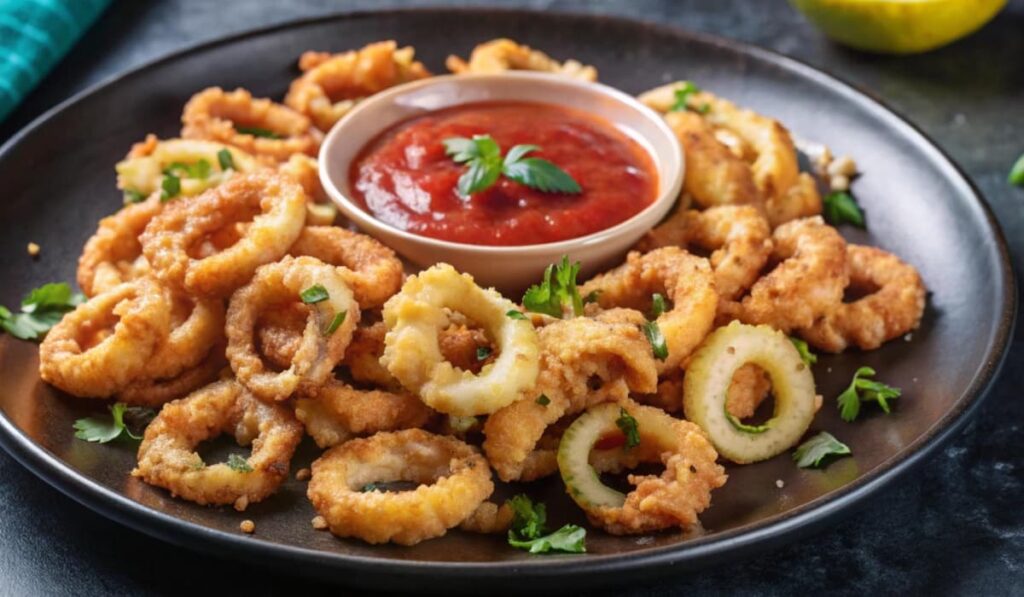
Think “veggie straws,” fried calamari, or even restaurant Brussels sprouts. These are almost always cooked in highly processed seed oils (canola, soybean, or corn oil) that have been heated and reheated.
Why it hurts you now: Dr. Catherine Shanahan, a leading expert on metabolic fats, notes that these oils are highly unstable and create oxidative stress in the body. For someone over 40, whose antioxidant defenses are naturally lower than a 20-year-old’s, this leads to “inflammaging” chronic, low-grade inflammation that makes weight loss nearly impossible.
The 2026 Upgrade: Use an air fryer at home with avocado oil or olive oil. In restaurants, ask for your vegetables to be steamed or sautéed in real butter or olive oil.
7. Low-Fat “Diet” Meals (Highly Processed)
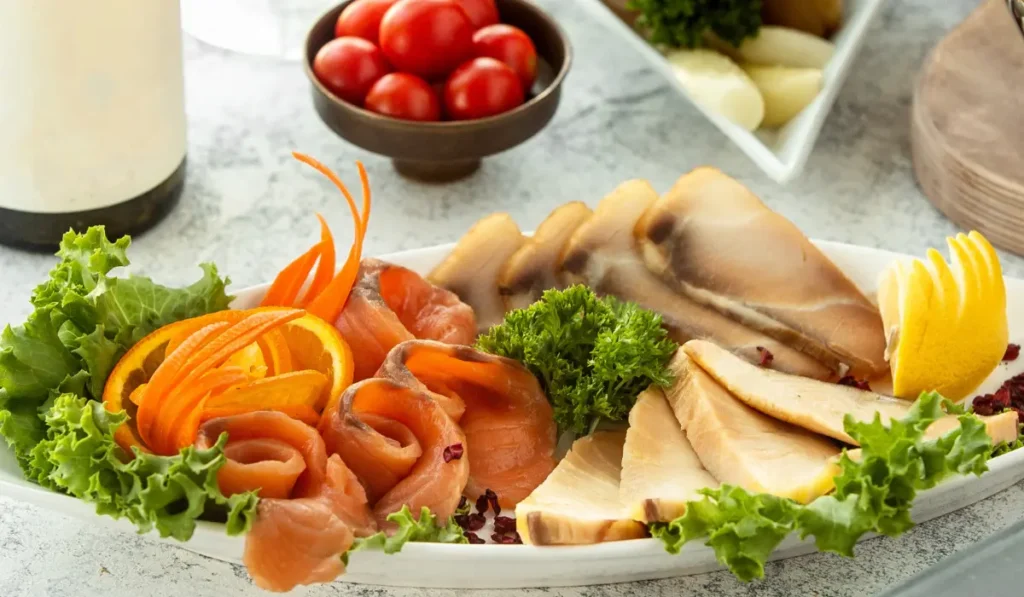
The 90s told us fat was the enemy, but for nutrition over 40, healthy fats are your best friend. Frozen “diet” entrees are usually stripped of fat and replaced with sugar, thickeners, and excessive starch to make them palatable.
Why it hurts you now: Your body requires healthy fats to produce hormones (like progesterone and testosterone). By eating “low fat,” you are essentially starving your endocrine system. Furthermore, these meals are notoriously low in protein, which accelerates muscle loss and slows your metabolism even further.
The 2026 Upgrade: Focus on “Whole Food Volume.” A large bowl of arugula with avocado, walnuts, and a grilled steak will keep your hormones balanced and your metabolism firing much better than a 300-calorie microwave meal.
Conclusion
Metabolic Response Timeline After 40
How quickly your body responds to nutritional changes
Your Body’s Recovery Timeline
Insulin sensitivity begins improving as refined carbs are eliminated
C-reactive protein and inflammatory cytokines decrease measurably
Leptin and ghrelin (hunger hormones) begin to normalize
Visible muscle retention and fat loss with consistent protein intake
Inflammation Triggers
- Refined sugar & high-fructose corn syrup
- Trans fats & hydrogenated oils
- Excessive sodium (>2,300mg/day)
- Processed meats with nitrates
- Alcohol in excess of 1-2 drinks/day
Anti-Inflammatory Foods
- Fatty fish (omega-3s): 2-3x weekly
- Leafy greens & cruciferous vegetables
- Berries rich in anthocyanins
- Olive oil & avocados (healthy fats)
- Nuts, seeds & legumes
After age 40, protein distribution matters as much as total intake. Consuming 25-30 grams per meal maximizes muscle protein synthesis, which declines by approximately 30% in aging adults. This threshold effect is critical for maintaining lean mass.
Protein per meal needed for optimal synthesis
Decline in muscle protein synthesis after 40
Reduction in chronic disease risk with whole food diet
Better insulin sensitivity improvement vs. calorie restriction alone
Managing your nutrition over 40 isn’t about deprivation or “dieting” in the traditional sense. It is about understanding hormonal signaling. By moving away from high-sodium, refined, and liquid-sugar meals, you allow your insulin sensitivity to reset and your metabolic health to flourish.
Remember: Every meal is an opportunity to either fuel inflammation or build muscle and hormonal balance. Swap the processed for the whole, prioritize protein at every meal, and watch how quickly your body responds.