

As we start 2026, over 15% of the world lives with osteoarthritis. You might feel like your body is just wearing out. Many people think joints are like car tires. They believe the tread just disappears as you get older. But that is a myth. New research proves you can “age-proof” your cartilage. You do not have to accept constant stiffness as a normal part of aging.
This guide shows you how to fight back. You will learn the “4:1 pressure formula” to save your knees. We will cover the “2026 Leucine diet trick” to keep your muscles strong. You will also see why “Motion is Lotion” is the secret to natural joint pain relief.
If you want to keep your mobility and stop joint pain after 50, here is what you need to do. It is simpler than you think. And here is why that matters: your joints can actually feel better next month than they do today.
How the 4:1 Rule Saves Your Knees
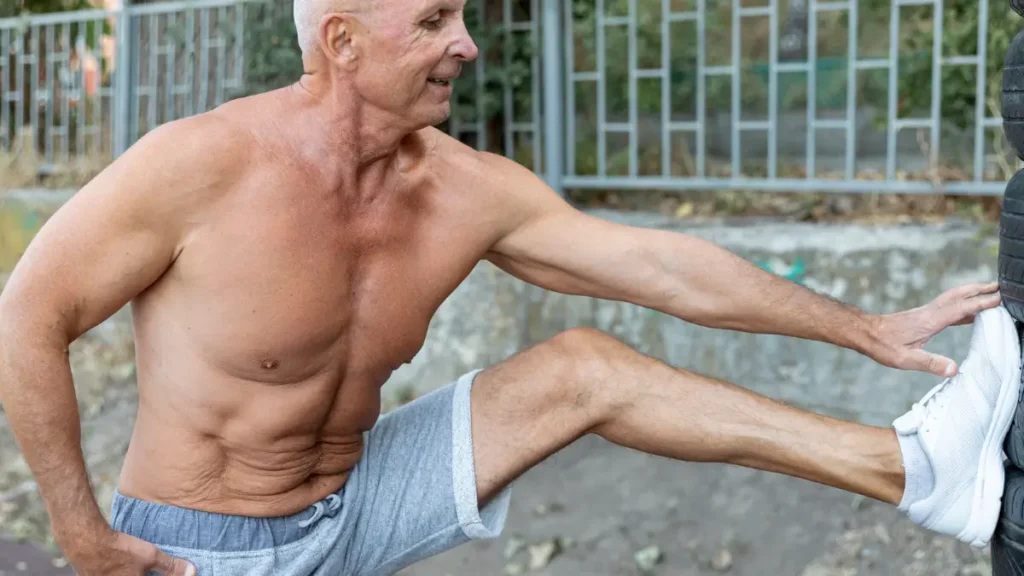
Your joints are under a lot of pressure. Every time you take a step, your body puts force on your knees and hips. The math is surprising. The Arthritis Foundation found a simple rule. For every 1 pound you lose, you take 4 pounds of pressure off your knees. That means losing just 5 pounds feels like 20 pounds of relief to your joints. This is the 4:1 rule. It is the fastest way to get knee pain relief.
Weight management is about more than just physics. It is about chemicals. Fat cells are not just sitting there. They act like little factories. They create “cytokines.” These are proteins that cause inflammation throughout your body. Doctors call this “metabolic inflammation.” It eats away at your cartilage from the inside.
So, carrying extra weight attacks your joints in two ways. First, it crushes them with heavy weight. Second, it sends chemicals to damage the tissue. Reducing joint stress starts with lowering this internal fire. You do not need a perfect body. You just need to tip the scales in your favor. Even a small change stops the damage. This is the first step to feeling younger and moving easier.
Why “Motion is Lotion” is the Best Medicine
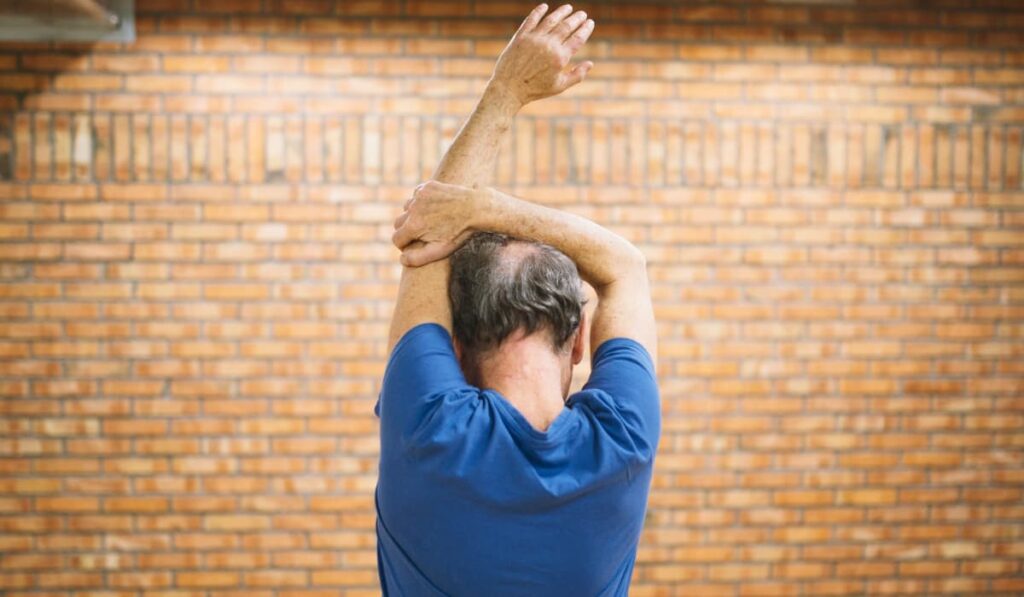
In the past, people thought rest was the answer to pain. In 2026, we know the opposite is true. We say “Motion is Lotion” because movement creates a natural lubricant for your joints. This is called synovial fluid. Without movement, your joints get dry and stiff like a rusty hinge.
You do not need intense cardio. High-impact running can be tough on older bones. Instead, focus on functional fitness and low-impact exercise. Try Controlled Articular Rotations (CARs). These are slow, circular movements for your joints. They help you keep your full range of motion. Yoga for joints and Tai Chi are also great options. They build balance and strength without any jarring hits.
Many people now use Virtual Indoor Cycling. It lets you “ride” through beautiful forests from your living room. It keeps your heart healthy and your knees moving smoothly. The proof is in the data. A 2025 study showed that 150 minutes of moderate activity per week changes everything.
It reduced pain scores by 25%. You can split this up into small chunks. Just 20 minutes a day of walking or swimming counts. Your goal is to keep the “lotion” flowing. When you move gently, your body heals faster.
The Foods That Put Out the Fire
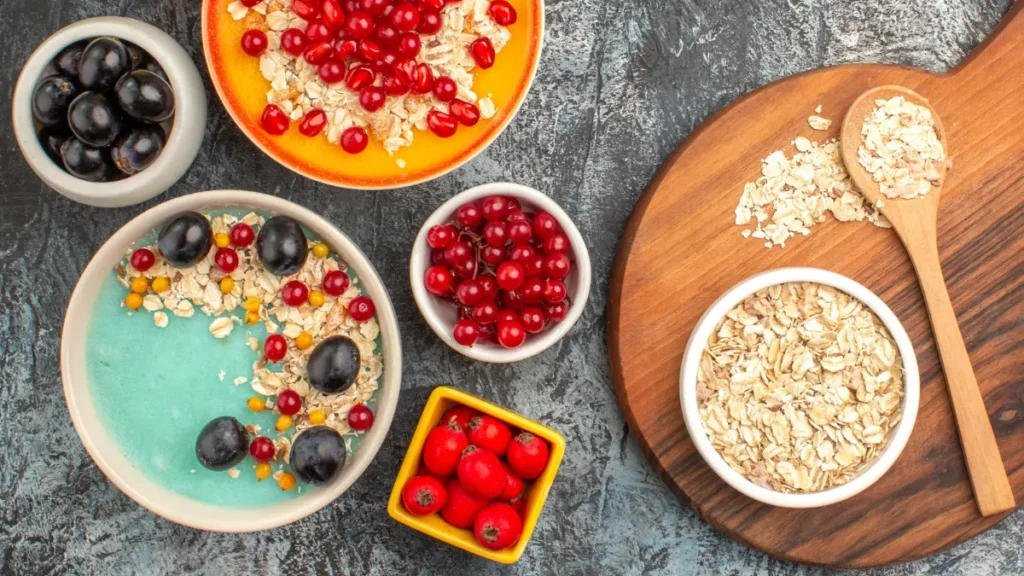
What you eat matters as much as how you move. About 20% of osteoarthritis disability is linked to diet. Most of this comes from sugar and inflammation. Sugar acts like gasoline for joint pain. It makes every ache feel much worse.
Recent studies from 2025 show a simple change that works. Adding just 5 grams of cereal fiber to your day can lower your risk of joint issues. You can find this in bran or whole grains. It helps your gut stay healthy. A healthy gut means less inflammation in your knees.
You also need Leucine. This is an amino acid found in protein. It helps your muscles stay strong as you age. Why does that matter? Strong muscles act like shock absorbers. They take the load off your joints. If your muscles are weak, your bones take the hit. An anti-inflammatory diet also needs omega-3s.
These are found in fatty fish like salmon. They act like a natural oil for your system. This diet isn’t about eating less. It is about eating better. Choose colorful vegetables and clean protein to feel the difference within weeks.
Why Drinking Water is Your Joints’ Best Friend
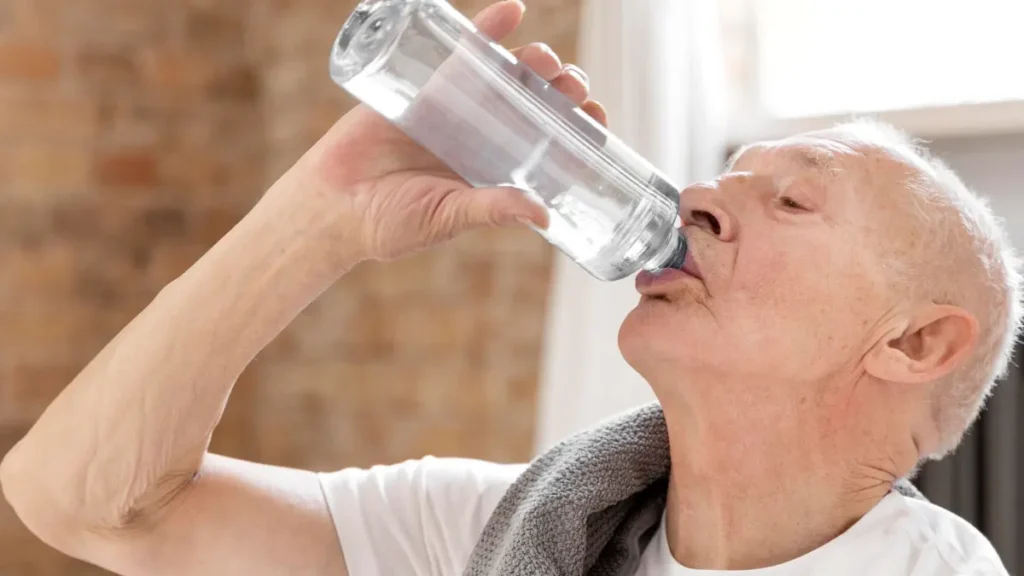
Your cartilage is like a sponge. A wet sponge is soft and flexible. But a dry sponge is hard and breaks easily. Cartilage is mostly made of water. When you do not drink enough, your joints lose their cushion. This makes your bones rub together more. That rubbing is what causes the sharp pain you feel.
In 2026, we know that hydration is not just about thirst. It is about keeping your “shocks” working. When you are hydrated, your synovial fluid stays thick and slippery. This fluid acts as a buffer. It protects your knees and hips from every step you take.
Staying hydrated is the easiest and cheapest remedy you have. You do not need fancy sports drinks. Plain water is best. Try to drink a glass of water before every meal. This simple habit keeps your “sponges” full and happy. If you feel stiff in the morning, you might just be thirsty. Drink up to keep your movement smooth and pain-free.
The Nighttime Fix: How Sleep Heals Your Aches

Sleep is not just for resting your brain. It is the time when your body does its heavy lifting. While you sleep, your system releases growth hormones. These hormones fix the tiny tears in your joints and muscles. If you skip sleep, you skip your body’s natural repair cycle.
There is another reason sleep matters. When you are tired, your brain feels pain more intensely. A bad night of sleep makes your “pain alarm” go off much louder. Things that might feel like a dull ache during the day can feel like a sharp sting after a restless night. This can become a bad cycle. Your joints hurt, so you can’t sleep. Then you can’t sleep, so your joints hurt more.
To break this cycle, you need a routine. Try to go to bed at the same time every night. Keep your room cool and dark. This tells your body it is time to start the repair work. High-quality sleep is like a free physical therapy session every night. It lowers inflammation and resets your pain threshold. If you want to move better tomorrow, you need to sleep better tonight.
3 Supplements That Actually Work
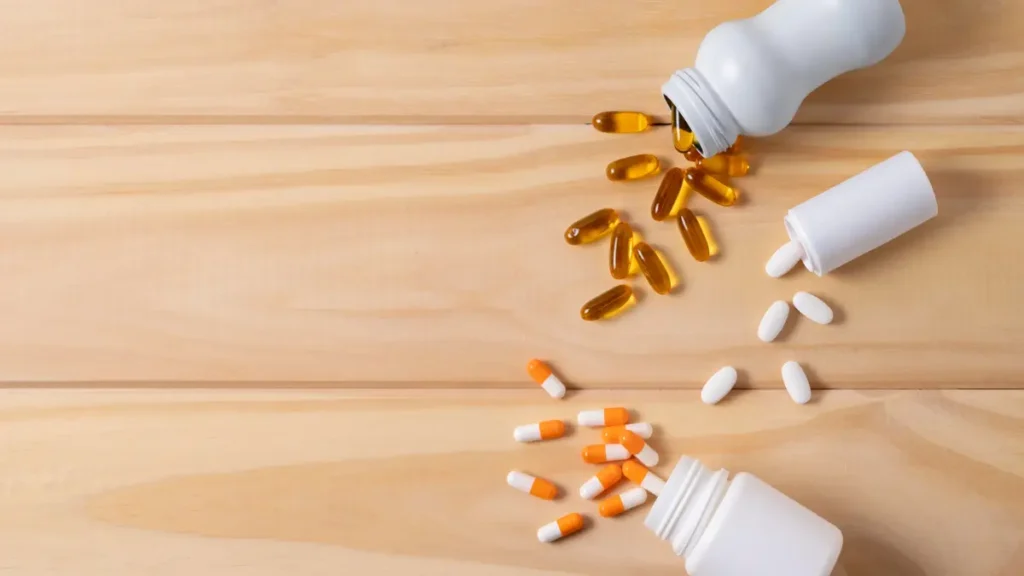
Most people know about glucosamine. It can help, but it is not the only option anymore. In 2026, we have better tools to manage pain.
- Boswellia Serrata: This is a powerful herb. Research shows it can start working in as little as five days. A dose of 300mg can significantly lower swelling. It is one of the best choices for Boswellia for joints.
- Type II Undenatured Collagen: This is different from the powder people put in coffee. It talks to your immune system. It tells your body to stop attacking its own cartilage. These collagen supplements help rebuild what time takes away.
- Fish Oil: High-quality fish oil keeps your synovial fluid thick and healthy. This fluid cushions your bones so they don’t rub together.
Supplements are not magic pills. They will not fix a bad diet. But when you combine them with movement, they give you an edge. They help you stay active so you can keep getting better. Always check with your doctor before starting a new routine.
Conclusion
Research-Backed Results: Timeline to Relief
Clinical studies show consistent improvement with lifestyle modifications
Reduction in joint pain reported with regular low-impact exercise
Decrease in inflammation markers with anti-inflammatory diet
Months for significant joint mobility improvements
Most patients who commit to lifestyle changes see measurable improvements within 12 weeks. The key is consistency, not perfection. Small daily actions compound into significant pain reduction over time.
What to Expect: Your Recovery Timeline
Weeks 1-2
Initial adaptation phase. You may feel slight improvements in energy and reduced morning stiffness.
Weeks 4-6
Noticeable decrease in pain intensity. Better sleep quality and increased range of motion.
Weeks 8-12
Significant improvement in daily activities. Reduced reliance on pain medication for most patients.
Months 3-6
Long-term benefits solidify. Many report returning to activities they thought were no longer possible.
Joint pain after 50 is not a life sentence. It is a sign that your body needs a different kind of care. Managing joint pain after 50 is a team effort. You need the right food, gentle movement, and good sleep. When you combine these, your body can repair itself.
You do not have to wait for a miracle. The tools are already in your kitchen and your sneakers. Start with one small change today. Maybe walk for 10 minutes or swap a sugary snack for some fiber. Your future self will thank you for it.