
You hit your daily step goal. You eat a diet that is mostly clean. But something might be happening inside your body that you cannot feel. Your arteries could be under siege right now. After you turn 40, your blood vessels start to change. They get stiffer. This makes it harder for blood to flow easily. Many people ignore this because they do not feel sick.
They wait for a sign that never comes. This is why doctors call it a silent killer. In this guide, you will learn why the 40 year milestone changes your cardiovascular health. You will also see how the new 2026 technology helps you stay safe and in control. High blood pressure after the age of 40 is common, but it doesn’t have to be a surprise.
3 Reasons Why Age 40 Is the Tipping Point?

Your Arteries Lose Their Stretch: When you were 20, your blood vessels were soft and flexible, like new rubber bands. As you hit 40, they naturally start to harden. This is called arterial stiffness. It makes your heart work much harder to pump blood through your body.
The Slow Build of Your Habits: The high salt meals and high stress days from your 30s don’t disappear. Their effects add up over time. By age 45, your body cannot bounce back from a poor diet or a lack of sleep as easily as it did when you were younger.
The Numbers Game: Nearly half of all adults have high blood pressure, but 1 in 4 do not even know it. You might feel perfectly fine while your vascular health gets worse every day. Because there are no obvious signs, the only way to stay safe is to measure your numbers regularly.
Why can’t you trust Your Body to Feel High Pressure?

Many people believe they will experience a headache or feel dizzy if their blood pressure is high. That is a myth. You can have dangerously high pressure and feel great. That is the silent part of silent hypertension symptoms. By the time you actually feel symptoms, you might be in a hypertensive crisis zone.
This is when your numbers hit 180/120 or higher. At this point, you are at high risk for a stroke or heart attack. Watch for these late stage warnings: Blurry vision that starts suddenly. Strong headaches that happen mostly in the morning. Shortness of breath when you are doing simple tasks.
These are not early warning signs. They are emergency signals. If you wait for these to appear, the damage to your heart and kidneys has already started.
Use These 2026 Tools to Track Your Health at Home
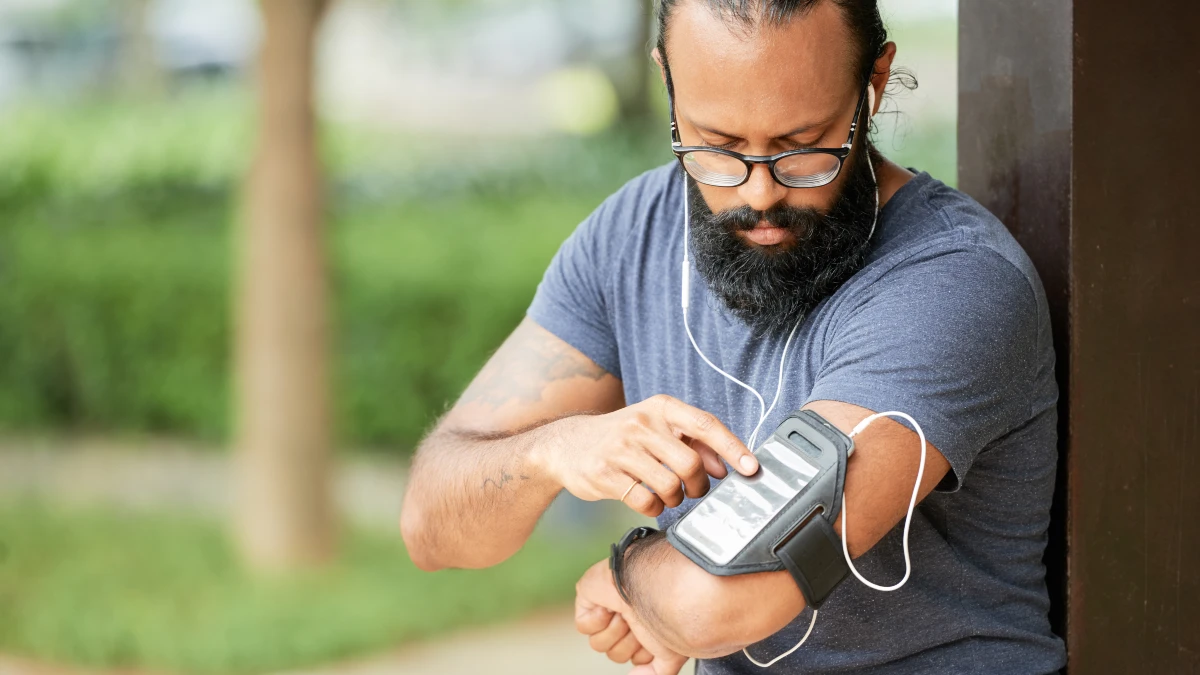
In 2026, you don’t have to wait for a doctor’s appointment to know your numbers. In fact, checking your pressure at the doctor can be wrong. Many people get nervous at the clinic, which makes their pressure jump. This is called White Coat Hypertension. Blood pressure monitoring at home is now the best way to get the truth.
Modern 2026 health tech makes this easy. Many new smartwatches use PPG sensors to track your trends while you sleep. They aren’t perfect, but they show you if your numbers are creeping up over time. For the best results, use a clinical grade home cuff once a week.
These wearable BP monitors and smart cuffs link to your phone. They keep a log for you. You can show this log to your doctor. This gives them a real picture of your health, not just a single snapshot from an office visit.
4 Actionable Ways to Lower Your Pressure Naturally

You can take control of your numbers without relying only on pills. Small changes in 2026 can lead to big wins for your heart.
- Fix your salt to potassium balance. Most people eat too much sodium and not enough potassium. Try the DASH diet 2.0. Focus on eating more spinach, bananas, and beans.
- Cut the salt. Reducing your sodium by just 1,000mg a day can drop your top number by 5 or 6 points. That is a huge win for a small change.
- Move with Zone 2 cardio. This means walking or cycling at a pace where you can still talk but feel your heart working. Do this for 30 minutes most days.
- Add strength training. Lifting weights twice a week helps your muscles use oxygen better. This takes the load off your heart.
Lower blood pressure naturally 2026 methods work best when you do them every day. Consistency is more important than intensity.
Final Thoughts on Your Heart Health

Turning 40 is not a health death sentence. It is simply a call to start paying attention. Your body is changing, and your habits should change with it. High blood pressure after 40 is a silent risk, but it is one you can manage.
Don’t wait for a symptom that might never come. Knowledge is your best tool for heart health. Check your numbers today. Use the tools available to you. By catching high pressure early, you can keep your heart strong for decades to come.
How Stress and Poor Sleep Raise Your Numbers
Stress is not just a feeling in your head. It is a physical weight on your heart. When you are stressed, your body pumps out a hormone called cortisol. This hormone makes your heart beat faster, and your blood vessels tighten. If you stay stressed all day, your pressure stays high too. This is very common for people over 40 who have busy jobs or family lives.
Sleep is just as important as diet. Many people over 40 develop sleep apnea. This is a condition where you stop breathing for short periods while you sleep. Every time this happens, your blood pressure spikes. If you wake up feeling tired every day, your heart might be working overtime all night long.
Watch Out for the “Healthy” Salt Traps
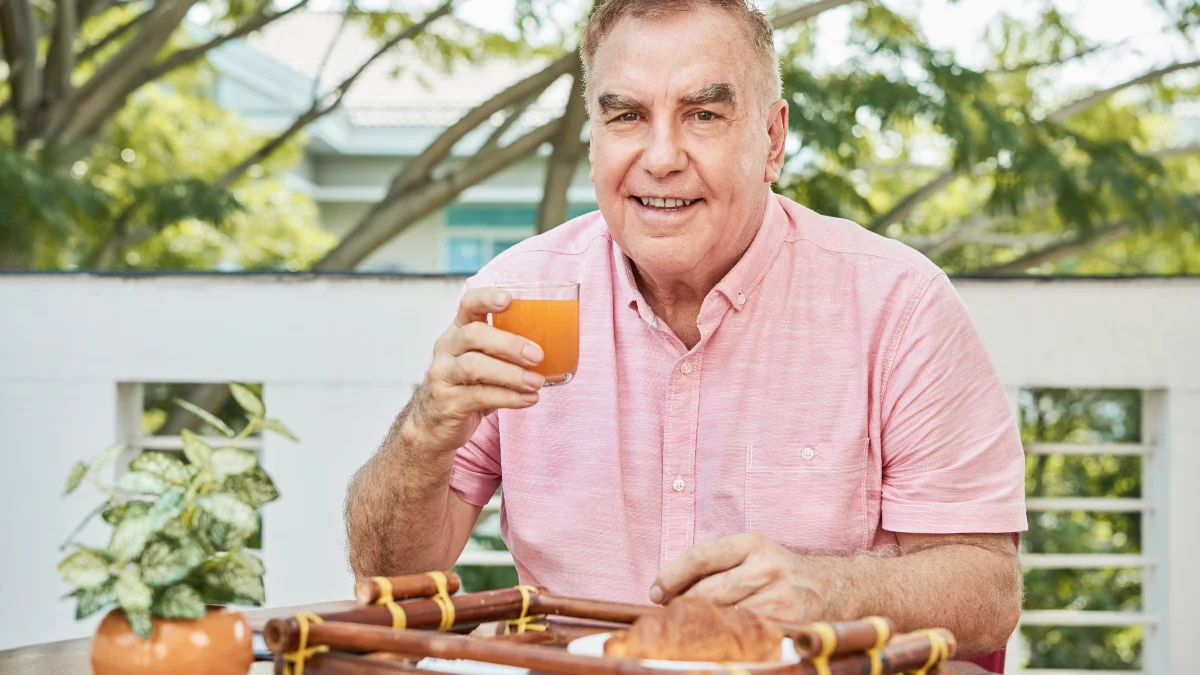
You might think you are doing well by skipping the salt shaker. But most salt is already in the food you buy at the store. Even foods that look healthy can be salt traps. Whole grain bread, canned soups, and even some salad dressings are often packed with sodium. These foods can cause arterial stiffness to get worse over time.
Always read the label on the back of the package. In 2026, many brands are trying to use less salt, but you still have to check. Look for foods that have less than 140mg of sodium per serving. Small swaps make a big difference. Try using fresh herbs or lemon juice instead of bottled sauces.
Conclusion
Taking care of your heart after 40 is not about being perfect. It is about being aware. High blood pressure after 40 is a silent risk, but you have the power to stop it before it starts. By using modern tools, eating better, and getting enough rest, you can protect your body for years to come.
Do not wait for a headache or a dizzy spell to tell you something is wrong. Those signs often come too late. Make it a habit to check your numbers this week. It only takes a minute, and it is the best thing you can do for your heart health. Your heart works hard for you every single day. Now is the time to do the same for your heart.