

You hit 30, and suddenly that morning coffee or late-night pizza hits back. It is not just “getting older.” Your microbiome is shifting. Many digestive issues in your 30s are silent. You might feel brain fog or mild bloating instead of sharp pain. This leads many people to wait too long for a diagnosis.
In this guide, you will learn about the seven most common gut problems that appear after 30. We will look at the science of the microbiome in 2026. You will also learn exactly when to see a doctor. Your gut is like a second brain. If it feels off, your whole body feels off. Here is how to listen to what your body is trying to tell you.
The 30-Year Gut Reality Check
Why your “standard” symptoms are actually vital health data.
The Brain Fog Gap
90% of serotonin is made in the gut. If the gut is “silent,” the brain feels the noise.
Microbiome Shift
Diversity drops by 10-15% per decade without intentional intervention after age 30.
Energy Economics
Inflammation in the gut uses 20% more daily metabolic energy, causing “unexplained” fatigue.
| Symptom | What it’s saying | Action |
|---|---|---|
| 3 PM Fatigue | Blood sugar/Gut dysbiosis | Check Fiber intake |
| “Morning Cough” | Silent Reflux (LPR) | Eat 3 hours before bed |
| Sudden Acne | Intestinal Permeability | Reduce UPFs |
— Dr. Aris Thorne, Microbiome Research Lead (2026)
Why Your Gut Changes After 30

Your body does not process food the same way it did at 20. As you hit your 30s, your metabolism starts to slow down. But the real change happens inside your gut lining. This lining is called the gastric mucosa. It naturally thins as you age. This makes it easier for acid and bacteria to cause irritation.
Stress also plays a huge role. Most people in their 30s deal with high-pressure jobs and family life. This “hustle culture” keeps your body in a state of high cortisol. High cortisol slows down digestion. Data from early 2026 shows a 15% rise in digestive sensitivities in Millennials. This is a much higher rate than Gen X had at the same age.
Your gut has a memory. Ten years of quick lunches, missed sleep, and stress finally start to show. The “silent” part of these problems is that they don’t always hurt. You might just feel tired or “puffy.” These are signals that your gut needs help.
1. Is Your Bloating Actually SIBO?

Many people think bloating is just part of eating. That is a mistake. “Normal” bloating goes away quickly. SIBO stands for Small Intestinal Bacterial Overgrowth. This happens when bacteria that should be in your large intestine move into your small intestine.
When you have SIBO, these bacteria eat your food before you do. They create gas. This leads to “SIBO-related distension.” This is different from post-meal fullness. With SIBO, your stomach might look like a balloon just an hour after eating. It can feel tight and hard.
Stress-induced slow motility is often the cause. If your gut doesn’t move food through fast enough, bacteria start to grow where they don’t belong. If you feel bloated every single day, it is likely SIBO.
2. Why You Suddenly Can’t Eat Gluten (Leaky Gut)
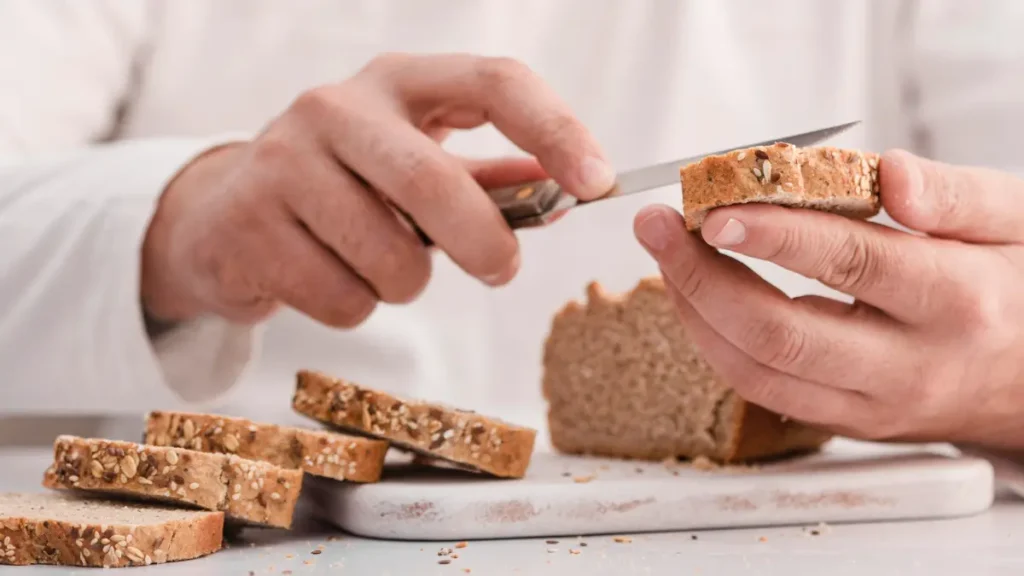
Have you noticed you can no longer handle dairy or bread? This is often “Leaky Gut.” The scientific name is increased intestinal permeability. Your gut wall has tiny holes that let nutrients into your blood.
When these holes get too big, things like undigested food and toxins “leak” through. This causes “lifestyle inflammation.” Your immune system sees these particles and attacks them. This is why you feel brain fog or get rashes.
You might have spent your 20s eating whatever you wanted. But those habits can wear down the gut wall over time. By 30, the wall is tired. Fixing this means eating more fiber and reducing processed sugar to close those gaps.
3. The Truth About Silent Reflux and GERD

GERD is more than just a burnt feeling in your chest. Many people have “silent reflux,” also known as LPR. You might not feel heartburn at all. Instead, you might clear your throat a lot or have a chronic cough.
This happens because the valve at the top of your stomach gets weaker as you hit 30. Acid travels up and hits your throat. If you ignore this, it can lead to Barrett’s Esophagus. This is a condition where the throat lining changes and becomes dangerous.
If you wake up with a sore throat or a bitter taste, that is a sign. Don’t just reach for an antacid. You need to look at why that valve isn’t closing.
4. Why Your “Good Bugs” Are Disappearing

Your gut needs a diverse mix of bacteria to stay healthy. This is the “Microbiome Gap.” Most people have spent 30 years taking antibiotics and eating ultra-processed foods (UPFs). These things kill off the good bacteria.
When you lose diversity, you lose more than just digestion. Your gut makes most of your serotonin. If your “good bugs” are gone, your mood will drop. You might also notice more acne or dry skin. In 2026, we know that a lack of gut diversity is a major cause of adult fatigue. To fix this, you need to eat at least 30 different plants a week. This gives your microbiome the fuel it needs to grow back.
5. The Hidden Bacteria: H. Pylori

H. Pylori is a bacteria that lives in your stomach lining. It can hide there for years without you knowing. But as you get older, it can cause the lining to break down.
You might feel a “gnawing” hunger even after you just ate. Or you might feel slightly nauseous in the morning. These are not just “weird stomach things.” They are signs of an infection. In 2026, screenings for H. Pylori are very easy and use a simple breath test. Finding it early prevents ulcers and more serious stomach issues later in life.
6. Your Gut and Your Liver (Fatty Liver)

Your gut and your liver are best friends. They talk to each other through the gut-liver axis. When your gut is unhealthy, it sends toxins straight to your liver. This can lead to Non-Alcoholic Fatty Liver Disease (NAFLD).
The scary part? This happens even to “fit” people in their 30s. If your gut is full of bad bacteria, your liver gets overwhelmed. You won’t feel pain in your liver. You will just feel very heavy and sluggish. Keeping your gut clean helps your liver process fats correctly.
7. How Stress Attacks Your Gut (IBS)

Irritable Bowel Syndrome (IBS) often peaks in your 30s. This is because your 30s are usually your most stressful years. You are handling a career, kids, or big life changes.
When you are stressed, your body produces cortisol. This hormone physically changes how your gut moves. It can cause painful cramps, diarrhea, or constipation. This is the stress-gut axis in action. Your brain sends a “danger” signal, and your gut reacts. To fix IBS, you often have to fix your stress levels as much as your diet.
Final Thoughts: Take Action Now

Your gut is the foundation of your health. Addressing these silent issues now prevents chronic disease in your 40s. Don’t ignore the bloating or the fatigue. These are the only ways your body can ask for help.
What to do next:
- Keep a food diary for one week to spot patterns.
- Eat more fermented foods like kimchi or kefir.
- See a doctor if you see blood or have constant pain.
Conclusion
Your gut is like a second brain for your whole body. It controls your mood, your energy, and how you feel every day. Addressing silent gut problems after 30 is the best way to stay healthy as you get older. If you fix these small issues now, you can avoid bigger problems like IBD or liver disease in your 40s. You do not have to live with constant bloating or brain fog. These symptoms are just signals that your body needs a change.
Listen to what your stomach is trying to tell you. If you feel “off,” do not just hope it goes away on its own. Small changes in how you eat and how you manage stress make a big difference. You deserve to feel your best at every age.