While many people spend thousands on anti aging pills and high-tech gadgets, Japan’s 90,000+ centenarians are thriving on habits that cost almost nothing. This isn’t about luck or super genes. It is about a lifestyle that fights the modern trap of sitting all day and eating until we feel heavy.
Japanese seniors’ longevity: Integrated Movement, Metabolic Discipline, Social Infrastructure, and Ikigai. These are not just fancy words. They are practical tools to help you with aging gracefully and building sustainable health. By the end, you will see why a long life is less about hacking your body and more about how you live your day.
The Hara Hachi Bu Diet: Stop Eating Before You Are Full
Most of us eat until we are stuffed. In Japan, people practice Hara Hachi Bu. This means you stop eating when you are 80% full. It takes about 20 minutes for your brain to realize your stomach is satisfied. By stopping early, you avoid the energy crash and weight gain that comes from overeating.
It is not just about how much you eat, but what is on your plate. The Japanese diet relies heavily on fermented foods like Natto and Miso. These foods are packed with probiotics that strengthen your gut health. In 2026, scientists found that a healthy gut is the command center for your immune system. Instead of grabbing a sugary energy drink, Japanese seniors sip green tea.
Movement as a Lifestyle: Why You Can Skip the Gym?

In the West, we sit for eight hours and then try to fix it with one hour of intense exercise. Japan does the opposite. They use movement as a lifestyle. Many seniors start their day with Radio Taiso. This is a short, low impact exercise routine broadcast on the radio that millions of people do together. It is about keeping joints flexible and blood flowing.
Japanese cities are built for walking, not just driving. When you walk to the store or the train station, you are getting micro movements all day long. This is active aging. By 2026, health experts agree that walking 10,000 steps throughout the day is often better for your heart than a 30 minute run followed by hours of sitting. You don’t need a gym membership to be healthy.
Finding Your Ikigai: The Secret to a Purpose-Driven Life

The word retirement doesn’t exist in the same way in Japan. Many people stay active in their communities well into their 80s and 90s. They call this Ikigai, which means your reason for getting out of bed in the morning. Having a purpose keeps your brain sharp and your stress levels low.
Social connection is the other half of this puzzle. In places like Okinawa, people form Moai. These are small social support groups that meet regularly to talk, share a meal, and help each other. This Vitamin S Social is vital. A purpose driven life, combined with social connection, creates a safety net that medicine simply cannot replace.
Systemic Wellness: Fixing the System, Not Just the Person

In many countries, healthcare is something you use only when you are sick. Japan focuses on preventative healthcare. Every year, citizens between the ages of 40 and 74 must have a Metabo checkup. Doctors measure waistlines and blood pressure to find health problems before they become emergencies. This is systemic wellness.
This system works better than biohacking or expensive supplements. While individuals in other countries struggle to find healthy food or safe places to walk, Japan’s culture makes the healthy choice the easy choice. Healthy aging happens because the whole environment, from healthcare laws to city design, supports it.
Why You Should Swap Your Morning Coffee for Green Tea?

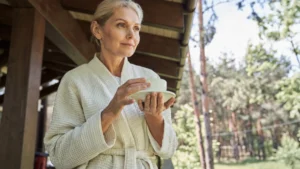
In the West, we often use coffee to force our bodies to wake up. Japanese seniors take a different path with green tea. Most people in Japan drink several cups of green tea every day. It contains a powerful antioxidant called EGCG. By 2026, new studies show that EGCG does more than just help your metabolism.
Green tea also has something called L theanine. This is a natural amino acid that calms the brain. When you drink coffee, you might feel a crash later. Green tea gives you a steady flow of energy without the jitters. It also helps with gut health by encouraging good bacteria to grow.
How Forest Bathing Lowers Your Daily Stress?
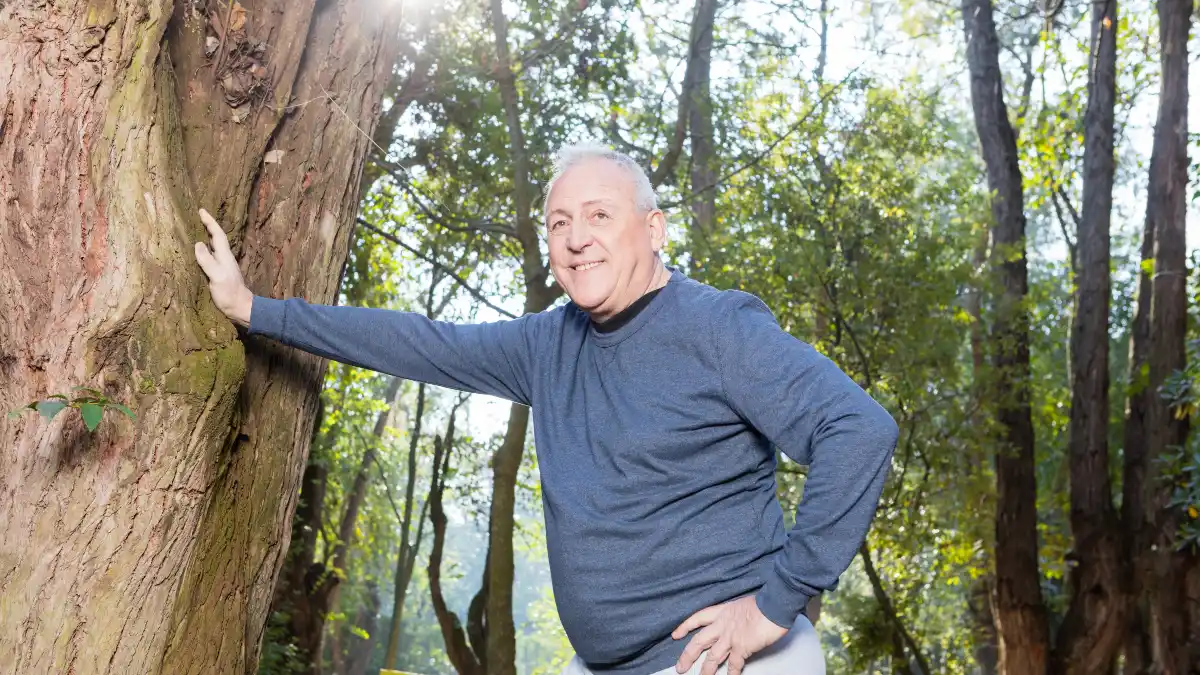
Stress is one of the biggest silent killers in modern life. In Japan, doctors actually prescribe something called Shinrin yoku, or Forest Bathing. This doesn’t mean you have to go for a hard hike. It just means spending time sitting or walking slowly among trees. When you breathe in forest air, you are breathing in natural oils that trees release to protect themselves.
This practice is a key part of active aging. Even if you live in a city, spending 20 minutes in a park can have similar effects. It helps reset your nervous system. In 2026, we know that chronic stress leads to inflammation, which ages your organs faster. By making time for nature, Japanese seniors keep their stress levels low.
Why You Should Spend More Time Around Younger People?

In many cultures, older people are moved into separate housing. In Japan, seniors often live in intergenerational settings. This means they are constantly talking to children, teenagers, and young adults. This social mix is a secret weapon for the longevity of Japanese seniors. It keeps their brains active because they are always learning new things and sharing their own stories.
Staying integrated into society prevents the mental fog that often comes with isolation. When you interact with different age groups, your brain has to work harder to follow different types of conversations. This keeps your cognitive muscles strong. It also gives seniors a sense of importance.
Conclusion
Japanese seniors’ longevity isn’t a secret recipe or a magic pill. It is the result of small, daily choices. You don’t have to move to Japan to see these results. You can start exactly where you are.
This week, try one simple change. Walk to one errand instead of driving. Or, try the 80% full rule at dinner tonight. Pick one habit and stick with it.