Many seniors treat constipation as an inevitable part of aging. You might feel like your body is simply slowing down, and there is nothing you can do about it. But new 2026 research shows it is often a result of a biological silent glitch rather than just old age. Standard fixes often ignore the psychological fear of incontinence and the physical decline of the pelvic floor.
You might eat your fiber and take your walks, yet nothing happens. It is frustrating. This struggle often comes down to things your doctor might not mention, like how your brain senses thirst or how your muscles work together. Thirst Gap and why your bathroom posture matters as much as your diet. We will look at five simple, natural fixes you can start today.
Why the Thirst Gap and Fear of Accidents Stop Your Progress?
The Science of Hydration Timing
Research indicates that the hypothalamus (the brain’s thirst center) becomes less sensitive after age 65. You are likely dehydrated long before you feel “thirsty.”
Fiber acts like a sponge. Without water to expand it, fiber stays hard and actually increases blockages. Water is the “fuel” that makes fiber work.
As we get older, our brains don’t always send the I’m thirsty signal as clearly as they used to. This is the Thirst Gap. It is a major reason why seniors struggle with constipation. There is another layer to this. Many people drink less on purpose. If you worry about having an accident or making too many trips to the bathroom at night, you might skip that extra glass of water.
While this might keep your bladder quiet, it turns your stool into bricks. Your colon needs water to move waste along. Without it, you develop chronic dehydration. To get relief, you need new hydration strategies for seniors. Drinking water doesn’t have to mean more accidents. It is about timing. If your body doesn’t have enough fluid, no amount of fiber will help.
Why Your Exit Door Muscles Might Be the Problem?

Sometimes the problem isn’t what is in your gut. It is the exit door itself. To have a bowel movement, your pelvic floor muscles need to relax. In many seniors, these muscles get weak or confused. This is called pelvic floor dysfunction in elderly adults. Doctors often call this Dyssynergic Defecation.
Think of it like a garden hose with a kink in it. If the muscles don’t coordinate, pushing harder only makes the kink worse. You might feel like you need to go, but the path is blocked by your own body. This happens to both men and women. It is a problem with muscle coordination. Instead of the muscles opening up, they stay tight or even close tighter when you strain.
5 Natural Fixes You Can Try Today

Standard advice suggests eating more fiber, but this can sometimes lead to more bloating. Try these modern natural constipation relief for seniors strategies instead.
1. The 4-Ounce Water Rule

Don’t try to chug a giant gallon of water. Your body cannot handle it all at once. Use small 4 ounce cups throughout the day. Using a straw can also make drinking easier if you have trouble swallowing. This helps you stay hydrated without overwhelming your bladder all at once.
2. Use a 7-Inch Toilet Stool
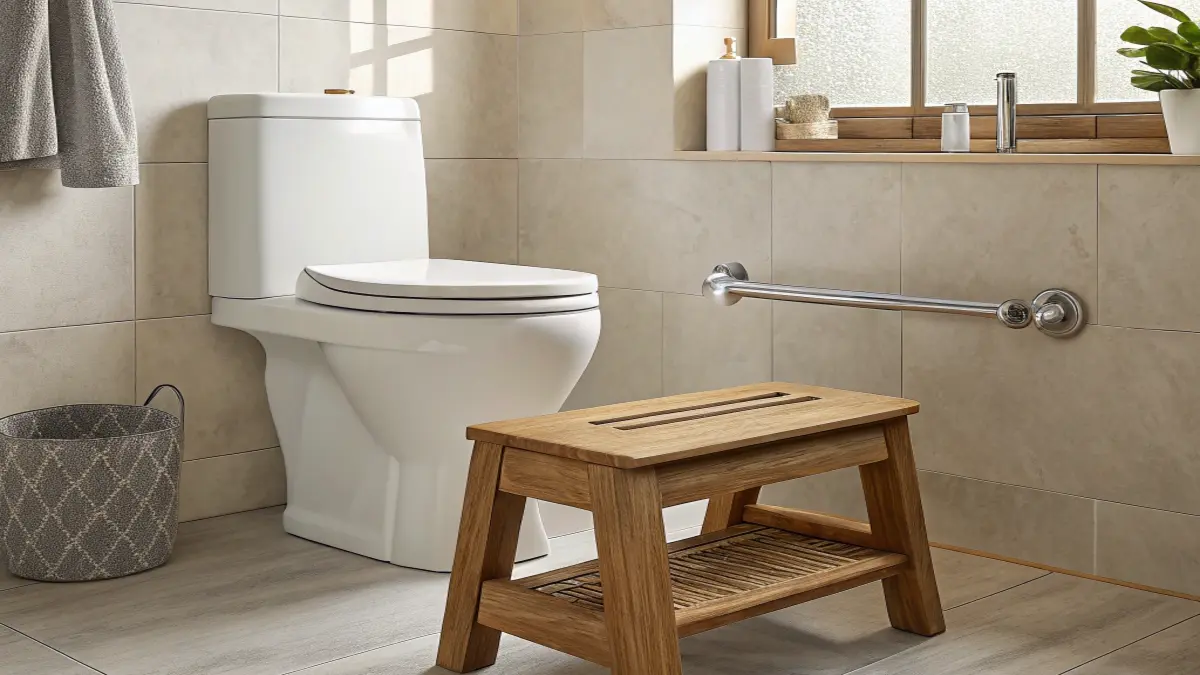
Human bodies were not meant to sit on high toilets. It kinks the colon. Place a 7-inch stool under your feet while you sit. This tilts your hips and “unkinks” the path. It is a simple way to help when seniors struggle with constipation.
3. Swap Rough Fiber for Soluble Silk

Raw kale and tough salads can be hard on a senior’s gut. Instead, try soluble silk. This includes stewed apples, pears, or well-cooked carrots. These are gentle and make things slippery in your gut. They move things along without causing gas or pain.
4. Try Chair Cycling and Pelvic Tilts

You do not need a gym. While sitting in a sturdy chair, lift your knees one at a time like you are riding a bike. This wakes up your gut muscles. Also, while lying in bed, gently tilt your hips toward your chest. This helps the muscles that control bowel movements.
5. Add Postbiotic Foods

Basic yogurt is okay, but foods like Kefir or Kimchi are better. These fermented foods have good bacteria that actually survive the trip to your gut. They help your digestive system work like a younger version of itself.
When Should You Call the Doctor?

While natural fixes work for most, you should know the red flags. If you go more than seven days without a bowel movement, that is a problem. Also, watch for sudden weight loss or blood.
These can be signs of a blockage rather than simple slow digestion. If you feel sharp, constant stomach pain or start vomiting, don’t wait. It is always better to be safe and get a professional opinion.
Check Your Medicine Cabinet for Bowel Blockers

Many pills you take for other health issues can actually slow your gut down. Common medications for high blood pressure, depression, and even iron supplements are known as bowel blockers. If you noticed that your seniors’ constipation started right after beginning a new prescription, that is a big clue.
These drugs can dry out your stool or stop the muscles in your colon from moving. Don’t just stop taking your medicine, as that can be dangerous. Instead, bring your pill bottles to your next check up. Ask your doctor if there is an alternative that is easier on your digestive system.
Why a Consistent Toilet Timer Works?

Your body loves a routine. There is a natural signal in your body called the gastrocolic reflex. This signal tells your colon to empty itself right after you eat a meal. It is usually strongest in the morning after you drink a warm beverage or eat breakfast. If you are busy and ignore the urge to go, the signal gets weaker over time, and your stool gets harder. Try to set a toilet timer for yourself.
Spend 10 minutes sitting comfortably at the same time every morning, even if you don’t feel the urge. This helps retrain your brain and gut to work together again. It is a simple, no cost way to fix the timing issues that make seniors struggle with constipation.
Use Belly Breathing to Open the Path

When you strain or hold your breath, you accidentally tighten the very muscles that need to open. This makes it much harder to go. Instead, try a technique called belly breathing. While you are sitting on the toilet, place your hand on your stomach. Breathe in slowly through your nose so your hand moves out.
This deep breath naturally pushes down on your intestines and helps your pelvic floor muscles relax. It is like giving your gut a gentle, internal massage. This technique is a key part of natural constipation relief for seniors because it stops the cycle of straining. It lets your body’s natural pressure do the work for you.
Conclusion
Dealing with a slow gut is tough, but you do not have to live with it. Remember, seniors struggle with constipation for many reasons. It is often a mix of water, muscle coordination, and the right posture. By making these small shifts, you can feel comfortable again. You do not have to rely on harsh laxatives forever. Start with the toilet stool and the 4 ounce water rule today.