

Where did I put my keys? might be a joke, but for many, it’s a source of genuine concern. You might find yourself walking into a room and forgetting why you’re there. Or maybe a friend’s name is on the tip of your tongue but won’t come out. This happens because your brain deals with stress and inflammation as you get older. These things slow down how you process information.
You will learn about three specific nutrients for brain function that act like a shield for your brain cells. We will look at how a brain boosting diet helps your cognitive health stay sharp. By the end, you’ll know exactly which foods to put on your plate to keep your mind clear. It isn’t about magic pills.
This article is for informational purposes only and does not constitute dietary or medical advice. The content addresses using specific nutrients and dietary patterns to support brain function and memory and is meant for general educational purposes only. Nutritional needs differ based on age, health status, and individual circumstances, consult a registered dietitian or your healthcare provider before making significant changes to your diet.
Why Your Brain Needs Healthy Fats to Stay Sharp?
Your brain is about 60% fat. This means the types of fat you eat matter for your focus. Specifically, Omega 3 fatty acids like DHA and EPA are the stars here.
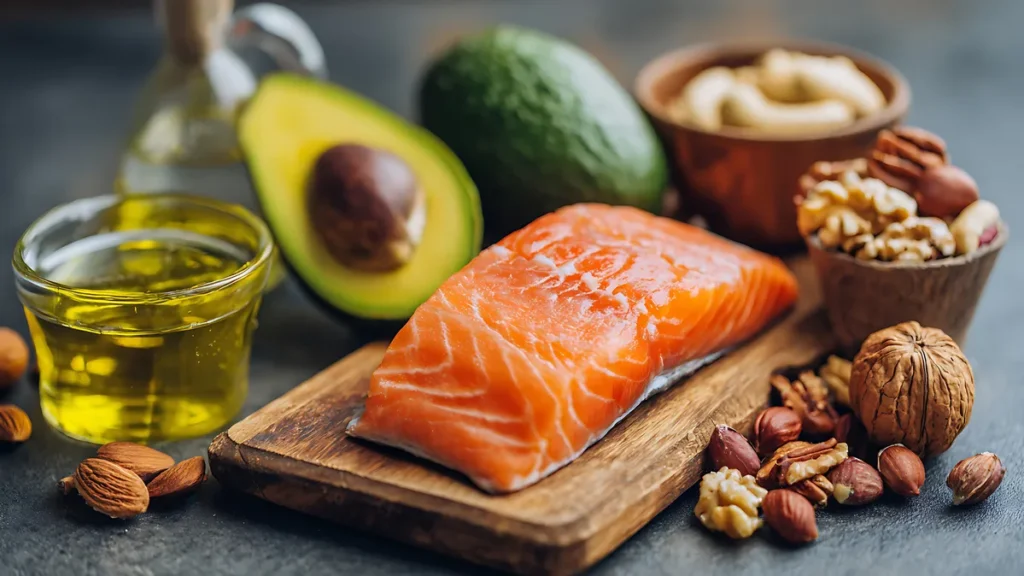
Think of DHA as the building blocks for your brain cells. It makes up a large part of the cell walls in your head. If these walls are strong, your brain sends signals faster. This helps you remember things more clearly.
EPA plays a different role. It acts like a firefighter. It lowers inflammation in your brain. Too much inflammation can make you feel foggy and slow. When you eat salmon for brain health, you get both of these fats at once. Other great sources include mackerel, walnuts, and flaxseeds.
Science backs this up. The American Academy of Neurology has looked at how these fats affect us. That is the part of your brain that handles memory. A bigger hippocampus usually means better memory as you age. Getting these DHA benefits is easy if you plan your meals.
Try to eat fatty fish at least twice a week. If you don’t like fish, talk to your doctor about a high-quality oil supplement. Keeping your brain’s walls strong is one of the best ways to support mental clarity as you age. It is a simple change that pays off every time you need to remember a name or a date.
Brain Health & Nutrition
Why Your Brain Needs
Healthy Fats to Stay Sharp
The types of fat you eat directly shape your focus, memory, and mental clarity.
3 Dark Foods That Protect Your Brain Cells
The following is a list of brain-healthy foods:-
1. Blueberries
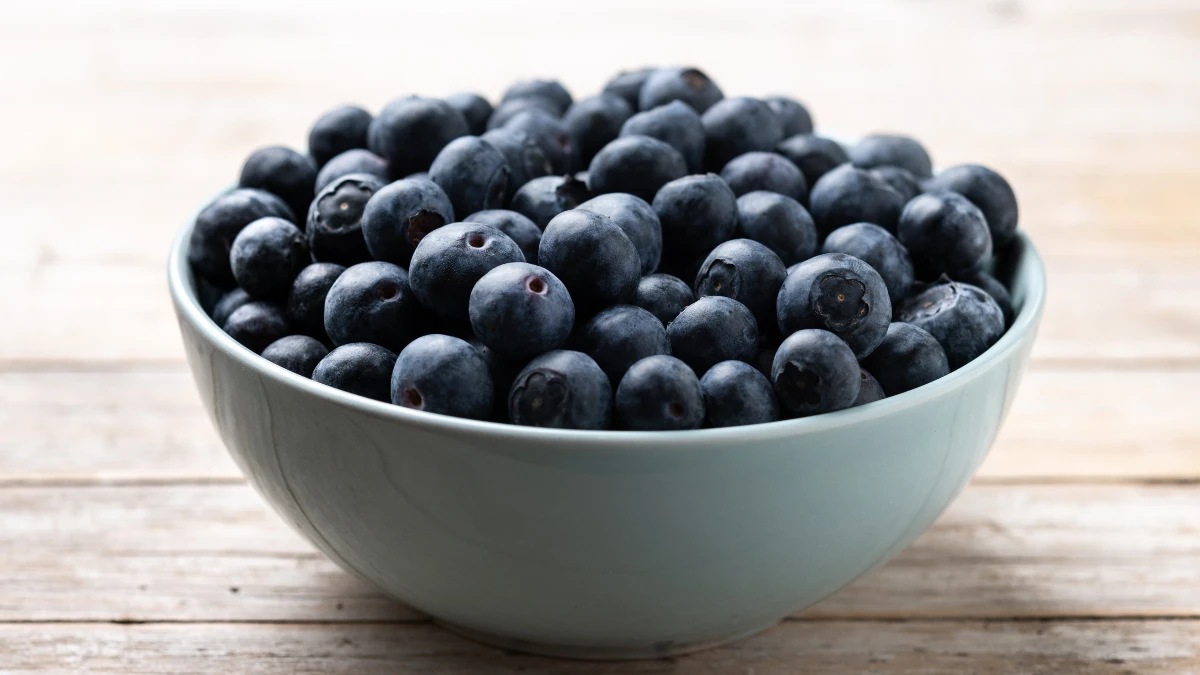
These are often called brain berries for a reason. They are packed with flavonoids that travel directly to the parts of your brain responsible for memory. Whether you buy them fresh or frozen, aim for one cup a day to help delay brain aging.
2. Dark Chocolate
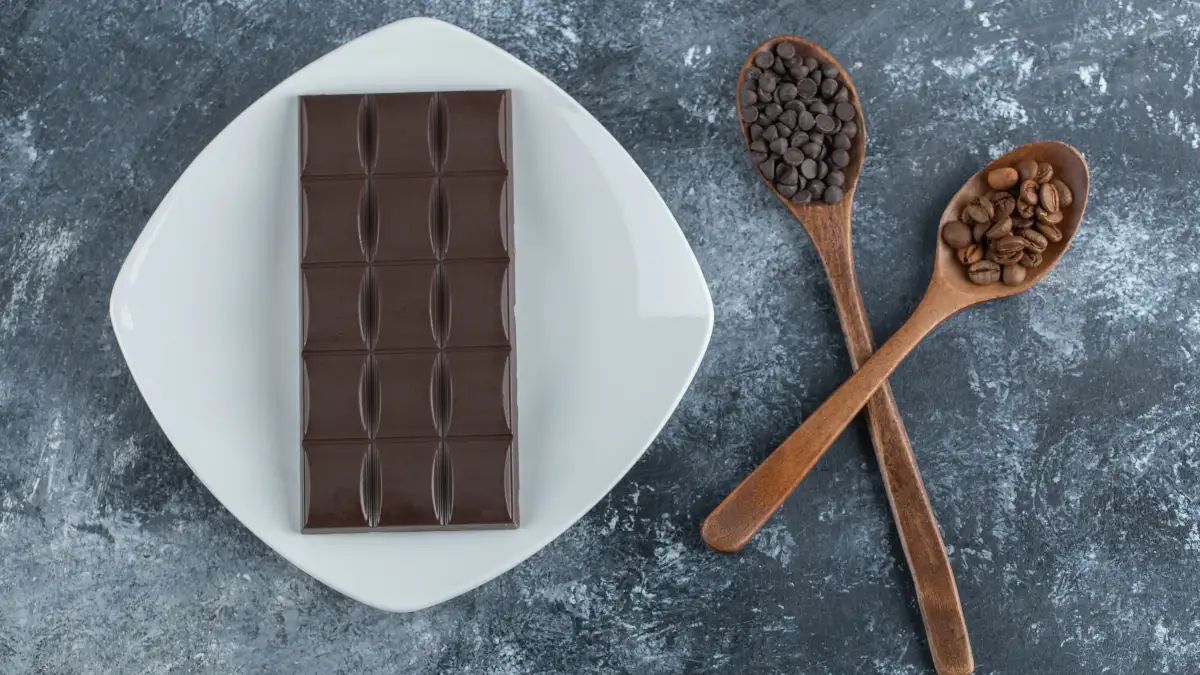
This treat contains powerful antioxidants that improve blood flow to the brain. To get the memory boosting benefits without too much sugar, choose chocolate that is at least 70% cocoa. A single small square is all you need.
3. Leafy Greens like Kale and Spinach

The darker the leaf, the better. These greens are loaded with Vitamin K, lutein, and folate. Eating just one serving of these greens a day is associated with slower cognitive decline in observational studies.
Why This Secret Vitamin Prevents Brain Shrinkage?
If your brain cells were a city, B vitamins would be the power grid. They help your brain turn food into energy. Without them, your brain can’t fire correctly. The most important ones for your memory are B6, B12, and folate. They work together to manage something called homocysteine.

Homocysteine is an amino acid in your blood. If your levels get too high, it can damage your blood vessels. High levels are also linked to brain shrinkage. This is a scary thought, but B vitamins help keep these levels low. This protects your brain’s physical size and health. You can find these in eggs, beans, and leafy greens.
There is one big catch as you get older. After age 50, your body gets much worse at absorbing B12 from food. This is because your stomach produces less acid. Many people feel foggy simply because they are low on B12. This is why B vitamins for memory are so vital to track.
If you feel tired or forgetful, ask your doctor for a blood test. They can check your homocysteine levels and your B12. Sometimes, you might need cognitive health supplements to get back to normal. Don’t guess on this. A quick test can tell you exactly what your power grid needs. Keeping your B levels steady ensures your brain has the fuel it needs to think fast every day.
The 2% Rule: How Water Fixes Brain Fog

Sometimes, the reason you can’t focus isn’t a lack of vitamins. It is a lack of water. Even 2% dehydration can cause brain fog. This makes it hard to do simple math or pay attention to a conversation. Your brain is mostly water, so even a tiny drop in hydration slows it down.
You also need Magnesium for your brain to stay flexible. This is called synapse plasticity. It is what allows you to learn new things and store new memories. Magnesium helps the plugs in your brain connect more easily. You can find it in pumpkin seeds, almonds, and spinach.
Make it a habit to drink a glass of water every two hours. If you feel a dip in your energy in the afternoon, drink water before you reach for coffee. Adding a handful of nuts provides the Magnesium you need to keep those brain connections strong. It is a quick win for your focus that takes almost no effort.
Why This Specific Way of Eating Saves Your Memory?

Individual nutrients are great, but how you group them matters more. Doctors often point to the Mediterranean and DASH diets as the gold standard for brain health. These aren’t crash diets for weight loss. Instead, they focus on eating whole foods that keep your blood vessels clear. Since your brain uses 20% of your body’s blood flow, keeping those pipes clean is a must.
When you combine these two styles, you get the MIND diet. This plan specifically targets brain aging. It encourages you to eat beans, poultry, and plenty of olive oil while cutting back on butter and fried snacks. People who follow this plan strictly have shown a 53% lower risk of developing memory related diseases.
And here’s why that matters: it makes healthy eating simple. You don’t have to count every calorie. You just need to make sure most of your plate comes from plants and healthy fats. Start by swapping your butter for olive oil this week. This small shift helps your brain stay greased and ready to work.
How Sleep Acts Like a Dishwasher for Your Brain?
You can eat all the right foods, but if you don’t sleep, your brain can’t stay sharp. Think of sleep as a dishwasher for your head. While you are in a deep sleep, your brain uses a special system to wash away waste. This waste includes proteins that can build up and cause memory loss over time. If you skip sleep, that waste stays behind and creates brain fog the next morning.

Most adults need between seven and nine hours of sleep. It isn’t just about the time you spend in bed. It is about the quality of that rest. During deep sleep, your brain also files away what you learned during the day. This turns short term notes into long term memories. Without this filing process, you’ll find it much harder to remember names or new skills.
To help your brain clean itself, try to go to bed at the same time every night. Avoid screens for an hour before sleep. The blue light from your phone tricks your brain into thinking it is still daytime. This stops the cleaning crew from starting their job. A dark, cool room is the best environment for your memory to reset.
The 20-Minute Habit That Grows Your Brain
Movement is one of the best ways to feed your brain. When you walk, run, or swim, your heart pumps more oxygen to your head. This extra oxygen acts like brain food. But the real secret is a protein called BDNF. Scientists call this Miracle Gro for the brain. It helps your brain grow new cells and protects the ones you already have.

You don’t need to run a marathon to get this benefit. Just 20 minutes of brisk walking can boost your BDNF levels. This helps your brain stay flexible so you can learn new things faster. Physical activity also helps manage your blood sugar. High blood sugar can damage the memory center of your brain, so staying active provides a double layer of protection.
Try to get moving in the morning. This wakes up your brain and prepares it for the day’s tasks. If you have a desk job, set a timer to stand up and stretch every hour. This keeps the blood flowing and stops your focus from dipping. It is a simple, free way to keep your mind as strong as your body.
Conclusion
You can’t stop the clock, but you can nourish your way to a sharper mind. By adding Omega 3s, antioxidants, and B vitamins to your day, you give your brain a fighting chance. These nutrients for brain function work best when you use them consistently. Start with one small change this week. Maybe add blueberries to your cereal or swap a sandwich for a salad with salmon.
Your next step is simple. Call your doctor. Ask for a blood test to check your B12 and Vitamin D levels. Knowing your numbers is the best way to stay in control of your memory. Your future self will thank you for taking action today.