

You’re wearing a heavy sweater in the middle of July. At the dinner table, everyone else is comfortable, but you’re shivering. You might think this is just what happens when you get older. Maybe you tell yourself your metabolism is just slowing down. But being cold all the time after 50 is often more than just a senior moment.
It is a major red flag for hypothyroidism, or an underactive thyroid. This tiny, butterfly-shaped gland in your neck controls how your body uses energy. When it slows down, your internal heater turns off. Many people miss these hypothyroidism symptoms because they look like normal aging. You might feel tired or notice your skin getting dry.
Why Is Your Body Shivering? The Thyroid Thermostat
Think of your thyroid as your body’s furnace. It produces two main hormones called T3 and T4. These hormones travel to your cells and tell your mitochondria, the power plants in your cells, to create energy. A big byproduct of that energy is body heat. When your thyroid is healthy, your metabolism stays steady.
You stay warm even when the room is cool. But if your thyroid slows down, your basal metabolic rate drops. This means your body isn’t burning enough fuel to keep your core temperature up. Data shows that even a 20% drop in hormone production can lead to a noticeable drop in core temperature.
This is why you feel a bone deep chill that a blanket can’t fix. You aren’t just feeling cold; your body literally isn’t making enough heat. If you are thyroid and feeling cold, your internal thermostat is broken. It needs a reset, not just another layer of clothes.
Metabolic Heat Production Line
Is it Menopause or Your Thyroid? How to Tell

Many people over 50 get confused. t’s hard to tell because the symptoms overlap. Menopause often causes hot flashes, but the cold crashes that follow can feel very similar to hypothyroidism signs. Thyroid coldness is constant. It’s a heavy, dragging feeling that lasts all day. If you are looking for thyroid symptoms in seniors, look for The Overlooked 5:
- Extreme Fatigue: You feel tired even after eight hours of sleep.
- Thinning Hair: You see more hair in the brush than usual.
- Dry Skin: Your skin feels like parchment paper, no matter how much lotion you use.
- Weight Gain: You’re eating the same, but the scale keeps going up.
- Brain Fog: You struggle to remember names or why you walked into a room.
If you have two or more of these along with being cold, it’s likely not just menopause. It’s time to check your menopause vs thyroid levels.
3 Other Reasons You Can’t Get Warm

Sometimes the thyroid isn’t the only culprit. If your thyroid tests come back clear, you should look at these three look alike conditions.
1. Iron-Deficiency Anemia

Your blood needs iron to carry oxygen. Without enough oxygen, your cells can’t create heat. This is very common in people over 50 because the body stops absorbing nutrients as well as it used to.
2. Vitamin B12 Deficiency
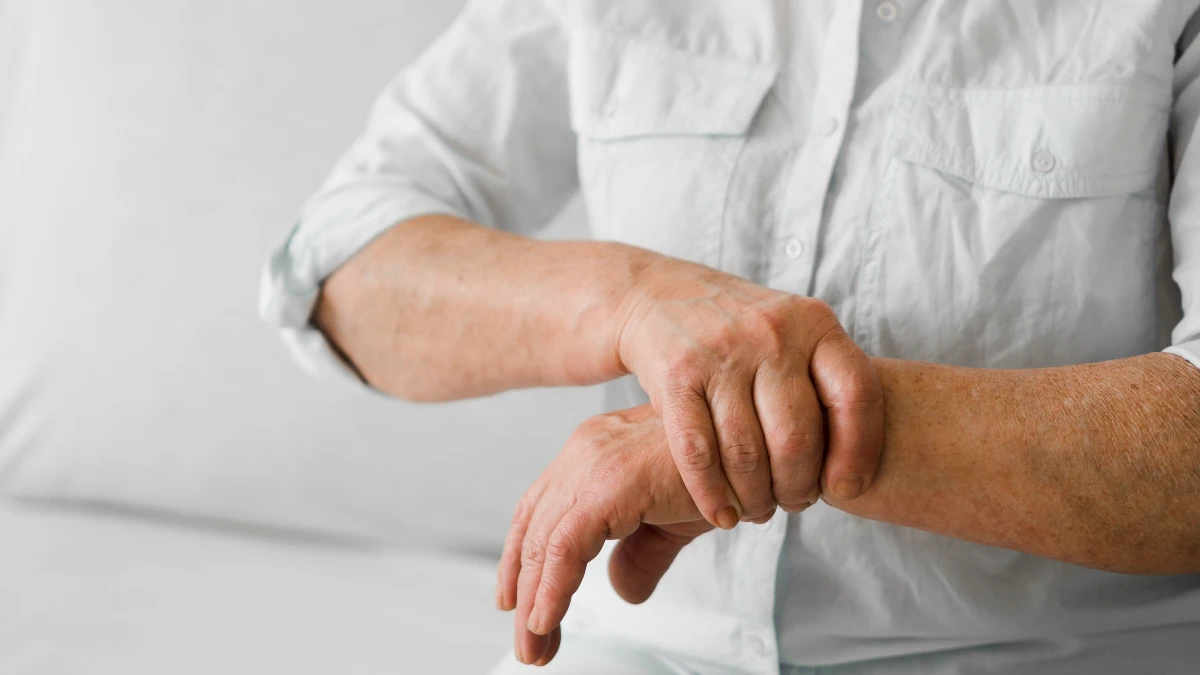
B12 is vital for nerve health. If you are low, you might feel cold intolerance or tingling in your hands and feet.
3. Poor Circulation
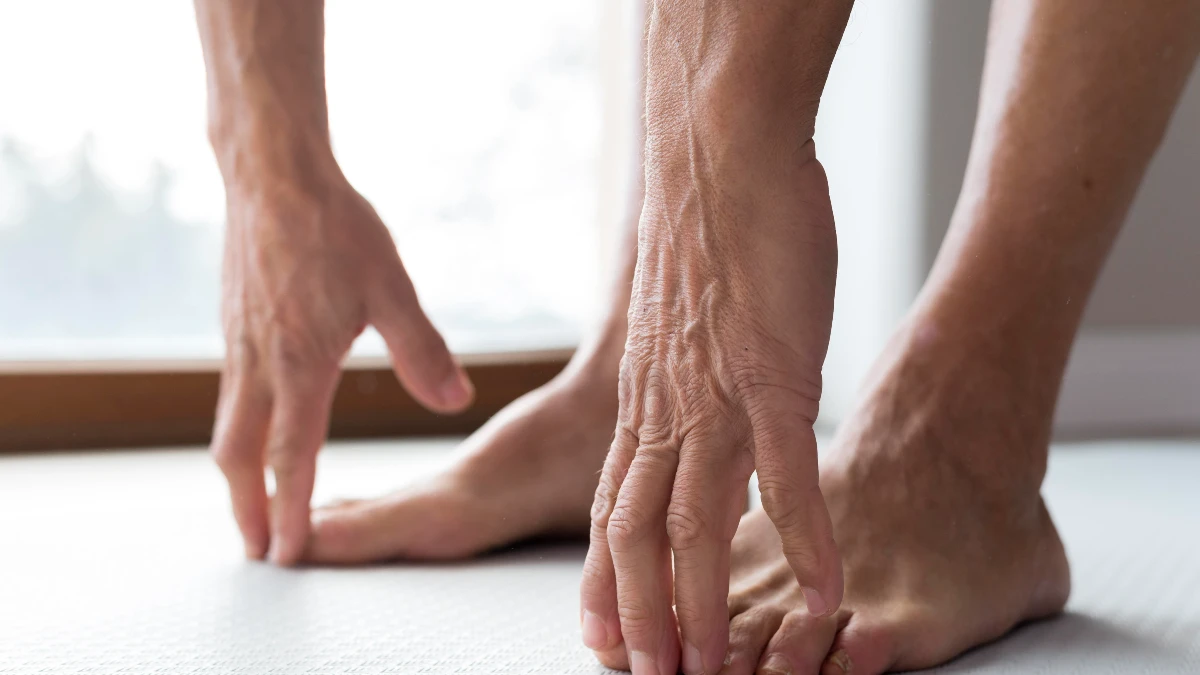
Conditions like peripheral artery disease PAD can limit blood flow. If your hands and feet are ice-cold but your chest feels warm, this might be the cause.
Always check for iron deficiency and B12 levels during your yearly blood work. These are quick fixes that can make a huge difference in how you feel
How to Get Answers: Your 2026 Test Guide?

In the past, doctors only looked at one test called TSH. In 2026, we know that isn’t enough. TSH only tells you if your brain is screaming at your thyroid to work. It doesn’t tell you if the thyroid is actually doing its job. To get a real thyroid diagnosis, you must ask for a Full Thyroid Panel. This includes:
- TSH Test: The starting point.
- Free T4: The storage hormone.
- Free T3: The active hormone that actually keeps you warm.
- TPO Antibodies: To check if your immune system is attacking your thyroid Hashimoto’s.
The American Thyroid Association ATA suggests that adults over 50 should be screened regularly. Don’t just settle for a normal result. Ask your doctor if your levels are optimal. You can be in the normal range and still feel terrible. Be your own advocate.
3 Foods That Feed Your Thyroid
Your thyroid needs specific nutrients to make the hormones that keep you warm. Think of these like the right logs for a campfire. If you don’t eat enough of them, the fire goes out.
1. Brazil Nuts Selenium

Just two nuts a day provide all the selenium you need. This mineral helps turn inactive T4 into active T3. This is the hormone that actually creates heat.
2. Eggs and Seaweed Iodine
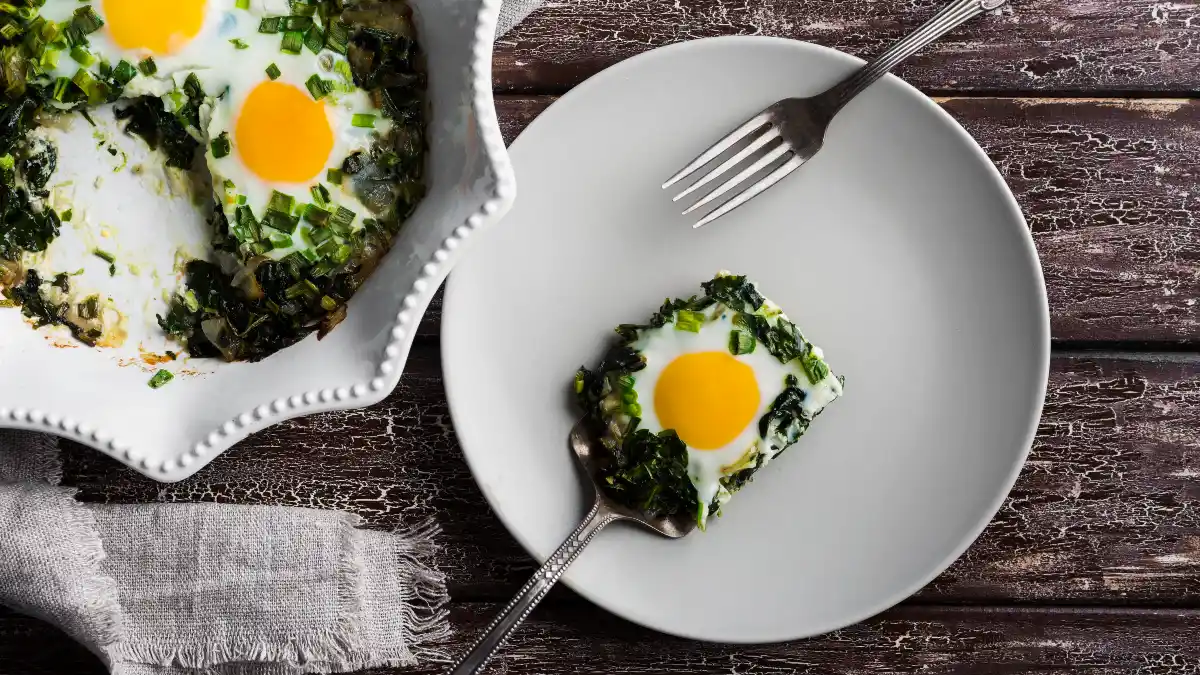
Your body uses iodine as the raw material for thyroid hormones. Without it, your gland can’t build the T3 and T4 you need.
3. Beef or Pumpkin Seeds Zinc

Zinc helps your body talk to your thyroid. It makes sure your brain and your gland are on the same page.
Adding these to your weekly grocery list is a simple way to support your thyroid function. It gives your body the tools it needs to start warming up from the inside out.
How Muscle Helps You Fight the Chill?

As you get older, you naturally lose muscle mass. Doctors call this sarcopenia. This matters because muscle is metabolically active. This means muscle burns energy and creates heat even when you are just sitting on the couch. If you have less muscle, your body creates less heat. This makes the always cold after 50 feeling even worse.
You don’t need to become a bodybuilder. Simple resistance training, like using elastic bands or lifting light weights, can help. When you build a little more muscle, you raise your basal metabolic rate. You are essentially adding more heaters to your home. This helps your thyroid do its job better and keeps your core temperature steady throughout the day.
Why You Shouldn’t Ignore These 4 Red Flags?

Most thyroid issues develop slowly. But sometimes, being cold is a sign of a bigger problem. You should call your doctor right away if you notice these four things along with feeling chilly.
- A Slow Heart Rate: If your pulse is consistently below 60 beats per minute.
- Swelling: If your face, hands, or feet look puffy for no reason.
- Severe Slurring: If you find it hard to speak clearly, or your tongue feels thick.
- Extreme Mental Confusion: If you feel spaced out or can’t follow a simple conversation.
These can be signs of severe hypothyroidism. In rare cases, this can lead to a medical emergency. Don’t wait for your yearly checkup if you feel these symptoms. Getting your thyroid function checked early can prevent these problems from getting worse.
Conclusion
Feeling cold all the time isn’t a personality trait of getting older. It is a biological signal. Your body is trying to tell you that your internal furnace is low on fuel. Whether it is hypothyroidism or a simple vitamin gap, you don’t have to live in a parka.
You deserve to feel comfortable in your own skin again. If you are always cold after 50, take the first step today and get your blood work scheduled.