

We’re often told that lower is better when it comes to blood pressure. But a reading below 90/60 mmHg isn’t always a badge of health. Sometimes, it is actually a distress signal from your body. Many people ignore feeling dizzy or tired because their numbers look great on a screen. This is dangerous. That low number might be masking internal bleeding or a failing heart.
We will look at the hidden causes that doctors sometimes miss. You’ll also find out which red flags mean you need to call 911 immediately. If you have been feeling off despite having low blood pressure, this is for you. Don’t let a perfect number trick you into ignoring symptoms of hypotension. Your body might be trying to tell you something important. It is time to listen.
Why Should You Worry About a Low Number?
Most doctors consider 90/60 mmHg the cutoff for low blood pressure. If your top number systolic is below 90 or your bottom number diastolic is below 60, you have hypotension. But here is the catch: the number matters less than how you feel. According to NIH data, blood pressure is only too low if it causes symptoms or hurts your organs.
Some people live at 85/55 and feel fine. Their bodies have adapted. The real danger comes from sudden drops. If your pressure crashes quickly, your brain and heart stop getting enough oxygen. Doctors call this poor perfusion. Think of it like a garden hose with no pressure. The water can’t reach the plants at the end of the line.
When perfusion fails, your body goes into shock. This is a life threatening emergency. Your organs can start to shut down in minutes. If you feel fine, a low reading might just be your normal. But if you feel weak, confused, or faint, that number is a warning. You need to know when your blood pressure is too low for your specific body.
The “Functional” Threshold of Hypotension
Common benchmark for hypotension in resting adults.
| Status | Perfusion Level |
|---|---|
| Asymptomatic | Tissues receive adequate oxygen. |
| Sudden Drop | Risk of “Poor Perfusion” (Shock). |
⚠️ Immediate Risk Signs
Numbers aside, seek medical attention if you experience:
- Blurred Vision
- Cold, Clammy Skin
- Rapid Breathing
- Confusion
- Extreme Fatigue
- Nausea
5 Hidden Reasons Your Blood Pressure Is Crashing

Low blood pressure isn’t a disease by itself. It is usually a sign that something else is wrong inside. Here are five common causes of low blood pressure that you should know.
- Severe Infections Sepsis: When a simple infection spreads to your blood, it can cause sepsis. Your blood vessels open up too wide, and your pressure drops instantly. This is called septic shock. It is a leading cause of death in hospitals. If you have a fever and low BP, get help now.
- Heart Problems: Your heart is a pump. If the pump is broken, the pressure drops. A very slow heart rate, called bradycardia, means the heart isn’t pushing enough blood. Problems with your heart valves can also keep blood from moving correctly. This leaves your vital organs thirsty for oxygen.
- Vitamin Gaps: You need specific nutrients to make red blood cells. A B-12 deficiency or a lack of folic acid can lead to anemia. Without enough red blood cells, your blood becomes thin, and your pressure falls. This is a slow process, but it can make you feel exhausted every day.
- Hormone Shifts: Your adrenal glands and thyroid control how your body handles stress and energy. If you have Addison’s disease, your adrenal glands don’t make enough hormones to keep your BP steady. An underactive thyroid can also slow everything down. These endocrine disorders are often invisible until a blood test finds them.
- Losing Fluid or Blood: This is about volume. If you are severely dehydrated from a stomach bug, you don’t have enough fluid in your pipes. Even worse is internal bleeding. You might not see blood, but if a stomach ulcer or an injury is bleeding inside, your blood pressure will tank quickly. This is a major medical emergency.
Why Do I Feel Foggy? Signs You Are Ignoring

Most people think you have to pass out for low blood pressure to be serious. That isn’t true. Fainting is the final warning, but your body sends silent signals long before that happens. One major sign is brain fog. If you can’t focus or feel confused, your brain might not be getting enough blood. You might also notice blurred vision.
Watch your skin and breath too. If your skin feels cold or clammy to the touch, your body is pulling blood away from your skin to protect your heart. You might also start taking fast, shallow breaths. Your lungs are working overtime to get more oxygen into the little blood you have moving.
Another common issue is orthostatic hypotension. This is a fancy name for feeling dizzy when you stand up. If the room spins every time you get out of bed, your body isn’t adjusting its pressure fast enough. These symptoms of hypotension are easy to brush off as just getting older. But they are real clues that your system is struggling. Don’t wait for a fall to take them seriously.
Why Does Your Medicine Cabinet Matter?

Sometimes, the very thing meant to help you causes a new problem. Many common pills can push your blood pressure too low. Medicines for high blood pressure often work too well. Diuretics, or water pills, flush out too much fluid. This lowers your blood volume and crashes your pressure.
Even some antidepressants can mess with how your heart and brain talk to each other. If you started a new pill and now feel faint, tell your doctor. Do not stop taking it on your own. But do ask if your dose needs a weak.
3 Red Flags That Mean You Need Help Fast

Mental Confusion or Lethargy: If you feel suddenly disoriented, can’t find your words, or feel like you are about to black out, your brain is not getting enough oxygenated blood. This is a sign of impending organ failure.
Signs of Physical Shock: Check your skin. If it feels cold, clammy, or sweaty while the rest of the room is warm, your body is struggling. Look for a pale or bluish tint to the lips and fingernails, which signals a lack of oxygen in the bloodstream.
Rapid, Shallow Breathing: When blood pressure drops too low, your heart and lungs try to overcompensate. If you are panting or struggling to catch your breath while sitting still, your cardiovascular system is in distress.
How to Fix a Low Reading at Home?
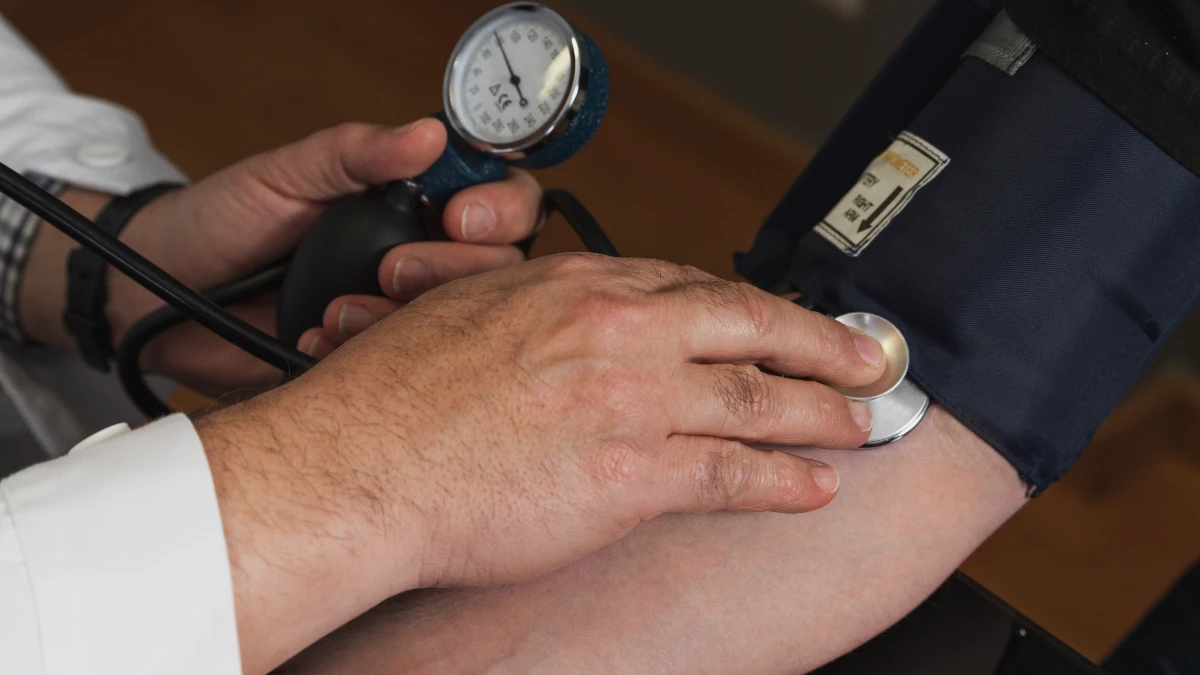
If your doctor says your low BP isn’t from a disease, you can still feel better. Most fixes are simple. First, drink more water. Dehydration is a huge cause of low pressure. Adding a little extra salt to your meals can also help. Salt holds water in your blood vessels to keep pressure up.
You can also try compression socks. These tight socks squeeze your legs. This keeps blood from pooling in your feet. And here is a pro tip: move slowly. When you get out of bed, sit on the edge for a minute before standing up. This gives your body time to adjust.
Conclusion
Low blood pressure is only a win if you feel energized and healthy. If you are constantly tired, dizzy, or foggy, that low number is a symptom, not a goal. It could be a sign of a vitamin lack, a heart issue, or something even more serious. Start a blood pressure log. Every time you take a reading, write down how you feel at that exact moment.
Are you dizzy? Is your vision blurry? Bring this log to your next medical consultation. It gives your doctor the big picture. They need to find the dangers of low blood pressure before it becomes a crisis. Your health is about more than just a number on a screen. It’s about how you feel every day.