
Your 30th birthday is more than just a big party. It is the moment your body hits a biological pivot point. In your 20s, your body was great at building itself up. But after 30, things change. Your metabolism shifts. For the first time, your body begins to break down muscle and bone faster than it builds them back.
This leads to age-related muscle loss and changes in your metabolic health. You might feel more tired or notice your jeans fit differently. The fix isn’t eating fewer calories or spending hours at the gym. It’s about eating more of the right things. You need high quality nutrients after 30 to stay strong and resilient. This guide shows you exactly what your body is asking for right now.
After 30, your body becomes less efficient at absorbing what you eat. You need more protein, calcium, and magnesium just to keep your current health levels. Think of it as a car that needs higher quality fuel as it gets more miles on it. If you don’t provide these specific nutrients, your body starts to borrow them from your bones and muscles.
The Protein Pivot: Why 0.8g Is No Longer Enough
Muscle mass naturally drops by 3% to 8% every decade after you turn 30. Doctors call this process sarcopenia. If you don’t eat enough protein, your body steals it from your muscles to keep your organs running. Most old advice says you only need 0.8 grams of protein per kilogram of body weight. That is no longer enough for you in 2026.
To keep your lean muscle mass, you need to aim higher. You should focus on bioavailable protein. This means protein your body can actually use easily. Look for foods high in an amino acid called Leucine. Leucine acts like a light switch for muscle protein synthesis. It tells your body to start building and repairing rather than breaking down.
Protein also helps you stay full longer. This makes it the best tool for managing your weight and keeping your metabolism steady. Try to include eggs, lean meat, or Greek yogurt at every meal. This simple habit keeps your muscles strong and your energy high all day.
The Bone Bank: How to Stop Bone Loss Before It Starts

Your bones are like a savings account. By age 30, you have made your last big deposit. Your bone density after 30 peaks. After this point, you start withdrawing more than you put in. One in three women over 50 will break a bone because of low density. You can stop this by starting your prevention plan now.
Calcium is the main building block, but it cannot work alone. It needs Vitamin D to get into your system. Think of Vitamin D as the key that opens the door for calcium. By 2026, health experts also suggest adding Vitamin K2 to the mix. The Vitamin D3 K2 combo is essential.
K2 makes sure the calcium goes to your bones and stays out of your arteries. To protect your skeleton, eat plenty of calcium rich foods like kale, almonds, and sardines. If you don’t get much sun, a daily supplement can help fill the gap. Keeping your “bone bank” full now prevents serious injury later in life.
Magnesium and Omega-3s: Why Do I Feel So Stressed?
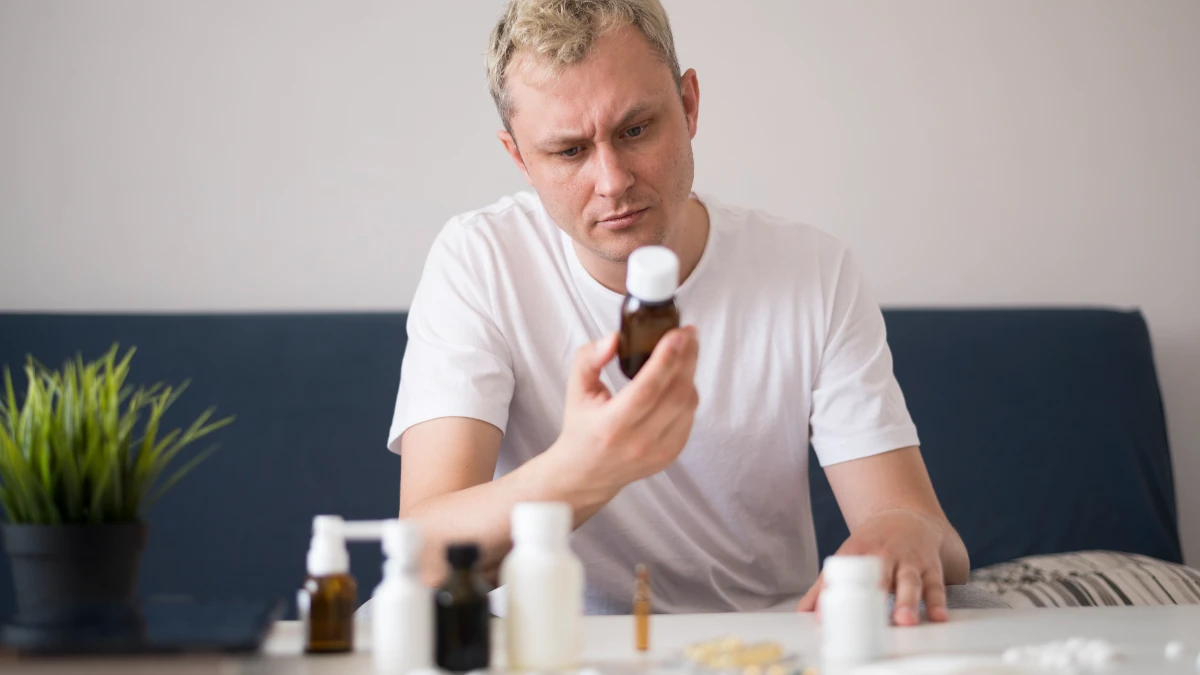
Life in your 30s is often very busy. This stress raises cortisol, which can lead to extra fat around your stomach. Magnesium is the mineral that helps you relax. It helps you sleep better and keeps your muscles from cramping. Many people are low on magnesium because of high stress and processed foods.
You also need Omega-3 fatty acids to reduce inflammation. These healthy fats act like oil for your joints and fuel for your brain. If you feel brain fog or have stiff knees, you likely need more. Omega 3s are also vital for heart health over 30.
You can get these from wild-caught Alaskan salmon, walnuts, or flaxseeds. For magnesium for sleep, try pumpkin seeds or a square of dark chocolate 70% or higher before bed. These small changes help you feel calm and sharp every day.
The Hidden Gap: Does Your Gut Control Your Energy?
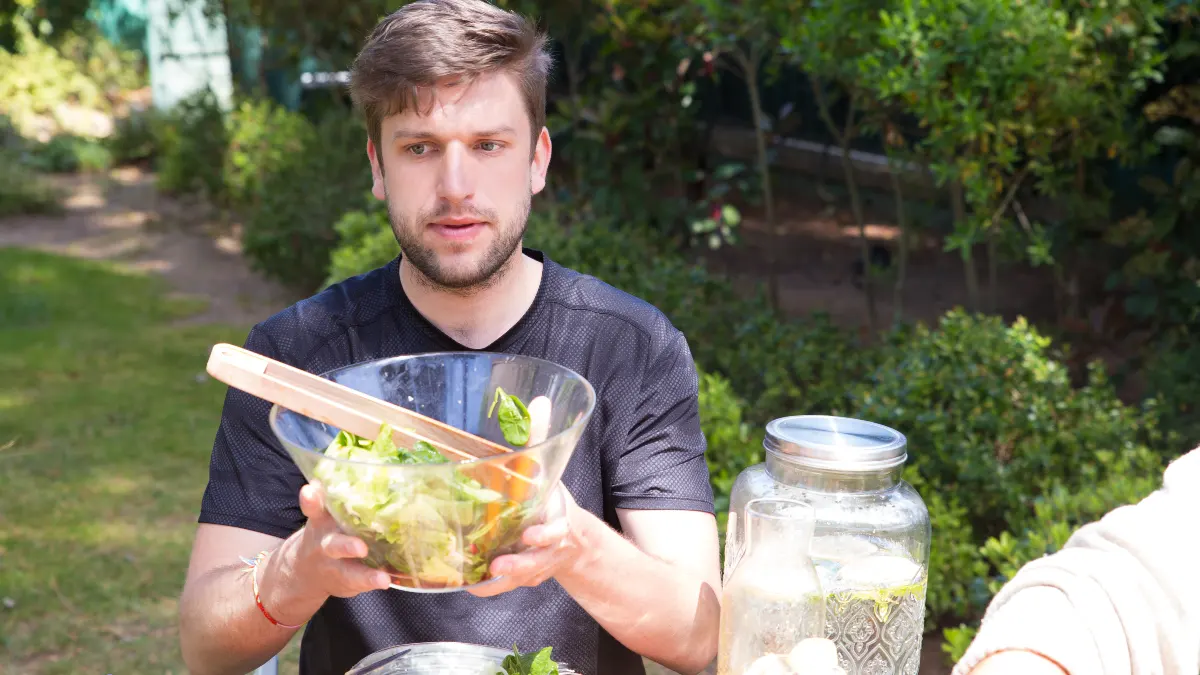
This makes it much harder for your body to absorb Vitamin B12. This nutrient is what gives you energy and keeps your brain healthy. If you feel tired all the time or have tingly hands, you might have B12 deficiency symptoms. You also need to focus on your gut brain axis.
Your gut health affects your mood and your immune system. Probiotics for women and men help keep the good bacteria in charge. You don’t need fancy pills to fix this. Just add fermented foods like kimchi, sauerkraut, or yogurt to your diet. These foods act like a security guard for your health.
The Fiber Foundation: Why Your Heart and Gut Need It

Most people do not eat enough fiber. In your 30s, this becomes a big problem for your metabolic health. Fiber does more than just help with digestion. It acts like a sponge in your gut. It slows down how fast your body absorbs sugar. This prevents the sugar crashes that make you feel tired and grumpy in the afternoon.
This is important because your risk for heart issues starts to climb after 30. You should aim for at least 25 to 30 grams of fiber every day. You can find this in beans, berries, and chia seeds. Adding just one tablespoon of chia seeds to your morning yogurt can get you halfway to your goal. It is a simple way to keep your heart healthy and your blood sugar steady.
Iron and Energy: Don’t Let Your Battery Run Low

If you feel like your battery is always at 10%, you might need more iron. Iron is the mineral that helps your blood carry oxygen to your brain and muscles. Many women over 30 have low iron levels but don’t know it. This leads to iron deficiency symptoms like cold hands, brittle nails, and brain fog.
When your iron is low, your heart has to work much harder to move oxygen around. This makes exercise feel impossible. To fix this, eat more grass fed beef, spinach, and lentils. Always eat these foods with something high in Vitamin C, like a squeeze of lemon or some bell peppers.
Collagen and Water: The Secret to Strong Joints
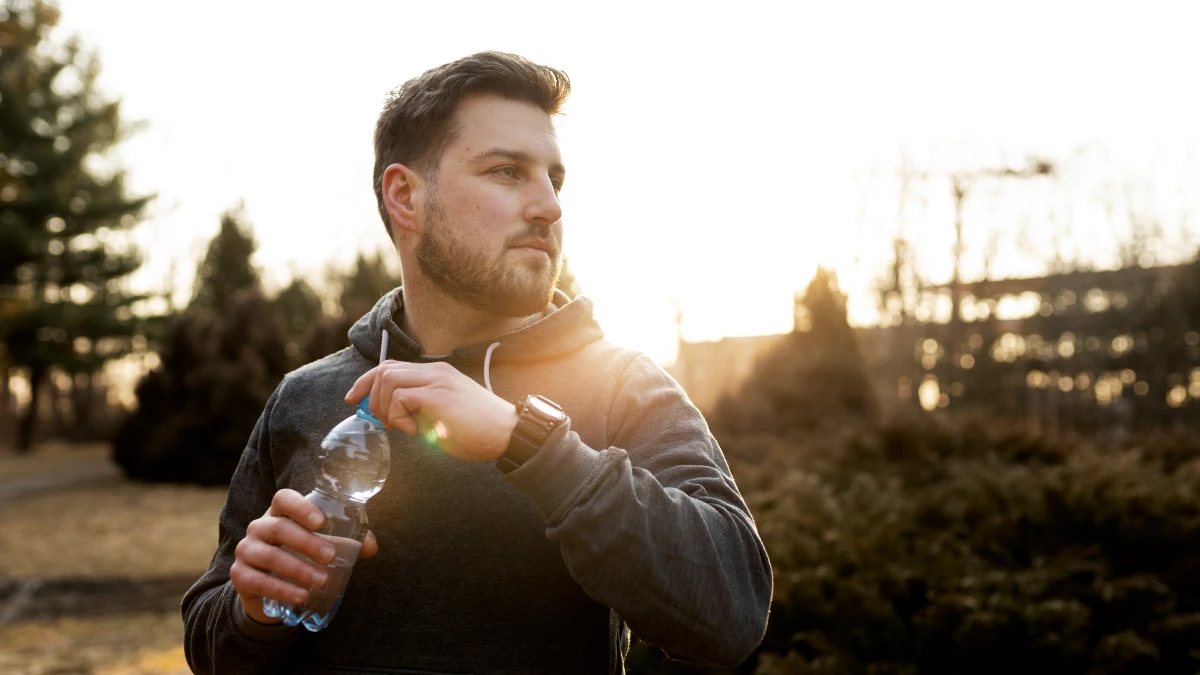
Your body stops making as much collagen once you pass age 25. By the time you are 30, you might notice your skin feels less firm, or your knees start to click when you walk. Collagen is the glue that holds your body together. It protects your joints and keeps your skin looking hydrated.
After 30, your thirst signal gets weaker. You might be dehydrated and not even know it. Drinking enough water is the only way for collagen to do its job. To support your collagen after 30, try drinking bone broth or using a high quality collagen powder.
Conclusion
Your 30s are the best time to take control of your health. You cannot out train a poor diet anymore, and your body needs more support to stay resilient. By focusing on these key nutrients for health after 30, you protect your future self.
Start with one small change this week. Maybe add more protein to your breakfast or try a new fermented food. What nutrient are you going to prioritize first? Let us know in the comments below.