
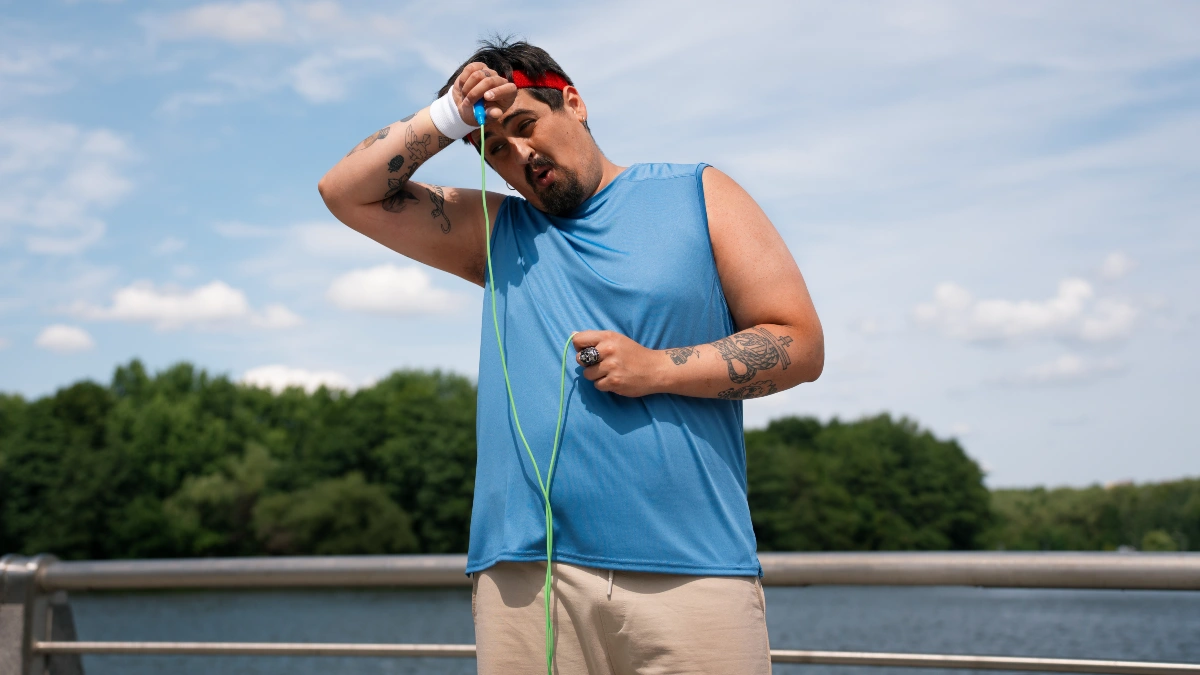
You haven’t changed your diet, yet your scale is creeping up. It’s not a lack of willpower, it’s a change in biology. For many, hitting the half century mark is hitting a metabolic wall. The traditional Eat Less, Move More mantra often fails for weight loss after 50 because it ignores the deep physiological shifts occurring under the surface.
You aren’t just dealing with a slowing metabolism; you are managing a complex interplay of shifting hormones and declining muscle density. The frustration of stubborn belly fat that seems immune to cardio is a common complaint, but it is not a permanent sentence.
In this, we move beyond surface level dieting tips to explore the Trifecta of aging: how your metabolism, muscles, and hormones work in concert. 2026 protocol, a science backed roadmap designed to help you reclaim your metabolic health and work with your body’s new biological reality.
The Biological Perfect Storm: Why the Rules Change at 50

The difficulty of losing weight in your 50s is rooted in a phenomenon often called metabolic inflexibility. Research from institutions like MD Anderson suggests that our Basal Metabolic Rate BMR the energy we burn just staying alive, declines by roughly 10% every decade after age 20.
By the time you reach 50, your body requires significantly fewer calories to maintain its weight than it did in your 30s. If you haven’t adjusted your intake, you are essentially in a permanent surplus without even trying.
The type of fat you carry begins to change. A notable study from Stanford University highlights how estrogen decline in women and testosterone drops in men fundamentally alter fat distribution. Instead of storing fat safely under the skin, subcutaneous, the body begins prioritizing visceral fat.
This is active fat stored deep in the abdomen around your organs. Visceral fat is more than just an aesthetic issue; it pumps out inflammatory cytokines that can lead to insulin resistance, making it even harder for your body to access stored fat for fuel. This creates a biological feedback loop where the more visceral fat you have, the harder your body fights to keep it.
Sarcopenia: The Silent Metabolism Killer

The most aggressive enemy of your metabolism isn’t age, it’s Sarcopenia, the age-related loss of skeletal muscle mass. Experts at the Mayo Clinic note that most adults lose 3% to 8% of their muscle mass every decade after age 30, a rate that accelerates sharply once you cross 50. Since muscle is your body’s primary fat burning furnace, losing it is akin to losing your ability to process energy.
Muscle tissue is roughly three times more metabolically active than fat. A pound of fat may burn only two calories a day at rest, a pound of muscle can burn six to ten. When you lose muscle, your daily caloric budget shrinks. This is why many people who try traditional low calorie diets at 50 end up skinny fat. They lose weight, but a large portion of that loss is muscle, leaving them with an even slower metabolic rate than when they started.
For 2026, sarcopenia prevention through targeted strength training is no longer optional; it is the foundation of weight management. Building muscle sends a powerful hormonal signal that tells your body to prioritize burning fat and preserving lean tissue, effectively “aging down” your metabolism.
The 2026 Weight Loss Protocol: Actionable Solutions

To see results after 50, your strategy must pivot from deprivation to optimization. Here are the three non negotiable pillars for modern fat loss:
The Protein Leverage Hypothesis: Research popularized by experts like Dr. Gabrielle Lyon suggests that our bodies will continue to feel hungry until we hit a specific protein threshold. Because of anabolic resistance, older adults need more protein to achieve the same muscle-building effect as younger people. Aim for 1.2g to 1.5g of protein per kilogram of body weight. For a 170lb person, this means roughly 90 115g of protein daily. This keeps you full and protects your muscle “furnace.”
Resistance Over Cardio: While walking is great for heart health, it won’t fix a fading metabolism. You need resistance training (weights, bands, or bodyweight) at least three times a week. Lifting weights triggers the release of growth hormones that directly combat the fat storage signals sent by declining estrogen or testosterone.
The Sleep Cortisol Connection: Chronic stress and poor sleep are metabolic toxins. High levels of cortisol, the stress hormone, tell your body to store belly fat and break down muscle for quick energy. Data from the AARP and Medical News Today show that consistently getting less than 7 hours of sleep can disrupt appetite hormones ghrelin and leptin, making you crave sugar and making cortisol management nearly impossible.
When to See a Professional?

If you are hitting your protein goals, lifting weights, and managing stress but still seeing the scale move upward, it is time for a medical deep dive. Hormonal imbalances, specifically thyroid dysfunction or severe testosterone and estrogen drops, can create a biological ceiling that lifestyle changes alone cannot break.
Discuss Hormone Replacement Therapy HRT with your doctor, as it can often level the playing field, allowing your diet and exercise efforts to actually yield results. Also, review any medications for blood pressure or depression, as many can cause weight gain as a side effect.
The Gut-Weight Connection: Microbiome Shifts After 50

As we age, the diversity of our gut microbiome, the trillions of bacteria living in our digestive tract, tends to decline. Emerging research from the Cleveland Clinic suggests that a less diverse microbiome is directly linked to increased inflammation and weight gain.
In our 50s, the firmicutes bacteria, which are highly efficient at extracting calories from food, can begin to outnumber bacteroidetes, which are linked to leanness. This means two people could eat the same apple, but the person with an imbalanced gut would actually absorb more calories from it.
To fix this, the 2026 protocol emphasizes prebiotic and probiotic diversity. Actionable steps include consuming 30 different plant based foods per week and incorporating fermented foods like kefir or sauerkraut. By improving gut health, you reduce systemic inflammation, which makes your cells more sensitive to insulin and allows your body to release stored belly fat more easily.
Ending “Metabolic Confusion”: The Role of Insulin Sensitivity

By age 50, many adults have developed some degree of insulin resistance, a state where the body’s cells stop responding effectively to the hormone insulin. When this happens, your body pumps out even more insulin to compensate. Since insulin is a primary fat storage hormone, having chronically high levels makes it biochemically impossible to burn fat, regardless of how much you exercise.
Dr. Jason Fung, a leading expert on metabolic health, notes that frequent snacking and high carb diets keep insulin spiked all day, locking your fat stores. The solution is improving insulin sensitivity through strategic meal timing. In 2026, many health experts recommend. Time Restricted Feeding: a 12 to 14 hour overnight fast combined with reducing refined carbohydrates.
This gives your insulin levels a chance to drop low enough for the body to access stored energy. Transitioning from grazing to three distinct, high protein meals can reset your metabolic flexibility and stop the cycle of mid-afternoon energy crashes and sugar cravings.
The Mindset Pivot: From Dieting to Body Recomposition

The biggest psychological hurdle to weight loss after 50 is the obsession with the bathroom scale. After 50, your goal should not be to simply weigh less, but to change your body composition, having more muscle and less fat. Because muscle is much denser and heavier than fat, you may find your clothes fitting significantly better and your waistline shrinking even if the number on the scale stays the same.
In 2026, successful weight management requires a shift in how we measure progress. Instead of weighing yourself daily, use tools like a tape measure to track your waist circumference or a smart scale that measures body fat percentage. Focus on Non Scale Victories NSVs like increased energy, better sleep, and the ability to lift heavier weights.
Shifting your mindset from a temporary diet to a permanent lifestyle optimization reduces the stress and cortisol spikes associated with scale watching, making the process more sustainable and less frustrating.
Conclusion
The 50+ Metabolic Blueprint
Muscle mass decline per decade after age 30. Strength training isn’t just exercise; it’s metabolic insurance.
Of calories from protein are burned just during digestion (TEF), compared to only 5-10% for fats/carbs.
“After fifty, the goal shifts from weight loss to body recomposition. You aren’t just trying to be smaller; you are trying to be more functional.”
— Longevity Science InsightAchieving healthy weight loss after 50 requires a mindset shift: you aren’t fighting a lack of willpower, you are managing a new biological landscape. By prioritizing protein, engaging in regular strength training, and respecting your body’s need for recovery, you can override the perfect storm of aging. It’s about working with your 50+ biology, not against it.