

You just finished a healthy bowl of kimchi or a cold glass of kombucha. You feel good about your choice. Then, two hours later, it happens. You look six months pregnant. Your stomach feels like a balloon about to pop. It is painful, embarrassing, and confusing. After all, these foods are supposed to fix your gut, not break it.
This is the Superfood Paradox. It is when healthy foods cause more harm than good. If you are bloated and gassy after eating fermented foods, you are not alone. Your gut microbiome is sending you a signal. In this guide, you will learn about the 2 hour window and why timing is everything.
We will look at probiotic side effects and how to tell a healing crisis from a real red flag. You will also receive the 2026 Low and Slow protocol to fix your digestion for good.
The 2-Hour Window: Why Timing Matters?
Why does the pain hit at the two hour mark? That is usually when food leaves your stomach and enters your small intestine. This is where the real work of digestion happens. It is also where things often go wrong. When you eat fermented foods, you send a massive swarm of new bacteria into your system. Think of it like a bacterial turf war.
The new, good bacteria start fighting the old, bad bacteria for space. This creates small intestine fermentation. As the bad bacteria die off, they release gas as a byproduct. This is called a die off reaction. It can feel like heavy digestive distress. Your microbiome balance is shifting.
This shift is usually a sign that the food is working, but it means you are going too fast. If the gas stays trapped in the small intestine, the pressure builds up. That is why you feel that sharp, stretching pain exactly two hours after your meal. This is not a hidden danger yet, but it is a sign that your system is overwhelmed.
The Hidden Danger #1: Why Histamine Intolerance Is a Pseudoallergy?
Sometimes the problem is not the bacteria. It is a chemical called histamine. Fermentation naturally creates high levels of this compound. Most people have an enzyme called DAO. Think of DAO as a cleanup crew. It breaks down histamine, so it does not hurt you.
But some people do not have enough DAO. This leads to histamine intolerance symptoms. If your cleanup crew is missing, histamine builds up in your blood. This causes more than just a big belly. It can lead to migraines, red skin, or itchy eyes about two hours after eating.
If you feel sick every time you eat high histamine foods like aged cheese or sauerkraut, your DAO enzyme levels might be low. This is a pseudoallergy because it looks like an allergy but acts like a bucket filling up. Once the bucket overflows, you feel the pain.
The Hidden Danger #2: SIBO and Adding Fuel to the Fire

There is another reason you might feel sick. It is called SIBO. This stands for Small Intestinal Bacterial Overgrowth. Usually, most of your gut bacteria live in the large intestine. With SIBO, they move into the small intestine, where they do not belong. When you add fermented foods, you are adding fuel to a fire.
SIBO and probiotics do not always mix well. Instead of helping, the fermented food acts like fertilizer for the bacterial overgrowth. The bacteria eat the sugars and fibers and produce massive amounts of gas.
This leads to chronic bloating that will not go away with more healthy eating. By 2026, the gold standard for checking this is a simple breath test. If you react poorly to every ferment you try, SIBO might be the hidden cause.
Emerging 2026 Concern: The Antibiotic Resistance Resistome
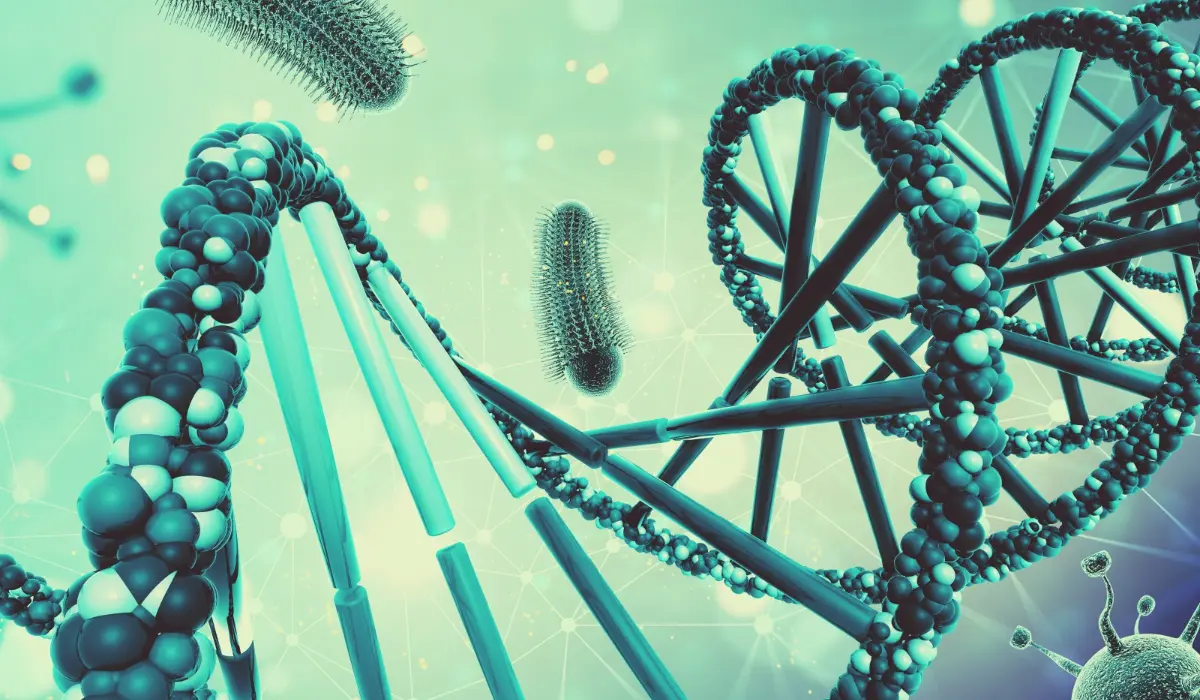
We used to think all lactic acid bacteria were perfectly safe. Some of these bacteria can carry antibiotic resistance genes. If these genes jump to other bacteria in your body, it could make it harder for doctors to treat you later on. This is why fermented food safety matters more than ever in 2026.
You should avoid mystery home brews if your immune system is weak. Instead, look for high quality brands that are Genome Vetted. These companies test their strains to make sure they are not carrying dangerous genetic leftovers. It is a small step that keeps your long-term health safe.
The Salt Trap: Why Your Pickles Cause Water Retention?

Not all bloating is caused by gas. Many fermented foods, especially miso, kimchi, and traditional pickles, are packed with sodium. Salt is necessary for the fermentation process because it keeps bad bacteria away while the good ones grow. However, if you eat too much at once, your body begins to hold onto water.
This water retention often leads to a heavy feeling in your midsection that starts about two hours after your meal. Unlike gas, which might come and go, salt induced bloating can last for several hours and make your clothes feel tight. In 2026, many gut health experts suggest a simple fix: the Water to Kraut ratio.
For every serving of salty ferments, drink an extra eight ounces of plain water. This helps your kidneys flush out the excess sodium and keeps your gut microbiome from feeling like it is swimming in brine.
The Sugar Spike: When Kombucha Feeds the Wrong Microbes

Many people choose kombucha or flavored yogurts as their main source of probiotics. The problem is that these drinks often contain residual sugar. This is sugar that was not fully eaten by the bacteria during the fermenting process. When you drink it, that sugar goes straight to your gut.
If you have an imbalance, that sugar acts like a feast for gas producing yeast and bacteria. This leads to probiotic side effects like sharp pains and a bubbly stomach. By 2026, the trend has shifted toward Extra Dry ferments. These are fermented longer so that all the sugar is gone.
If you are bloated and gassy after eating fermented foods that taste sweet, the sugar is likely the trigger. Try switching to plain, unsweetened kefir or sour kraut for two weeks to see if the gas disappears.
Safety Check: Avoiding Contamination in Home Brews
Fermenting at home is a popular 2026 hobby, but it comes with risks. If your jars are not perfectly clean or the temperature is too warm, harmful bacteria like Salmonella or E. coli can grow alongside the good ones. This is a hidden danger that causes severe digestive distress, including diarrhea and nausea.
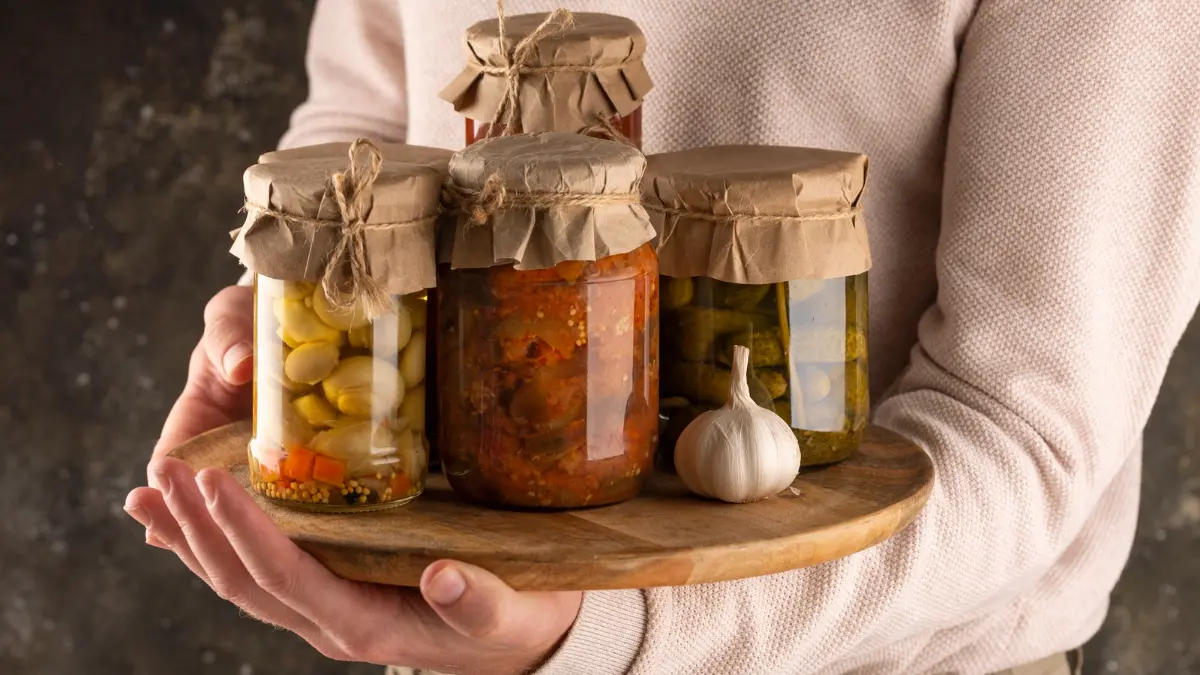
Always check your ferments for a fuzzy mold or a rotten smell. A healthy ferment should smell sour or tangy, never like garbage. If you have a weak immune system, your body might struggle to fight off even small amounts of bad bacteria.
Stick to store bought brands that use Flash Chilling technology to keep the product stable. Following basic fermented food safety rules ensures that your journey to health doesn’t end with a trip to the doctor.
Conclusion
Fermented foods are powerful tools. They are not magic pills that work for everyone right away. If you feel bloated and gassy after eating fermented foods, your body is talking to you. It is not failing; it is just asking for a slower pace.
Listen to your gut. Try the low and slow method. If the pain lasts longer than three weeks, see a doctor. You might have an underlying issue like SIBO that needs professional help.