
Sitting on the couch after dinner, you feel the top button of your pants straining. It is 7:45 PM. Instead of feeling satisfied, a heavy, sluggish annoyance settles in. A simple meal caused this much discomfort. You remember when a burger and fries felt like fuel, not a heavy weight.
Now, three bites into dinner, your stomach feels tight. That familiar, slow-burning pressure starts to rise. It’s not that you ate too much. It is that your body seems to have forgotten what to do with what’s on your plate. This “after-50” bloat isn’t just about slowing down. It is a measurable physiological shift in how your cells signal for help.
If you think this is an inevitable part of getting older, listen closely. Your digestive system hasn’t broken. Its “ignition spark” has simply dimmed. You might notice that even a healthy kale salad now leaves you feeling inflated. This isn’t your fault. It isn’t just “old age.” The primary cause is a decline in digestive enzymes after 50, but you can relight that internal fire.
Consider Claire. She found herself grazing on tiny snacks all day. Full meals made her feel “tight” and exhausted. She assumed her “iron stomach” was gone forever. She just needed to sharpen her chemical scissors.
Every situation responds differently. Use this as a starting point, not a prescription.
The “Acid Dimmer Switch”: Why 50 is the Tipping Point
Your stomach relies on a specific internal pH to kickstart the breakdown of food. Think of stomach acid as the “ignition spark” for your entire digestive engine. As we cross into our fifties, the production of hydrochloric acid often begins to taper off. This decline creates a “dimmer switch” effect. The signal to release digestive enzymes becomes faint and unreliable.
When acid levels drop, a condition called Hypochlorhydria (low stomach acid) can occur. This is the biological “why” behind your discomfort. Without enough acid, your stomach cannot effectively signal the pancreas to release the enzymes needed to finish the job. This means the steak or salad you just ate sits in a lukewarm pool of low-acid fluid. It should be dismantled quickly. Instead, it stalls.
This lack of “fire” leads to the heavy, brick-like sensation Claire felt after her evening meals. When food isn’t broken down by enzymes, it begins to ferment in the gut. This creates the gas and pressure that forces you to undo your top button. It is a chain reaction. Low acid leads to low enzymes. Low enzymes lead to a stalled system.
The “Acid Dimmer Switch” also affects how you absorb vital nutrients. You aren’t just what you eat; you are what you actually break down and absorb. If the enzymes aren’t there to act as “chemical scissors” cutting up protein chains, those nutrients pass through you unused. This is why you might feel fatigued even after eating a high-protein meal.
Beyond the Gut: How Enzyme Gaps Affect Your Energy and Muscles
When your digestive enzymes after 50 begin to decline, the impact reaches far beyond a bloated stomach. Those enzymes act as the “chemical scissors” that snip long protein chains into individual amino acids. If the scissors are dull, those proteins remain largely intact. They travel through your system like oversized luggage that nobody can open.
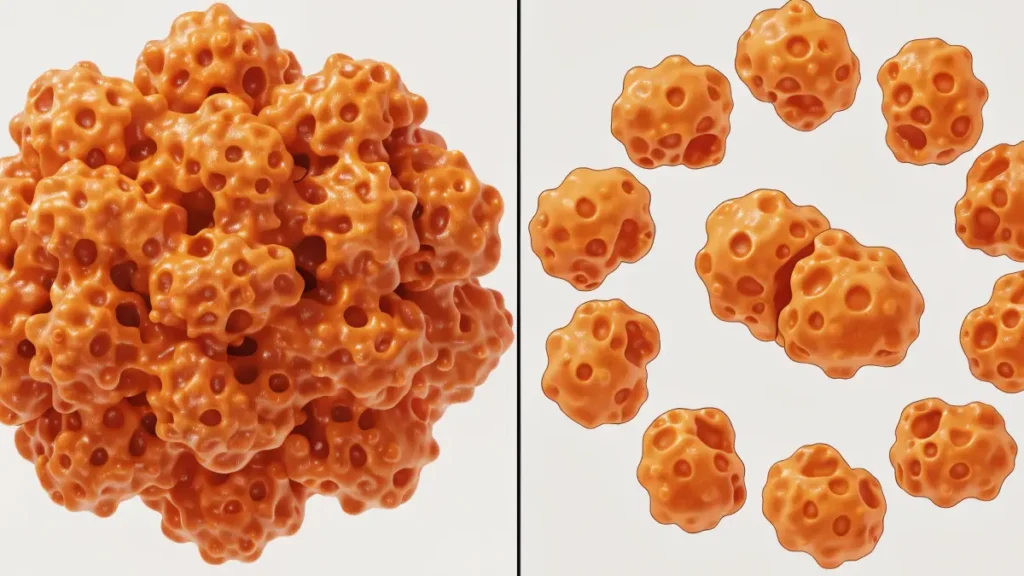
This creates a systemic problem. You might eat plenty of protein, but your muscles don’t receive the building blocks. This behaves like a light version of Pancreatic Exocrine Insufficiency, or PEI. For the average person over fifty, this usually manifests as “muscle hunger.” You feel physically weaker or slower to recover from a walk despite a high-protein diet.
The exhaustion you feel after eating isn’t a “food coma.” It’s a system-wide SOS. Your body is diverting massive amounts of energy to a digestive tract that is struggling. It lacks the proper tools. Claire noticed this most during her morning tasks. She felt a lingering heaviness that made movement feel more demanding than it used to.
This enzyme gap also affects your “Brush Border.” These are the tiny, finger-like projections in your small intestine that perform the final stage of digestion. As these enzymes degrade with age, even healthy foods like kale or broccoli can trigger a flare-up. You aren’t losing your health. You are losing the specific tools required to extract energy from your meals.
Is it Enzymes or Low Stomach Acid? How to Tell the Difference
Distinguishing between a lack of enzymes and a lack of acid can feel like a guessing game. Your body provides subtle clues. Low stomach acid often presents as immediate “top-shelf” discomfort. Think of stomach acid as the “ignition spark” for your entire digestive engine. Without it, the engine never turns over. This is the part most guides skip because they focus only on the gut bacteria.
If you feel a heavy, burning pressure high in your chest shortly after swallowing, you are likely looking at an acid issue. Marcus, a typical example of this confusion, used to reach for antacids the moment he felt that slow-burn. He assumed he had “too much” acid. The antacids actually made his digestion feel worse and more sluggish. His “reflux” was actually caused by too little acid, not too much.
Every situation responds differently. Use this as a starting point, not a prescription.
Enzyme gaps usually show up lower in the abdomen. They happen slightly later in the digestive process. You might feel fine for the first twenty minutes. Then, you experience a sudden, balloon-like bloating in your midsection. This is where the “chemical scissors” are supposed to take over. If those scissors are dull, the food remains too large for the intestinal wall to absorb. Marcus noticed this when he tried to stay active after a meal.
One way to tell the difference is to notice what triggers the discomfort. High-protein foods like steak or eggs usually signal an acid and pepsin issue. If fibrous vegetables or fatty salmon leave you feeling gassy and “inflated,” your pancreatic enzymes may need more support. Understanding this distinction is the first step toward relighting your digestive fire.
Common Mistakes: Why Your Probiotic Isn’t Fixing the Bloat
Many people reach for a bottle of probiotics the moment their stomach feels “off.” This often misses the mark. Probiotics help balance the “neighborhood” of bacteria in your gut. They do not actually break down the food you just ate. If your digestive enzymes after 50 are the problem, adding more bacteria is like hiring more staff for a kitchen that has no working knives.
Probiotics are living organisms that support long-term gut health. They lack the immediate “cutting power” of enzymes. Marcus fell into this common trap. He spent money on expensive fermented drinks and capsules while his bloating only intensified. He was trying to fix a “who” problem (the bacteria). He actually had a “how” problem (the mechanical breakdown of nutrients).

Another frequent error is the over-reliance on antacids. As we discussed with Marcus, the burning sensation after 50 is frequently a sign that food is fermenting because acid is too low. Taking an antacid in this scenario effectively douses the last remaining embers of your digestive fire. This makes it impossible for your enzymes to activate. Most require a highly acidic environment to start snipping those protein chains.
Drinking too much water during a meal can also dilute the very enzymes you’re struggling to produce. Staying hydrated is vital, but flooding your stomach with cold water during dinner is like watering down soup. The concentration of your natural “chemical scissors” becomes too thin to be effective. This simple mistake can turn a well-balanced meal into a heavy, undigested weight.
How to Reset Your Digestion: Your Tiered Action Plan
You are the primary investigator of your own body, and you have the power to change how you feel after every meal. Reclaiming your “iron stomach” starts with supporting your body’s natural rhythm before reaching for a pill bottle.
- Practice the 20-Chew Rule: Every bite of food should be chewed 20 times. It should reach a liquid-like texture in your mouth. This manual breakdown does half the work for your stomach.
- Use Enzyme-Rich Primers: Eat a few slices of fresh pineapple (bromelain) or papaya (papain) before a heavy protein meal. These contain natural “chemical scissors” that begin tenderizing meat before it reaches your small intestine.
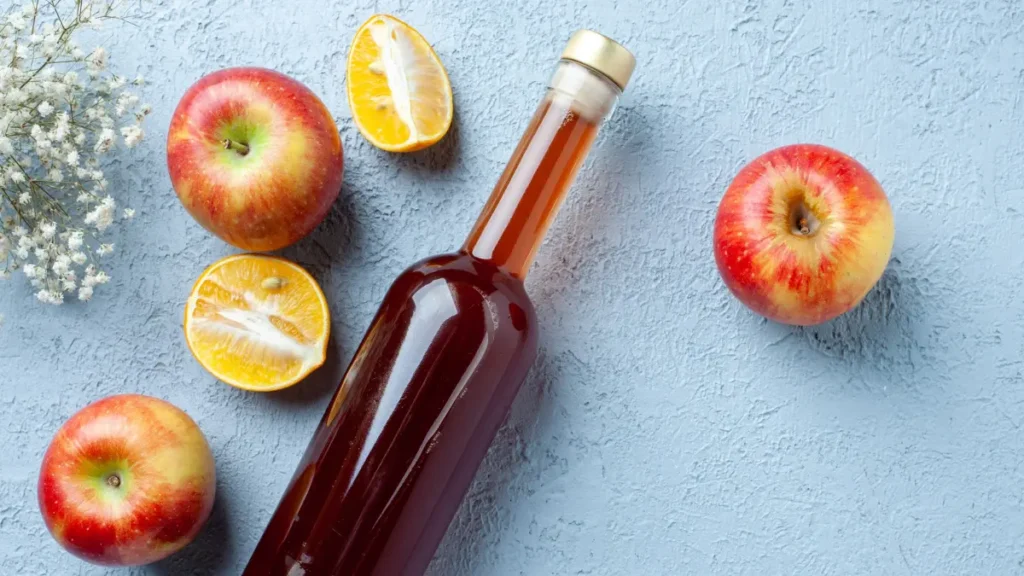
- Try the Apple Cider Vinegar Ritual: Mix 1 teaspoon of raw apple cider vinegar in a small glass of room-temperature water. Drink it 10 minutes before your meal. This slight increase in acidity helps “relight” the spark your stomach needs.
- Sip Ginger Tea: Use warm ginger tea after eating to stimulate movement in the gut. This helps prevent food from sitting too long and fermenting.
- Monitor Your “Heaviness” Score: For one week, rate your post-meal comfort on a scale of 1 to 10. Note which foods cause the most “inflation.”
Track your energy level 90 minutes after each meal on the same 1–10 scale. A score below 6 consistently after the same food type signals your enzymes are not finishing the job. Start tracking tonight. Two weeks of entries gives you a clear pattern to bring to any appointment.
Canned pineapple in juice, not syrup, works as well as fresh for the bromelain primer. Frozen papaya chunks are nutritionally equivalent and often more affordable. Buy apple cider vinegar in bulk.
You do not need specialty supplements to start this protocol. These are grocery store staples.
Take a 10-minute walk after your largest meal, at least five days a week. Keep the pace slow and steady. You should feel your stomach gently settling, not bouncing. Avoid anything faster than a comfortable stroll. If mobility is limited, gentle marching in place for five minutes works just as well.
Try 10 slow belly breaths before sitting down to eat. Inhale through your nose for four counts, exhale through your mouth for six.

This activates your parasympathetic nervous system (your body’s rest-and-digest mode), which your body needs before it can release enzymes properly. Most people eat in a stress state. This resets that. If you find the count difficult, three deep breaths still make a measurable difference.
Marcus adopted this “chewing protocol.” He shifted his eating into smaller, protein-focused windows. He gradually noticed his energy returning during morning tasks. The heavy, post-meal “brick” sensation began to lift. Smaller, more frequent meals can prevent the system from being “flooded” when enzyme production is naturally lower.
When to Talk to a Gastroenterologist

While natural shifts in digestive enzymes after 50 are common, some symptoms require a professional evaluation. It is important to distinguish between the typical “acid dimmer switch” of aging and clinical issues like gallbladder dysfunction. If your digestive discomfort is accompanied by unexplained weight loss or severe pain that radiates to your back, it is time to seek medical advice.
You should also consult a specialist if you notice persistent changes in your bowel habits. Stools that appear oily, greasy, or pale are significant red flags. These are often signs that your “chemical scissors” are not just dull, but significantly underperforming. This prevents you from absorbing essential fats and fat-soluble vitamins. Chronic, severe bloating that does not respond to the “20-chew rule” also warrants a closer look.
A specialist can perform targeted tests. A fecal elastase test measures exactly how many enzymes your pancreas is producing. They can also check for Small Intestinal Bacterial Overgrowth (SIBO). This often mimics the symptoms of enzyme deficiency. Identifying the specific root cause ensures you aren’t just masking symptoms but actually restoring your digestive fire with the right clinical support.
Your Answered Questions
Can I get enough enzymes from food alone?
While foods like pineapple and papaya contain specific “chemical scissors,” they may not be enough for a full meal. These natural sources act as a primer. Your body still needs its own production to handle heavy proteins and fats. Using them as a first-step ritual is a low-cost way to support your system.
What is the difference between digestive enzymes and probiotics?
Enzymes are biological catalysts that physically break down the food on your plate. Probiotics are live bacteria that help maintain the environment in your gut. If you feel “heavy” immediately after eating, you likely need enzyme support, not just more bacteria.
Are there side effects to taking enzyme supplements?
Most people tolerate them well. Some may experience mild nausea or temporary changes in bowel habits. Always consult with a healthcare professional. High doses can sometimes irritate the stomach lining if your acid levels are already high.
Conclusion
Your “iron stomach” hasn’t disappeared. It has simply shifted into a new phase of life. You have the resources and the knowledge to adapt. Understanding the ‘Acid Dimmer Switch’ and sharpening your internal ‘chemical scissors’ gives you back your energy and stops the post-meal bloat. This isn’t just about aging , it is about giving your body the specific tools it needs to handle digestive enzymes after 50.
The first step to relighting your digestive fire is simple: try the 20-chew rule at your next meal tonight. This manual breakdown reduces the workload on your stomach. It gives your natural enzymes a fighting chance to do their job.
Your Digestive Reset Protocol:
- Chew every bite 20 times to a liquid-like texture.
- Eat a small serving of pineapple or papaya before protein.
- Sip 1 teaspoon of apple cider vinegar in water before dinner.
- Stop drinking large glasses of water during the meal.
Claire now implements a “bitters-first” ritual and feels the “heaviness” lifting during her daily tasks. She no longer fears a full meal. Her energy has returned because she is finally absorbing the fuel she eats. You have done the hard work of learning the “why”, now you can move from feeling like a brick is in your chest to eating with confidence by simply sharpening your tools.
⚠️MEDICAL DISCLAIMER :
This content is for informational and educational purposes only and does not constitute medical advice, diagnosis, or treatment.
The symptoms of enzyme deficiency can mimic more serious gastrointestinal conditions. Before making changes to your diet, exercise routine, or supplement regimen, consult a qualified healthcare provider who can evaluate your individual health status, medications, and risk factors.