

You’ve done the research. You bought the best rated magnesium online. You take it every single night. Yet, you’re still staring at the ceiling at 2 AM, wide awake and frustrated. Most people treat magnesium like a light switch. They think that if they swallow a pill, their brain will turn off.
But your body doesn’t work that way. The truth is that bioavailability determines if that switch ever gets flipped. If your body can’t use the mineral, it just passes through you. This creates the Absorption Gap. This is the difference between the milligrams on the label and the amount that actually reaches your brain.
To fix your insomnia, you don’t necessarily need more magnesium. You need to close this gap. Today, you will learn why your current pills are failing and how to choose magnesium glycinate to get the rest you need, finally.
Why Your Magnesium Pills Aren’t Working (The Absorption Gap)?
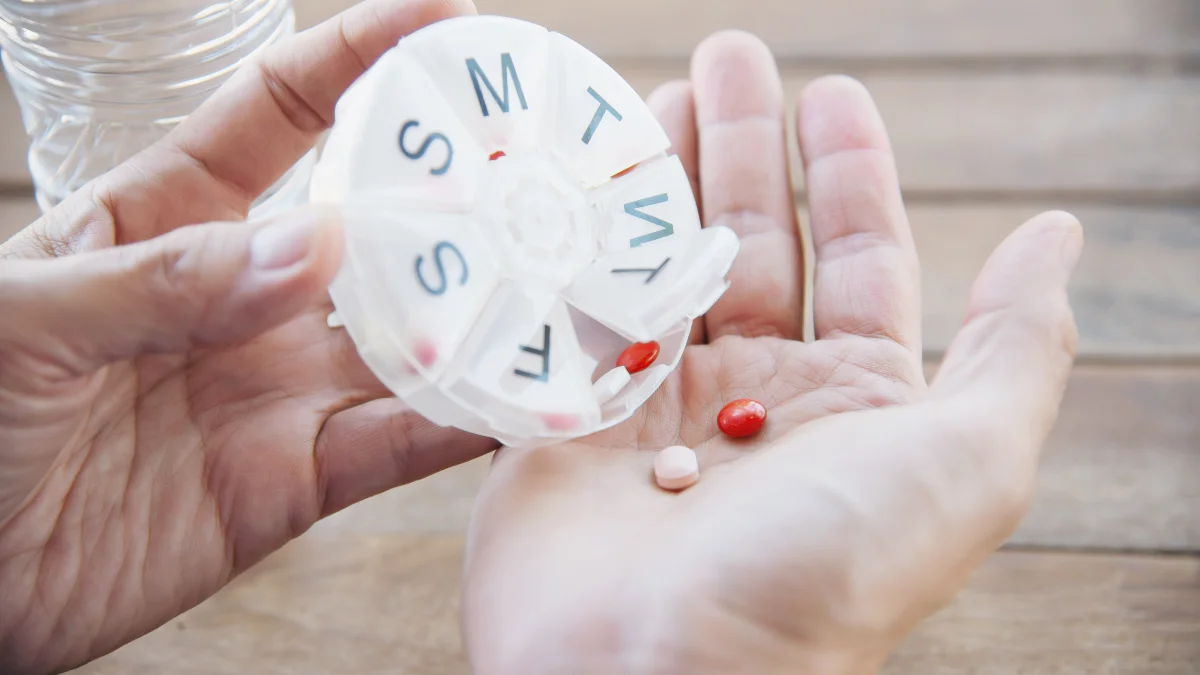
If you feel like your supplements are useless, you might be right. Most cheap supplements use magnesium oxide. It is a magnesium salt that is very hard for your gut to break down. Current data shows that magnesium oxide has an absorption rate as low as 4%.
If you take a 500mg pill, your body might only get 20mg of actual magnesium. The rest stays in your gut and often causes a laxative effect. This is the Absorption Gap in action. To fix this, you need to look at magnesium bioavailability. Your gut health plays a big role here.
If your stomach acid is low or your gut is inflamed, you absorb even less. Instead of these salts, you want chelated forms. These are minerals attached to amino acids. Your body sees them as food, not rocks, so it pulls them into your bloodstream much faster. Chelated forms can reach absorption levels of 50% to 60%. That is a massive difference when you are trying to sleep.
Which Type Actually Helps You Sleep? (Chelate vs. Salt)
Bioavailability: The “Absorption Gap”
Why the form of Magnesium determines your results
The Synergy: Bound to Glycine, an inhibitory neurotransmitter that lowers core body temperature.
Best for: Chronic insomnia & physical tension.
The VIP Pass: Specifically designed to penetrate the Blood-Brain Barrier.
Best for: Racing thoughts & cognitive fog.
The Poor Traveler: Only ~4% absorption rate. Most stays in the gut.
Side Effect: Potent laxative effect (unwanted at night).
— Clinical Insight
*Compared to Magnesium Oxide | **Refers to Glycinate and Threonate forms at standard dosages.
Choosing the best magnesium for sleep comes down to chemistry. Think of the magnesium molecule like a passenger. It needs a vehicle to get into your cells. In cheap pills, the vehicle is oxygen, Magnesium Oxide. This vehicle is tiny and crashes easily in the stomach.
But in magnesium glycinate, the magnesium is bound to glycine. Glycine is an amino acid that tells your nervous system to relax. This vehicle is much bigger and more stable. It protects the magnesium so it can travel safely through your digestive tract. If you want to focus on your brain, look for Magnesium L Threonate.
This is the only form that easily crosses the blood brain barrier. It acts like a VIP pass into your gray matter. It is excellent for quietening a racing mind. On the other hand, stay away from magnesium citrate if your only goal is sleep. Citrate is better than oxide, but it draws water into your bowels.
Stop Taking Your Pills at the Wrong Time

Timing is everything. Many people take their supplements with breakfast. That is a mistake if you want to fix your sleep. Your body follows a circadian rhythm. This is your internal clock. In the morning, your body is focused on energy and movement. If you take magnesium, your body might send it straight to your muscles to help them recover from a workout.
While that’s good for your legs, it won’t help your brain at night. The best time to take magnesium for sleep is about 60 minutes before you want to be unconscious. This gives the mineral enough time to trigger GABA production. GABA is like the brake pedal for your brain.
Try pairing your pill with a very small snack, like a few nuts or a piece of fruit. A tiny bit of fat or healthy carbs can help the transport process. This creates a solid nighttime routine that tells your brain it is time to wind down.
3 Things That Steal Your Magnesium Before It Works

1. Calcium Competition: Calcium and magnesium use the same pathways to enter your bloodstream. If you take them together, like having a glass of milk or a piece of cheese with your pill, the calcium usually wins the race. This leaves your magnesium stuck in your gut, unable to help you sleep.
2. The Cortisol Drain: High stress triggers the release of cortisol, which acts like a magnesium burner. When cortisol levels are high, your kidneys are signaled to flush magnesium out of your body through your urine. On stressful days, your magnesium tank empties faster, meaning you might need a slightly higher dose just to break even.
3. Phytate Blockers: Whole grains, beans, and certain seeds contain compounds called phytates. These molecules act like magnets; they bind to magnesium in your digestive tract and turn it into a solid mass that your body cannot absorb. To avoid this, keep a two hour window between eating heavy grains and taking your supplement.
- Actionable Tip: Take your magnesium at least two hours after a heavy meal and never with a glass of milk.
Is Your Gut Health Blocking Your Sleep?

Your stomach is the gatekeeper for every supplement you take. If the gate is locked, the magnesium can’t get in. One of the biggest issues is low stomach acid. You need acid to break down minerals so your body can grab them. As we get older, our bodies often make less stomach acid.
If you take antacids or heartburn meds, you are making it even harder for your body to absorb magnesium. This is a common reason why people still have insomnia even while taking pills. To help your gut, try taking your magnesium with something slightly acidic, like a little bit of lemon water.
How to Read a Label Without Getting Tricked?

Not all supplement bottles are honest. Many brands put magnesium glycinate in big letters on the front, but the back label says something different. You might see Magnesium Oxide buffered with Glycinate. Buffered usually means the company mixed a tiny bit of the good stuff with a lot of the cheap stuff.
You are still mostly getting the form that only has a 4% absorption rate. To get the best results, look for the word Chelated or 100% Glycinate. This ensures you are closing that Absorption Gap from the start. In 2026, you should also look for a Third Party Tested seal.
This means an outside lab checked the bottle to make sure it actually contains what it says. Brands that hide their testing usually have lower quality. High quality minerals are slightly more expensive, but they are cheaper than buying a product that doesn’t work.
The 3-Step Protocol to Close the Gap Tonight

You don’t need to wait weeks to see a difference. You can start closing the gap tonight by following a simple routine. This protocol helps your nervous system relax by making sure the magnesium actually hits your bloodstream.
- Pick the Right Pair: Take your magnesium glycinate with a tiny snack that has a little bit of healthy fat, like half an avocado. Avoid dairy or high fiber grains during this time.
- Watch the Clock: Set a timer for 60 minutes before bed. This is the Sweet Spot for timing. It gives the magnesium time to travel from your gut to your brain before you turn out the lights.
- Lower the Burn: If you had a very stressful day, your body burned through its stores. Consider adding a second, smaller dose of Magnesium L Threonate to help calm your racing thoughts specifically.
Conclusion
To stop the 2 AM wake up calls, you must close the absorption gap. Stop wasting money on oxide and switch to magnesium glycinate. Take it 60 minutes before bed to align with your body’s clock. Keep it away from high calcium foods and high stress moments to ensure it actually reaches your brain.
Better sleep hygiene starts with better biology. If you do these things and still can’t sleep, ask your doctor for an RBC magnesium test. This test looks inside your red blood cells, which is much more accurate than a standard blood test.