

You gave up the bread, the pasta, and the sugary snacks because you wanted to feel better. For the first few weeks, it probably worked. You lost a few pounds and felt a burst of motivation. But now, that “low-carb high” has turned into a daily struggle. You wake up tired. You feel a thick “brain fog” by 3:00 PM. Even your morning walk feels like a chore.
If you are over 50, your body is playing by a different set of rules than it did when you were 20. Standard low-carb advice says that “less is always better.” But for many people in their 50s and 60s, staying at “zero carbs” for too long is exactly what causes low carb fatigue.
The problem isn’t that carbohydrates are “bad.” The problem is that your body has lost its metabolic flexibility. This is your body’s ability to switch between burning fat and burning sugar for fuel. By learning the art of carb timing after 50, you can fix your energy, protect your muscles, and stop feeling exhausted.
This guide will show you how to use the “3-Window Rule.” You will learn how to fuel your brain and body without gaining weight or spiking your blood sugar.
Why “Always Low” Fails the 50+ Metabolism
Consistency is usually a good thing, but in dieting, being too rigid can be a mistake. When you were younger, your body was resilient. It could handle long periods without carbs. After age 50, your hormones change, and your body reacts differently to stress.
The Cortisol Trap
The most important hormone to watch as you age is cortisol. This is your body’s “stress hormone.” When you cut carbohydrates completely, your body thinks it is in a famine. To give you energy, it pumps out cortisol to break down your own tissues for fuel.
Data from 2025 and 2026 studies show that strict low-carb diets can raise nighttime cortisol by up to 15% in adults over 55. This leads to a “tired but wired” feeling. You feel exhausted all day, but when your head hits the pillow, your brain won’t shut off. High cortisol also tells your body to store fat around your belly, which is what most dieters want to avoid.

The Threat of Muscle Loss
After 50, you are at a higher risk for “sarcopenia.” This is the natural loss of muscle mass that happens as we age. Muscles are the “engine” of your metabolism. To keep them, you need protein and a small, controlled amount of insulin.
Carbohydrates trigger insulin. While too much insulin is bad, a tiny amount at the right time helps move nutrients into your muscles. If you never eat carbs, your muscle repair slows down. You might look thinner, but you are actually losing the muscle that keeps you strong and burns calories while you sleep.

The Thyroid-Carb Connection
- Morning: Your muscles are sensitive to insulin. They are ready to soak up fuel.
- Night: Your body is preparing for rest. It is not as good at processing sugar.
Your thyroid gland is like a master battery for your energy. It needs a small amount of glucose (sugar from carbs) to work properly. When you go too low-carb for too long, your thyroid “downshifts” to save energy. This is why many long-term low-carb dieters feel cold, sluggish, and even a little sad.

The Science of Carb Timing After 50
Think of your metabolism like a hybrid car. A hybrid car runs on electricity for slow driving and switches to gas for high speeds. Your body should run on fat for daily tasks and switch to carbs for exercise or hard thinking. This is called metabolic flexibility.
Restoring Your “Switch”
As we age, we often lose the ability to flick this switch. If you eat sugar all day, you stay “stuck” in sugar-burning mode and never burn fat. But if you never eat carbs, your body forgets how to use them. When you finally do eat a piece of fruit, your blood sugar goes too high because your body has lost its insulin sensitivity.
The Internal Clock
Your body handles sugar differently depending on the time of day.
In 2026, many people use Continuous Glucose Monitors (CGMs) to see this in real-time. These tools show that glycemic variability—the “peaks and valleys” in your blood sugar—is what causes energy crashes. A gentle rise and fall will keep you feeling steady and sharp.
The 3-Window Strategy: When to Eat Your Carbs
The secret to ending fatigue isn’t eating more carbs overall. It is moving the carbs you already eat into three specific “windows.” This ensures the sugar goes to your muscles and brain, not your fat cells.
1. The Pre-Activity Window (The Fuel Phase)
This window opens right before you do something active, like a workout or a long walk.

- The Goal: Give your body immediate energy so it doesn’t have to raise stress hormones.
- What to Eat: 15 grams of “fast” carbs, like a small orange or a handful of berries.
- The Benefit: You will feel a “spark” in your energy. Your legs won’t feel heavy, and you won’t “hit a wall” halfway through your walk.
2. The Recovery Window (The Refill Phase)
This is the most important window for your metabolism. It opens right after you exercise.
- The Goal: Refill the energy stores in your muscles (called glycogen).
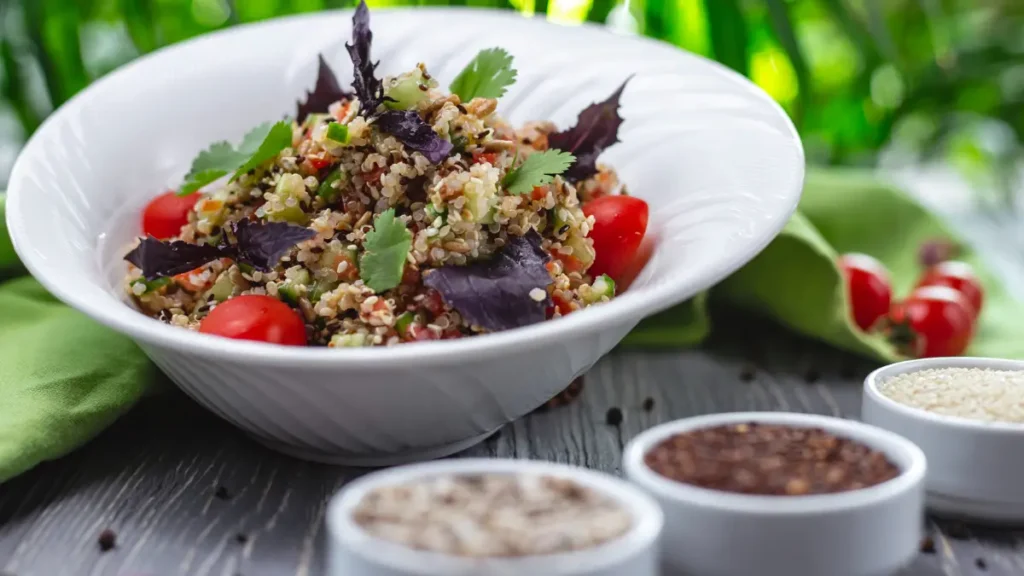
- What to Eat: This is when you eat your largest carb portion. Think of half a sweet potato or a small bowl of quinoa.
- The Benefit: Because your muscles are “hungry” from the workout, they pull the sugar out of your blood quickly. This prevents the “post-workout crash.”
3. The Sunset Window (The Rest Phase)
You should not eat a big bowl of pasta late at night. However, a tiny amount of “slow” carbs at dinner can actually help you sleep.
- The Goal: Help your brain make the chemicals it needs for sleep (like melatonin).
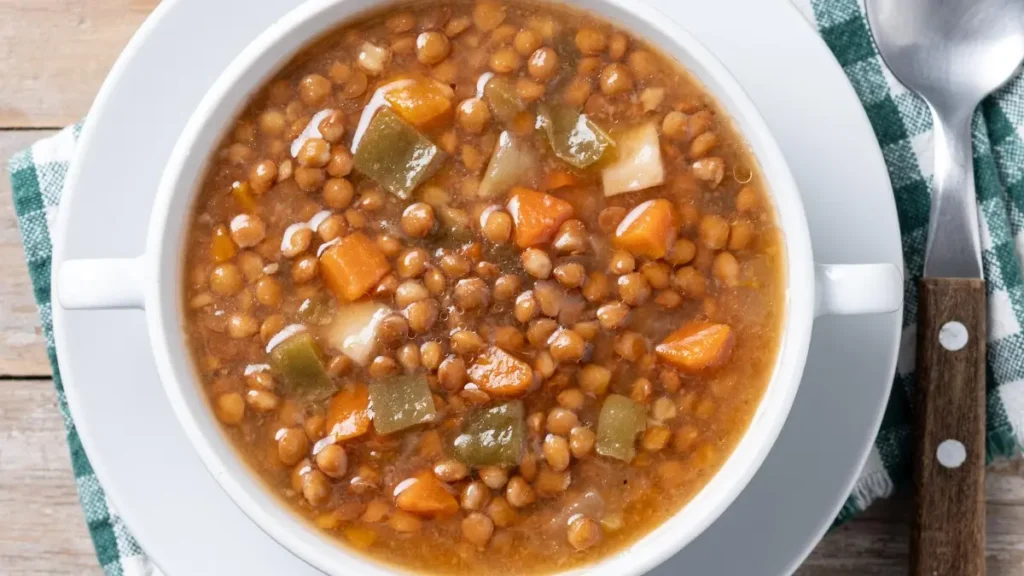
- What to Eat: A very small serving of high-fiber carbs, like a few spoonfuls of beans or berries.
- The Benefit: This helps calm your nervous system. If you have been struggling to stay asleep on low carb, this small change can help.
Best Carb Sources for Energy
Not all carbs are the same. After 50, you want to choose “whole food” carbs that are easy on your stomach.
| Carb Source | Why It Works | Best Window |
| Berries | Won’t spike sugar; good for the brain. | Pre-Activity / Sunset |
| Sweet Potatoes | Easy to digest; high in vitamins. | Recovery |
| Quinoa | Has protein and magnesium. | Recovery |
| Squash | Filling but not too heavy. | Recovery / Sunset |
| Lentils | Great for gut health and fiber. | Recovery |
Your Action Plan: How to Start Today
Don’t change your whole diet at once. Just change the clock.
Common Myths to Ignore
Myth: “I’ll gain weight if I eat any carbs.”
If you eat carbs and then sit still, you might store them as fat. But if you eat them in the “Recovery Window,” your body uses them to fix your muscles.
Myth: “Exercise on an empty stomach is better.”
For a 20-year-old, this might be true. For someone over 50, it often raises stress hormones too high. A small “pre-fuel” snack is usually much better for your energy.
Your Answered Questions
Does low carb affect your energy during weight loss?
It does, especially after 50. When you cut carbs completely your body panics and raises cortisol to find fuel. That leaves you dragging through the day but wide awake at night. The problem is not carbs themselves. It is eating them randomly instead of around your movement and exercise.
What are the best carbs for brain function?
Berries are the top choice. They fuel your brain steadily without sending your blood sugar all over the place. Sweet potatoes and quinoa are also solid because they release energy slowly and keep you sharp for hours instead of giving you a spike and a crash.
Can dehydration be making your low carb fatigue worse?
Most people don’t realize this but carbohydrates hold water in your body. When you cut carbs, your body flushes out water and with it important electrolytes like sodium, potassium and magnesium. After 50 your kidneys are already less efficient at holding onto these. Low electrolytes cause headaches, muscle cramps, brain fog and heavy legs during exercise. Most people blame the diet when the real problem is they are simply dehydrated and mineral depleted.
Summary
Energy after 50 isn’t about eating less; it’s about eating smarter. Use the 3-Window Rule to stop the exhaustion and start feeling like yourself again.