

You’ve finished dinner two hours ago, but you still feel like you swallowed a brick. Your clothes are pinching at the waist.
Even a few sips of water feel like they’re “stacking” on top of a pile that won’t move. You try to lie down, but the heaviness pushes back up, making you sit upright just to breathe comfortably.
It’s a frustrating, heavy sensation that started seemingly out of nowhere a few months ago. You’ve probably tried eating smaller meals or drinking more water, but the lead-balloon feeling persists.
It’s easy to worry your body is breaking down. It isn’t.
But this isn’t your fault, and it’s a much more common experience for women over 50 than most doctors mention. When food sits heavy after eating, your digestive engine hasn’t quit; it’s likely just lost the “spark” it needs to initiate the move-along process. Understanding why this happens is the first step to feeling light again.
Low Stomach Acid Is Why Your Food Sits Heavy After Eating
Food sits heavy after 50 primarily due to hypochlorhydria [low stomach acid], which prevents the stomach from breaking down proteins and signaling the “empty” valve to open. As acid production naturally drops with age, food lingers in the upper digestive tract for hours. This creates a physical sensation of weight that often mimics more serious conditions like gastroparesis.
When you eat, your stomach must reach a specific acidity level to begin the breakdown process. Think of stomach acid as the “key” that unlocks the door to the rest of your digestive tract.
If the acid is too weak, the door stays locked. Your stomach holds onto the food, waiting for more acid that never comes.
This creates a backlog where yesterday’s lunch feels like it’s still present at dinner time. For many women, this decline in acid production is a natural byproduct of aging. It isn’t a disease, but a functional slowdown that changes how you process every bite.
What this means for you: Your stomach is likely waiting for a signal that never comes, keeping food trapped in a holding pattern.
But simply knowing you have low acid doesn’t explain why your “healthy” habits might be making the problem worse.
Why Stomach Acid Declines After 50 and Why Water Makes it Worse
As we cross the 50-year mark, our bodies naturally produce less gastrin [a hormone that tells the stomach to make acid]. Without enough gastrin, your stomach becomes a stagnant pool instead of an active furnace. This is often compounded by the shifting hormones of menopause, which can slow down the entire digestive rhythm.
You’ve likely been told for years to drink more water with your meals to “help things move along.” But if you have low stomach acid, this habit is actually counterintuitive [goes against common sense]. Water dilutes the already weak acid in your stomach, raising the pH [a scale of acidity] until the acid is too thin to work.
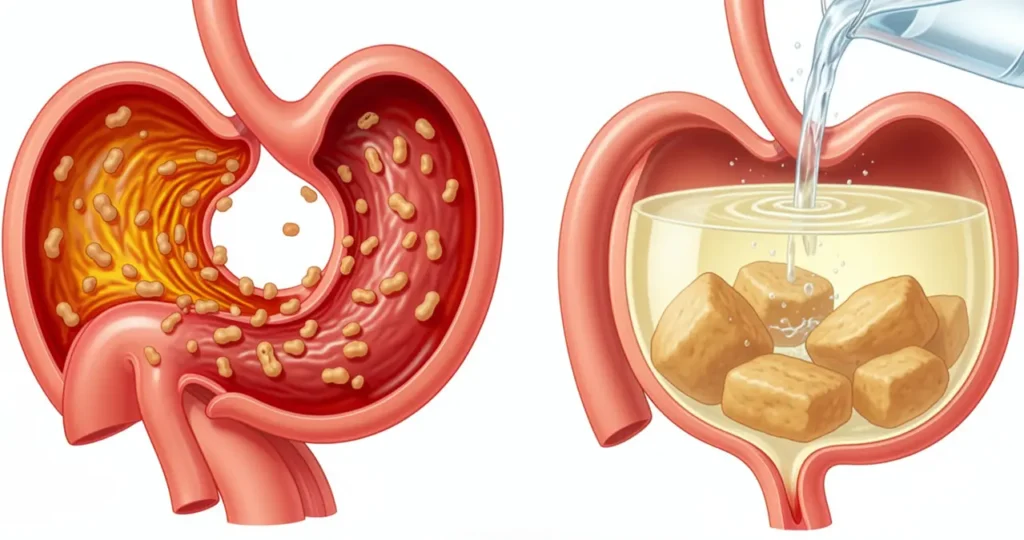
Imagine trying to wash greasy dishes with one drop of soap in a full tub of water. The grease just sits there. When you drink a large glass of water with your steak or salad, you’re essentially “watering down” your digestive power.
What this means for you: Your “healthy” hydration habit might be the very thing keeping that heavy lead feeling in your gut for hours.
But even if you stop drinking water with meals, you might still wonder if your slow digestion is a simple aging shift or something more serious like gastroparesis.
Is It Gastroparesis or Just Slow Emptying?
It is common to worry that a “lead stomach” means you have gastroparesis [a medical condition where stomach muscles are paralyzed]. While both involve food sitting too long, the causes are very different. True gastroparesis is often linked to nerve damage from long-term diabetes or viral infections, whereas age-related heaviness is usually a lack of digestive “juices.”
You can often tell the difference by how you feel between meals. With gastroparesis, you might experience frequent vomiting of undigested food or severe pain that prevents you from eating at all. If your stomach is not emptying properly due to low acid, the feeling is usually one of immense weight and bloating, but without the intense “mechanical” failure of the stomach wall.

If you notice “red flag” symptoms like sudden weight loss, blood in your stool, or a complete inability to keep liquids down, see a doctor immediately. These signals suggest something beyond a simple age-related slowdown. For most women over 50, the problem is functional, the engine is fine, it just doesn’t have enough fuel to start.
What this means for you: Your discomfort is likely a lack of chemical signals, not a permanent failure of your digestive muscles.
But even when the symptoms seem clear, many women mistake this heavy feeling for “too much” acid and reach for the wrong bottle in the medicine cabinet
Low Acid Feels Like High Acid: The Antacid Trap
When that “lead stomach” feeling hits, most women assume it’s because they have too much acid. This is because low stomach acid symptoms often mimic the burning or pressure of high acid. You might feel a sharp rise in your chest or a sour taste in your throat, but this is often the result of food fermenting [breaking down with gas] because it’s sitting still too long.

Taking an antacid [a pill that neutralizes acid] might provide a few minutes of relief, but it actually makes the underlying problem worse. Neutralizing the tiny bit of acid you do have, you’re essentially “turning off” the only digestive power your stomach has left. This creates a cycle where you feel heavy, take a pill, and then feel even heavier after your next meal.
It is counterintuitive, but heartburn can be a sign of low acid, not high acid. When your stomach isn’t acidic enough, the valve at the top of your stomach doesn’t close tightly. This allows even a small amount of weak acid to splash up, creating the illusion of an “over-acidic” environment.
What this means for you: Reaching for a chalky tablet might be the very thing keeping your dinner sitting in your stomach until midnight.
But once you stop the antacid cycle, you can start using specific strategies to help your food sitting in stomach for hours move along more naturally.
Your 3-Step Strategy for Food Sitting in Stomach for Hours
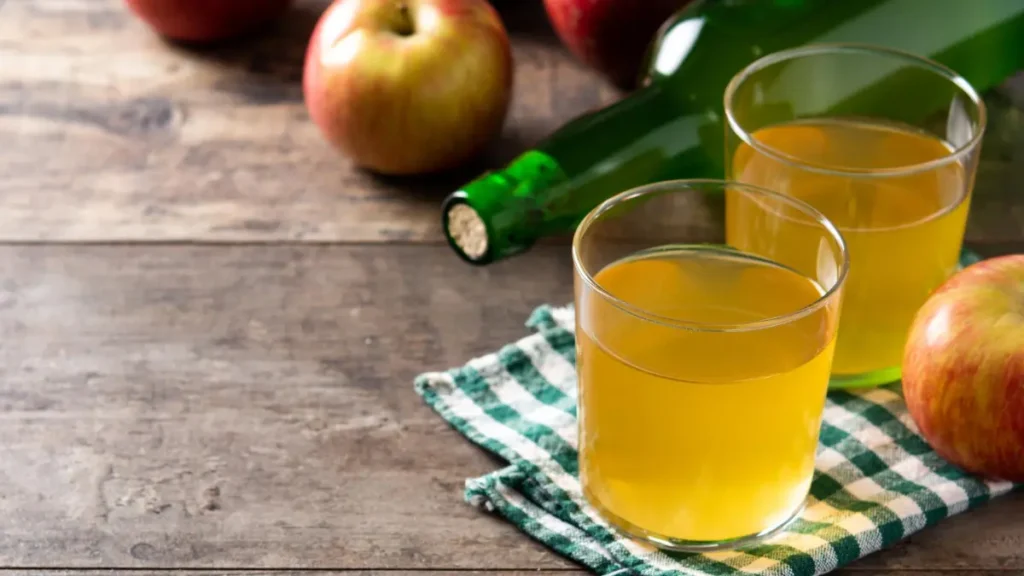
The most effective first move is introducing gentle acid before your meal. Take one tablespoon of apple cider vinegar diluted in two ounces of water 15 minutes before dinner. If the taste is too sharp, digestive bitters [herbal extracts that trigger saliva and acid] sprayed on the tongue work just as well. Both tell your brain to start pumping the acid your stomach has been missing.
Start there tonight.
1. Eat Protein First, Then Everything Else
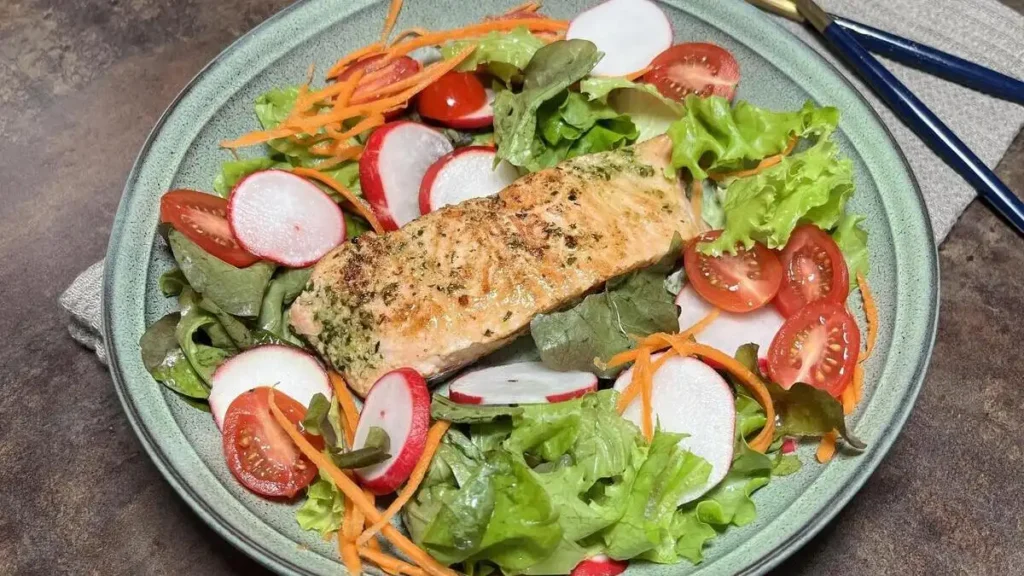
Start your meal with three bites of chicken, fish, or beans before touching your salad or bread. Protein first means hitting it while your stomach acid is at its strongest. This prevents a backlog before it starts.
Your stomach doesn’t have teeth. Chewing each bite 20 to 30 times until it reaches a paste does half the breakdown work before food hits the heavy zone.
2. Move After You Eat
After eating, skip the recliner. A 10-minute slow walk [gentle strolling, not a workout] uses gravity and light muscle movement to push food toward the small intestine.
3. When the Basics Aren’t Enough
If these three steps aren’t moving the needle, talk to your provider about Betaine HCL [a capsule that adds hydrochloric acid to the stomach]. Start with one capsule at the beginning of a protein-heavy meal and look for a warm, not burning, sensation.
For persistent cases, a gastric emptying study [a medical test using a tracked meal to measure how fast food leaves] gives you a definitive picture. A gastroenterologist [a gut specialist] orders this when lifestyle shifts alone aren’t enough.
Small shifts in how you start your meal can be the difference between a flat stomach and feeling like you swallowed a bowling ball.
But timing your meals is just as important as what you put in them when dealing with digestive problems after 50..
Advanced Timing Strategies for Digestive Problems After 50
The heavy feeling often peaks in the evening because your digestive fire naturally dims as the sun goes down. To manage digestive problems after 50, the most effective timing shift is to “front-load” your calories. Eating your largest, most protein-rich meal at lunch, when your metabolism and acid production are at their peak, prevents the 8 PM “brick in the stomach” sensation.
Another critical timing factor is the Inter-Digestive Phase [the cleaning wave between meals]. Your stomach needs 3 to 4 hours of total emptiness to trigger a “sweep” that clears out lingering food particles. Constant grazing or sipping caloric drinks prevents this sweep from happening. If you feel heavy, try giving your stomach a 5-hour window between lunch and dinner to ensure the “exit door” has fully cleared the previous load.
What this means for you: But if the timing shift doesn’t move the needle within a week, one clinical test can show you exactly where in the process the breakdown is happening.
Your Questions Answered
What causes food to sit heavy in your stomach?
The most common cause is a lack of stomach acid, which fails to break down food and prevents the pyloric valve from opening. Without this chemical signal, food remains in the stomach much longer than the typical 2-hour window.
At what age does digestion slow down?
Most people begin to notice a significant functional slowdown in their late 40s or early 50s. This is when the body’s natural production of digestive enzymes and hydrochloric acid begins a steady decline.
What are the signs of low stomach acid?
Beyond the “heavy lead” feeling, signs include bloating within 30 minutes of eating, excessive burping after meals, and a sense of fullness after only a few bites of protein.
How to improve digestion in the elderly?
Improving digestion involves stimulating acid production with bitter herbs or apple cider vinegar before meals. Thoroughly chewing food and staying upright for at least two hours after eating are also vital for mechanical support.
What are the symptoms of slow gastric emptying?
Symptoms include early satiety [feeling full too quickly], nausea after eating, and upper abdominal protrusion. If these are accompanied by vomiting, it may indicate a more serious medical delay.
Conclusion
Feeling like food is sitting like lead in your stomach isn’t a sign that you’re broken, it’s a sign that your digestive chemistry needs a spark. By stepping away from diluting water and acid-blocking tablets, you allow your body to reclaim its natural strength. Most women find that supporting their acid levels and chewing with intention provides the relief that “smaller meals” never could.
Your food sits heavy after eating over 50 protocol starts with your next meal:
- Dilute one tablespoon of apple cider vinegar in water 15 minutes before you eat.
- Eat your protein first.
- Take a 10-minute stroll afterward to let gravity assist your natural rhythms.
⚠️MEDICAL DISCLAIMER
This content is for informational and educational purposes only and does not constitute medical advice, diagnosis, or treatment. Before making changes to your diet, exercise routine, or supplement regimen, consult a qualified healthcare provider. If you experience severe abdominal pain, blood in stool, or sudden weight loss, seek emergency medical care immediately.