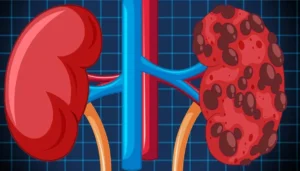

A massive study of 9 million people has confirmed that heart attacks and strokes are not just “bad luck.” In fact, scientists found that 99% of these events come from four specific warning signs. You might worry about the latest health trend or a fancy supplement. But most people ignore the “Big 4” that actually cause nearly all cardiac deaths.
These four triggers are the real reason people end up in the hospital. If you control them, you control your future. This guide shows you the exact numbers you need to hit in 2026. You will learn how to neutralize these heart attack and stroke triggers. It is time to stop guessing. Use science to prevent heart disease.
Your cardiovascular health depends on these four pillars. We will show you the lifestyle changes that keep your heart strong.
The Big 4 Cardiac Triggers
99% of heart attacks and strokes are caused by these four warning signs. Controlling them can save your life.
- High Blood Pressure
- High Cholesterol
- Smoking & Tobacco Use
- Poor Blood Sugar Control
Why 120/80 is Your New Life-Saving Number

For years, doctors used words like “prehypertension” for blood pressure that was slightly high. In 2026, that word is gone. High blood pressure is now treated as an emergency from the start. Recent data shows that 93% to 95% of heart patients had bad blood pressure before their heart attack.
Think of your arteries like a garden hose. High blood pressure is like turning the water on too high. It stretches and weakens the hose until it bursts. The new hard limit is 120/80. If your top number is higher, your risk of stroke triggers goes up fast.
To fix this, follow the DASH-2026 protocol. This means you eat more fruits, vegetables, and lean proteins. You must cut your salt intake. Try to stay under 1,500mg of sodium a day. Most of this salt comes from boxed foods and restaurants. Eating fresh food is the fastest way to lower your numbers.
And here is why that matters: lowering your pressure by just a few points can cut your stroke risk by half. You can track this at home with a simple arm cuff. It is a quick win for your health.
How to Stop Plaque Before It Clogs Your Arteries

Cholesterol levels are more than just one number on a page. In the past, people only looked at “Total Cholesterol.” Today, scientists focus on something called ApoB. This is a protein that carries bad fats into your artery walls. It acts like a delivery truck for plaque.
Even “slightly high” cholesterol causes a huge jump in risk. If your total number is over 200 mg/dL, you need to take action. Plaque builds up slowly. You don’t feel it until the artery is almost closed.
You can fight this with a “Plant-Forward” fatty acid strategy. This does not mean you have to be a vegetarian. It means you get your fats from plants like avocados, nuts, and olive oil instead of butter or red meat. These healthy fats help clear the “bad” LDL cholesterol out of your blood. Most people see a change in their blood work in just six weeks.
This simple shift stops heart attack triggers before they start. It keeps your blood flowing smoothly to your brain and heart.
Is Your Blood Sugar Acting Like Sandpaper on Your Veins?

High blood sugar is a major cardiovascular risk. When your sugar is over 100 mg/dL, it changes your blood. It makes your blood “sticky.” It also acts like sandpaper on the inside of your veins. This scratching makes it easy for fat and gunk to get stuck.
Right now, 1 in 2 adults has blood sugar that is too high. This is often called insulin resistance or diabetes. It is a silent killer because you can’t feel the “sandpaper” effect. But managing this one trigger can lower your stroke risk by 40%.
You don’t need a perfect diet to fix this. Small changes work best. For example, a 10-minute walk after you eat helps your muscles soak up extra sugar. This prevents a “spike” that damages your vessels. In 2026, many people use small sensors to watch their sugar in real-time. This helps you see which foods cause the most damage. Keeping your sugar low keeps your artery walls smooth and strong.
The 20-Minute Benefit: Why Quitting Nicotine Now Saves You
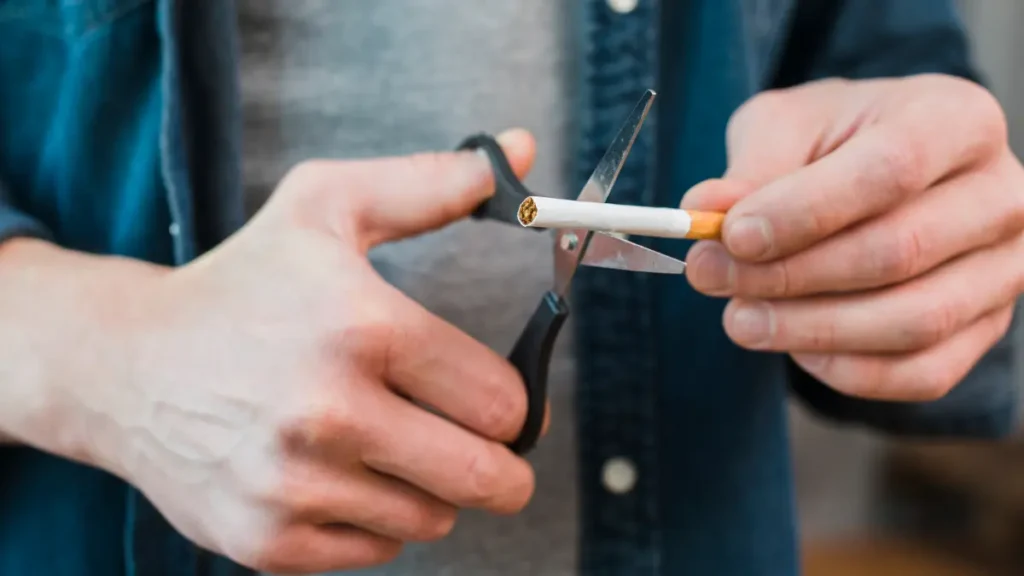
Tobacco and nicotine are the ultimate triggers. They act as a chemical catalyst. This means they make every other problem much worse. If you have high blood pressure and you smoke, your risk doesn’t just double. It sky-rockets.
The 2026 stance on this is clear. Vaping is just as dangerous for your heart as cigarettes. Both cause your heart rate to jump and your arteries to tighten. This makes it much more likely for a clot to form.
But there is good news. Your body starts to fix the damage almost immediately. Just 20 minutes after you quit smoking, your heart rate drops back to normal. Within 12 hours, the carbon monoxide in your blood is gone. Tobacco use is still the leading cause of heart deaths that we can prevent.
Quitting is the hardest thing you will do, but it is the most effective. There are many apps and tools in 2026 to help you stop for good. You can prevent stroke by choosing to breathe clean air today.
3 Daily Habits to Shield Your Heart

Knowing your numbers is the first step. But you also need a daily plan. These three habits are the foundation of heart health in 2026.
- The 150-Minute Rule: You need 150 minutes of brisk walking or swimming every week. This keeps your heart muscle strong.
- Strength Training: Lift weights or do push-ups twice a week. Muscles help your body process sugar and fat better.
- The Sleep Shield: You need 7 to 9 hours of sleep. Less than 6 hours of sleep causes your blood pressure to spike the next day.
These habits work together to lower your risk. They aren’t fancy, but they work. Consistency is more important than intensity. Doing a little bit every day protects you more than one long workout on the weekend.
Your Heart is in Your Hands

Scientists have proven that 99% of heart events are within your power to stop. You are not at the mercy of your genes. You are at the mercy of your numbers. Keep your blood pressure at 120/80. Monitor your ApoB cholesterol. Keep your blood sugar under 100 mg/dL. And stay away from nicotine.
These steps are the only way to truly control heart attack and stroke triggers. Don’t wait for a “warning sign” that might come too late. Take action while you feel good.
Conclusion
Scientists have proven that the vast majority of heart events are within your power to prevent. For most people, genetics play a smaller role than lifestyle factors. This means you have the power to change your future starting right now.
Focus on the big four triggers: blood pressure, cholesterol, sugar, and nicotine. Keep your blood pressure at 120/80 and your sugar low. This builds a shield for your heart.
These changes are not just for people who feel sick. They are for everyone who wants to live a long life. You can take these steps to control heart attack and stroke triggers today. Don’t wait for a warning sign that might not come.
Your health is your most valuable asset. Your future self will thank you for the work you do today.
⚠️MEDICAL DISCLAIMER :
This content is for informational and educational purposes only and does not constitute medical advice, diagnosis, or treatment. Before making changes to your diet, exercise routine, medications, or health management plan, consult a qualified healthcare provider. The blood pressure, cholesterol, and blood sugar targets mentioned are general guidelines and may not be appropriate for everyone. Your doctor should determine your personal health targets based on your individual medical history and risk factors. If you experience chest pain, shortness of breath, sudden weakness, vision changes, or other signs of a heart attack or stroke, seek emergency medical care immediately by calling emergency services.