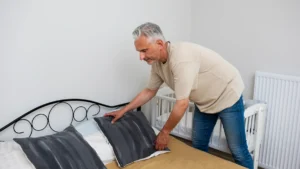

Do you wake up feeling like your joints are made of wood? It takes ten minutes just to get your feet on the floor. Every step feels tight and heavy. That morning stiffness isn’t just getting old. It is chronic inflammation. Think of it as biological rust eating away at your joints.
But here is the good news for 2026. You can fight back with what you eat. Food is the most frequent medicine you take. You do not have to be perfect. Following an 80/20 rule with an anti inflammatory diet for seniors can change how you feel. This guide shows you how to reduce joint pain naturally so you can move again.
Why Your Joints Feel Rusty and How to Fix It?
Most people think pain is a normal part of life after 60. It isn’t. Scientists now use the word inflammaging. This is systemic inflammation that stays in your body for years. Normal inflammation helps you heal a cut. That is acute inflammation. But chronic inflammation is different. It is like a fire in your joints that never goes out.
Chronic Swelling
Joint Recovery
Right now, 1 in 4 adults deals with some form of arthritis. That is a huge number. You have power over your health. That changing your diet can lower your CRP levels by up to 30%. CRP is a marker doctors use to see how much inflammation is in your blood. Lowering this is the first step toward joint recovery for elderly bodies. It means less swelling and more walking.
Spices That Act Like Natural Medicine
Turmeric is a powerhouse for joint health. It contains a compound called curcumin that helps reduce swelling. But there is a trick. Your body cannot use it well on its own. You must add a pinch of black pepper to make it work. Ginger and garlic are also great tools. They do more than just make your food taste good.
They help your blood flow more easily and tell your immune system to calm down. Using these spices also helps you eat less salt. Too much salt makes your body puffy. That puffiness adds more weight and pressure to your joints. Cinnamon is another spice that helps more than you might think. It can help keep your blood sugar levels steady.
When your blood sugar stays level, your body produces fewer chemicals that cause swelling. You can sprinkle it on your morning oatmeal or in your coffee. This is a small way to add a lot of protection to your joints. It tastes great and works hard behind the scenes to keep you feeling flexible.

Why Your Gut Is the Secret to Less Pain?
Your stomach and your joints talk to each other. Doctors call this the gut joint axis. If your gut has too many bad bacteria, it sends out a silent alarm. This alarm causes inflammation in your hips and knees. You can fix this by eating fermented foods. Try a little bit of sauerkraut or plain Greek yogurt every day.
These foods are full of good bacteria. A healthy gut keeps your joints from feeling stiff and sore. This is a simple part of any anti inflammatory diet for seniors. Fiber is also a major player in gut health. When you eat fiber from things like beans, lentils, and vegetables, your good bacteria turn it into short chain fatty acids.

These acids act like a natural volume knob for your immune system, turning down the inflammation before it can reach your joints. Most people don’t get enough fiber, which leaves the gut and the joints vulnerable. By simply eating more plants, you are building a stronger defense from the inside out. This makes it much easier to keep your joint recovery on track.
Stop Frying and Start Steaming
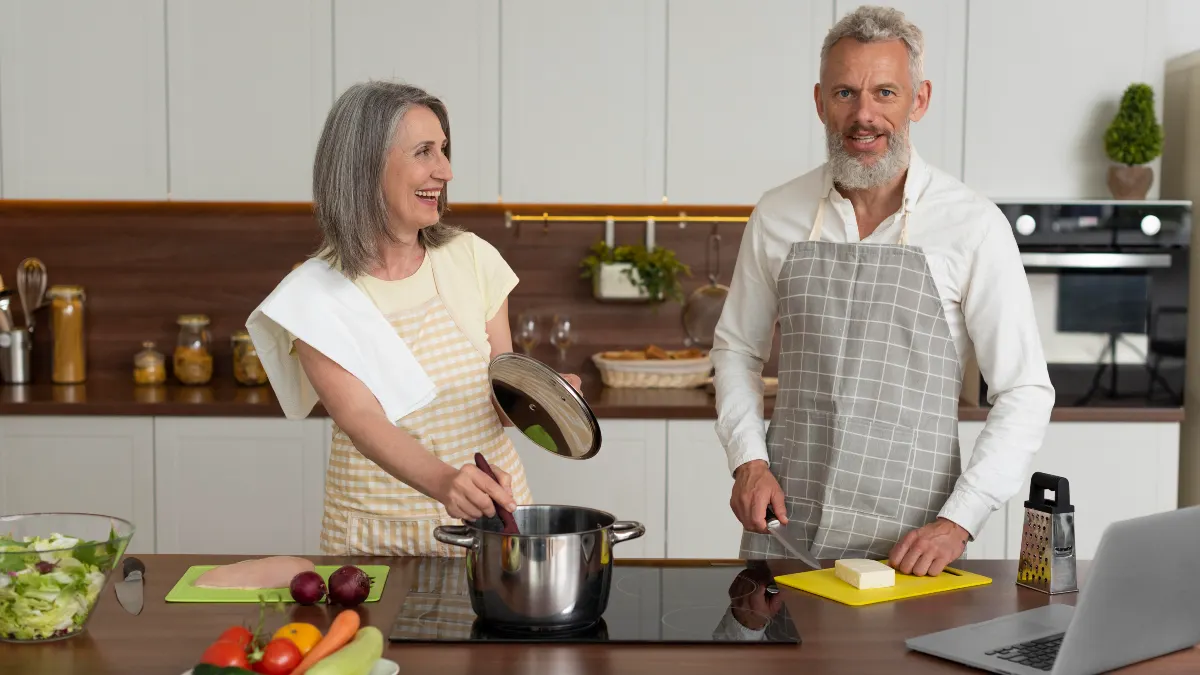
How you cook your food is just as important as what you buy. Very high heat and deep frying are bad for your joints. They create compounds that age your body faster. These are called AGEs. Instead of frying your fish or chicken, try poaching or steaming them.
If you like to roast vegetables, keep the heat a bit lower. Use your olive oil at the end of cooking. This keeps the oil from breaking down. It ensures you get all the pain relief benefits from the food you eat.
How to Keep Your Joints Lubricated Every Day?
Water is the simplest tool you have to fight stiffness. Think of your joints like a sponge. When a sponge is dry, it is hard and brittle. When it is wet, it is soft and flexible. Your joint cartilage is mostly water. If you are dehydrated, your body pulls water away from your joints to use for other things. Drinking enough water ensures there is plenty of fluid to cushion your bones.
It is one of the easiest natural ways to reduce inflammation without spending a dime. Moving your body is the next step. You do not need to run a marathon. In fact, heavy pounding can sometimes make things worse. Instead, try low impact activities like walking, swimming, or tai chi.
These movements act like a pump. They push nutrients into your joint tissues and flush out waste products. Just 20 minutes of light movement a day helps keep the biological rust from settling in. It keeps your blood flowing and your muscles strong enough to support your frame.
Why Your Bones Need Sunshine Vitamins?
Vitamin D is the sunshine nutrient that your body needs to stay strong. Many seniors do not get enough of it because we spend more time indoors, or our skin becomes less efficient at making it. This is a problem because Vitamin D helps your body absorb calcium. Without it, your bones can become thin and brittle. It also helps turn off the pain switches in your immune system.
If you want to see progress in your joint recovery for elderly mobility, checking your Vitamin D levels with a doctor is a smart move. Magnesium is another mineral that works behind the scenes. Think of it as a natural muscle relaxer. When your muscles are tight, they pull on your joints and cause more pain.

Eating foods like pumpkin seeds, almonds, and leafy greens gives your body the magnesium it needs to let go of that tension. It also helps you sleep better, which we already know is when the body does its best healing. Adding these to your routine is one of the best natural ways to reduce inflammation without much extra effort.
Lastly, do not forget about calcium, but you might want to skip the heavy dairy if it bothers your stomach. Many people find that too much milk or cheese can actually cause a bit of puffiness or digestive lag. Instead, get your calcium from plant sources like kale, sardines, or fortified almond milk.
Why Snacking Smart Saves Your Joints?
Snacking is often where an anti inflammatory diet for seniors goes wrong. It is easy to grab a bag of chips or a sugary granola bar when you are tired. But these processed snacks are full of seed oils and hidden sugars that trigger pain flares. Instead, think of snacks as a small dose of medicine. A handful of walnuts is a great choice.
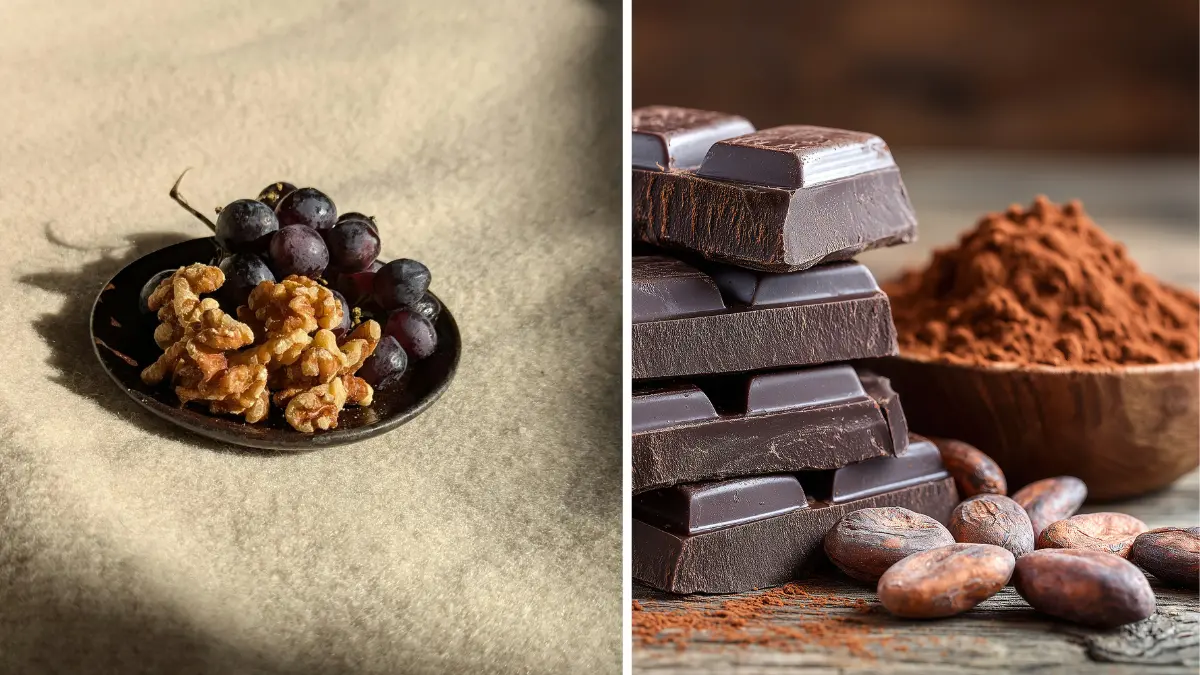
They are packed with alpha linolenic acid, which is a plant based omega 3. They help satisfy your hunger while actively cooling down the fire in your knees and hips. If you have a sweet tooth, you do not have to give up treats entirely. Just choose better options. Dark chocolate with at least 70% cocoa is full of antioxidants.
These tiny compounds hunt down the molecules that damage your joint tissue. Berries are another perfect snack. You can eat them fresh or frozen. They provide a sweet crunch without the massive blood sugar spike that comes from a cookie. Keeping these better options on your counter makes it much easier to avoid the foods that cause joint inflammation.
Conclusion
Pain does not have to be your roommate forever. Inflammation is just a biological state. You can manage it. Switching to an anti inflammatory diet for seniors is the best move you can make for your future mobility.
You do not have to change everything at once. Just make one swap today. Put olive oil on your salad instead of ranch. Or grab a handful of walnuts instead of chips. Small changes lead to big relief. Your joints will thank you tomorrow morning.