

For years, people thought avoiding kidney stones just meant drinking a gallon of water and saying a prayer. If you are over 50, that advice is now incomplete. Your body is changing. Your metabolism slows down, and your urine becomes more acidic. This means dehydration isn’t the only cause of your pain. You need a better plan.
Why calcium is actually your friend. We will look at how to stop the uric acid shift. You will also see why a 24 hour urine test is your most important tool in 2026. Kidney stone prevention after 50 is about more than just a full water bottle. It is about managing your metabolic changes to stop uric acid stones before they start.
The Over 50 Shift: Why Water Fails as a Solo Strategy?

Drinking water is good, but it often fails on its own as you get older. Between the ages of 40 and 60, your risk for stones hits a peak. During this time, your body stops making enough urinary citrate. Citrate is a natural cleaner that stops crystals from sticking together. Without it, stones form even if you stay hydrated.
There is also a shift in the type of stones you get. Uric acid stones become much more common in older men and post menopausal women. This happens because your urine becomes too acidic. Even if you drink three liters of water, that acid still builds up. To protect your metabolic health, you must focus on balancing your pH levels, not just filling your glass.
Between ages 40 and 60, your risk for kidney stones reaches its highest point because your metabolism slows down. Your body starts making less urinary citrate, which is a natural substance that stops crystals from sticking together. At the same time, your urine often becomes more acidic.
The Calcium Paradox: Why You Need More, Not Less?
Many people think they should stop eating calcium to avoid stones. This is a mistake. When you eat a low oxalate diet without enough calcium, your risk goes up. Calcium needs to bind to oxalate in your stomach. They bind together and leave your body through your waste. If you don’t eat enough calcium, that oxalate travels to your kidneys alone.
That is where it forms a stone. Aim for 1,200 mg of dietary calcium every day. You can get this from dairy, kale, or broccoli. A person eating 1,200 mg of calcium is much safer than someone trying to avoid it entirely. You want the calcium to stay in your gut, not in your kidneys. This stops calcium oxalate from ever becoming a problem.
The Calcium Paradox
Managing Metabolic Shift After 50
mg Daily Calcium Goal
Outcome: Calcium binds to Oxalate here.
✓ CRYSTALS EXIT AS WASTECalcium to Bind Oxalate
Outcome: Oxalate travels alone.
✕ CRYSTALS CLUMP INTO STONESLower citrate makes urine more acidic, creating the perfect environment for uric acid stones.
3 Drinks That Boost Citrate and Stop Stones
Adding specific drinks to your daily routine does more than just keep you hydrated. Fresh lemon or lime juice mixed with water is one of the best ways to get more urinary citrate into your system. Citrate is a powerful tool because it sticks to calcium in your urine, which stops it from forming into a hard stone.
Other drinks like orange juice and coffee also play a big role in your metabolic health. Orange juice is naturally high in citrate, which helps lower the acid levels that cause uric acid stones. While people used to worry about caffeine, new science shows that coffee and tea actually help your kidneys flush out waste more effectively. The goal is to keep your output high.
1. Fresh Lemon or Lime Water
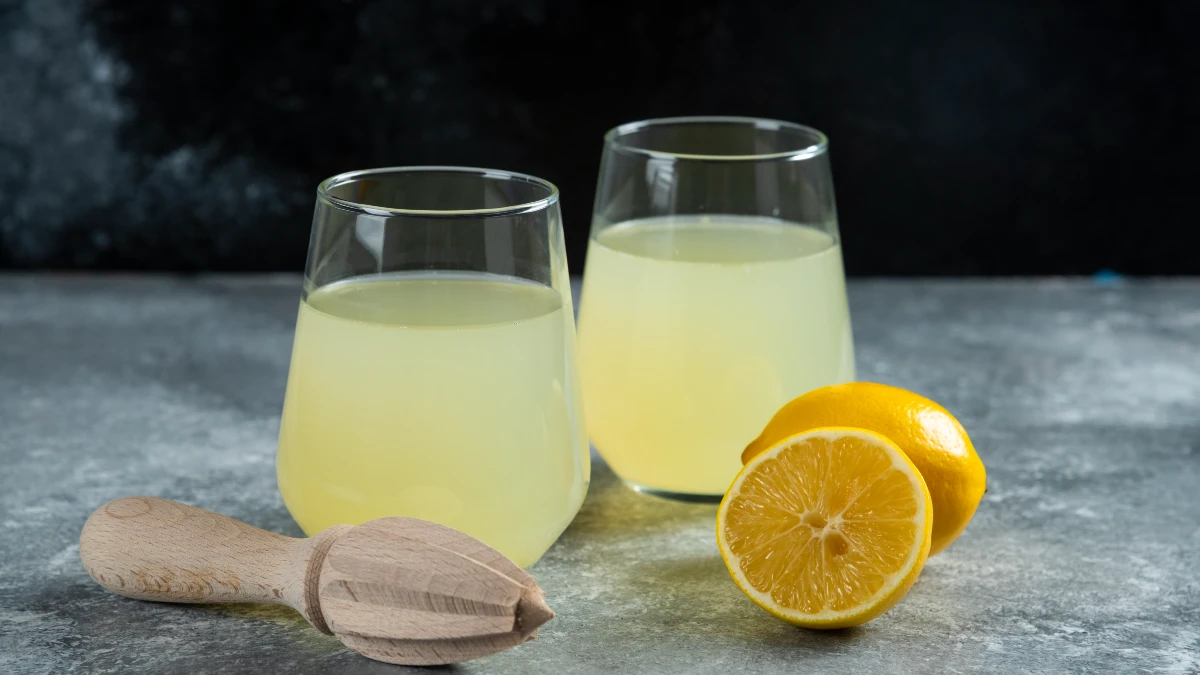
Squeezing fresh lemon or lime into your water is a simple way to protect your kidneys. These citrus fruits are packed with natural citrate, which acts like a sponge for calcium in your urine. When citrate binds to calcium, it prevents the mineral from linking up with oxalates to form a stone.
This is especially helpful as you age and your body’s natural ability to stop crystal growth slows down. Aim to use at least half a cup of lemon juice throughout the day to keep your urinary citrate levels high enough to make a real difference.
2. Low-Sugar Orange Juice

Orange juice is a powerful ally for your kidneys because it is naturally high in potassium citrate. This specific type of citrate is excellent at neutralizing acid in your urine, which helps prevent the formation of uric acid stones. While the citrate levels are higher than those found in lemons.
You should choose no added sugar or low sugar versions to avoid extra calories and fructose. Drinking one small glass a day provides a concentrated boost to your metabolic health, making it much harder for crystals to settle and grow into painful stones.
3. Black Coffee or Green Tea
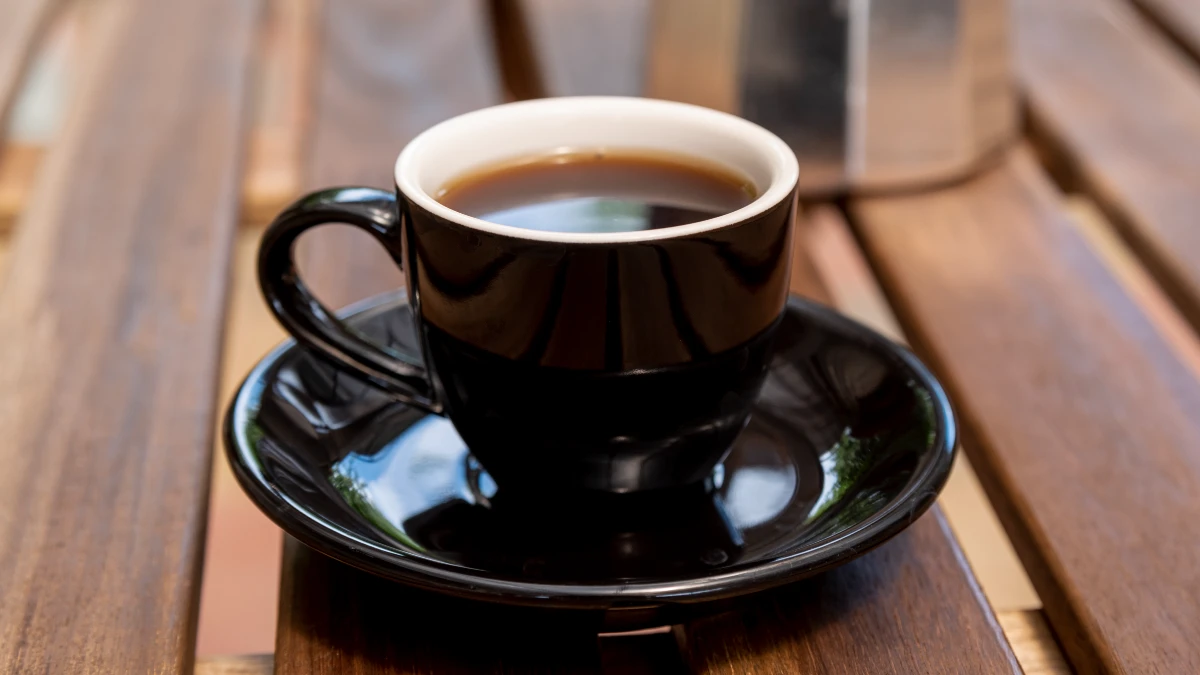
Doctors used to worry about the oxalates in tea or the dehydrating effects of caffeine; we now know that moderate amounts of black coffee and green tea actually lower your stone risk. These drinks act as natural diuretics, which means they keep your kidneys working to flush out waste.
This constant movement prevents minerals from sitting still long enough to clump together. As long as you don’t load them with sugar or heavy creamers, these beverages are a great way to help your kidneys maintain a healthy flow and stay stone-free.
Medical Help: When Diet Isn’t Enough
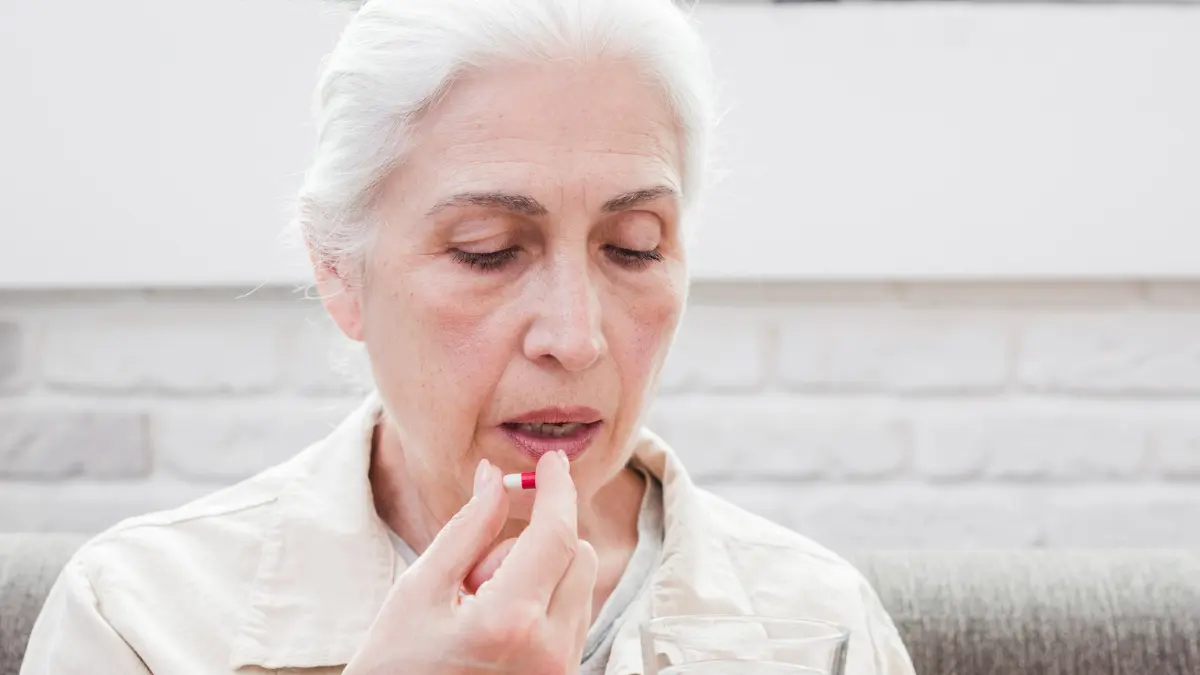
Sometimes diet and water are not enough to stop the pain. If you keep getting stones after 50, you might have an underlying issue. One common cause is hyperparathyroidism. This is a condition where your body pulls too much calcium into your blood. It is very common in women.
In these cases, your doctor might prescribe thiazide diuretics. These help your kidneys keep calcium in your bones where it belongs. Another option is potassium citrate. This pill makes your urine less acidic and boosts your natural defenses. Do not try to guess which one you need. Get a 24 hour urine test to see exactly what is happening inside your body.
The Salt Trap: Why Your Shaker is Creating Stones?
Eating too much salt is one of the fastest ways to get a kidney stone. When you eat high sodium foods, your kidneys are forced to dump more calcium into your urine. This extra calcium has nowhere to go, so it sticks to other waste and turns into a stone. It doesn’t matter how much water you drink if your salt levels are too high. The water cannot flush the calcium out fast enough.
To stay safe, you should limit your sodium to 2,300 mg a day. That is about one teaspoon of salt. If you have had stones before, your doctor might tell you to drop that to 1,500 mg.
Check the labels on frozen meals and canned soups. These are usually packed with salt to keep them fresh. Cutting back on salt helps your bones stay strong because the calcium stays in your skeleton instead of leaking into your kidneys.
The Meat Limit: Why Too Much Protein Causes Acid?
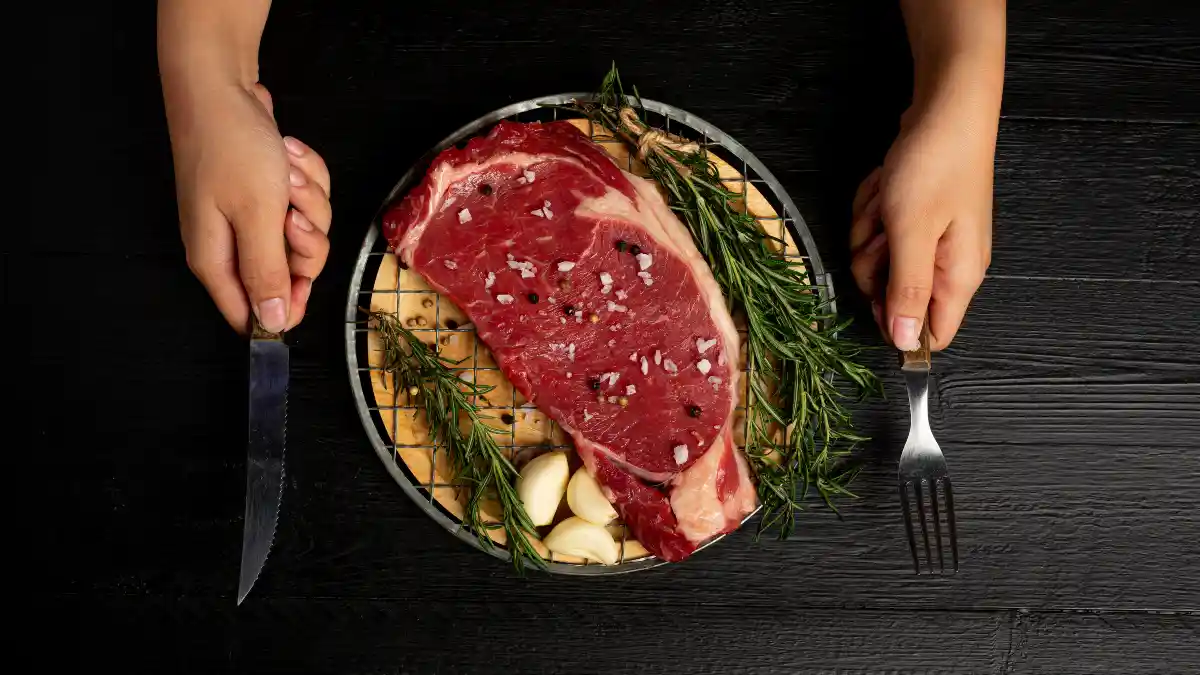
Many people over 50 try to eat more protein to keep their muscle mass. But eating too much animal protein, like red meat, poultry, and eggs, can be a problem for your kidneys. These foods make your body produce more acid. When your urine is acidic, it is the perfect environment for uric acid stones to grow.
High protein diets also lower the amount of citrate in your body, which is your natural defense against stones. You don’t have to stop eating meat entirely. Just try to swap some of it for plant based proteins. Beans, lentils, and nuts are great choices that don’t create as much acid.
If you do eat a steak, make sure to eat it with a big salad. The vegetables help balance out the acid from the meat. This simple change keeps your metabolic health in check and stops stones from forming in the first place.
The 24-Hour Test: Your Roadmap to Being Stone-Free
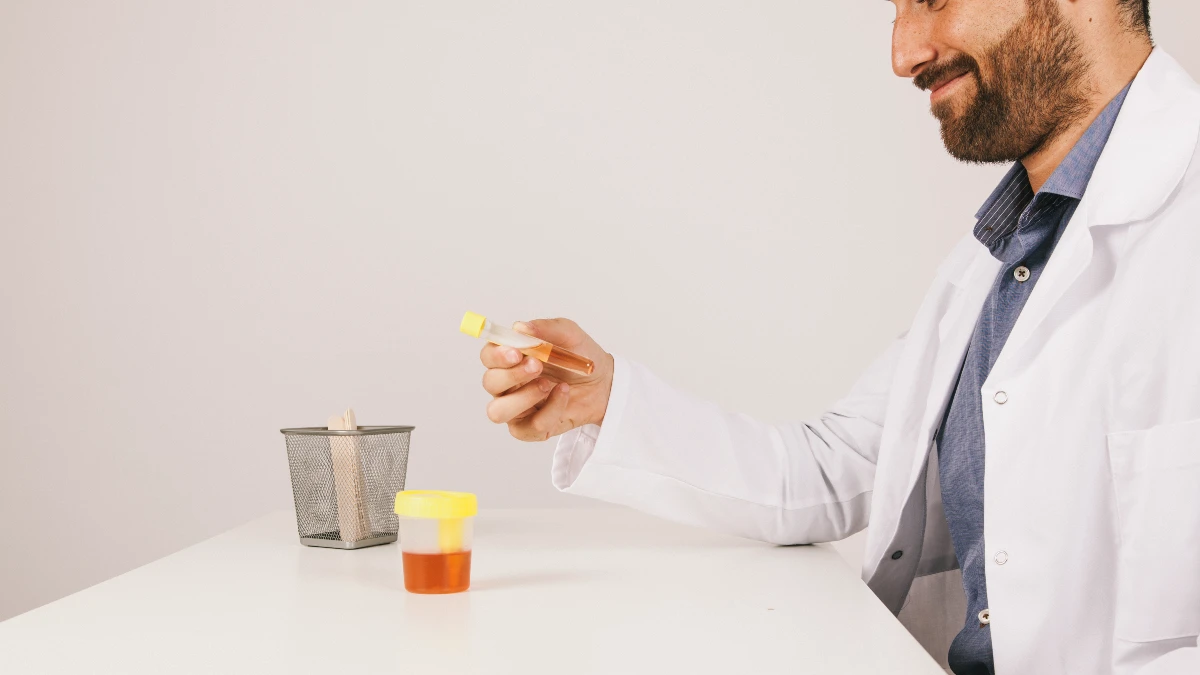
If you want to stop stones for good, you have to stop guessing. Every person has different urine chemistry. A 24 hour urine collection test is the only way to see what is actually happening. This test measures exactly how much calcium, salt, and acid you are putting out. It shows whether you have enough stone fighters, such as citrate, or if your urine is too concentrated.
In 2026, doctors use this test to create a personalized plan for you. It tells you if your problem is too much salt, too little water, or a specific issue with how your body handles calcium. Once you have the results, you won’t have to guess about which foods to avoid. This test is the best tool you have to ensure you never have to deal with the pain of a kidney stone again.
Conclusion
Kidney stones are a metabolic puzzle, not just a plumbing problem. Water is part of the fix, but your diet and pH levels matter more. By eating enough calcium and boosting your citrate, you can stay pain free. Kidney stone prevention after 50 requires a clear plan and the right tests.
Talk to your urologist about a metabolic panel today. You should also ask for a 24 hour urine collection kit to see your specific risks. Stop guessing and start using science to protect your kidneys.