

Despite following what seems like a healthy high-protein diet, millions of people are unknowingly creating an acidic environment in their bodies that slowly leaches calcium from their bones. The fitness industry’s “more protein is better” mentality has led many to consume excessive amounts of animal protein without understanding a crucial balance that protects bone health.
You might assume that prioritizing protein automatically means stronger bones after all, protein builds muscle, and muscle supports bone structure. But here’s what most people don’t realize: when you consistently consume high amounts of acid-forming proteins without enough alkaline foods to balance them, your body begins a silent process of borrowing calcium from your bones to maintain proper pH levels.
This isn’t about avoiding protein entirely that would be equally damaging to your bones. Instead, it’s about understanding the specific mechanism by which excess protein damages bones, how to identify if you’re at risk, and evidence-based solutions to maintain strong bones while getting adequate protein. The key lies in achieving the right protein-to-alkaline food ratio that modern research has identified as optimal for lifelong bone health.
The Bone Health Mistake Most People Don’t Know They’re Making

If you’ve been told that more protein equals better health, you’re not wrong but you’re not completely right either. The latest research from leading bone health experts reveals a critical blind spot in how most people approach protein consumption, and it’s quietly undermining bone strength in millions of adults.
The mistake isn’t eating protein it’s eating excessive amounts of acid-forming proteins without the alkaline foods needed to maintain your body’s delicate pH balance. When nutritionists at major research institutions analyzed the diets of thousands of adults, they discovered that those consuming more than 1.2 grams of protein per kilogram of body weight daily, particularly from animal sources, showed measurable bone mineral density decline over just three years.
But here’s what makes this bone health mistake so insidious: it operates completely below your awareness. Unlike a vitamin deficiency that might cause fatigue or a calcium shortage that triggers muscle cramps, excessive protein intake creates no immediate symptoms. Your body silently compensates by drawing alkalizing minerals primarily calcium from your bone stores to neutralize the acid load created by protein metabolism.
Dr. Susan Brown, a leading researcher in nutritional bone health, explains that our ancestors naturally achieved the protein-alkaline balance our bones require. Their diets included abundant vegetables, fruits, nuts, and seeds alongside moderate amounts of animal protein. Today’s typical Western diet has flipped this ratio, creating what researchers call “chronic low-grade metabolic acidosis” a condition where your body constantly works to neutralize dietary acids.
Recent studies show this isn’t a minor adjustment your body makes. Finnish researchers following postmenopausal women for three years found that those consistently consuming high-protein diets experienced measurable decreases in bone mineral content and density, even when calcium intake appeared adequate. The acid-forming amino acids in animal proteins particularly sulfur-containing ones like methionine and cysteine require your kidneys to work overtime, pulling alkalizing minerals from wherever they’re stored.
The numbers are sobering: osteoporosis affects 50% of women and 20% of men over age 50, and excessive protein consumption appears to accelerate this timeline. But the solution isn’t protein avoidance adequate protein is essential for bone structure and the muscle strength that protects bones from fractures. The answer lies in understanding the crucial difference between adequate protein consumption (beneficial) and excessive protein consumption (potentially harmful).
When protein intake stays within optimal ranges typically 0.8 to 1.0 grams per kilogram of body weight for most adults and is balanced with alkaline-forming foods, protein supports bone health by stimulating growth factors and improving calcium absorption. Cross this threshold consistently, especially with a diet low in fruits and vegetables, and protein becomes a bone liability rather than an asset.
How Excess Animal Protein Creates a Bone-Stealing Environment

Think of your body as a precisely calibrated chemistry lab where every meal creates either an acid or alkaline environment. When you consume animal proteins, your internal chemistry lab immediately begins processing sulfur-containing amino acids the building blocks that make animal proteins particularly effective for muscle building but potentially problematic for bones.
Here’s what happens during this chemical process: As your digestive system breaks down animal proteins like beef, chicken, fish, or eggs, it metabolizes amino acids such as methionine and cysteine into sulfuric acid. This isn’t inherently harmful your body is designed to handle acid production. The problem arises when this acid production becomes chronic and overwhelming, which happens with consistently high animal protein intake.
Your kidneys act as the primary acid-neutralizing system, working to maintain your blood pH within a narrow, life-sustaining range. When faced with excess dietary acid, your kidneys increase net acid excretion through urine, but this process requires alkalizing minerals to function effectively. If your diet doesn’t provide these minerals through alkaline foods, your body has an emergency backup plan: it mobilizes calcium, magnesium, and other alkalizing minerals directly from your bones.
Research from leading nephrology centers shows that urinary calcium loss is directly proportional to net acid excretion. In practical terms, this means the more acid-forming foods you eat without alkaline balance, the more calcium your body pulls from your bones and eliminates through urine. This calcium isn’t just passing through it’s being actively extracted from your bone matrix to serve as a buffer.
The calcium paradox becomes clear when you understand this mechanism: more protein can indeed mean less bone strength, despite protein’s positive effects on muscle mass and growth factors. Plant proteins present a different scenario because they contain fewer sulfur-containing amino acids and often come packaged with alkalizing minerals like potassium and magnesium.
Dr. Anthony Sebastian, a leading researcher in acid-base physiology, has demonstrated that animal proteins differ dramatically in their potential acid load. Red meat and aged cheeses create the highest acid burden, while fish and poultry create moderate loads. Plant proteins from sources like legumes, nuts, and seeds actually contribute to your body’s alkaline reserves rather than depleting them.
This bone-stealing environment operates on a daily basis. Each high-protein meal without sufficient alkaline foods triggers this calcium-mobilization response. Over months and years, these repeated episodes of bone mineral withdrawal create measurable decreases in bone density particularly in weight-bearing areas like the hip and spine where fractures carry the most serious consequences.
The process is remarkably efficient and silent. Your blood calcium levels remain normal because your body prioritizes maintaining proper calcium concentration for heart function, muscle contraction, and nerve transmission. But this apparent normalcy masks the gradual depletion of your bone calcium reserves, setting the stage for future fractures during seemingly minor falls or impacts.
The Science-Backed Solution: Protein Balance for Strong Bones
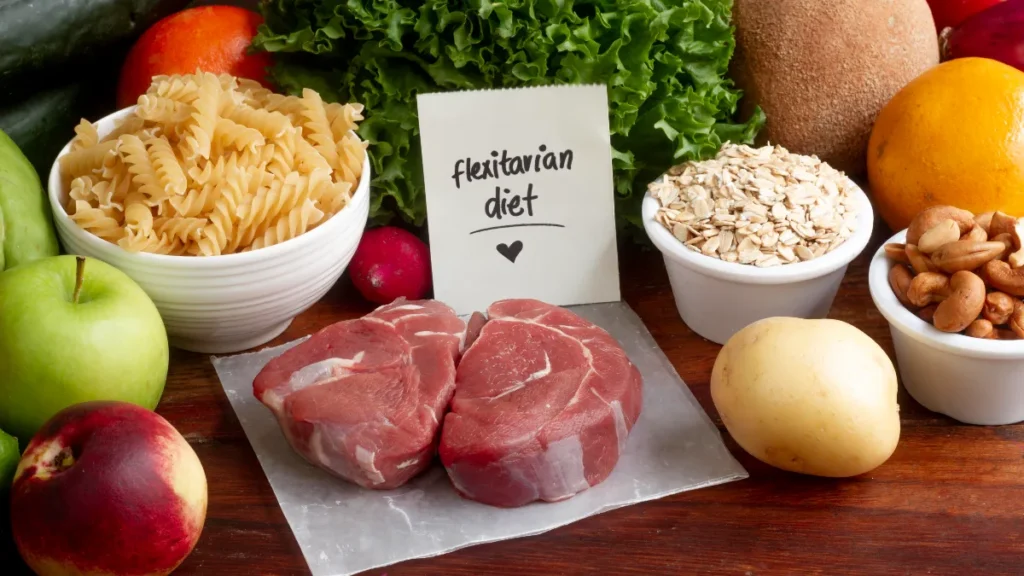
The breakthrough in bone health research isn’t about eliminating protein it’s about achieving the specific protein-to-alkaline ratio that allows your bones to stay strong while your muscles get the amino acids they need. Recent studies from major bone research centers have identified the exact nutritional strategy that reverses acid-induced calcium loss and actually enhances protein’s bone-building benefits.
The solution centers on what researchers call “alkaline buffering” providing your body with enough alkalizing minerals from fruits and vegetables to neutralize the acid load from protein without requiring calcium withdrawal from bones. When Swiss researchers tested this approach, they found that adding alkaline foods to high-protein diets completely eliminated the calcium-stealing effect and actually improved bone formation markers.
Here’s the precise formula that works: For every gram of protein above your baseline needs, you should consume approximately 2-3 servings of alkaline-forming foods. This typically translates to 5-7 servings of vegetables and 2-3 servings of fruits daily for adults consuming moderate protein levels. The European Society for Clinical and Economical Aspects of Osteoporosis found that this ratio maintains optimal bone turnover markers while preserving protein’s muscle-building benefits.
Calcium absorption plays a crucial role in this equation, but timing and form matter significantly. Research published in leading bone health journals shows that calcium is best absorbed in divided doses of 500 mg or less, taken 2-3 times throughout the day rather than in large single doses. When combined with adequate vitamin D minimum 800 IU daily according to fracture prevention studies this approach maximizes your body’s ability to use dietary calcium for bone maintenance rather than acid buffering.
The vitamin D component is non-negotiable. Without sufficient vitamin D, your intestinal calcium absorption drops dramatically, forcing your body to maintain blood calcium levels by increasing parathyroid hormone production, which directly stimulates bone breakdown. Studies from major medical centers consistently show that 800-1000 IU of vitamin D3 daily, combined with adequate calcium intake, provides the foundation for optimal bone metabolism.
Weight-bearing exercise amplifies these nutritional benefits exponentially. Research from bone physiology laboratories demonstrates that the combination of alkaline nutrition and impact exercise creates what scientists call “positive bone modeling” actual increases in bone strength rather than just slowing bone loss. The mechanical stress from exercise signals bone-building cells to increase activity, while adequate alkaline minerals provide the raw materials for this building process.
But here’s what makes this approach uniquely effective: alkaline foods don’t just neutralize acid they actively support bone health through multiple pathways. Dark leafy greens provide vitamin K, essential for bone protein synthesis. Citrus fruits, despite being acidic in taste, become highly alkalizing during metabolism and provide vitamin C for collagen formation. Nuts and seeds contribute magnesium, which activates vitamin D and supports bone crystal formation.
The Mediterranean dietary pattern emerges as the gold standard for implementing this approach. Research following over 140,000 adults found that those with high adherence to Mediterranean eating patterns rich in vegetables, fruits, fish, olive oil, and moderate amounts of dairy showed significant decreases in hip fracture risk compared to those following typical Western diets high in meat and low in vegetables.
Practical implementation requires understanding food’s actual acid-alkaline impact, which often differs from initial taste. Lemons, despite their sour taste, are among the most alkalizing foods because they’re rich in potassium and magnesium. Spinach, kale, and other dark leafy greens top the alkalizing charts, while even healthy foods like quinoa and oats are mildly acid-forming and should be balanced with vegetables.
Your Daily Bone Protection Action Plan
🦴 Bone Health Daily Routine
Transform your bone health with this research-backed plan

Transform your bone health starting tomorrow by implementing this research-backed daily routine that balances protein needs with alkaline protection. The key is creating sustainable habits that naturally maintain the optimal protein-to-alkaline ratio without complex calculations or restrictive rules.
Morning Foundation (7:00-9:00 AM) Start your day with a bone-protecting breakfast that sets the alkaline tone. Combine moderate protein like 2 eggs or ½ cup Greek yogurt with alkalizing foods such as spinach in your omelet or berries with your yogurt. Add a glass of water with a squeeze of lemon, which becomes highly alkalizing during digestion and kickstarts your metabolism.
Optimal Protein Timing Distribute your protein intake throughout the day rather than loading it into one large meal. Aim for 0.8-1.0 grams per kilogram of body weight total, split across 3-4 meals. For a 150-pound person, this means approximately 55-68 grams of protein daily roughly the amount in 3 ounces of fish, 1 cup of lentils, and 2 tablespoons of nuts spread throughout the day.
Alkaline Amplification Strategy With each protein-containing meal, include 2-3 servings of alkalizing vegetables. This isn’t about massive salads it’s about consistent pairing. Add spinach to your morning eggs, include cucumber and tomatoes with your lunch protein, and serve your dinner protein over a bed of steamed broccoli or roasted Brussels sprouts.
Calcium Optimization Schedule Take calcium in divided doses if supplementing: 500 mg with breakfast and 500 mg with dinner, separated by at least 4 hours. Natural food sources work even better incorporate calcium-rich alkalizing foods like sesame seeds (2 tablespoons provide 176 mg), collard greens (1 cup cooked provides 266 mg), or almonds (¼ cup provides 96 mg).
Exercise Integration Schedule 30-minute weight-bearing exercise sessions 3-4 times weekly, focusing on activities that create beneficial stress on your bones. Walking, stair climbing, dancing, or resistance training all qualify. The combination of alkaline nutrition and mechanical loading creates the optimal environment for bone strengthening.
Hydration Enhancement Drink mineral-rich water throughout the day, aiming for 8-10 glasses. Some research suggests that bicarbonate-rich mineral waters may provide additional alkalizing benefits, but regular filtered water with a pinch of sea salt works well for most people.
Evening Bone Support End your day with an alkalizing snack if needed a small handful of almonds, an apple with almond butter, or herbal tea. This helps maintain alkaline balance overnight when your body performs most of its bone remodeling work.
Weekly Meal Prep Strategy Dedicate 30 minutes weekly to preparing alkalizing vegetables: wash and chop leafy greens, roast a variety of colorful vegetables, and prepare easy-to-grab alkaline snacks. Having these foods readily available makes it effortless to include them with every meal.
Supplement Timing (If Needed) Take vitamin D3 (1000 IU) with your largest meal for optimal absorption, since it’s fat-soluble. If using magnesium supplements, take them in the evening as they can promote relaxation and support overnight bone remodeling processes.
Progress Tracking Monitor your energy levels, sleep quality, and overall well-being as indicators of improved acid-alkaline balance. Many people notice increased energy and better sleep within 2-3 weeks of implementing this routine, reflecting improved mineral status and reduced metabolic stress.
Foods That Heal vs. Foods That Steal Calcium

Understanding which foods actively support your bones versus those that require bone minerals for metabolism empowers you to make choices that build long-term bone strength. The latest research reveals that food’s impact on bone health depends not just on calcium content, but on the overall acid-alkaline balance it creates in your body.
Alkaline Powerhouse Foods Dark leafy greens top the list of bone-healing foods, with spinach, kale, collard greens, and Swiss chard providing not only calcium but also vitamin K for bone protein synthesis and magnesium for calcium utilization. Cruciferous vegetables like broccoli, cauliflower, and Brussels sprouts offer both alkalizing minerals and compounds that support healthy bone metabolism.
Fruits, despite containing natural sugars, are predominantly alkalizing due to their high potassium and magnesium content. Citrus fruits, melons, and berries provide vitamin C essential for collagen formation in bones, while bananas and avocados contribute significant potassium for acid neutralization. Even seemingly acidic foods like tomatoes and berries become alkalizing during metabolism.
Root vegetables including sweet potatoes, carrots, and beets provide alkalizing minerals along with fiber that supports overall health. These foods help create the internal environment that allows calcium to remain in bones rather than being pulled out for acid buffering.
Moderate Protein Champions Fish emerges as the optimal animal protein for bone health, providing high-quality amino acids with a lower acid load than red meat. Fatty fish like salmon, sardines, and mackerel offer the additional benefit of omega-3 fatty acids, which research shows reduce bone-damaging inflammation.
Legumes and lentils provide protein with minimal acid impact and actually contribute alkalizing minerals to your diet. A cup of lentils provides 18 grams of protein while adding alkalizing potassium and magnesium rather than depleting them. Beans, chickpeas, and peas follow similar patterns.
Dairy products occupy a unique position while they’re technically acid-forming, they provide such concentrated calcium and protein that moderate consumption (2-3 servings daily) can be beneficial when balanced with plenty of vegetables. Choose plain, unsweetened varieties to avoid added acid-forming sugars.
Calcium Thieves to Limit Excessive red meat consumption creates the highest acid load, particularly when consumed in large portions or processed forms like bacon, sausage, and deli meats. This doesn’t mean complete elimination, but limiting red meat to 2-3 servings per week allows for better acid-alkaline balance.
Refined grains and sugars create acid loads without providing the alkalizing minerals found in whole foods. White bread, pasta, and rice require alkalizing minerals for metabolism but contribute few beneficial nutrients. Choose whole grain versions in moderation and always pair with alkaline vegetables.
Processed foods and fast food combinations typically combine multiple acid-forming ingredients refined grains, processed meats, sugars, and excess sodium while providing minimal alkalizing nutrients. These foods force your body to work harder to maintain pH balance.
Mediterranean Magic The Mediterranean dietary pattern consistently shows the strongest protective associations with bone health in research studies. This eating style naturally achieves the ideal protein-alkaline balance through its emphasis on vegetables, fruits, fish, olive oil, nuts, and moderate amounts of dairy and wine.
Extra virgin olive oil deserves special mention for its bone-protective properties. Research shows that the polyphenols in high-quality olive oil actually stimulate bone-forming cells and provide anti-inflammatory benefits that protect existing bone tissue.
Smart Substitutions Replace acid-forming snacks with alkalizing alternatives: choose almonds instead of crackers, berries instead of cookies, or hummus with vegetables instead of chips. These simple swaps gradually shift your daily acid-alkaline balance toward bone protection.
When consuming acid-forming foods, pair them strategically: serve meat with a large salad, add vegetables to grain dishes, or include fruit with protein snacks. This pairing approach allows you to enjoy diverse foods while maintaining bone-healthy balance.
Hydration Helpers Even beverages impact bone health. Herbal teas, vegetable juices, and mineral water support alkaline balance, while excessive coffee, alcohol, and sodas contribute to acid load. Aim for a ratio of 3:1 alkalizing to acid-forming beverages throughout your day.
Conclusion
The bone health mistake that nutritionists see daily consuming excessive animal protein without adequate alkaline foods is completely preventable with simple dietary adjustments. You don’t need to abandon protein or follow restrictive diets; you simply need to achieve the balance that allows protein to support rather than steal from your bones.
The solution combines moderate protein intake (0.8-1.0 grams per kilogram body weight), 5-7 daily servings of alkalizing vegetables and fruits, adequate calcium timing, and regular weight-bearing exercise. This approach not only prevents bone loss but often improves bone density while supporting muscle health and overall vitality.
Recent research confirms that when you balance acid-forming proteins with alkaline foods, you create the optimal environment for lifelong bone strength. The Mediterranean dietary pattern provides a proven template, but any eating style can be modified to achieve this crucial protein-alkaline balance.
Start with one simple change: add two extra servings of vegetables to your daily diet and track your protein intake for one week. Notice how this small adjustment affects your energy, sleep, and overall well-being. Your bones will thank you for decades to come, and you’ll have taken the first step toward preventing the bone health mistake that quietly undermines millions of people’s skeletal strength.
Strong bones aren’t just about calcium and exercise they’re about understanding the delicate nutritional balance that allows your skeleton to thrive in our modern food environment.