

In 2026, we know that your heart doesn’t usually “break” without warning. It sends quiet signals for years before a crisis hits. Most people over 40 miss these early heart warning signs. They think they are just stressed. Or they think they need more sleep. Some just blame “getting old.” But these signs are not just part of aging. You need to know what to look for so you can take action. This guide helps you spot the subtle heart disease symptoms after 40. You will also learn a simple 3-step plan to check your internal health. And here is why that matters: catching these signs now can save your life later.
Why Your Heart Sends “Quiet” Signals First

Your heart is like a high-end machine. It doesn’t just stop working because of “wear and tear.” Instead, the real problem is often vascular inflammation. This is like having tiny fires inside your blood pipes. When this happens, your body has to make tough choices. It might redirect blood away from your feet or hands to protect your brain. This is why you might feel cold or suddenly very tired.
There is a big difference between your calendar age and your biological age. Your heart might be 60 even if you are only 40. Data from 2025 shows that 50% of people who had a heart attack noticed “vague” symptoms a month before. They just didn’t realize it was their heart. This is why a cardiovascular health screening is so important. It finds the “noise” in your system before it becomes a disaster. Keeping your heart health in check starts with listening to these quiet messages. If you feel “off,” it is usually for a reason.
5 Symptoms You Are Probably Ignoring

Chest pain is the sign everyone knows. But many people have heart trouble without any chest pain at all. This is very common for heart attack signs in women.
- Unusual Fatigue: You feel wiped out after a simple trip to the store. This isn’t normal tiredness. It is your heart struggling to move oxygen to your muscles.
- The GI Masquerade: You feel indigestion or a weird ache in your jaw. It might feel like a pulled muscle in your shoulder that won’t go away with rest. This is often your heart sending a distress signal through your nerves.
- The ED Link: For men, circulation issues often show up “below the belt” first. If blood isn’t moving well there, it likely isn’t moving well in the heart either.
- Sleep Troubles: You start snoring loudly or waking up gasping for air. This puts huge stress on your heart.
- Swollen Ankles: If your socks leave deep marks at the end of the day, your heart might be struggling to pump fluid back up your body.
These are the most common heart disease symptoms after 40. If you notice these, do not just wait for them to go away.
3 Tests for Your 2026 Heart Baseline
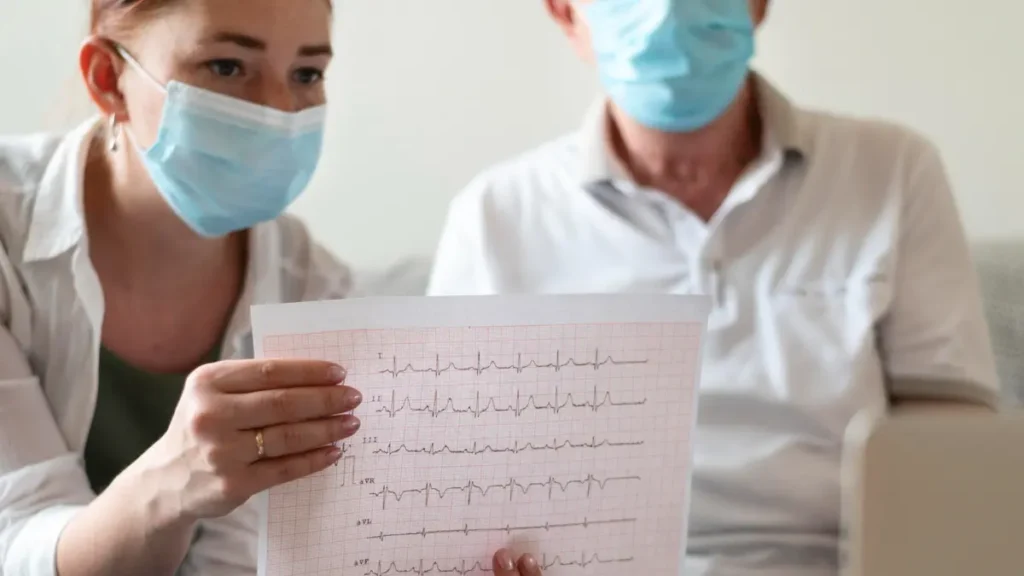
You cannot fix what you do not measure. In the past, doctors just looked at basic cholesterol. Now, we have better ways to check your risk.
- The CAC Score: This is a quick scan that looks for calcium in your arteries. It tells you exactly how much “plaque” is there. It is much more accurate than a simple blood test.
- The hs-CRP Test: This blood test measures inflammation, or the “fire” in your heart. High levels mean your heart is under stress.
- Wearable Data: Look at your resting heart rate (RHR) on your watch. If your RHR starts creeping up over a few weeks, it is a sign your heart is working too hard.
Getting a cardiovascular health screening like this gives you a clear picture. Schedule a medical checkup and ask for these specific tests to see your real heart age.
3 Ways to Protect Your Heart Right Now

You can take action today to lower your risk.
- The 10-Minute Walk Rule: Use movement as a tool. If a 10-minute brisk walk makes you feel dizzy or very short of breath, take it seriously. It is a simple way to check your “engine.”
- Get Your “Electricians”: Magnesium and potassium help your heart beat in a steady rhythm. Many people are low on these minerals. Eating leafy greens or taking a supplement can help your heart stay stable.
- Lower Your Cortisol: Stress produces a hormone called cortisol. Over time, high cortisol acts like acid on your arteries. Finding 10 minutes to sit quietly or breathe deeply can protect your heart from damage.
These are simple heart health tips. Use these prevention strategies to keep your internal clock running slow.
Why Women’s Heart Signs Are Often Missed

Heart trouble doesn’t always look the same for everyone. For men, it often feels like an “elephant sitting on the chest.” But for women, the signals are much more quiet. This is why women over 40 often wait longer to get help.
Women are more likely to feel extreme nausea or pressure in their upper back. You might feel like you have a bad case of the flu. Some women describe a feeling of “doom” or deep anxiety that they can’t explain. In 2026, doctors call this “vague” presentation, but there is nothing vague about the risk.
Heart attack signs in women often include:
- Neck or Jaw Pain: Pain that moves from the chest up into the throat.
- Shortness of Breath: Feeling winded while just sitting still or talking.
- Lightheadedness: Feeling like you might faint for no reason.
If you feel these things, do not tell yourself you are just “overreacting.” It is always better to get checked and be wrong than to stay home and be right.
The 2026 Heart Diet: Fuel for Your Arteries

In the past, people just avoided fat. In 2026, we focus on “Fibermaxxing” and lowering inflammation. Your heart needs the right fuel to keep the “pipes” clean.
The biggest goal is to feed the good bacteria in your gut. These bacteria send signals to your heart that lower swelling in your blood vessels. You can do this by eating more fermented foods like kimchi or sauerkraut. This helps lower body-wide inflammation that can lead to heart disease.
Try these heart health tips for your daily meals:
- The 30-Plant Rule: Try to eat 30 different types of plants, nuts, and seeds every week. This creates a “shield” for your heart.
- Healthy Fats: Use extra virgin olive oil and eat avocados. These help your arteries stay flexible.
- Limit “Hidden” Sugars: Sugar is like sandpaper for your arteries. It creates tiny scratches that plaque sticks to.
Eating for your heart isn’t about being perfect. It is about giving your body the tools it needs to repair itself.
How Your Smartwatch Can Save Your Life

Technology in 2026 is like having a doctor on your wrist. Your smartwatch can see things you can’t feel yet. Most people just use them to count steps, but they are powerful tools for your medical checkup.
The most important number to watch is your Heart Rate Variability (HRV). This measures the tiny changes in time between each heartbeat. A high HRV means your heart is relaxed and ready for stress. A low HRV can be an early warning that your heart is under too much pressure.
You should also watch these numbers:
- Resting Heart Rate (RHR): If your RHR goes up by 5 or 10 beats over a week, your heart might be fighting an infection or a blockage.
- ECG Apps: Many watches can now check for AFib, which is an irregular heartbeat that causes strokes.
- Sleep Tracking: If your watch shows you are waking up many times a night, it could be sleep apnea. This is a major cause of heart stress after 40.
Use this data to talk to your doctor. Instead of saying “I feel tired,” you can show them exactly how your heart has been behaving.
Conclusion
Heart Disease: The Numbers That Matter
Understanding the impact of early detection and prevention
of premature heart disease is preventable with lifestyle changes
of heart attacks occur in people with normal cholesterol levels
of cardiac arrests happen outside a hospital setting
survival rate when heart attacks are treated within 90 minutes
The heart doesn’t fail suddenly—it whispers for months or even years before it shouts. Learning to recognize those whispers can be the difference between a long, healthy life and a medical emergency.
Essential Screening Timeline for Adults 40+
Blood Pressure: Check every 1-2 years (or more frequently if elevated)
Cholesterol Panel: Every 4-6 years for normal risk; annually for high risk
Blood Sugar/A1C: Every 3 years starting at age 45, or earlier if overweight
ECG/EKG: Baseline at 40, then as recommended by your doctor
Calcium Score CT: Consider at age 40-50 if family history or risk factors present
Sources: American Heart Association, CDC, Journal of the American College of Cardiology
Your heart is a high-performance engine. It rarely fails without sending a signal first. Most early heart warning signs are quiet, but they are there if you listen. Do not ignore “vague” feelings of fatigue or weird aches in your jaw. Book a heart baseline appointment this month to see your true numbers. Share this list with a friend who is over 40. Taking action now keeps you independent and healthy for years to come.