

One supplement that can prevent the equivalent of nearly three years of aging. While the supplement industry floods consumers with promises of eternal youth and vitality, most products fail to deliver measurable benefits. The confusion between marketing hype and genuine scientific evidence leaves many adults over 50 struggling to identify which supplements actually extend healthspan and lifespan.
This evidence-based guide cuts through the noise to examine vitamin D’s proven life-extending benefits after age 50. You’ll discover the exact mechanisms by which vitamin D protects against cellular aging, the optimal dosing strategies backed by the latest research, and practical implementation steps to maximize your longevity potential. The research reveals that vitamin D longevity after 50 isn’t just about bone health it’s about fundamental cellular protection that can add years to your life while maintaining vitality throughout those extra years.
The Longevity Breakthrough: What the Latest Studies Reveal

The most compelling evidence for vitamin D supplements life extension comes from Harvard’s landmark VITAL study, published in 2025. Researchers tracked over 1,000 participants aged 50 and older for four years, measuring cellular aging through telomere analysis. The results were remarkable: participants taking 2,000 IU of vitamin D3 daily showed significantly reduced telomere shortening, preventing the equivalent of nearly three years of biological aging compared to placebo.
Dr. JoAnn Manson, principal investigator of the Harvard study and professor at Harvard Medical School, emphasized the significance: “VITAL is the first large-scale and long-term randomized trial to show that vitamin D supplements protect telomeres and preserve telomere length.” The mechanism involves telomere protection those protective DNA caps at chromosome ends that naturally shorten with age. Participants began with an average of 8,700 base pairs of telomere length, and vitamin D supplementation prevented the loss of 140 base pairs over four years.
Supporting this breakthrough, a comprehensive meta-analysis published by NutritionFacts.org examined 56 randomized clinical trials involving nearly 100,000 people. The analysis revealed that vitamin D supplementation helped people live longer and specifically reduced cancer death risk by 12-13%. This mortality reduction effect was limited to vitamin D3 (cholecalciferol) rather than vitamin D2, highlighting the importance of choosing the right form.
The Endocrine Society’s 2024 clinical guidelines now officially recognize these longevity benefits. Their recommendations state: “In the general population ages 75 years and older, we suggest empiric vitamin D supplementation because of the potential to lower the risk of mortality.” This represents a significant shift from previous guidelines that focused primarily on bone health.
Additional research from King’s College London demonstrated that women with the highest vitamin D levels had telomeres corresponding to roughly five additional years of life compared to those with the lowest levels. These women also showed reduced inflammatory markers, suggesting vitamin D’s anti-aging effects operate through multiple pathways simultaneously.
The consistency across these major studies from cellular mechanisms to population-level outcomes provides unprecedented evidence that vitamin D3 supplementation can measurably extend human lifespan after age 50.
How Vitamin D Protects Against Aging at the Cellular Level
Vitamin D Anti-Aging Benefits

Vitamin D aging benefits extend far beyond bone health, operating through sophisticated cellular mechanisms that directly combat the aging process. Recent research reveals that vitamin D functions as a master regulator of cellular homeostasis, influencing hundreds of genes involved in aging and disease resistance.
The primary mechanism involves cellular protection through protein homeostasis maintenance. Studies published in PubMed Central demonstrate that vitamin D promotes proper protein folding and prevents the accumulation of damaged proteins that characterize cellular aging. Dr. Carsten Carlberg, a leading vitamin D researcher, explains: “A functional vitamin D system can regulate senescence-induced signaling through both genomic and non-genomic mechanisms, serving as a helpful tool against diseases related to inflammation, oxidative stress, and cancer.”
Vitamin D’s anti-aging effects operate through the vitamin D receptor (VDR), which acts as a transcription factor regulating gene expression. The VDR is present in virtually all human tissues, allowing vitamin D to modulate cellular function throughout the body. This widespread influence explains why vitamin D deficiency accelerates multiple aging processes simultaneously.
Critical to longevity is vitamin D’s role in immune system regulation. Research from 2024 shows that vitamin D controls the epigenome and transcriptome of immune cells, particularly monocytes, macrophages, and dendritic cells. Professor Carlberg’s team found that adequate vitamin D status maintains “immunocompetence” the ability to resist both infectious diseases and non-communicable age-related diseases. As immunocompetence declines with age, the cancer risk increases significantly, making vitamin D’s immune-supporting function crucial for longevity.
Vitamin D also activates antioxidant pathways, particularly through the Nrf2 system, which protects cells from oxidative damage. This protection is vital because oxidative stress accelerates telomere shortening and cellular senescence. Additionally, vitamin D influences the NF-κB pathway, reducing chronic inflammation that drives many aging processes.
The vitamin significantly improves neurocognitive function by supporting brain cell health and reducing neuroinflammation. Studies show vitamin D reduces the risk of myocardial infarction and type 2 diabetes two conditions strongly linked to accelerated aging. By preventing these diseases, vitamin D helps maintain the metabolic efficiency essential for healthy longevity.
Perhaps most importantly, vitamin D enhances autophagy the cellular “cleanup” process that removes damaged components. This mechanism becomes less efficient with age, leading to the accumulation of cellular debris. Adequate vitamin D levels help maintain optimal autophagy, keeping cells functioning efficiently longer.
The Optimal Vitamin D Strategy for Adults Over 50

Determining the right vitamin D dosage over 50 requires understanding both official recommendations and emerging research. Current guidelines from the Endocrine Society recommend 600 IU daily for ages 50-70 and 800 IU for those over 70. However, many longevity experts suggest these amounts may be insufficient for optimal aging benefits.
The Harvard VITAL study demonstrating telomere protection used 2,000 IU daily significantly higher than official recommendations but well within safe limits. Dr. Michael Holick, a pioneer in vitamin D research, notes that many experts now recommend maintaining optimal vitamin D levels between 40-60 ng/mL (100-150 nmol/L) for maximum health benefits, which often requires higher supplementation doses.
For practical implementation, geriatrician experts suggest 800 IU daily for adults over 65 based on the latest safety and efficacy data. This dose prevents deficiency while minimizing risks associated with higher amounts. The key consideration is that vitamin D3 supplements (cholecalciferol) are significantly more effective than vitamin D2 (ergocalciferol) for longevity benefits, as demonstrated in the mortality studies.
Daily dosing proves superior to intermittent high doses. The Endocrine Society specifically recommends against weekly doses exceeding 50,000 IU, as these can paradoxically increase fall and fracture risk in older adults. Consistent daily intake of 800-2,000 IU provides steady blood levels without the peaks and valleys of intermittent dosing.
Safety considerations are crucial for this age group. The upper safe limit is 4,000 IU daily, but doses above 1,000 IU should ideally be monitored by healthcare providers. Multiple randomized studies have found concerning side effects when older adults take doses of 2,000 IU and higher without medical supervision, including increased fall risk and reduced bone mineral density.
The timing of supplementation matters for absorption. Since vitamin D is fat-soluble, taking it with a meal containing healthy fats optimizes absorption. Morning dosing is often preferred as it aligns with natural circadian rhythms, though any consistent timing works effectively.
Cost-effectiveness favors vitamin D3 supplements, which are widely available and inexpensive. Generic versions work as well as name brands, making this longevity intervention accessible to most adults. A year’s supply of quality vitamin D3 typically costs less than $20, representing exceptional value for the documented health benefits.
Individual factors may require dosing adjustments. Adults with obesity, dark skin, limited sun exposure, or malabsorption conditions may need higher doses to achieve optimal blood levels. However, these adjustments should be made with medical guidance rather than self-medication.
Do You Need Testing? Understanding Your Vitamin D Status

Current medical guidelines recommend against routine vitamin D blood test screening for healthy adults, but specific high-risk groups benefit from testing. The Endocrine Society’s 2024 recommendations identify adults over 65 as candidates for testing due to age-related changes in vitamin D synthesis and absorption.
Testing becomes valuable for adults with limited sun exposure, those living at northern latitudes, individuals with dark skin, or anyone with conditions affecting fat absorption such as Crohn’s disease or celiac disease. These factors significantly increase vitamin D deficiency risk, making baseline assessment worthwhile.
The standard test measures 25-hydroxyvitamin D, also written as 25(OH)D levels, which reflects total body vitamin D stores. Most laboratories report results in nanograms per milliliter (ng/mL), though some use nanomoles per liter (nmol/L). Understanding these reference ranges helps interpret results accurately.
Optimal levels remain somewhat controversial among experts. The Institute of Medicine defines deficiency as less than 20 ng/mL (50 nmol/L), insufficiency as 20-30 ng/mL (50-75 nmol/L), and sufficiency as above 30 ng/mL (75 nmol/L). However, many longevity researchers advocate for levels of 40-60 ng/mL (100-150 nmol/L) based on observational studies linking higher levels to better health outcomes.
Mount Sinai Medical Center guidelines suggest testing for adults over 65 who have multiple risk factors for deficiency. These include minimal sun exposure, consistently using sunscreen, following strict vegetarian diets, having undergone gastric bypass surgery, or taking medications that interfere with vitamin D metabolism.
Retesting intervals depend on initial results and intervention strategies. If initial levels are severely deficient (below 20 ng/mL), retesting after 3-4 months of supplementation ensures adequate response. For those with borderline levels starting supplementation, annual testing may be sufficient to confirm maintenance of optimal status.
The testing process is straightforward a simple blood draw that can be combined with other routine lab work. Fasting is not required, and results are typically available within a few days. Some direct-to-consumer testing options are available, though interpretation is best done with healthcare guidance.
Cost considerations vary by insurance coverage and healthcare setting. Many insurance plans cover vitamin D testing when medically indicated, though routine screening in healthy individuals may not be covered. The test typically costs $50-100 when paid out-of-pocket.
Importantly, very high levels above 100 ng/mL (250 nmol/L) can indicate vitamin D toxicity, which rarely occurs from sun exposure but can result from excessive supplementation. This reinforces the importance of medical supervision when taking higher doses or in cases of concerning symptoms.
Maximizing Absorption and Avoiding Common Mistakes
Vitamin D Optimization Guide
Understanding vitamin D absorption mechanisms helps optimize supplementation effectiveness. Dr. Michael Holick’s research reveals that vitamin D produced in skin from sunlight lasts two to three times longer in the body than oral supplements, but daily supplementation eliminates this disadvantage by maintaining consistent levels.
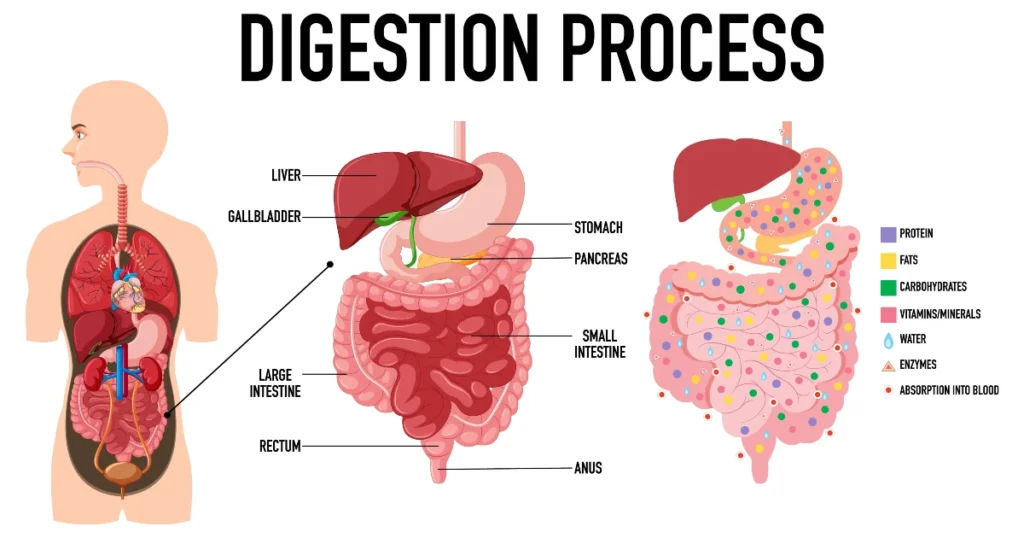
The fat-soluble nature of vitamin D requires careful attention to supplement timing. Taking vitamin D with meals containing healthy fats such as avocado, nuts, olive oil, or fatty fish can increase absorption by up to 50%. This simple timing change significantly improves vitamin D effectiveness without increasing dosage.
Common absorption mistakes include taking vitamin D on an empty stomach or with low-fat meals, which dramatically reduces uptake. Additionally, certain medications can interfere with vitamin D metabolism. Cholesterol-lowering statins may reduce vitamin D effectiveness, while corticosteroids can accelerate vitamin D breakdown, requiring dosage adjustments.
Specific populations face unique absorption challenges. Adults over 65 experience reduced skin production capacity and decreased intestinal absorption efficiency. Those with dark skin require significantly more sun exposure to produce equivalent amounts of vitamin D, making supplementation particularly important for this group living at higher latitudes.
Weight status affects vitamin D requirements, as the fat-soluble vitamin becomes sequestered in adipose tissue. Adults with obesity may require 2-3 times higher doses to achieve the same blood levels as those with normal weight. However, these higher doses should be medically supervised to avoid toxicity.
Storage and supplement quality impact effectiveness. Vitamin D supplements should be stored in cool, dry places away from light, as heat and humidity can degrade potency. Expiration dates matter using expired supplements may provide little benefit even if they appear unchanged.
Interaction with other nutrients can enhance or inhibit vitamin D function. Magnesium is essential for vitamin D activation, and deficiency in this mineral can limit vitamin D effectiveness regardless of dosage. Vitamin K2 works synergistically with vitamin D for bone health, while excessive calcium supplementation without adequate vitamin D can reduce absorption of both nutrients.
The form of vitamin D matters significantly. While both D2 and D3 are available, research consistently shows D3 (cholecalciferol) is more effective for raising and maintaining blood levels. D3 also appears to be the form specifically associated with longevity benefits in clinical trials.
Consistency in supplementation timing helps maintain steady blood levels. Whether taken morning or evening is less important than taking it at the same time daily with an appropriate meal. This routine approach ensures optimal absorption and helps establish the habit for long-term adherence.
Conclusion
The evidence for vitamin D longevity after 50 has reached a compelling threshold, with Harvard’s landmark research demonstrating measurable anti-aging effects at the cellular level. The combination of telomere protection, reduced mortality risk, and comprehensive cellular benefits positions vitamin D3 supplementation as one of the most evidence-based longevity interventions available.
The optimal strategy involves daily vitamin D3 supplementation of 800-2000 IU, taken with healthy fats, while maintaining awareness of individual risk factors and potential drug interactions. While routine testing isn’t necessary for all adults, those over 65 or with absorption concerns benefit from periodic monitoring to ensure optimal levels.
Success requires consistency, quality supplements, and realistic expectations vitamin D enhances healthy aging but doesn’t replace the fundamentals of good nutrition, regular exercise, and quality sleep. For those seeking evidence-based longevity support after 50, consult your healthcare provider to develop a personalized vitamin D strategy that maximizes your potential for healthy aging while minimizing risks.