
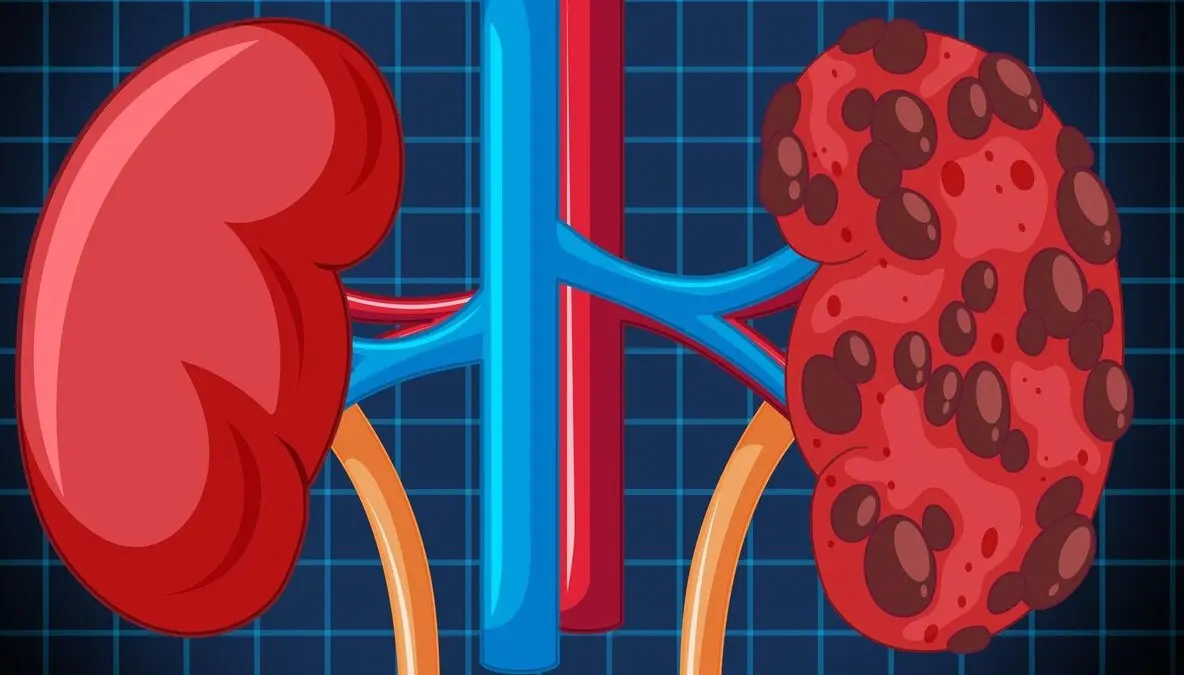
Your kidneys filter 150 quarts of blood every single day. That is a massive job for two small organs. Think of your kidneys as delicate silk filters. When your blood pressure stays high, it is like power washing that silk. The force is just too much. Most people over 50 spend their time worrying about heart attacks or strokes.
While those are important, high blood pressure damages the kidneys silently. You might feel perfectly fine while the damage is happening. This is a major problem because your kidneys do not grow back. Once they are scarred, they stay scarred. But there is good news. You can stop this process before it gets worse.
Vicious cycle works. I will also give you five clear, actionable steps to protect your renal health and maintain your kidney function. Aging does not have to mean losing your health. You just need a plan that works for 2026.
Why Your Kidneys Are at Risk After 50?

As you get older, your blood vessels change. They lose their stretch and become more rigid. Doctors call this arterial stiffness. Imagine a garden hose that has been left in the sun for years. It gets hard and brittle. It does not handle high-pressure water very well anymore.
Your kidneys are packed with thousands of tiny blood vessels called glomeruli. These are your filters. Because they are so small and delicate, they are the first victims when your blood pressure stays high. They simply cannot handle the constant pounding of the blood.
The data is clear and a bit scary. About 1 in 3 adults with high blood pressure will develop Chronic Kidney Disease CKD. If you are over 50, your kidney filtration rate naturally slows down a little bit each year. Adding high blood pressure to that natural aging process is like putting a heavy load on a tired engine.
How High Blood Pressure Attacks The Vicious Cycle?

High blood pressure creates a loop that is hard to break. It starts with kidney scarring, also known as fibrosis. When the pressure is too high, the tiny filters in your kidneys get damaged. To heal, the body creates scar tissue. But scar tissue cannot filter blood. Think of it like a plumbing system in an old house.
If you have a clogged pipe or scarred filters, the water cannot move through. The body reacts by trying to push harder to get the blood through those clogs. This is the burst pipe scenario. When the kidneys feel this struggle, they get scared. They release a hormone called renin.
Renin tells your body to raise your blood pressure even higher to help the kidneys work. But this extra pressure just causes more scarring. This creates more fluid retention, which raises your blood pressure again. It is a circle that feeds itself. You must intervene to break this cycle, or the kidneys will eventually fail because they are overworked and under filtered.
5 Actionable Steps to Protect Your Kidneys in 2026

You can take control of your health today with these five steps. These are updated for the latest 2026 health standards.
- Follow the 2026 DASH Diet: This is not just about avoiding salt. It is about adding protective foods. Focus on low sodium recipes that are high in potassium and magnesium. These minerals help your blood vessels relax.
- Use the Step Count to Pressure Ratio: For people over 50, aim for 7,000 steps a day.
- Request a uACR Test: Most doctors only check your GFR with a blood test. But the uACR test is a urine test that finds kidney damage much earlier. It looks for tiny bits of protein leaking into your urine. Ask for it by name at your next checkup.
- Master Blood Pressure Monitoring: Do not just check your pressure at the doctor’s office. White coat syndrome can give you a falsely high reading. Check it at home at the same time every morning.
- Watch Your NSAID Use: Common overthe counter pain meds like ibuprofen can be hard on the kidneys. If you have high blood pressure, talk to your doctor about kidney-safe pain relief.
3 Red Flags You Should Never Ignore

Kidney damage is quiet, but it does leave clues. You need to know what to look for.
- Nocturia Nighttime: Urination You are suddenly waking up two or three times a night to use the bathroom, and your kidneys might be struggling to concentrate your urine.
- Foamy Urine: If your urine looks like the head on a beer, it is a sign of proteinuria. This means your silk filters have holes in them, and protein is leaking out.
- Ankle Swelling Edema: If your socks leave deep marks on your ankles at the end of the day, you have edema. This happens when your kidneys can’t get rid of extra salt and water.
These kidney disease symptoms are your body’s way of asking for help. If you see them, do not wait for your annual physical. Call your doctor and ask for a kidney function screen.
Your Medication: The Best Shield for Your Filters

Taking your pills every day can feel like a chore. But it is the most important thing you can do to stop kidney scarring. Medications like ACE inhibitors or ARBs do more than just lower a number on a screen. They actually relax the blood vessels inside your kidneys. This takes the physical stress off your filters.
Do not stop taking your medicine just because you feel good. High blood pressure does not usually have symptoms until the damage is done. In 2026, many people use smart pill bottle caps or phone alerts to stay on track. If you skip doses, your blood pressure bounces up and down.
Smart Hydration: Why “More” Isn’t Always Better
You have probably heard that you need to drink eight glasses of water a day. For someone over 50 with high blood pressure, this rule can be tricky. If your kidneys are already struggling, they may not be able to eliminate excess water quickly. This leads to fluid retention and higher blood pressure.
Over-hydrated. Slow down.
Optimal Hydration.
Dehydrated. Sip water.
Excess water increases blood volume. For sensitive kidneys, this directly raises the pressure against artery walls.
Sports drinks can contain up to 250mg of sodium per serving, which triggers immediate water retention.
Instead of chugging water, focus on sipping it consistently. Watch the color of your urine. It should look like pale lemonade. If it is completely clear, you might be drinking too much. If it is dark like apple juice, you need more. Also, be careful with sports drinks that are high in sodium.
Better Sleep for Lower Nighttime Pressure

Your blood pressure is supposed to drop by 10% to 20% while you sleep. Doctors call this dipping. It gives your kidneys a much needed break from the daily grind. But many people over 50 do not dip at night. This is often caused by poor sleep or sleep apnea.
If you snore loudly or wake up gasping, your body releases stress hormones all night. These hormones keep your blood pressure high while you sleep. This means your kidneys never get a rest. Over time, this constant pressure leads to proteinuria and faster organ aging.
Conclusion
High blood pressure is a major threat, but you have the tools to fight back. Your kidneys are the quiet heroes of your body. They keep your blood clean and your minerals balanced. When you protect your blood pressure, you are giving these organs a chance to do their job for a long time.
Check your salt intake today or set a reminder to take your medication. These small habits add up to a big difference in your renal health. You do not have to wait for a problem to start acting. Schedule a blood test to check your GFR and a urine test for uACR this week. Your future self will thank you for taking these steps now.
⚠️MEDICAL DISCLAIMER :
This article is for educational purposes only and does not constitute medical advice, diagnosis, or treatment. GFR and uACR are clinical measurements that must be ordered and interpreted by a licensed healthcare provider. Salt intake targets and medication routines vary by individual. Never adjust or stop prescribed medication without consulting your doctor first. If you experience chest pain, sudden severe headache, significant changes in urination, or swelling in your legs or feet, seek emergency medical care immediately. This content supports, but does not replace, ongoing professional medical monitoring.