
That heavy, must nap now feeling after a healthy lunch isn’t just about getting older. It is a metabolic signal. After 50, your body changes how it handles sugar. Your insulin sensitivity naturally declines, leading to sharp glucose spikes and deep post-meal energy crashes.
But you can stop this. A simple 1 tablespoon ritual acts as a buffer for your bloodstream. This helps you manage blood sugar after 50 without giving up the foods you love. You will learn how to flatten the curve of your energy levels so you can stay active all afternoon.
Why a Spoonful of Vinegar Stops the Crash?
Acetic acid is the secret ingredient in vinegar. It changes how your body digests starch. Normally, enzymes break down carbs quickly. This floods your blood with sugar. Acetic acid slows these enzymes down. It also tells your stomach to empty food into your system more slowly. Instead of a massive glucose spike, you get a gentle glucose wave.
This keeps your energy steady. A simple trick can cut post meal sugar spikes by up to 30%. Better glucose levels mean your body can use energy more effectively. It helps improve insulin sensitivity over time. This isn’t magic; it is basic biology.
The Science of Glycemic Control
Enzymatic Inhibition
“Acetic acid temporarily deactivates alpha-amylase, the enzyme responsible for turning starch into glucose.”
*Source: Journal of Diabetes Research / Annals of Nutrition & Metabolism
The 2-Minute Pre-Meal Habit

You need to follow the Dilution Rule to stay safe. Never drink vinegar straight. The acid is strong enough to hurt your throat and your tooth enamel. Mix 1 tablespoon of apple cider vinegar into a tall glass of water. Use at least 8 ounces. Drink this about 2 minutes before your first bite of food.
This timing gives the apple cider vinegar for glucose a head start. If you hate the taste, you can use high quality capsules instead. These are great for when you eat at a restaurant or are on the go. This simple habit is one of the best ACV benefits for people over 50. It provides fast blood sugar support with very little effort.
3 Ways to Stack Your Energy
Vinegar is a great tool, but adding these three steps makes it even better. We call this glucose stacking.
1. Eat fiber first

Start your meal with a salad or steamed greens. This creates a fiber parachute in your stomach. It slows down how fast sugar hits your blood.
2. Find your protein anchor
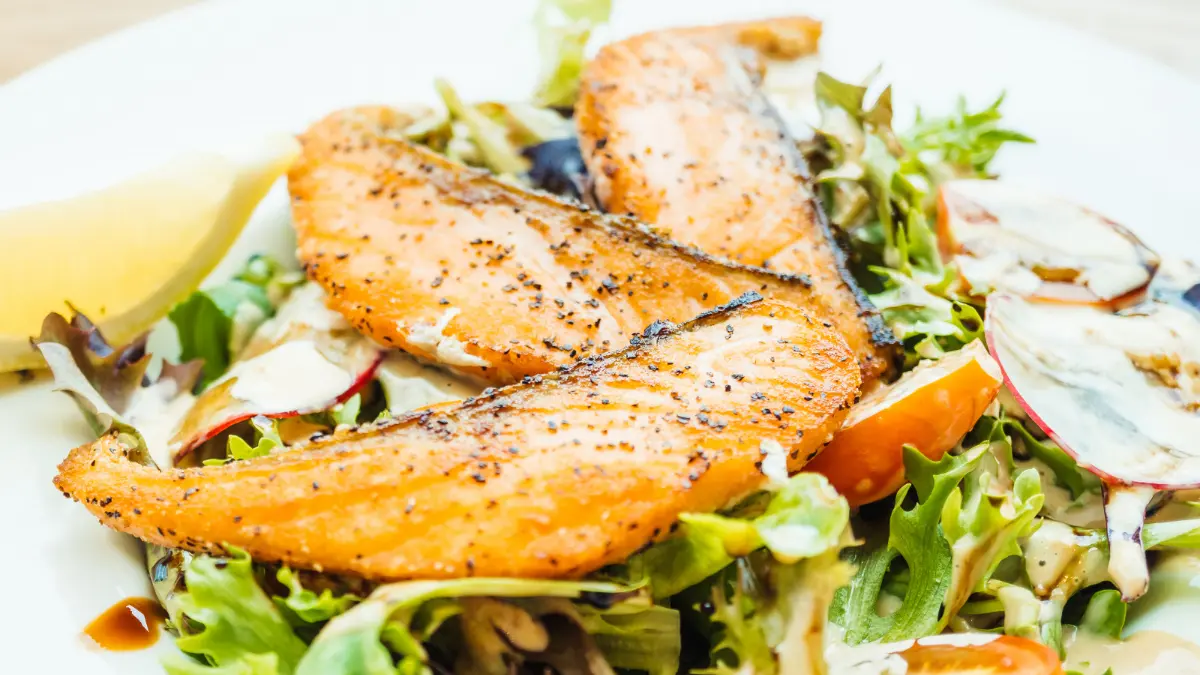
Eat 20 to 30 grams of protein with your meal. Protein keeps you full and stops your energy from dipping.
3. The 10-minute move

Take a short walk after you finish eating. This is a free tool to clear sugar from your blood.
Moving your legs activates specific receptors in your muscles. These pull sugar out of your blood to use as fuel. This combination builds metabolic flexibility. It is the easiest way to stabilize energy levels. A post meal walk doesn’t have to be a chore; a stroll around the block is enough.
Is This Ritual Safe for You?
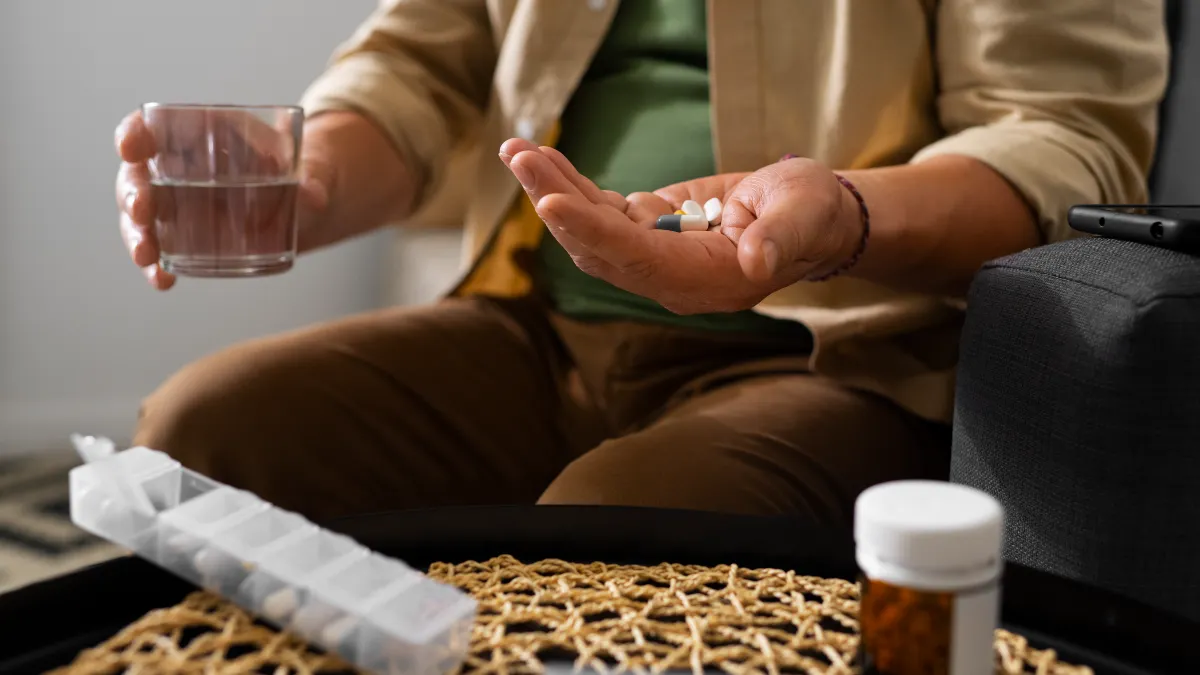
Most people can use this trick safely. But you should be careful if you take certain medicines. Talk to your doctor if you take insulin or pills for blood pressure. Vinegar can lower your potassium levels if they are already low. It can also make some heart medications work differently.
To protect your teeth, rinse your mouth with plain water after drinking the vinegar mix. This washes away the acid so your enamel stays strong. These small steps make the habit sustainable for the long term.
Why Better Sleep Starts at Lunch?

Did you know that what you eat at 1:00 PM affects how you sleep at 1:00 AM? When your blood sugar spikes during the day, it often crashes while you sleep. This crash can wake you up in the middle of the night. Your body thinks it is starving, so it sends out stress hormones to wake you up.
By using the vinegar buffer at lunch, you keep your levels steady all day. This leads to deeper, more restful sleep at night. It is a simple way to fix two problems at once.
3 Hidden Healthy Foods That Cause Spikes
1. Instant Oatmeal Packets
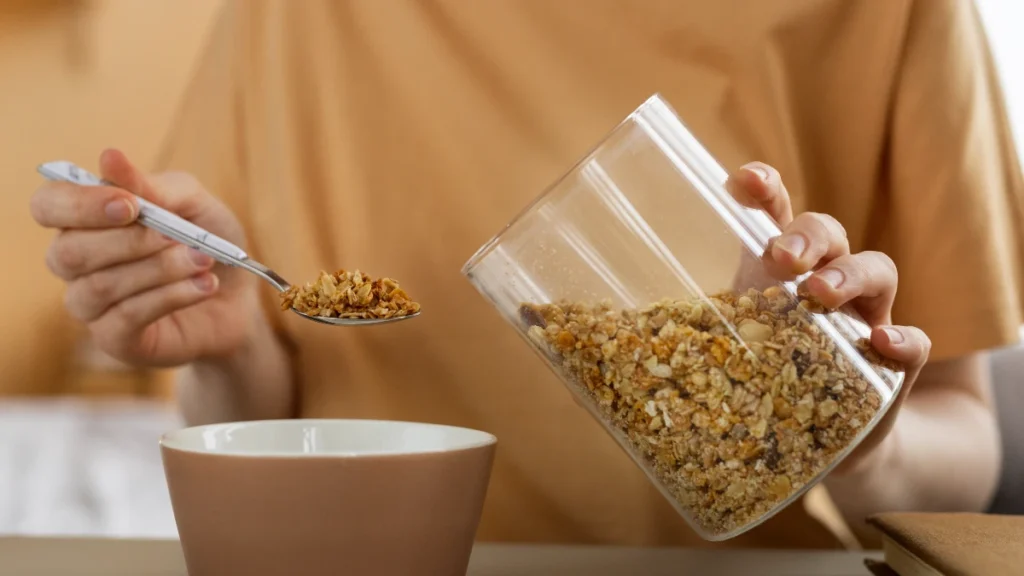
Many people think oatmeal is the ultimate healthy breakfast. But instant versions are often pre cooked and rolled thin, so they digest very fast. This causes your glucose levels to skyrocket. Many also contain hidden brown sugar or dried fruit. Switch to steel cut oats or overnight oats, which take longer for your body to break down.
2. Low-Fat Flavored Yogurt

When companies take the fat out of yogurt, they often add sugar or corn syrup to make it taste better. This turns a protein packed snack into a sugar bomb. After 50, your body doesn’t need that extra hit of sweetness. Buy plain Greek yogurt and add your own fresh blueberries or walnuts for flavor and crunch.
3. Green Smoothies and Juices
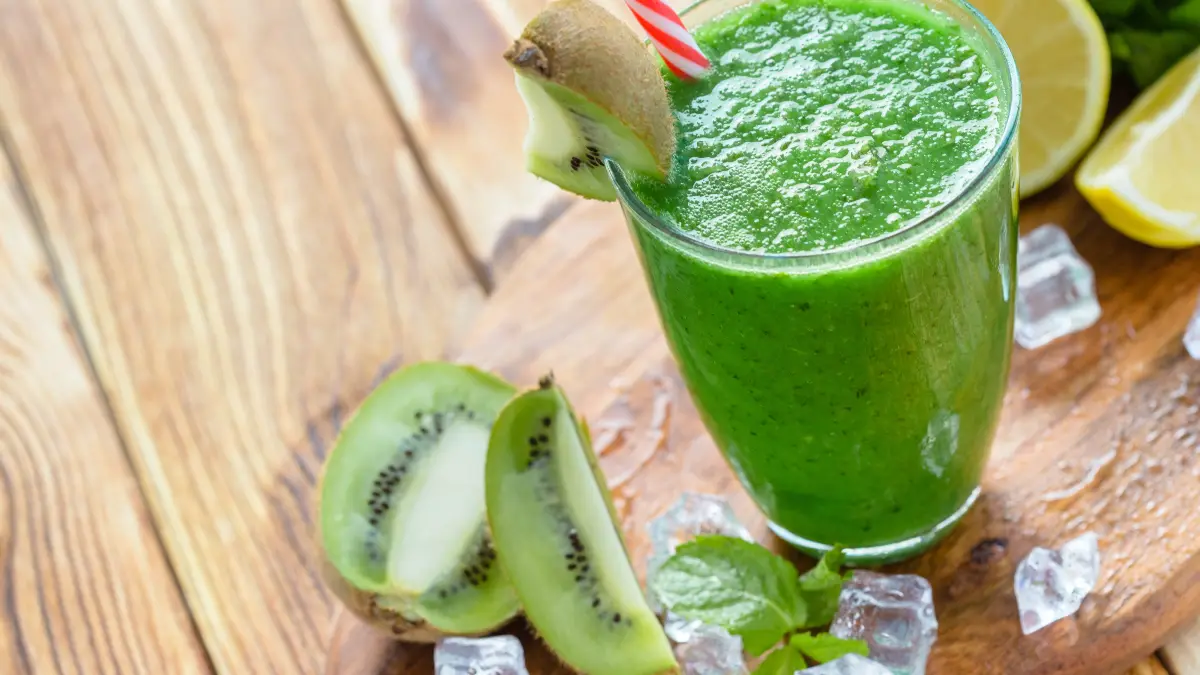
Drinking your greens sounds great, but juicing removes the fiber. Without fiber, the natural sugar from the apples or pineapples in the juice hits your bloodstream instantly. This leads to a fast post meal energy crash. Eat the whole fruit instead, or blend your smoothie with a scoop of protein powder and a tablespoon of chia seeds to slow down digestion.
Can Cinnamon Help Your Blood Sugar Too?
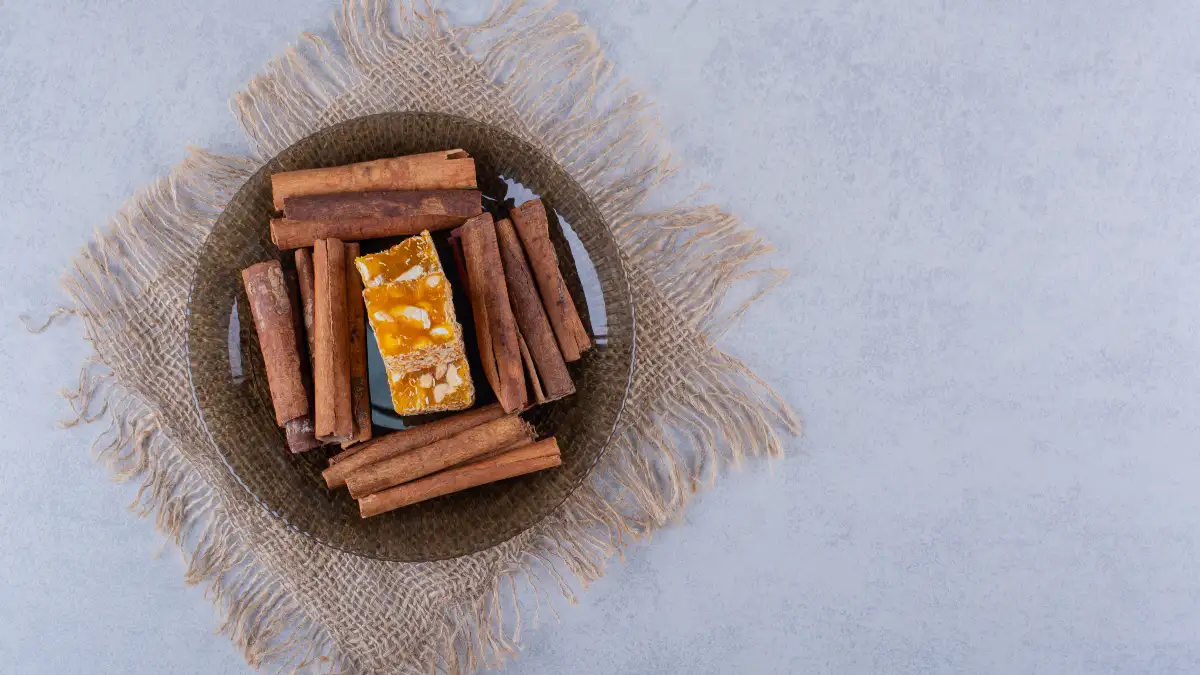
If you don’t like the taste of vinegar, you have other options in your spice rack. Cinnamon is a powerful tool for blood sugar after 50. Half a teaspoon a day can help your cells use insulin better. You can sprinkle it on your morning coffee or stir it into your breakfast.
It works by mimicking insulin in your body. While it is not a total replacement for the vinegar ritual, it is a great secondary tool. Using both gives your metabolism the extra help it needs to stay balanced.
Conclusion
Aging doesn’t mean you have to be tired every afternoon. You can reclaim your energy by changing how you eat, not just what you eat. Use the vinegar buffer, eat fiber first, and move your body. These small changes help you manage blood sugar after 50 with ease. You will feel clearer headed and ready for your day.
Try the Vinegar Buffer for the next 7 days. Keep a small journal to track how you feel after lunch. You might be surprised at how much power one tablespoon has.