You spent the day eating what you thought was a perfect diet. You had a green spinach smoothie for breakfast. You snacked on almonds at work. For dinner, you ate a massive kale and beet salad. You feel healthy until 3:00 AM. Suddenly, a lightning bolt of sharp pain strikes your side. It feels like a knife in your back.
This is the Crystal Clog. It happens because many superfoods are full of oxalates. These natural compounds can turn into sharp crystals in your kidneys. This guide helps you spot the signs of calcium oxalate kidney stones. You will see which healthy foods are the biggest risks. Calcium Pairing trick to keep eating your favorite greens without the pain.
What is a Crystal Clog and Why Does it Form?
Most people think eating more greens always leads to better health. But your body has a limit. Some plants contain a natural compound called oxalate. Think of oxalates as tiny magnets inside your food. When you eat too many of them, they travel to your kidneys. If they find calcium there, they stick together.
This creates a hard, sharp crystal. This is how calcium oxalate kidney stones start. Data shows that 80% of all kidney stones are made of calcium oxalate. It is the most common type of stone. When these crystals grow, they block the tiny tubes in your kidneys. This is the clog that causes intense pain.
Why the Pain Hits You at 2:00 AM?
It is no coincidence that kidney stone pain often strikes while you sleep. This is called renal colic. During the day, you are moving and drinking water. This keeps your urine flowing. At night, you stop drinking for eight hours. Your urine becomes very concentrated. This makes it easier for crystals to scrape against the walls of your urinary tract.
Your body position also matters. When you lie down, gravity changes how fluid sits in your kidneys. A stone that was sitting still might shift and block a tube. This blockage causes the wave of pain that wakes you up. You might notice your urine looks dark or pink before this happens. This is a sign of dehydration and irritation.
4 Healthy Foods That Cause the Salad Trap
Many people overeat a few specific foods because they are labeled as superfoods. But these are the heaviest hitters for oxalates. Spinach is the biggest offender. One cup of cooked spinach has over 700 milligrams of oxalates. For context, doctors often suggest staying under 50 milligrams a day if you get stones easily.
You don’t have to stop eating vegetables. You just need to make better choices. Use this table to swap high-oxalate foods for safer versions:
| High-Oxalate Food | Better Low-Oxalate Swap |
| Raw Spinach | Kale or Arugula |
| Almond Milk | Coconut or Soy Milk |
| Beets | Carrots or Radishes |
| Rhubarb | Blueberries or Strawberries |
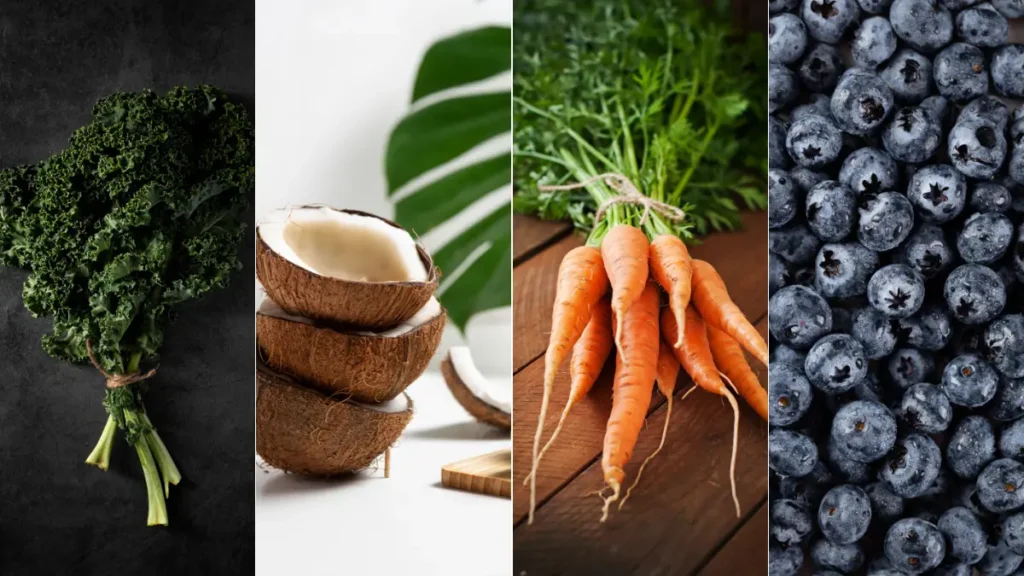
Switching from spinach to kale is an easy win. Kale has almost zero oxalates compared to spinach. Small changes like this protect your kidneys while keeping your meals fresh.
How to Stop Crystals with the Pairing Rule?
You can still enjoy some oxalates if you use the Pairing Rule. This is a top strategy for 2026. Always eat calcium and oxalates at the same time. If you have a few almonds, have some Greek yogurt too. When you eat them together, the calcium binds to the oxalate in your stomach. The crystals form in your gut and leave your body as waste. They never reach your kidneys.
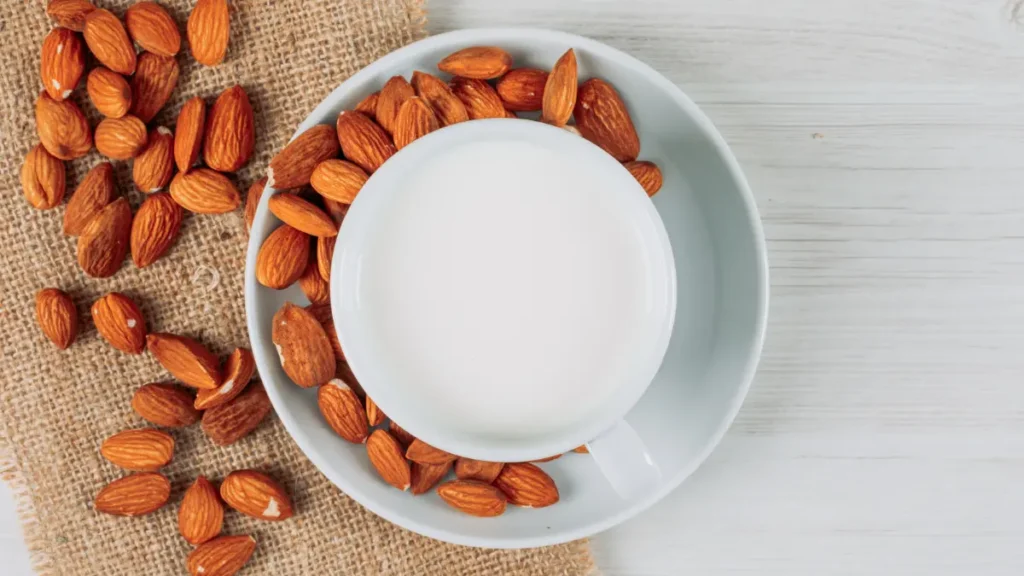
Another quick fix is the Lemon Hack: Add fresh lemon juice to your water. Lemons are high in citrate. Citrate coats crystals and stops them from getting bigger. It also prevents new ones from forming. Finally, watch your hydration. Try to drink enough water so your urine stays clear like lemonade. If you have a high oxalate meal, drink an extra glass of water immediately after.
Why Your Back Might Not Be the Problem?
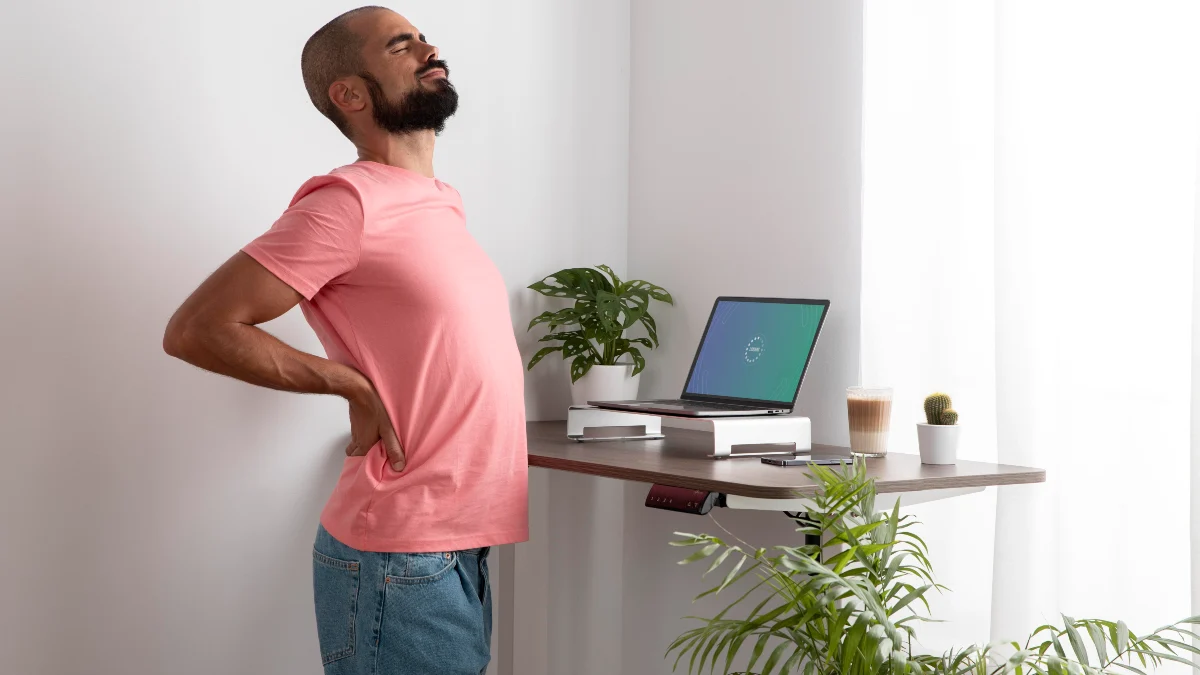
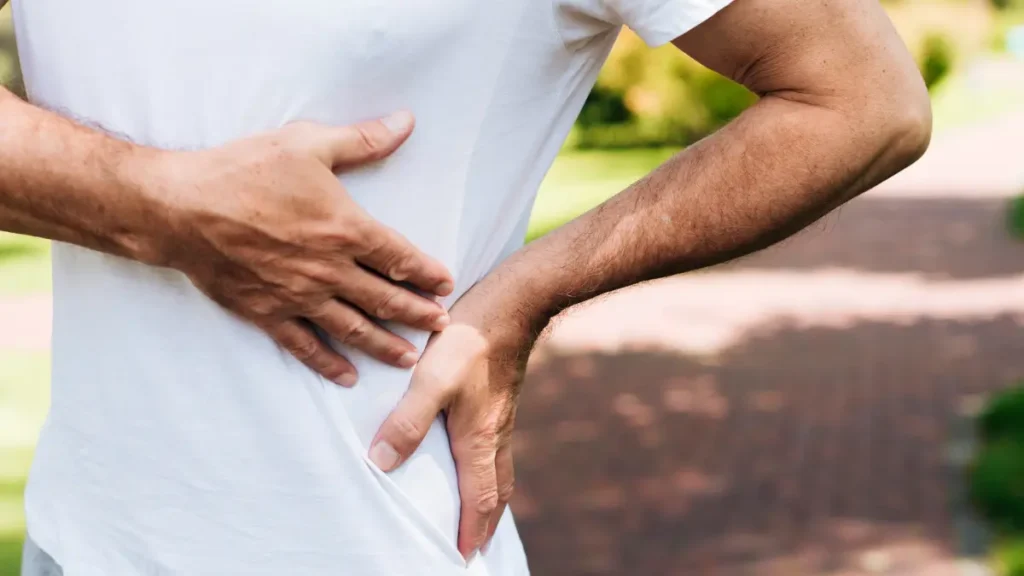
This pain lives deep inside your body. It often starts high in your back, just under your ribs, and travels down toward your stomach. It also comes in waves. You might feel okay for an hour, and then the stabbing returns.
If the pain is colicky, meaning it peaks and then fades, it is likely a stone moving through your system. If you see blood in your urine or feel a constant urge to go to the bathroom, your kidneys are trying to tell you something.
The Vitamin C Mistake You’re Probably Making
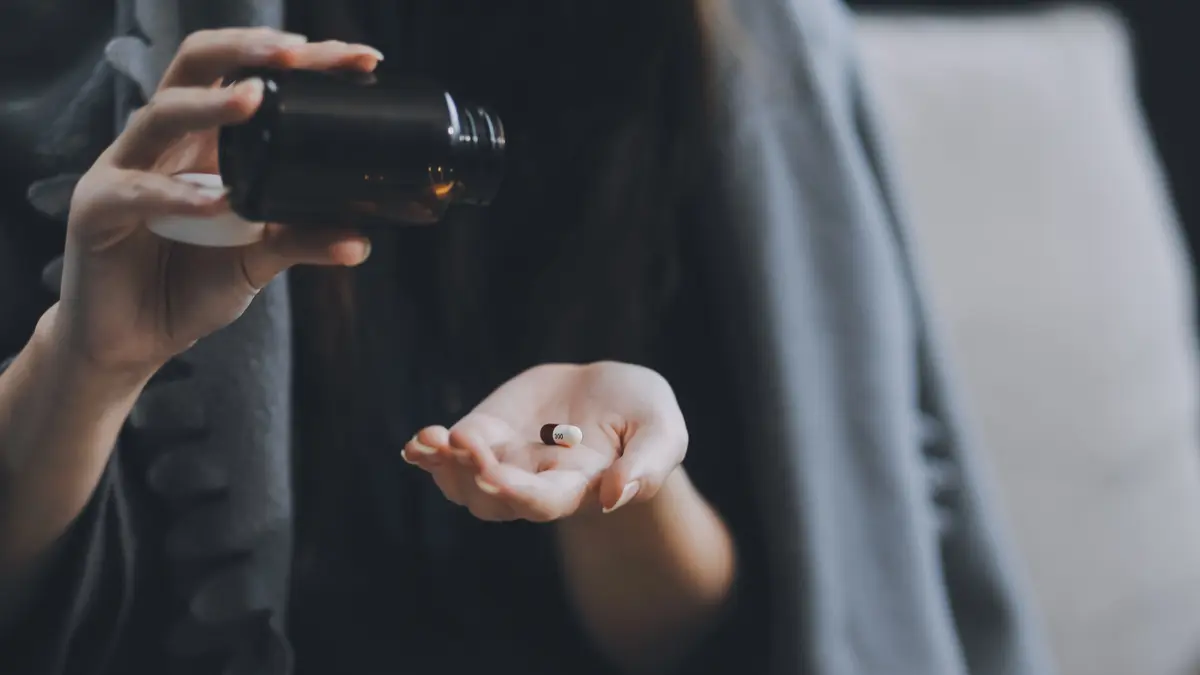
You might take a Vitamin C pill every morning to keep your immune system strong. While Vitamin C is good for you, too much of it can be a problem. Your body can only use a certain amount at once. When you take high-dose supplements, your liver turns the extra Vitamin C into oxalates.
This means your healthy supplement could be feeding the Crystal Clog. It is better to get your vitamins from whole foods. An orange or a bell pepper gives you plenty of Vitamin C without the risk of creating crystals in your urine. If you do take a supplement, check the label and keep the dose low.
How Salt Secretly Builds Kidney Crystals?
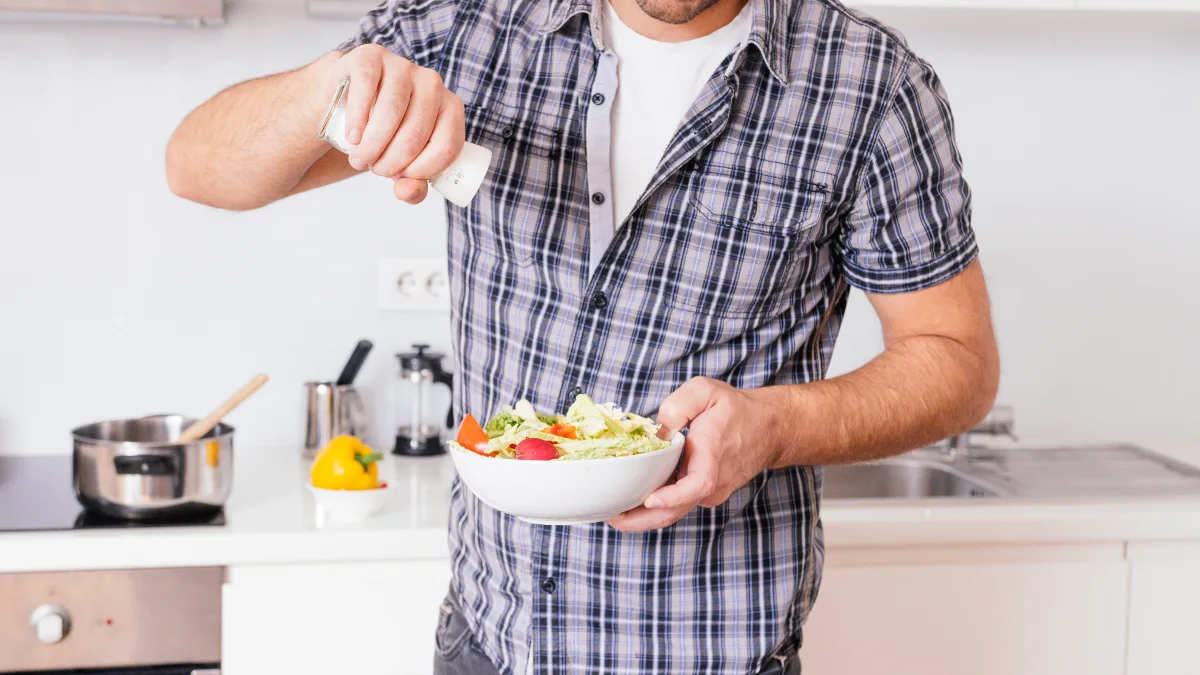
Salt does more than just make your food taste better. It also changes how your kidneys handle minerals. When you eat a lot of salt, your body flushes extra calcium into your urine to get rid of the sodium. This creates a calcium party in your kidneys. When that extra calcium meets the oxalates from your spinach or almonds, they bind together instantly.
Sugar is another hidden trigger. It can change the chemistry of your urine and make it easier for stones to grow. To fix this, try to use more herbs and spices instead of the salt shaker. Reducing processed snacks and sodas can lower your risk of a midnight pain attack almost immediately.
Conclusion
Healthy eating should make you feel great, not put you in the hospital. You now know that the Crystal Clog comes from a buildup of oxalates. You don’t need to be afraid of vegetables. You just need to be smart about which ones you choose. Balance your plate by pairing greens with calcium and staying hydrated.
If you have sharp pain in your side right now, talk to a doctor or a urologist. It could be a stone, or it could be something else, like gallstones. Do you want to make sure your kitchen is safe?
⚠️MEDICAL DISCLAIMER
This content is for informational and educational purposes only and does not constitute medical advice, diagnosis, or treatment. Before making significant changes to your diet or if you are experiencing sharp side pain, consult a qualified healthcare provider. If you experience severe abdominal pain, blood in urine, fever, or an inability to urinate, seek emergency medical care immediately