
That first grunt you make when standing up doesn’t have to be your mandatory soundtrack. You know the feeling. Your knees feel like rusty hinges, and your lower back protests every inch of the way. Many people think this is just a normal part of getting older. But the truth is often simpler.
Your stiff joints are likely suffering from a lack of joint oil and muscles that have shortened from sitting too long. If you find yourself struggling to stand up from a chair, you aren’t stuck this way. You just need a better way to move. This guide introduces the Motion is Lotion protocol. It is a 2026 approach to keeping your body mobile as you age.
Why Do Your Joints Feel Stuck?
Think of your joints like a car engine. If the car sits in the driveway for weeks, the oil gets thick and gunky. Your body works the same way. Your joints are filled with synovial fluid. This is your natural joint oil. When you move, this fluid thins out and coats your bones so they glide. When you stay still, it gets thick like honey.
The Fluidity Factor
3 Ways to Wake Up Your Joints Before You Get Out of Bed
Do not jump out of bed the moment you wake up. Your body has been still for hours, and your joints are at their stiffest. Think of yourself as a slow release spring, not a catapult. You need morning stiffness relief exercises before your feet even touch the floor.
Ankle Pumps
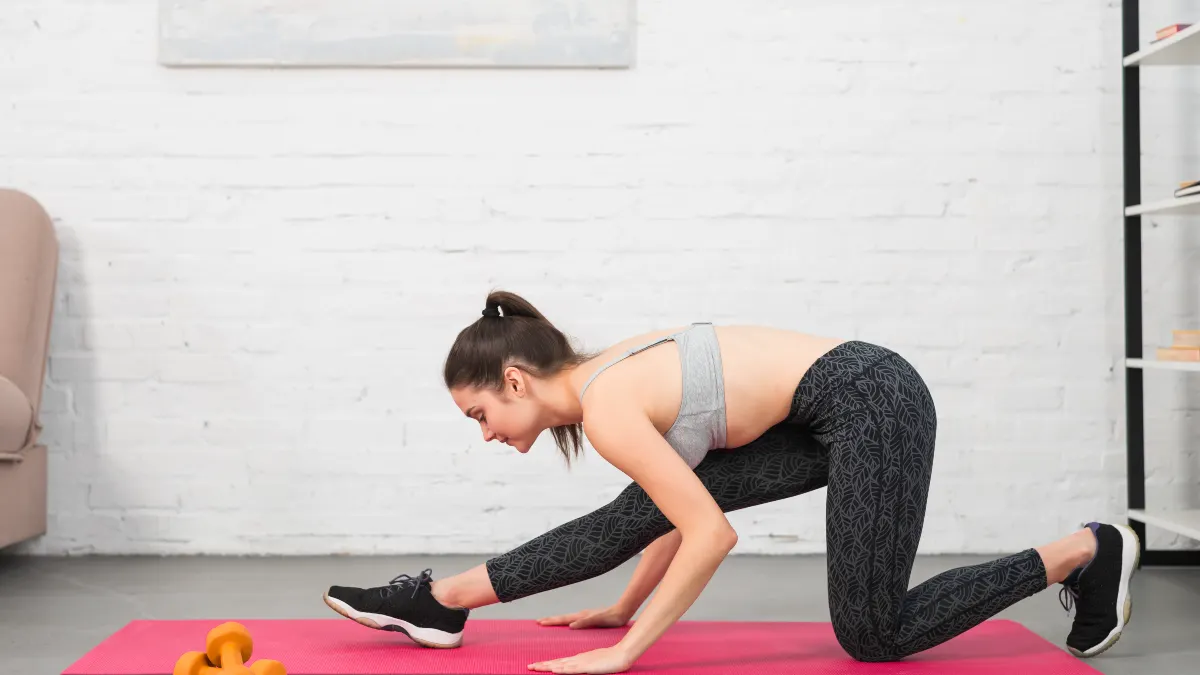
Lie on your back and point your toes toward your face, then point them away. Do this 10 times. This gets your circulation moving.
Heel Slides
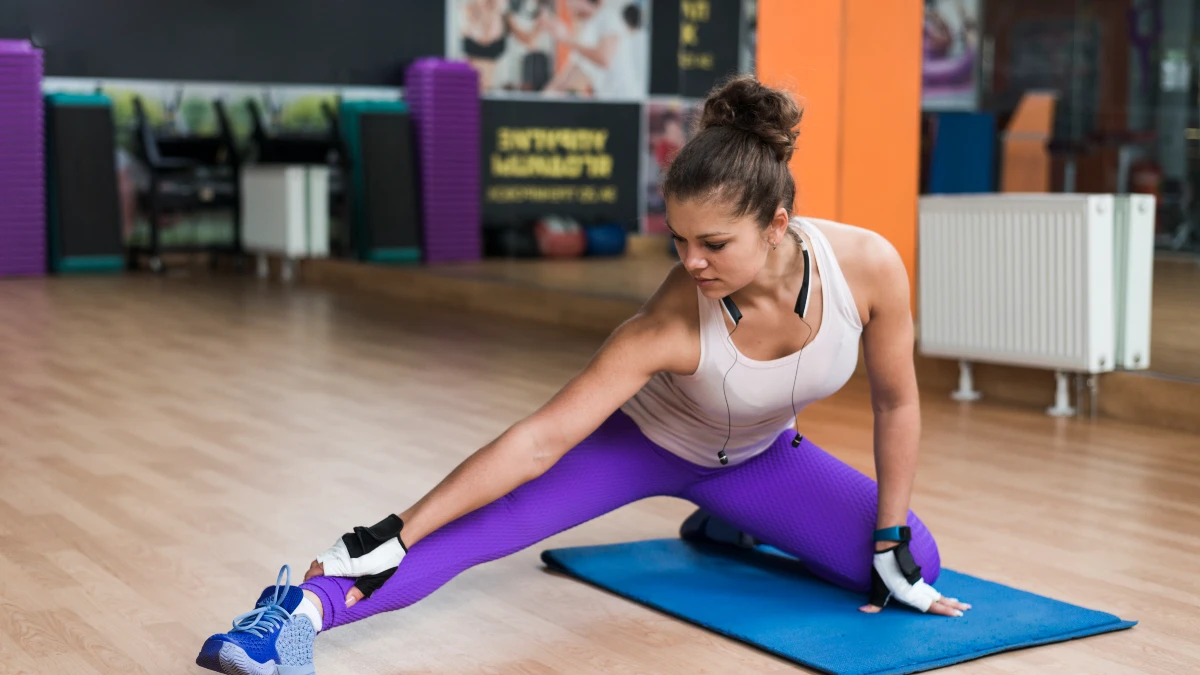
Keep one leg straight. Slowly slide the other heel toward your hip, bending your knee. Slide it back down and switch sides.
Bed-Marching
While sitting on the edge of the bed, lift one knee toward your chest, then the other.
This warms up your hip joints. These small movements tell your brain that it is time to move. They start the flow of fluid to your knees and hips. By the time you stand up, your joints will be ready. You won’t feel that sharp start up pain that usually ruins your morning.
How to Stand Up Without the Struggle?
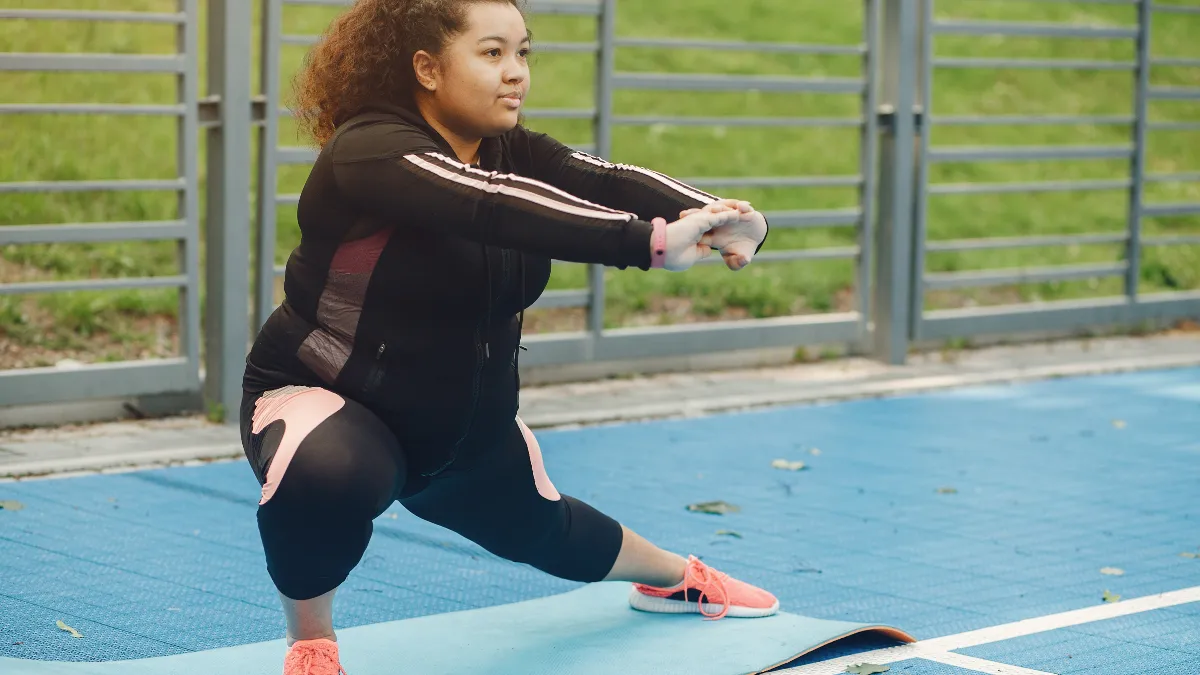
If you are struggling to stand up from a chair, you might be using the wrong physics. Most people try to pull themselves up using their back. This is painful and hard. Instead, follow proper standing mechanics. Start by sliding your bottom to the very edge of the seat. Pull your feet back so they are slightly behind your knees.
This gives you better leverage. Now, use the Nose Over Toes trick. Lean your chest forward until your nose is over your toes. This shifts your weight onto your legs, where it belongs. As you push up, use the chair arms as assistants, not crutches. Press down through your heels and exhale as you rise.
Do not try to rush it. Moving with intention protects your lower back and keeps the pressure off your kneecaps. When you use your body’s natural pivot points, standing feels light instead of heavy.
The 5-Minute Strength Fix for Easier Living
The 5 Minute Anti-Gravity Routine. This helps the muscles on the sides of your hips, which keep you steady when you walk.
1. The Sit-to-Stand 10 reps
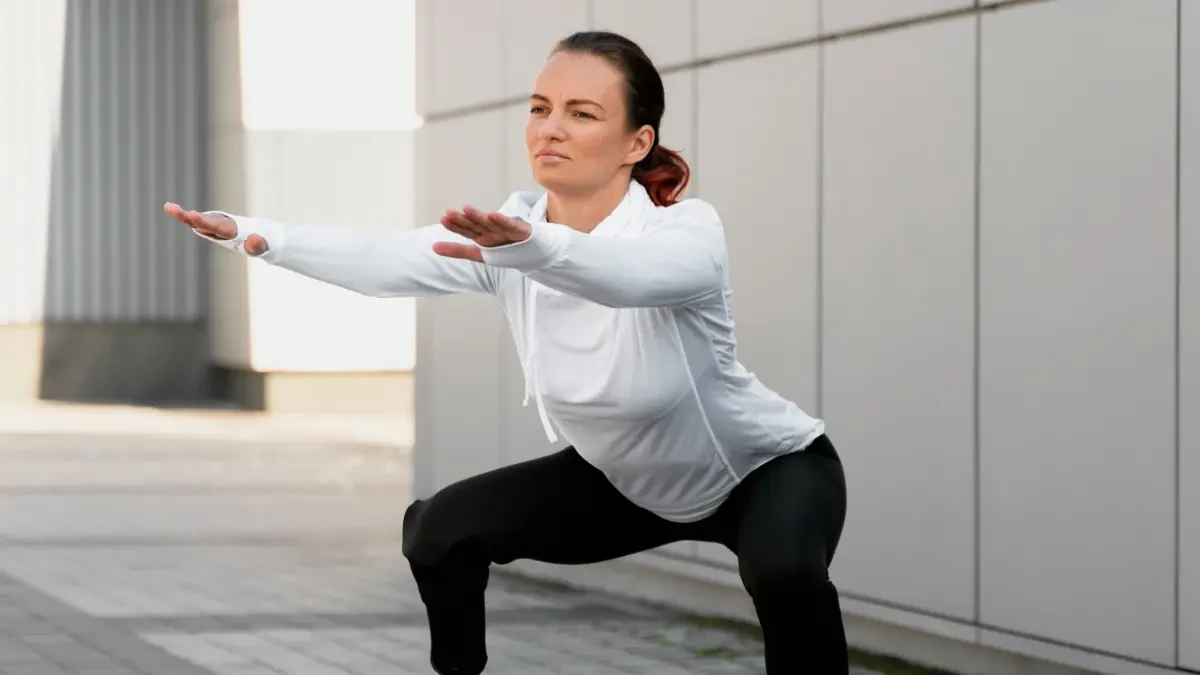
Sit on a sturdy chair with your feet flat on the floor. Lean your nose over your toes and stand up fully. Sit back down slowly, don’t just plop down. This builds the power in your thighs and glutes needed to get off the couch or toilet easily.
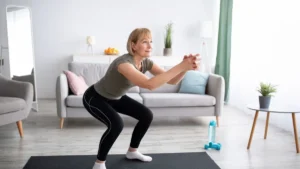
2. Supported Mini-Squats 15 reps
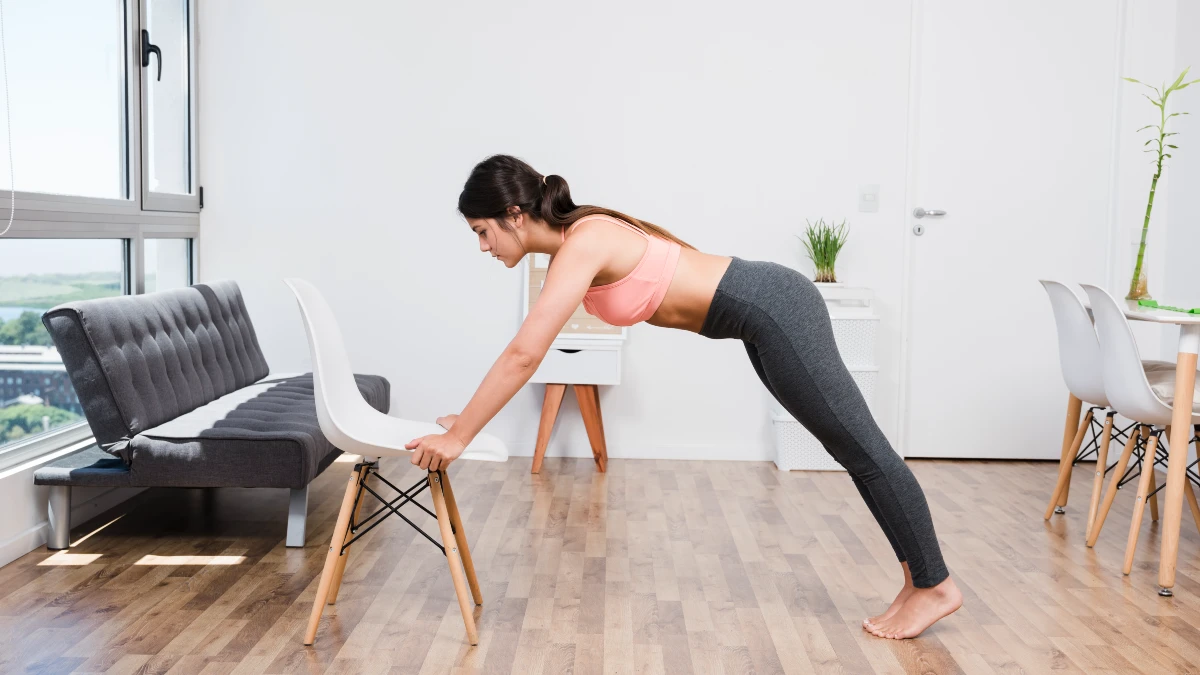
Stand behind a sturdy chair or at the kitchen counter for balance. Keep your feet shoulder width apart. Bend your knees just a few inches as if you are starting to sit, then stand back up. This strengthens the muscles around your knees to reduce creaking and pain.
3. Counter-Top Calf Raises 15 reps
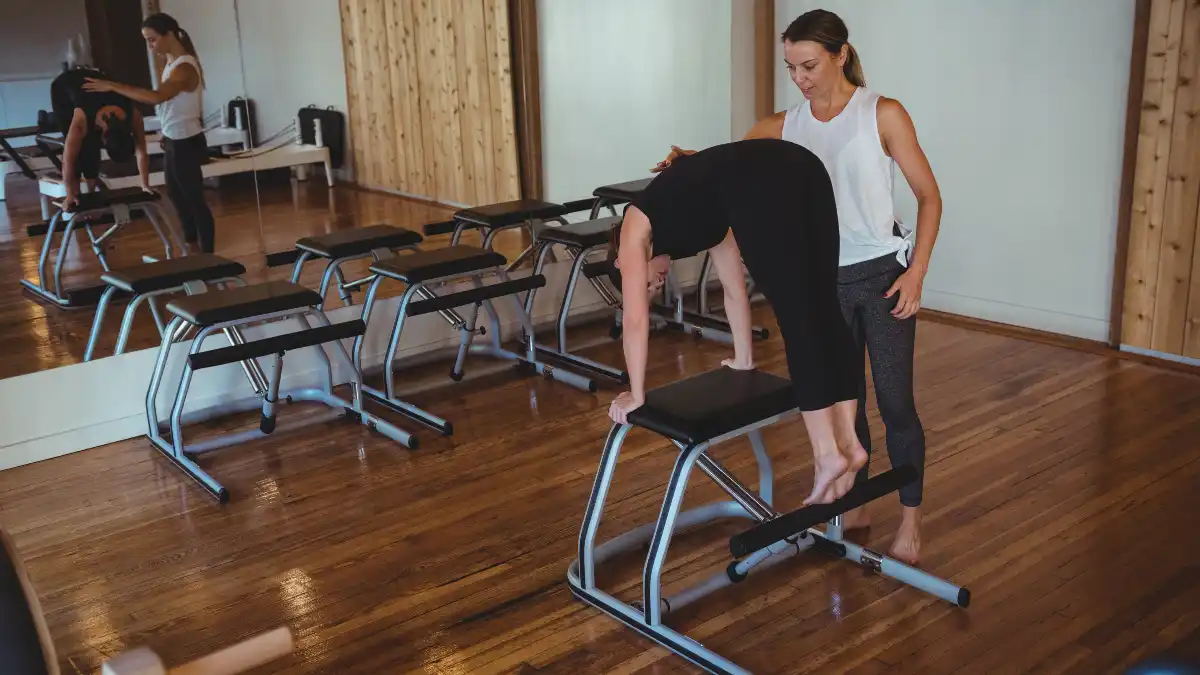
Keep your hands on the counter for support. Rise onto the balls of your feet as high as you comfortably can. Hold for one second, then slowly lower your heels back to the floor. Strong calves improve your balance and prevent trips or falls.
4. Seated Leg Extensions 10 reps per leg
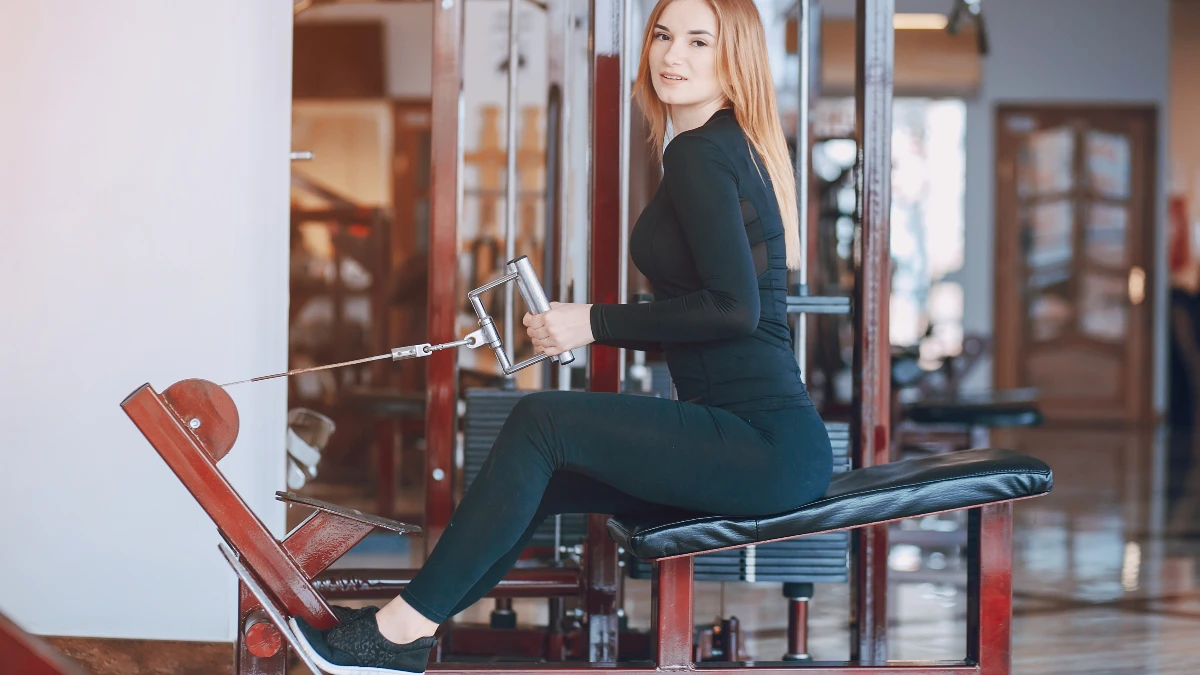
Sit tall in your chair. Straighten one leg out in front of you until it is parallel to the floor. Squeeze your thigh muscle for a second, then lower it back down. This specifically targets the quad muscles that support your knee joint.
5. Side-to-Side Kitchen Shuffles
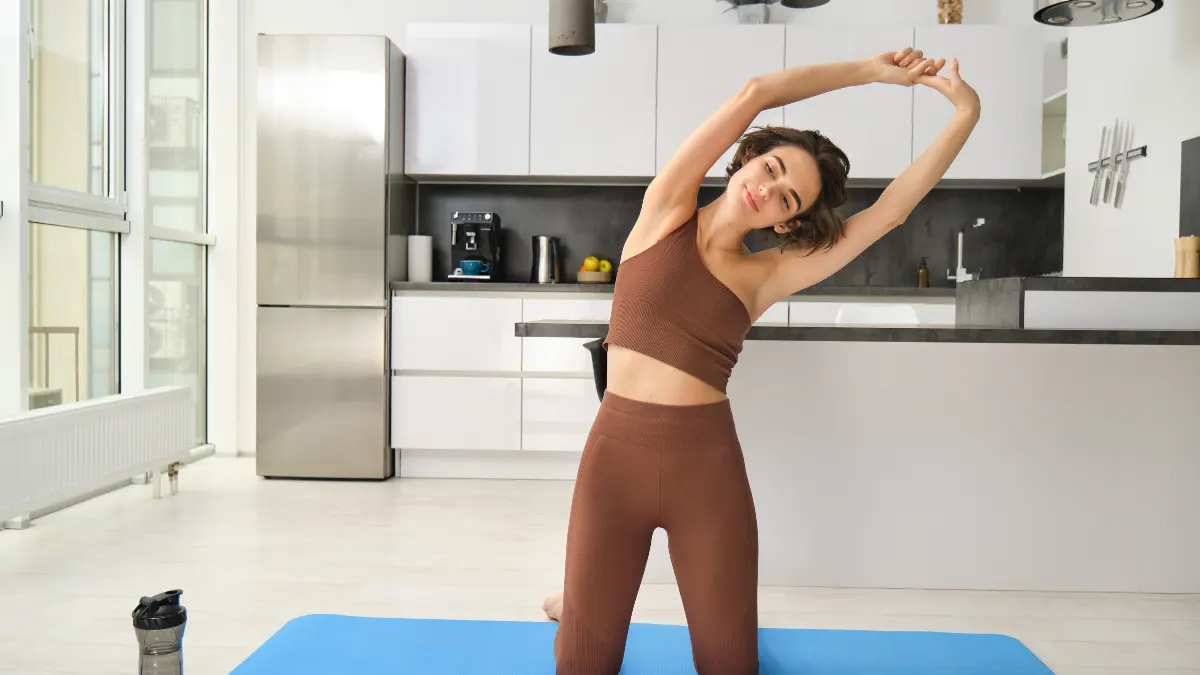
Stand facing your counter and hold on lightly. Take a small step to the right, then bring your left foot to meet it. Do this 5 times to the right, then 5 times back to the left.
2 Small Habits for All-Day Joint Comfort
1. Eat to Grease Your Joints

Think of your diet as a way to oil your body from the inside out. Eat Omega 3 Foods: Add salmon, walnuts, chia seeds, or flaxseeds to your meals. These act like a natural anti rust for your joints by lowering swelling. Pick Anti Inflammatory Colors: Fill your plate with bright berries, leafy greens, and turmeric.
These help stop the heat in your joints that causes morning stiffness. Drink Water Constantly: Your joint fluid is mostly water. If you are dehydrated, your joints will feel dry and crunchy. Keep a water bottle nearby at all times.
2. Follow the 20-Minute Movement Rule

Stiffness happens when you stay still. This rule ensures your joint fluid never has a chance to thicken like cold honey. Change Your View: If you must sit for a long time, shift your position every few minutes. Even wiggling your knees or rotating your ankles counts as movement lotion.
Set a Move Timer: Whether you are watching TV or reading, set a timer for 20 minutes. Take a Micro Break: When the timer goes off, stand up for just 30 seconds. Reach for the ceiling or take five steps across the room. Use Your 2026 Tech: If you wear a smartwatch or fitness tracker, turn on the Movement Alerts.
How to Open Your Hips While Sitting?
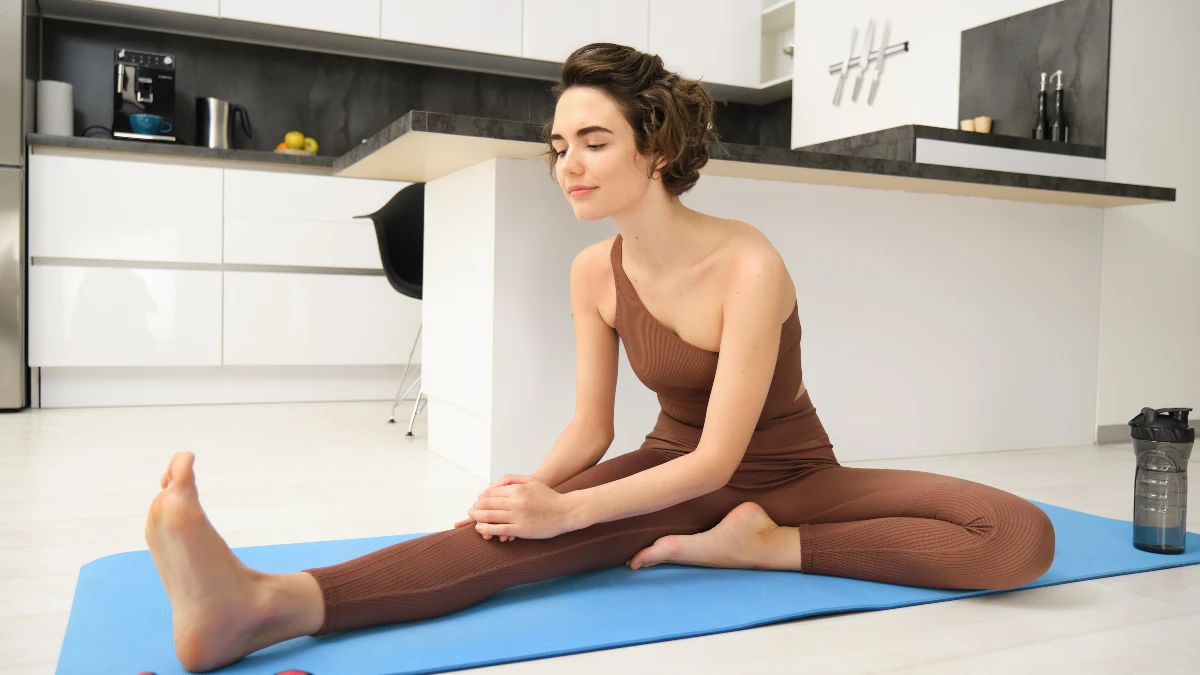
Your hips are the engine that helps you stand up. If they are tight, you feel stuck in your chair. You can fix this with a simple seated stretch. Sit sideways on your chair and hold the back for balance. Move your outside leg back and gently push your hip forward.
You should feel a gentle pull in the front of your hip. Hold this for 20 seconds on each side. This loosens the muscles that get short from sitting too long. When these muscles are loose, your hips can swing forward easily. This makes the move to standing feel much smoother.
Use Warmth to Melt Your Stiffness
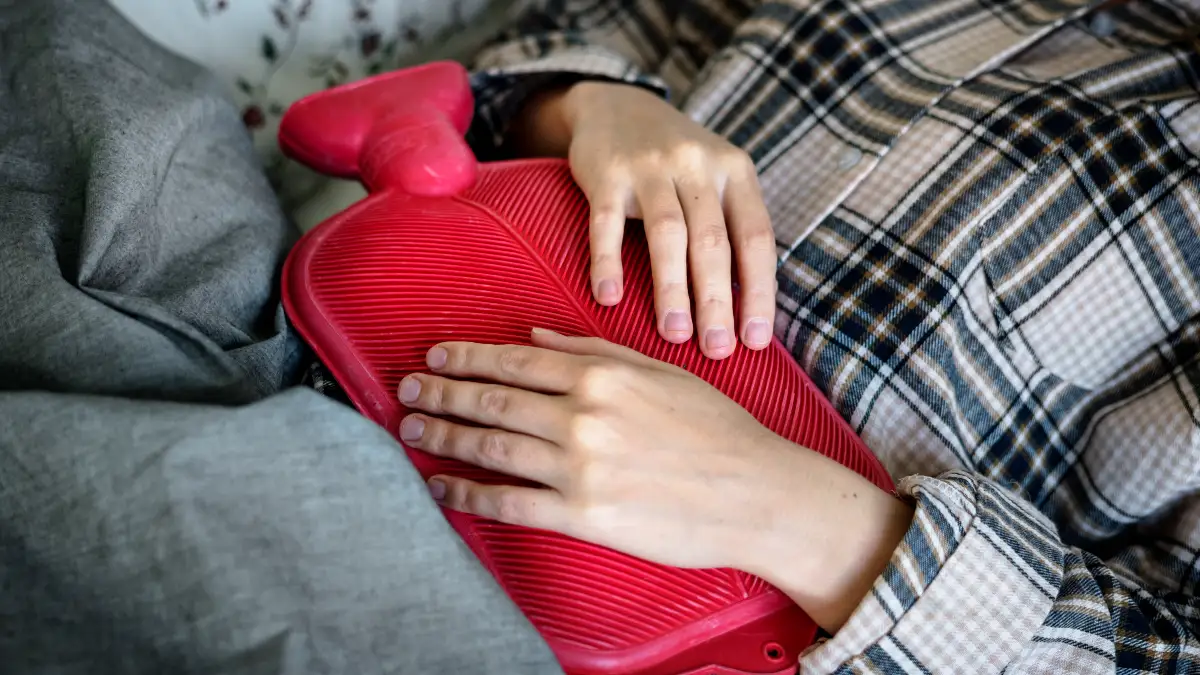
Cold joints are stiff joints. If you wake up feeling like a statue, use heat to help. A warm shower for 10 minutes can work wonders. The heat relaxes your muscles and gets your blood flowing. You can also use a heating pad on your knees or back for 15 minutes before you try to stand.
This is like warming up a car on a frosty morning. It softens the tissues and makes them ready to move. Just remember one rule. Never use heat on a joint that is red, hot, or swollen. That usually means you have an injury that needs a doctor’s help.
Is Your Chair Making It Harder to Stand?

Sometimes the problem isn’t your body. It might be your furniture. Deep, soft couches are very hard to get out of. If the seat is too low, your knees have to work twice as hard to lift you. Look for chairs with firm cushions and high seats. Your hips should be slightly higher than your knees when you sit.
You can use a firm booster cushion to raise the height of your favorite chair. Also, make sure your chair has sturdy arms. These give you a safe place to push off. A simple change in where you sit can make standing feel much easier right away.
Conclusion
Stiff joints can feel like a cage, but you have the key. Remember that stiffness is just a signal from your body. It is a request for movement, not a command to sit still. When you use this gentle movement protocol for stiff joints, you are taking control of your health. You don’t have to accept pain as your new normal.
Start with the bed exercises tomorrow morning. Practice your Nose Over Toes technique every time you leave your desk. These tiny shifts add up to a huge difference in how you feel. If you want a simple way to track your progress, download our 5 minute daily mobility checklist.