

That first step out of bed shouldn’t feel like walking on broken glass. But for many, stabbing heel pain is a daily reality. This happens because of your plantar fascia. This is a thick band of tissue that connects your heel to your toes. While you sleep, this tissue relaxes and shortens. When you suddenly stand up, that tight tissue stretches too fast.
The good news is you can fix this before your feet even touch the floor. It is called the Foot Arch Gap Protocol. This is a simple morning routine that takes less than five minutes. It bridges the gap between resting and walking. By the time you stand up, your feet are ready for the weight. And here’s why that matters: it stops the injury from getting worse every single morning.
Why Your Foot Shrinks While You Sleep?
Most people sleep with their toes pointed down. In this position, the arch of your foot is at its shortest. Over eight hours, the tissue gets stiff and tight. There is a physical gap between how your foot rests and how it needs to work when you walk. Statistics show that 1 in 10 people will suffer from this pain at some point in their lives.
It is a common result of arch tension. When you stand, your body weight forces that short, stiff arch to flatten instantly. This causes heel inflammation. It is like trying to stretch a cold rubber band as hard as you can. It is going to fray. Using this protocol helps you warm up the tissue before you put it under pressure.
The Morning Impact Gap
Bridging the transition from rest to weight-bearing
The “Cold Rubber Band” Effect
When feet remain in a “shortened” state for 8 hours, the plantar fascia loses elasticity. Sudden weight-bearing acts like snapping a frozen band.
of the population will experience chronic heel inflammation due to arch stiffness.
3-Step Bedside Protocol
Stiffness is a protective mechanism. By warming up the fascia before it hits the floor, you prevent the micro-tears that lead to chronic inflammation.
The 5-Minute Protocol: Fix Pain Before You Stand Up
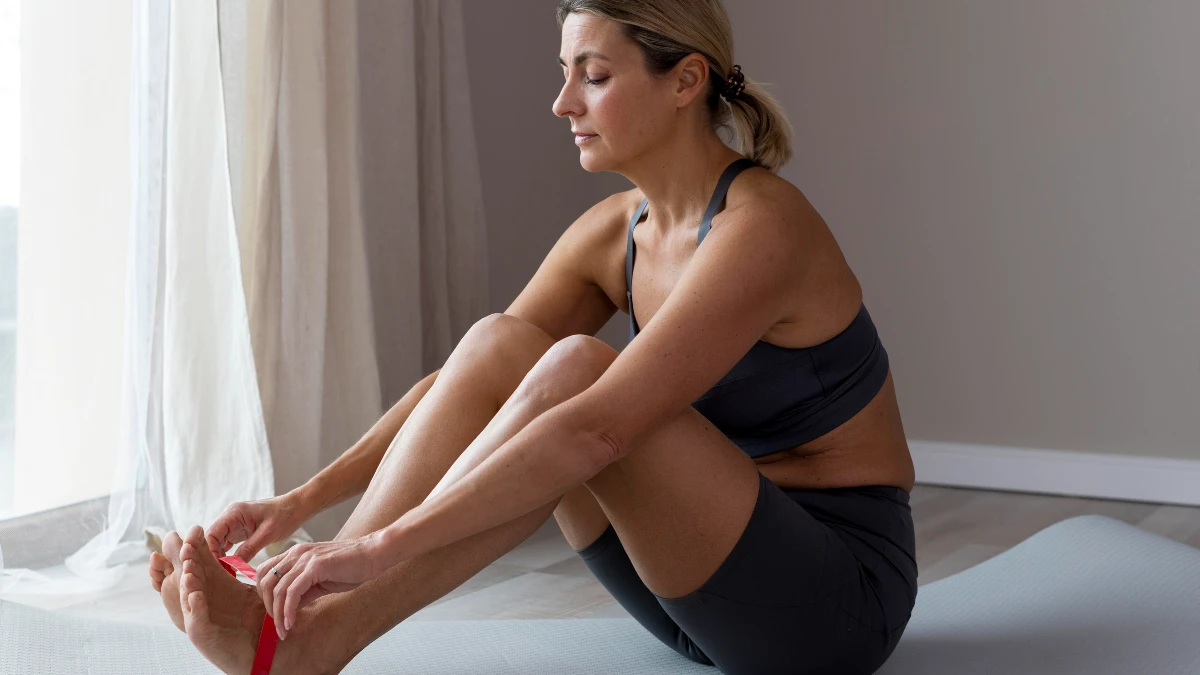
You can stop the cycle of pain by using the Foot Arch Gap Protocol. Do these three moves while sitting on the edge of your bed before you take a single step.
1. The Seated Toe Pull: Cross one leg over the other. Grab your toes and pull them back toward your shin. You should feel a stretch in the bottom of your foot. Hold this for 30 seconds.
2. The Frozen Bottle Roll: Keep a small frozen water bottle next to your bed. Roll your arch over it for two minutes. This provides an arch massage while the ice numbs the pain. It also brings down any swelling from the night before.
3. The Wall less Calf Flex: Use a towel or a workout strap. Loop it around the ball of your foot. Keep your leg straight and pull the towel toward your chest.
Tight calves are a huge reason for heel pain. Stretching the calf releases the pressure on the heel. Do these steps every morning. It changes your foot from a tight knot into a flexible spring. You will notice the stabbing feeling starts to fade after just a few days of doing this.
The Best Gear to Stop Pain in 2026
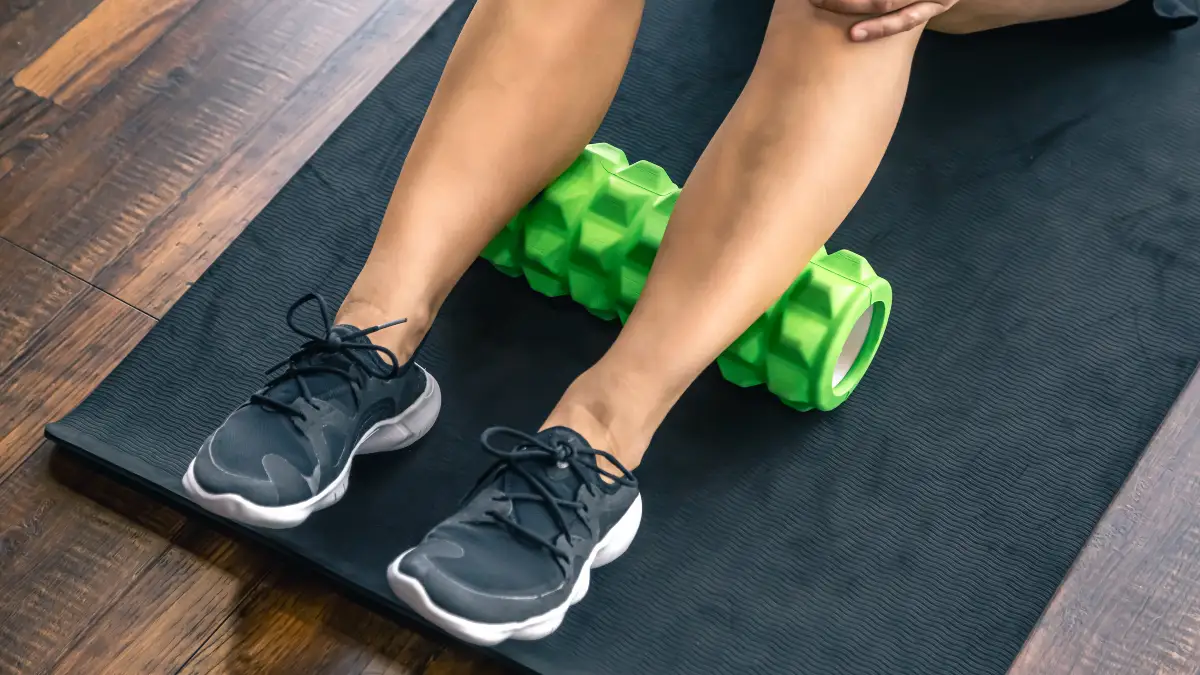
Stretching is great, but your choice of shoes matters just as much. In 2026, we know that walking barefoot on hard floors is bad for injured arches. You need supportive footwear even inside the house. Many experts now suggest Zero Drop recovery slides. These shoes keep your foot level but provide a soft cushion for your arch. They act like a portable floor that moves with you.
Another helpful tool is the smart night splint. Older splints were bulky and hard to sleep in. Newer versions use soft, breathable fabric. They gently hold your foot at a 90 degree angle while you sleep. This prevents the tissue from shortening overnight. Using these tools alongside orthotic therapy makes a big difference.
3 Exercises to Build a Stronger Arch
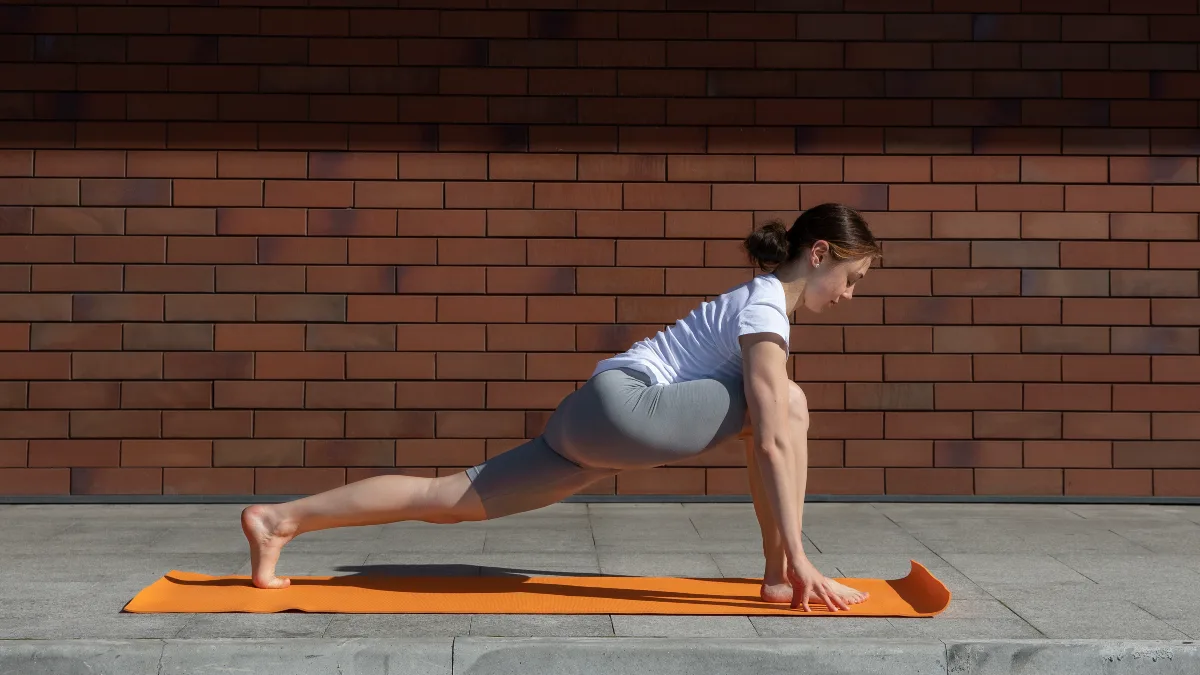
Stretching is only half the battle. You also need to make your feet strong. Think of your arch like a structural bridge. If the bridge is weak, it will sag and pull on the tissue. When these muscles are strong, they take the pressure off your heel. This makes the Foot Arch Gap Protocol even more effective.
1. Marble Pickups: Place 10 to 15 marbles on the floor. Use your toes to pick up one marble at a time and drop it into a bowl. This improves toe dexterity and strengthens the entire underside of the foot. It’s a simple way to fix a weak bridge.
2. The Towel Scrunch: Sit in a chair with your feet flat on the floor. Place a small hand towel under your foot. Use only your toes to bunch the towel up and pull it toward your heel. Do this for 2 minutes per foot. It targets the deep muscles that support your arch.
3. The Big Toe Press: While standing or sitting, press your big toe firmly into the ground. At the same time, lift your other four toes off the floor. Hold for five seconds, then switch: press the four toes down and lift the big toe. This builds the intrinsic muscles that keep your foot from flattening.
Daily Habits to Keep the Pain Away
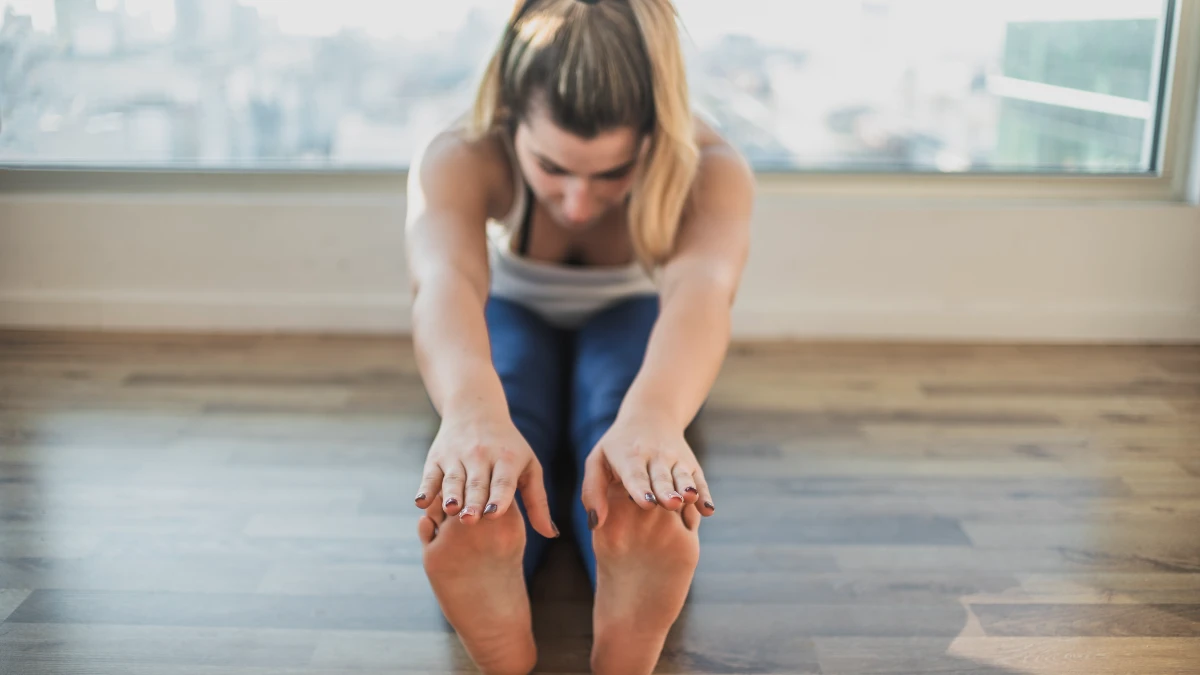
What you do during the day affects how you feel the next morning. Drink plenty of water to keep your tissues hydrated. Your fascia is like a sponge. When it is dry, it gets brittle and breaks easily. If you work at a standing desk, use a thick anti-fatigue mat. This absorbs the shock so your heels don’t have to.
Small choices add up quickly. Try to avoid standing in one spot for more than 20 minutes. Shift your weight or take a short walk. You can also wear compression socks during the day. These socks keep blood flowing to your heel. Better blood flow means your body can repair tiny tears much faster. This prevents heel inflammation from building up while you are active.
Using Modern Tech for Faster Recovery
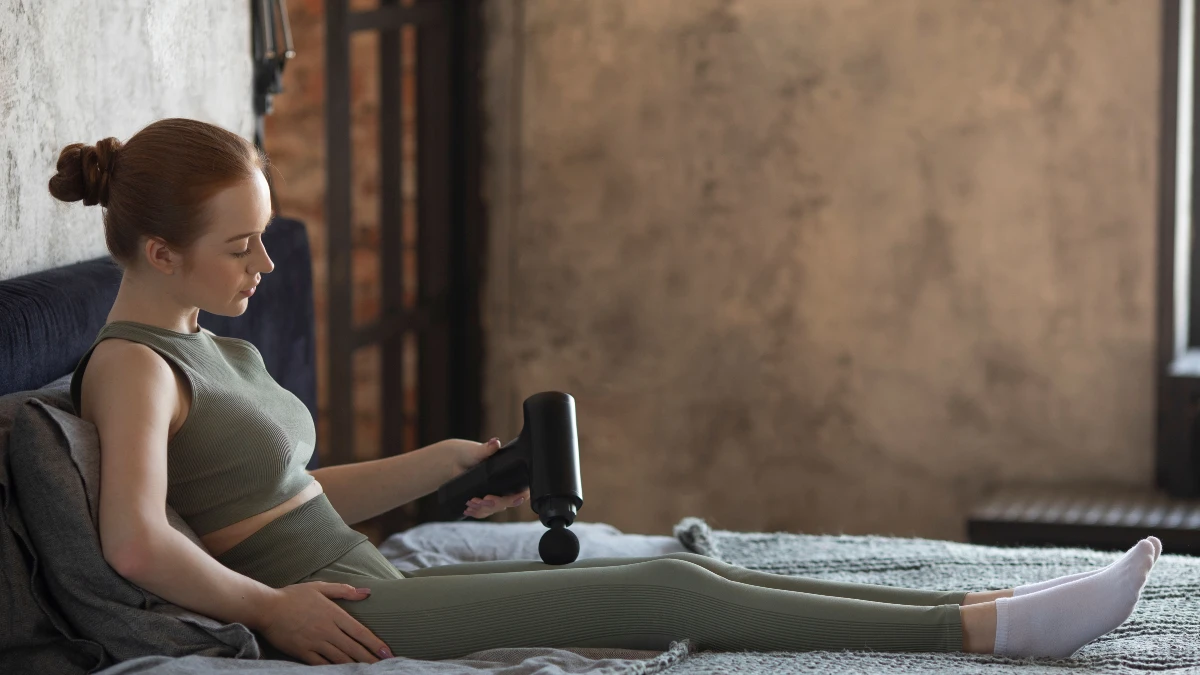
In 2026, we have better tools than just a bag of frozen peas. Red light therapy is a popular option you can use at home. These small devices use specific light waves to help your cells heal. Many people also use percussion massage guns to stay loose. These tools vibrate to relax tight muscles in seconds.
But you must use them the right way. Never use a massage gun directly on your painful heel bone. That will make the pain worse. Instead, use it on the meaty part of your calf muscle. This releases the anchor that is pulling on your heel. Using a massage gun for two minutes before bed can make your first steps the next morning feel much lighter.
Conclusion
Dealing with heel pain is frustrating, but it does not have to be your new normal. The secret is staying consistent. If you follow the Foot Arch Gap Protocol every morning, you give your body a chance to heal those micro-tears. Most people see a big change in a few weeks.
If your pain lasts longer than six months, you should see a foot doctor, DPM. You might need extra help, like physical therapy or shock wave treatments. For now, keep your frozen bottle ready and do not rush that first step.