
You started eating sauerkraut and kombucha to heal your gut. But now you feel more bloated than ever. Most people think more is better when it comes to probiotics. But for some, fermented foods act like gasoline on a fire. You may be seeing digestive warnings for fermented foods without even knowing it.
This happens when your gut health is already out of balance. We will look at why your healthy habits might be feeding bad bacteria. You will also find out how to fix your gut without the pain. Knowing probiotics’ side effects is the first step to feeling better.
The Food Baby That Won’t Go Away
It is normal to feel a little bit of gas when you first start eating fermented foods. Your gut needs time to adjust to the new bacteria. Most people see this shift go away within the first week. In fact, research shows that about 20% of people feel this temporary change.
But what if the gas doesn’t stop? If you have severe bloating that lasts more than 14 days, that is a red flag. This is often called food baby bloating. It makes your stomach feel tight and look bigger than it is. This is one of the most common fermented foods digestive warnings.
When this happens, it usually means you have SIBO. That stands for Small Intestinal Bacterial Overgrowth. SIBO symptoms happen because the good bacteria are in the wrong place. Instead of helping, the fermented food feeds an overgrowth in your small intestine. This creates chronic bloating that persists despite taking more probiotics.
Tracking Your Gut Adjustment
Is it a “Food Baby” or a Red Flag?
4 Signs Your Gut Is Rebellious

Your gut sends signals in many ways. Bloating is just the start. Here are four other signs that fermented foods are not working for you right now.
1. Acid Reflux: High acid foods like kimchi or kombucha can irritate your stomach lining. If you feel a burn after eating them, your gut is saying no.
2. Histamine Reactions: Many fermented foods are high in histamines. Some people cannot break these down easily. You might get itchy skin, a red face, or a headache. Look at Jane’s story.
Jane started drinking 12oz of kombucha every day to help her digestion. Instead, she started getting bad headaches every afternoon. She didn’t realize these were gut health red flags caused by histamine.
3. Brain Fog: If you feel fuzzy or tired after eating kraut, your gut might be producing too much D lactic acid. This is a common kombucha side effect for sensitive people.
4. Bathroom Urgency: Probiotics should help you stay regular. If they cause sudden diarrhea or cramping, the dose is too high, or the type is wrong.
These histamine intolerance symptoms are your body’s way of asking for a break.
Why Healthy Foods Fail SIBO and Histamine?
Why do these healthy foods fail for some people? It usually comes down to your current gut bacteria balance. If you have SIBO, your small intestine already has too many bacteria. When you add more via fermented foods, you are just feeding the problem. Think of it like adding wood to a fire that is already too big. SIBO fermented foods make the overgrowth worse, not better.
Then there is histamine intolerance. This has become a very common diagnosis in 2026, especially for people over 50. As we age, our bodies sometimes produce less of the enzyme that breaks down histamine. When you eat aged cheese or sauerkraut, your system gets overwhelmed. This is why you feel sick even though you are eating clean.
How to Know for Sure: The 14-Day Break?
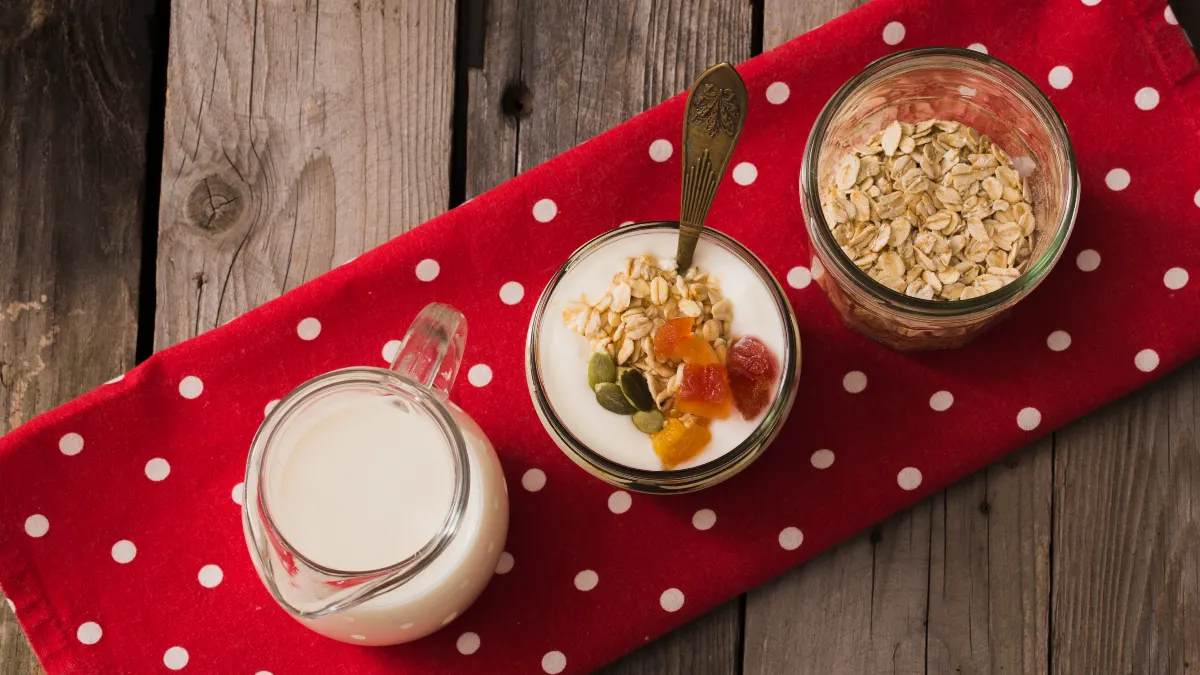
You might wonder if your food is the real problem. The best way to find out is to take a break. Stop eating all fermented foods for 14 days. This includes yogurt, kombucha, and even pickles. This is a simple gut health test you can do at home. During these two weeks, pay close attention to your food baby bloat.
If your symptoms go away, you have your answer. Your gut was struggling with those specific foods. Most people see a big change in their energy and digestion within just five days of stopping. This break gives your system time to calm down. It is the fastest way to confirm fermented foods digestive warnings in your own body.
3 Safer Foods to Eat While You Heal
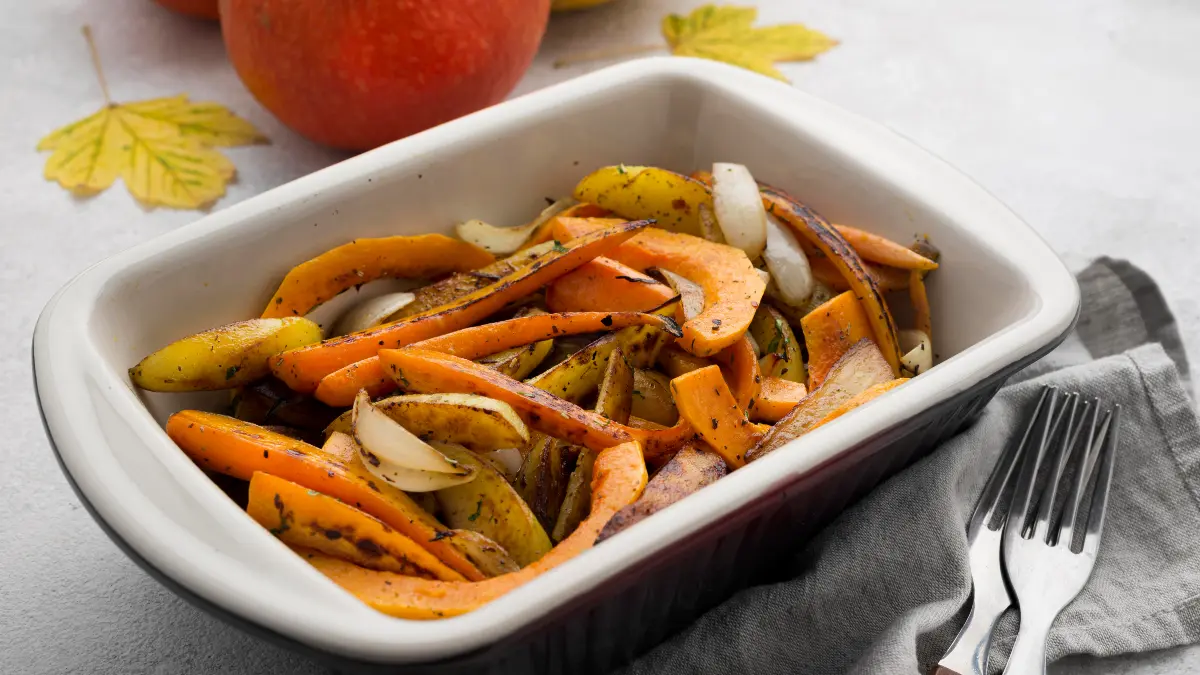
If you have to stop fermented foods, what should you eat? You still need to help your gut, but you need to be gentle. Focus on prebiotic foods that don’t cause a huge gas reaction. Cooked carrots, zucchini, and steamed ginger are great choices. These help soothe the gut lining without feeding the overgrowth.
Bone broth is another top choice for 2026 gut health. It is full of amino acids that help seal your gut. Unlike kombucha, bone broth does not have live bacteria that can cause a SIBO reaction. This makes it a much safer way to get nutrients while you wait for your bloating to go down. You can still heal your gut without the pain of fermented foods.
The Teaspoon Rule for Starting Over
Once your gut feels better, you might want to try fermented foods again. But don’t eat a whole bowl of sauerkraut. That is a mistake many people make. Instead, use the Teaspoon Rule. Start with just one teaspoon of the liquid from a jar of fermented veggies. Do this once a day for three days.
Watch how your body reacts. If you feel fine, move up to two teaspoons. This slow method helps your body build the right enzymes to handle the food. It also prevents probiotics’ side effects from hitting you all at once. If the bloat comes back at any point, stop immediately. Your gut is telling you its current limit. Listening to these small signs keeps you in control of your health.
Conclusion
Fermented foods are a great tool for health. But they are not a one size fits all fix. If you see these fermented foods’ digestive warnings, stop and listen. Pushing through the pain will not help your gut heal. Sometimes you need to clear out the overgrowth before you can add the good stuff back in.
You can take control of your health today. Download our Gut Reset food diary to track your symptoms for the next 7 days. This will help you see exactly which foods trigger your bloat.