

You have likely been told to drink your milk and take your calcium to keep your bones strong. But for many people over 40, that calcium is going to the wrong places. It is a common mistake. You take the supplement, but it ends up sitting in your blood or hardening your arteries. It never actually reaches your skeleton.
The problem is a biological shift. After you hit 40, your body starts losing bone faster than it can build it. This is called bone resorption. Without a specific key, calcium cannot get inside your bone tissue. Instead of building bone density after 40, it stays in your bloodstream and causes trouble.
But there is a better way. You can help your body use minerals correctly. In this guide, you will learn about the bone health partner nutrient, vitamin D3. You will also see why it needs an essential called Vitamin K2. Together, these two nutrients improve calcium absorption and help your bones function the way they did decades ago.
Why Your Calcium Supplement Is Failing Your Bones?
Most people think of bones as solid rocks that never change. They are actually living tissue. By the time you reach age 40, your bone mass begins to drop by about 1% every single year. If you are not careful, this leads to weak spots and breaks. You might try to fix this by eating more dairy or taking a pill. High calcium intake without the right helpers is often useless.
Scientists call this the Calcium Paradox. If you have plenty of calcium but no way to move it, your bones stay thin while your soft tissues get stiff. Another reason your supplement might fail is the lack of activation. Think of calcium as a raw material that needs a specific signal to turn into bone. If your body does not have enough Vitamin D3 and K2, that signal never happens.
Instead of making your skeleton stronger, the extra calcium can settle in your arteries. This makes your blood vessels stiff and hard, which is bad for your heart. It is like having all the wood to build a house, but no blueprints or workers to start the job.
The Calcium Power Trio
How 3 nutrients work together to build stronger bones after 40
Vitamin D3
Absorbs calcium from food into bloodstream
Vitamin K2
Directs calcium to bones, not arteries
Magnesium
Activates Vitamin D to work properly
1%
Bone loss per year after 40
20%
Fracture risk reduction with D3
10-15%
Calcium absorbed without D3
Meet Vitamin D3: The Key to Stronger Bones

Think of Vitamin D3 as a signal light. It tells your intestines to start absorbing calcium from the food you eat. It is the primary bone health partner nutrient. Without enough of it, you could eat all the cheese in the world, and your bones would still starve. There are two main types: D2 and D3. You want D3. It is the active form of Vitamin D that your body uses best.
In 2026, many of us spend most of our time indoors. We sit at desks or stay in the shade. This means our bodies do not make enough Vitamin D from the sun anymore. Low Vitamin D3 levels are a major reason why bones get brittle.
Keeping these levels steady can reduce the risk of non vertebral fractures by up to 20%. It is a simple fix that has a huge impact on how you move. If you want to stay active, you must make sure this key is always available to open the door for calcium.
3 Nutrients That Help Calcium Find Your Bones
If Vitamin D3 is the key that lets calcium into the house, Vitamin K2 is the GPS. It tells the calcium exactly where to go. Without K2, calcium is lost. It might land in your kidneys or your heart. Vitamin K2 for bone density works by activating a protein called osteocalcin. This protein grabs the calcium and anchors it directly into your bone matrix.
You also need magnesium for bones. Magnesium is like a battery. It helps convert Vitamin D into its active state. If you are low on magnesium, your Vitamin D just sits there and does nothing.
1. Vitamin D3

Pulls calcium into the body. Vitamin D3 is the most important worker in the process of getting calcium from your stomach into your bloodstream. Without it, your body can only absorb about 10% to 15% of the calcium you eat. Most of that mineral would simply pass through you and go to waste.
You can think of D3 as a security guard that opens the gate in your gut so calcium can enter. Since many of us don’t get enough sunlight to make this sunshine vitamin naturally anymore, keeping your levels steady is the only way to make sure your calcium supplement actually gets past the front door.
2. Vitamin K2

Points calcium toward the bones. Vitamin K2 is the essential traffic cop that tells calcium where to go once it is inside your body. While Vitamin D3 gets the calcium into your blood, K2 ensures it actually lands in your bone matrix. It does this by activating a special protein called osteocalcin, which works like a magnet to pull calcium into your skeleton.
Without enough K2, calcium is lost, and can end up in places it doesn’t belong, like your kidneys or your heart’s arteries. By using K2, you make sure the calcium you consume is building a stronger frame rather than causing stiffness in your soft tissues.
3. Magnesium
Turns on the Vitamin D. Magnesium is the on switch for your entire bone building team. Even if you take plenty of Vitamin D3 and K2, they cannot do their jobs if your magnesium levels are low. Magnesium is responsible for converting Vitamin D into its active form so your body can actually use it.
Think of it like a battery in a flashlight; you can have the best bulb and the best case, but without the battery, nothing happens. It also helps make your bones physically stiffer and more resistant to cracks. By keeping your magnesium levels up, you ensure that every other nutrient you take is working at its full potential.
Your Daily Plan for Better Bone Health
You can find these nutrients in the grocery store. For natural bone health, look for these specific foods. Gemini said To get the most out of your daily plan, timing and pairings matter as much as the food itself. Since Vitamin D3 and K2 are fat soluble, your body cannot absorb them well on an empty stomach or with a fat free snack.
Try to eat your bone building foods during your largest meal of the day, which includes healthy fats, like olive oil, avocado, or nuts. This fatty base acts like a delivery truck, helping the nutrients move through your digestive system and into your blood. By simply moving your supplements or specific foods to dinner instead of eating.
1. Natto (Fermented Soy)
This is the best source of Vitamin K2. Natto is a traditional Japanese food made from fermented soybeans, and it is the most powerful source of Vitamin K2, specifically the MK 7 form found in nature. While other fermented foods like cheese or sauerkraut have some K2, natto has much higher amounts.
Just one small serving can provide several times the daily recommended intake. The fermentation process uses a specific bacterium called Bacillus subtilis, which creates the K2 your bones need to stay strong. Because it is a whole food, your body absorbs it very efficiently, making it a superfood for anyone looking to protect their skeletal health.
2. Fatty Fish
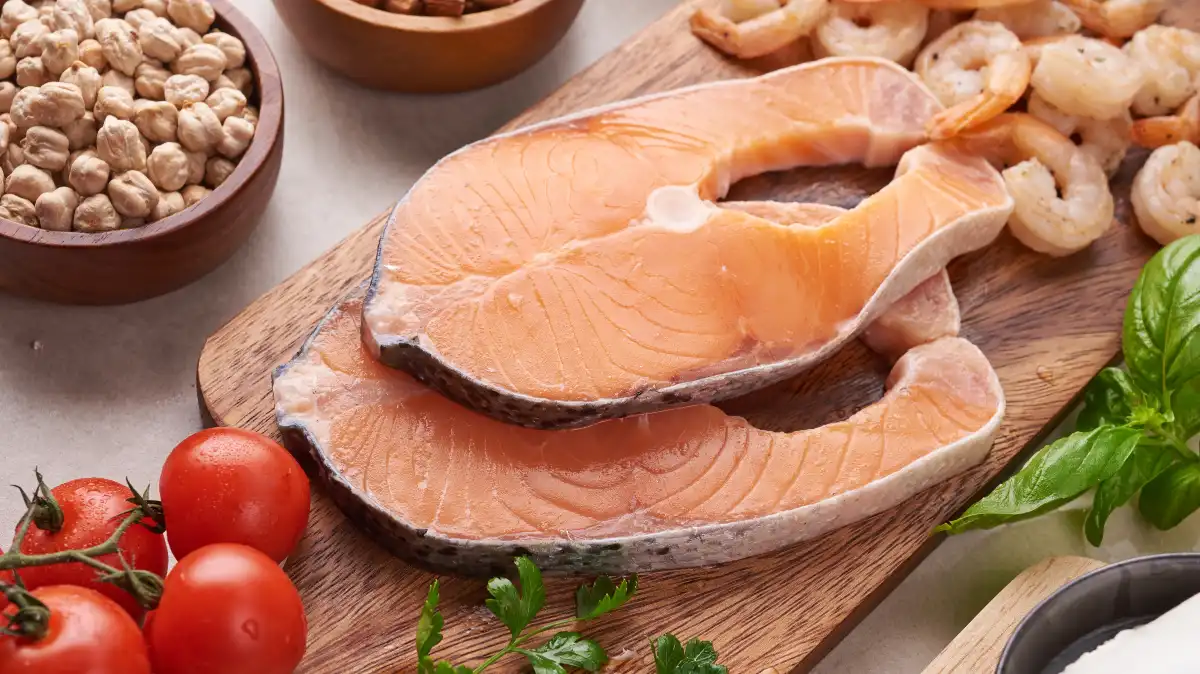
Salmon and mackerel are great for D3. Fatty fish are unique because they are one of the very few natural food sources that provide high amounts of Vitamin D3. Unlike most foods that only have tiny traces, a single serving of wild caught salmon or mackerel can provide nearly your entire daily requirement.
These fish are also packed with Omega 3 fatty acids, which help lower inflammation in your body. This is important because chronic inflammation can actually speed up bone loss. By eating fatty fish twice a week, you are giving your body a double dose of protection: the key to absorbing calcium and the healthy fats needed to keep your bone building cells working perfectly.
3. Grass-Fed Butter
This contains K2 and healthy fats. Grass-fed butter is much better for your bones than regular butter. When cows eat fresh grass, their bodies create Vitamin K2. Most butter from cows that eat grain does not have much of this nutrient.
The healthy fats in grass fed butter also help your body use Vitamin D3 better. Since D3 and K2 need fat to work, adding a bit of this butter to your vegetables is a smart choice. It makes your food taste good and helps the calcium reach your skeleton.
4. Leafy Greens
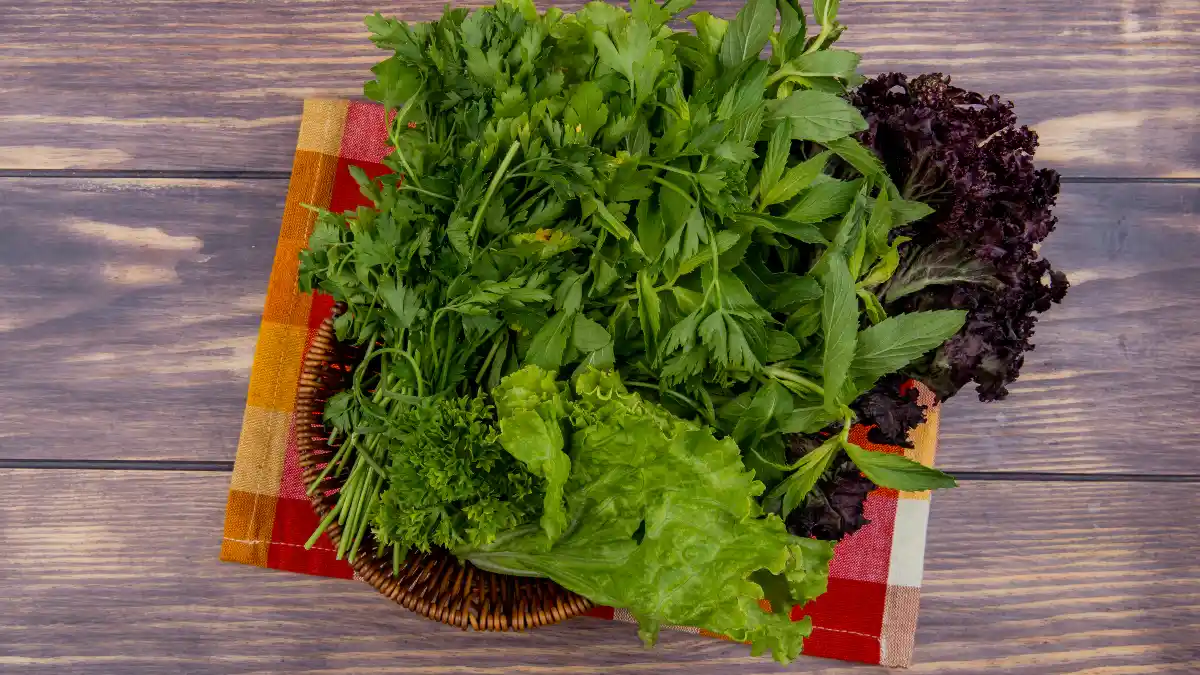
These provide magnesium and calcium. Leafy greens like kale, collard greens, and bok choy are essential because they provide a one two punch of calcium and magnesium. While the calcium provides the raw material for your bones, the magnesium ensures that your Vitamin D is activated and ready to work.
These greens are also high in Vitamin C, which your body needs to produce collagen, the flexible frame that keeps your bones from becoming brittle. Adding a large handful of these greens to your meals daily helps create a steady supply of minerals that keep your skeleton both hard and resilient.
How to Wake Up Your Bone-Building Cells?

Taking supplements is a great start. But your bones also need to know that you actually use them. If you sit all day, your body thinks your bones do not need to be strong. It starts to get rid of bone tissue because it thinks the extra weight is a waste of energy. You have to give your skeleton a reason to stay dense.
Try to move for at least 30 minutes most days. Even small bursts of movement matter. If you walk at a brisk pace, you are telling your hips and spine to stay solid. This physical stress is actually good for you. It works with your bone health partner nutrient to turn your body into a bone building machine.
3 Daily Habits That Drain Your Bone Density
1. Too Much Caffeine

A morning cup of coffee is usually fine, but drinking large amounts of caffeine throughout the day can be a problem. High levels of caffeine can interfere with how well your body absorbs calcium in the gut. If you love coffee, try to drink it at least an hour away from your calcium rich meals or supplements.
2. Excessive Salt Intake

When you eat too much salt, your body tries to get rid of the extra sodium through your urine. Unfortunately, calcium hitches a ride with the salt as it leaves. This means the more salt you eat, the more calcium you literally pee away instead of using it to strengthen your skeleton.
3. Drinking Dark Sodas

Many dark sodas contain phosphoric acid. To balance out this acid, your body may pull calcium out of your bones. Over time, this habit can weaken your bone structure. If you need a fizzy drink, try sparkling water with a squeeze of lemon instead.
The Protein Secret for a Stronger Skeleton
Many people think bones are just made of minerals like calcium. But that is only half the story. Think of a building made of reinforced concrete. The calcium and minerals are the concrete. But the concrete needs a steel frame to hold it together. In your body, that frame is made of protein, specifically collagen.
If you do not eat enough protein, your bone frame gets weak. This makes your bones brittle. They might be hard, but they will snap easily because they have no flexibility. About 50% of your bone volume is actually made of protein. This is why seniors who eat more protein often have fewer hip fractures. It gives the minerals a place to land and stick.
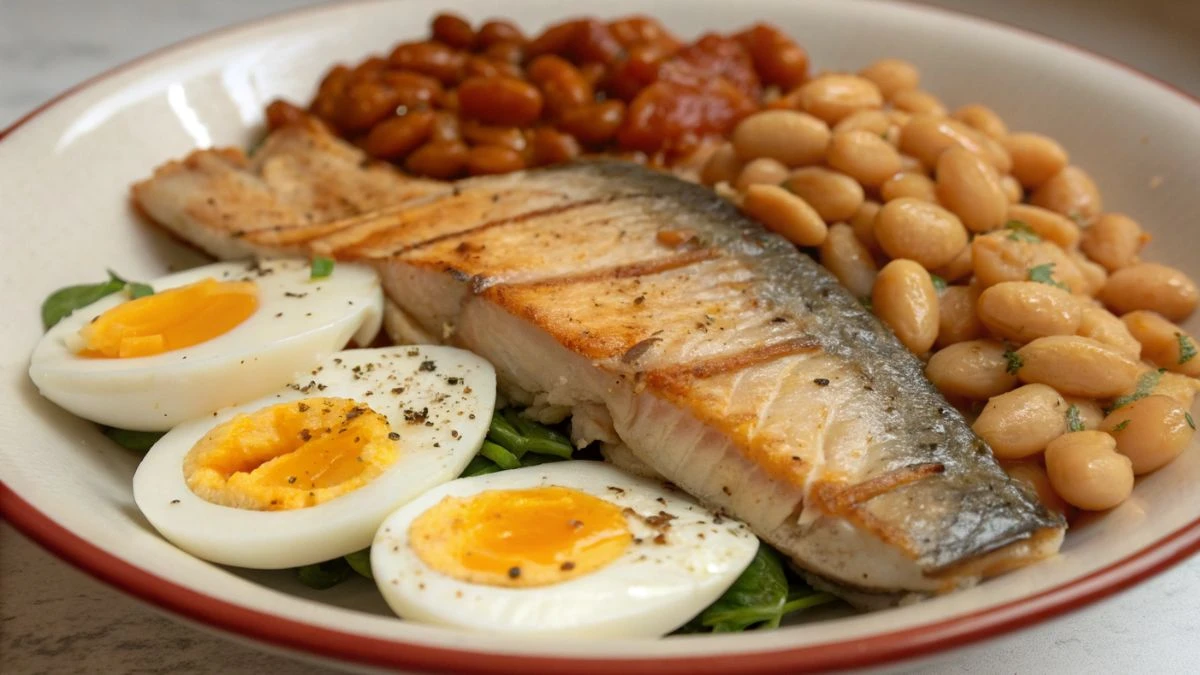
You can get this protein from lean meats, beans, eggs, or Greek yogurt. Aim for a serving of protein with every meal. When you combine protein with your calcium synergy team, you build a skeleton that is both hard and tough. It can handle the bumps and falls of daily life without breaking.
Conclusion
To keep your bones working as they did at 40, you have to stop viewing calcium as a solo act. It is part of a team. Without the bone health partner nutrient Vitamin D3 and its guide, Vitamin K2, calcium cannot do its job. You deserve to move with confidence and maintain bone strength as you age.
Start by checking your current status. Ask your doctor for a 25 hydroxy Vitamin D blood test. Once you know your numbers, you can use the Power Trio of D3, K2, and magnesium to build a stronger future.