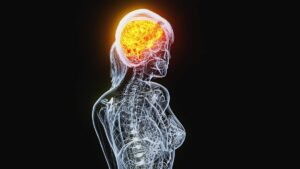

You sit down after a short walk, and your legs feel like lead. You think I’m just getting older. But is that true? Or is your heart trying to tell you something? Many people ignore heavy legs because they think it is a natural part of aging. However, this fatigue often points to serious issues like peripheral artery disease PAD or chronic venous insufficiency CVI.
If you ignore these signs, you might miss a warning for a future heart attack. In this guide, you will learn how to tell the difference between a long day and a serious medical problem. You will see how tired legs and heart health are linked. You will also find out when to call a doctor before a small ache becomes a major crisis.
The “Aching” Truth: Normal Aging vs. Vascular Red Flags
Vascular Warning Signs
| Symptom | Vascular Flag |
|---|---|
| Onset | Predictable: Starts after specific distance |
| Recovery | Rapid: Relieved in < 5 mins of rest |
| Sensation | Cramping, heaviness, or “tightness” |
“Leg pain is often the ‘canary in the coal mine.’ Because the circulatory system is connected, PAD symptoms in the legs are frequently the first clinical indicator of potential coronary artery disease or stroke risk.”
— Clinical Research Insight
Your legs get tired because your muscles need oxygen. When you walk, your heart pumps blood down to your calves and feet. If you are just out of shape, you might feel a slow burn that goes away after a few minutes of rest. But vascular problems feel different. Doctors call this claudication. This is a term for leg pain caused by too little blood flow.
Think of your arteries like pipes. Over time, plaque builds up on the inside. This narrows the path for your blood. When you move, your muscles scream for more oxygen. But the narrow pipes can’t deliver enough. That is when the heavy feeling hits.
Here is a simple test. Do your legs hurt when you walk? Does the pain stop almost immediately when you sit down? This is the rest test. If the pain vanishes within minutes of resting, it is likely a vascular issue, not just old age. This is more common than you think.
About 1 in 20 Americans over age 50 has PAD. Many do not know it. They think they are just slowing down. But poor leg circulation signs are often the first clue that your heart needs help. Keeping your vascular health in check starts with listening to your limbs.
5 Signs Your Leg Fatigue is a Heart Health Warning

How do you know if your fatigue is a medical warning. Look for these five red flags.
- The Start Stop Pain: Normal muscle soreness from a workout lasts for hours. Vascular pain is different. It starts when you walk and stops when you rest. It feels like a deep, tight cramp. This is a top peripheral artery disease symptom.
- Skin Color Changes: Check your feet in the mirror. Do they look bluish, purple, or very pale when you sit up? This means blood is not reaching the surface.
- Temperature Drops: Touch both of your legs. If one leg feels much colder than the other, that is a major sign of a blockage.
- Slow Healing Sores: A small cut on your toe should heal in a week. If a wound stays open for a month, your body does not have enough blood flow to fix the skin.
- Loss of Leg Hair: If you used to have hair on your shins and now the skin is smooth and shiny, your hair follicles might be dying from a lack of nutrients.
Contrast a muscle burn from exercise with the deep ache of poor blood flow. A burn feels like it is on the surface. An ache feels like it is inside the bone. You might also feel leg heaviness that gets worse at night. This is often linked to chronic venous insufficiency.
This happens when your veins struggle to push blood back up to your heart. Instead of flowing, the blood pools in your ankles. Do not ignore these leg cramping episodes. They are your body’s way of asking for a check up.
Connecting the Dots: PAD, CVI, and Your Heart
Your body is one big loop. If you have clogged pipes in your legs, you likely have them near your heart too. Plaque does not just pick one spot. It builds up everywhere. This is why cardiovascular disease often shows up in the legs first. Think of it this way. Your leg arteries are smaller than your heart arteries.
They often clog up first. If you have PAD, your risk of a heart attack goes up. It is a loud alarm bell. Then there is CVI. This is about your veins, not your arteries. Your veins have tiny valves that act like one way doors. They keep blood moving toward your heart.
When these valves fail, blood leaks backward. This causes pressure and fatigue. It is not just an old person’s problem. It is a sign that your blood flow system is struggling. If your legs cannot move blood well, your heart has to work much harder. This increases your heart attack risk over time.
Actionable Steps: Taking Control in 2026

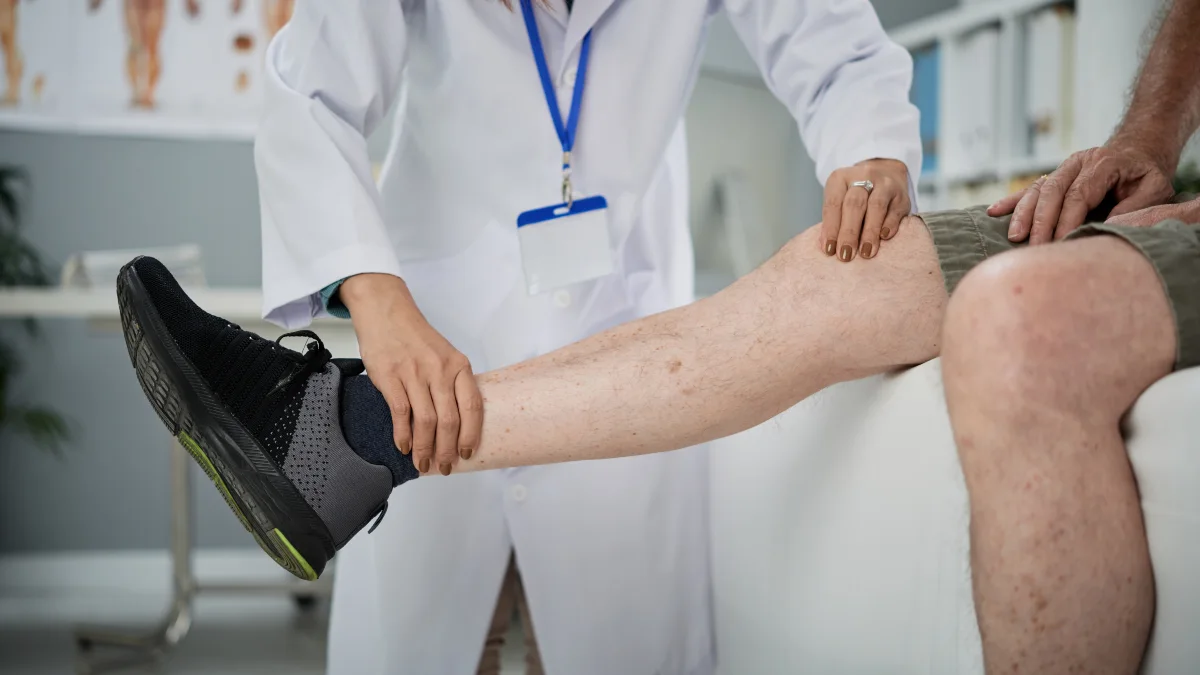
You can take charge of your health right now. First, ask your doctor for an ABI test. ABI stands for Ankle-Brachial Index. It is a simple, painless test. The doctor compares the blood pressure in your ankle to the pressure in your arm. If the numbers are far apart, you likely have a blockage.
Next, change your fuel. Eat foods that fight inflammation. Berries, leafy greens, and fatty fish help keep your artery walls smooth. These are basic heart health tips that work. Finally, keep moving. It sounds strange, but walking through the ache can help if your doctor says it is okay.
This is called supervised exercise therapy. It forces your body to grow tiny new blood vessels to get around the blockages. Focusing on your circulatory system improves your leg health and adds years to your life.
3 Ways to Boost Your Leg Circulation Today
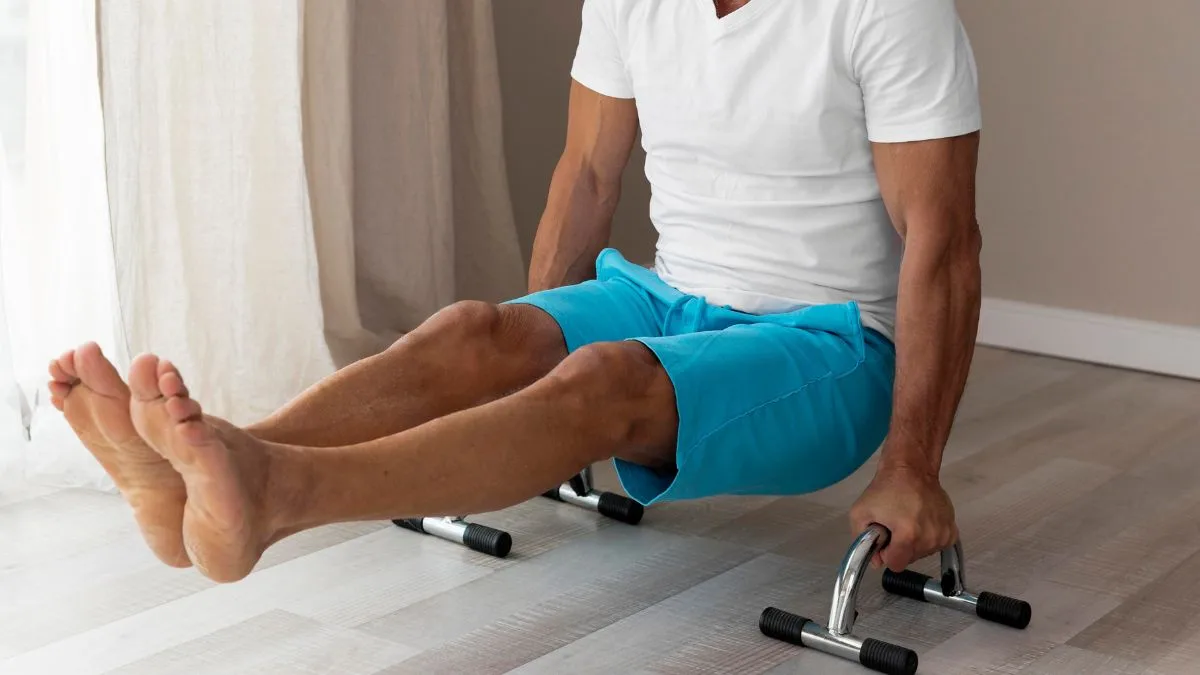
First, try gravity. If your legs feel heavy or swollen at the end of the day, lie down and prop your feet up above your heart. Do this for 20 minutes. It helps the blood flow back to your chest without your veins having to fight against gravity.
Second, check your socks. Compression socks are a simple fix. They squeeze your lower legs gently. This squeeze keeps blood moving and stops it from pooling around your ankles.
Third, stay hydrated. When you do not drink enough water, your blood gets thicker. Thicker blood is harder for your heart to pump through those narrow leg arteries. Drinking water keeps your blood thin and moving fast. These small habits help, but they are not a cure for blocked arteries. Use them to manage your symptoms while you wait for a medical check-up.
Should You Use a Smartwatch to Track Your Leg Health?
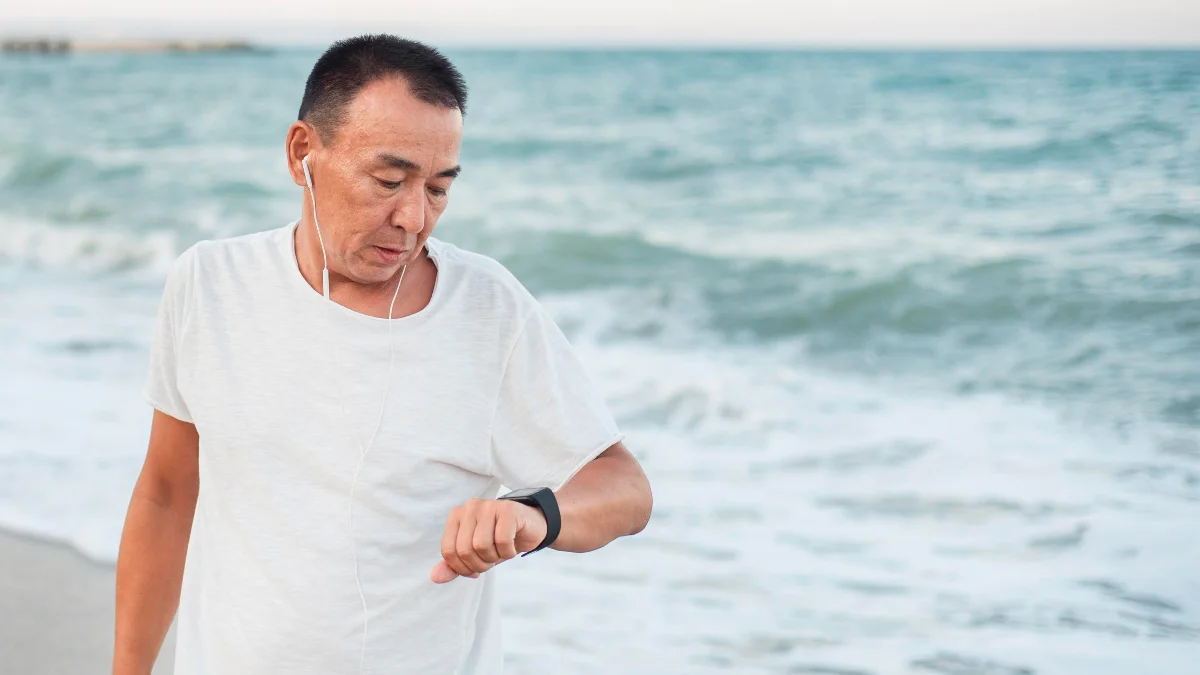
Your watch does more than count steps. In 2026, most smartwatches have a feature called Walking Steadiness or Gait Analysis. This is a powerful tool for your heart. It tracks how fast you walk and how even your steps are. If your watch sends you a notification that your walking speed is dropping, pay attention.
Your watch can also track your Recovery Heart Rate. This is how fast your heart slows down after you stop walking. If it takes a long time for your heart to calm down after a short stroll, your circulation might be struggling. Use this data. Show the trends to your doctor.
Is It Just a Vitamin Deficiency?

Sometimes the fix is in your kitchen, but you have to be careful. Many people think leg cramps mean they just need more potassium or magnesium. These minerals do help your muscles relax. If you are low on them, your legs will feel tight and twitchy. You can find these in bananas, spinach, and nuts.
Adding these to your diet is a great heart health tip because they also help lower your blood pressure. However, a vitamin pill cannot clear a blocked artery. If your legs hurt because of plaque buildup, no amount of magnesium will fix the plumbing issue. It is okay to try a supplement, but do not let it give you a false sense of safety.
Conclusion
Tired legs are not just a part of getting older. They are a window into how your heart is doing. If you feel heaviness, see skin changes, or notice one cold foot, take it seriously. These are signals that your blood is not moving the way it should. Do not wait for a heart attack to happen.
If you checked more than two boxes in this guide, call a vascular specialist this week. A quick screening could save your life. Your legs carry you through life; make sure you are taking care of the heart that powers them. Tired legs and heart health are more connected than you think.