

You are eating the same foods you always have. You are hitting the gym just as much as before. Yet, your favorite jeans refuse to button, and your patience is paper-thin. If you feel like a stranger in your own skin, you aren’t alone. In fact, 63% of women experience this exact shift.
This is the Invisible Shift. It is called perimenopause. For most women, it starts in their 40s, sometimes up to 10 years before their last period. Your hormones aren’t just dipping; they are swinging wildly. These shifts cause stubborn perimenopause weight gain and sudden hormone related mood swings that make you feel out of control.
It isn’t your fault. Your body is changing the way it uses energy. But you don’t have to just deal with it. You can take charge of your 40s health. 3 pillar approach using nutrition, movement, and simple micro habits to steady your mood and fire up your metabolism again. Here is how you can feel like yourself once more.
Why Is My Body Storing Fat Differently?
In your 40s, your hormones go on a wild ride. Doctors call this the Estrogen Rollercoaster. One day estrogen is high, the next it is bottoming out. At the same time, your progesterone levels start to fall. Progesterone is your calm hormone. When it drops, you feel more anxious and stressed.
This leads to a survival mechanism in the body. Because your ovaries are producing less estrogen, your body looks for it elsewhere. Fat cells can produce a form of estrogen. So, your body holds onto fat specifically in your belly to try to keep your hormones balanced.
UChicago Medicine researchers found a startling change during this time. Abdominal fat often jumps from 8% of total body weight to 20%. This visceral fat isn’t just about how you look. It is active tissue that can increase inflammation and lead to estrogen dominance symptoms.
The Metabolic Shift: Beyond the Scale
The leap from 8% to 20% of total body weight during perimenopause.
Belly fat creates estrone—a weak estrogen—to compensate for failing ovaries.
What This Means For You:
- Progesterone Dip: The loss of your “natural Valium” increases cortisol, which signals the body to store fat.
- Inflammation: Visceral fat is biologically active, releasing cytokines that can lead to insulin resistance.
- Estrogen Dominance: Low progesterone makes even low estrogen levels seem “dominant,” stalling weight loss.
3 Ways to Fix Your Metabolism in 2026

The old advice of eat less and run more does not work after 40. In fact, it often backfires. When you cut calories too low or do too much cardio, you spike your cortisol. High cortisol tells your body to store more belly fat. To get a midlife metabolism boost, you must focus on Muscle as Medicine.
After age 30, women lose about 3% to 8% of their muscle mass every ten years. This is called Sarcopenia. Since muscle burns more calories than fat, losing it slows your metabolism down to a crawl.
Here is the 2026 fix:
- Prioritize Protein: Eat 25 30 grams of protein at every meal. This keeps you full and protects your muscles.
- Lift Heavy Things: Strength training for women is the best way to tell your body to burn fuel rather than store it.
- Watch the Timing: Eating your carbs after a workout helps with insulin sensitivity. This means the sugar goes to your muscles for energy instead of being stored as fat.
How to Stop the Perimenopause Rage?

Do you ever feel a sudden flash of anger over something small? That is often Perimenopause Rage. It happens because your brain is susceptible to hormone shifts. Your gut and your brain are also linked. If your gut health is off, your mood will be too. Sleep is the biggest factor here. When you don’t sleep, your brain can’t regulate emotions.
This leads to brain fog and emotional volatility. GABA is a chemical in your brain that helps you relax. In 2026, doctors recommend specific supplements like Magnesium Bisglycinate to help you sleep and Vitamin D3/K2 to support your mood. Taking these helps steady the brain so you can handle stress without snapping.
Your 7-Day Soft Reset Plan

You don’t need a total life overhaul. You just need a few perimenopause weight gain solutions that fit into your day. Follow this simple routine for one week to see how your body responds to a hormone balancing diet. Morning The Protein Punch: Eat a high protein breakfast within an hour of waking up. Avoid coffee on an empty stomach to keep cortisol low.
Afternoon, The 15 Minute Move: Do a 15 Minute resistance circuit. Use dumbbells or even heavy water bottles. Focus on squats and lunges. Evening The Blue Light Detox: Put your phone away 60 minutes before bed. Use blue light blocking glasses if you must use a screen. This helps your brain produce melatonin naturally.
Why Do I Wake Up at 3 AM Every Night?

Many women in their 40s find themselves wide awake in the middle of the night. This happens because your blood sugar drops or your cortisol spikes. When your estrogen is low, your body becomes more sensitive to stress. This keeps you in a light sleep stage instead of the deep sleep you need to repair your body.
Is Your Nightly Drink Making Your Symptoms Worse?

It is common to reach for a glass of wine to relax after a stressful day. But after 40, your liver has a harder time processing alcohol. Your liver is also responsible for clearing out old estrogen. If your liver is busy breaking down alcohol, the extra estrogen stays in your system. This causes your clothes to feel tighter and your moods to swing even more.
Alcohol also triggers hot flashes and night sweats. It raises your body temperature and disrupts your heart rate while you sleep. You might fall asleep faster, but the quality of that sleep is poor. Try swapping your evening drink for tart cherry juice mixed with sparkling water. This gives you natural melatonin to help you rest without the hormone crash.
3 Tests You Must Ask Your Doctor For
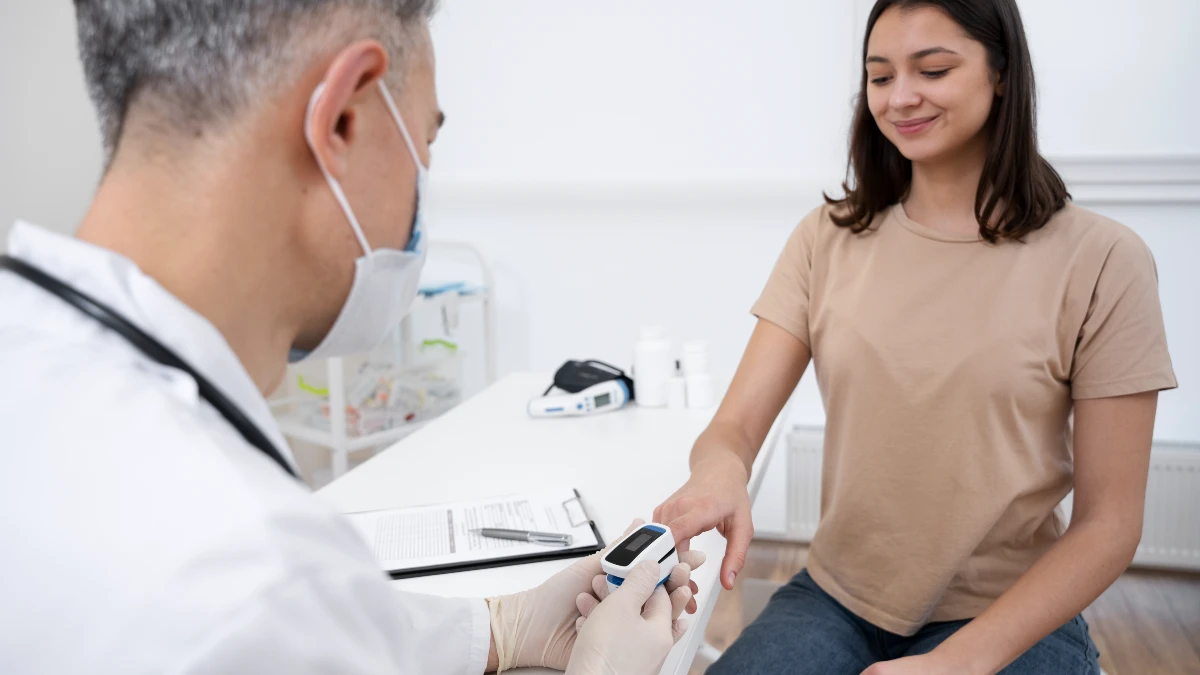
Don’t let a doctor tell you that feeling tired and gaining weight is just part of getting older. You deserve clear answers. Most standard blood tests do not look deep enough into your hormones. You need to see the full picture of how your body is working right now.
Ask your doctor for these three specific tests:
- FSH Follicle Stimulating Hormone: This shows if your brain is working harder to tell your ovaries to work.
- HbA1c: This measures your average blood sugar over three months. It tells you if your body is becoming resistant to insulin.
- Fastin Insulin: This is different from a glucose test. It shows if your body is overproducing insulin to keep up with your diet.
Knowing these numbers helps you choose the right foods and workouts for your specific body. It takes the guesswork out of your health.
Conclusion
It is easy to feel frustrated when your body changes. But remember, you aren’t doing anything wrong. Your biology is simply entering a new phase. Managing perimenopause is about working with your body instead of fighting against it.
By changing how you eat and move, you can stop the weight gain after 40 and get your energy back. You deserve to feel strong and calm in this decade of your life.