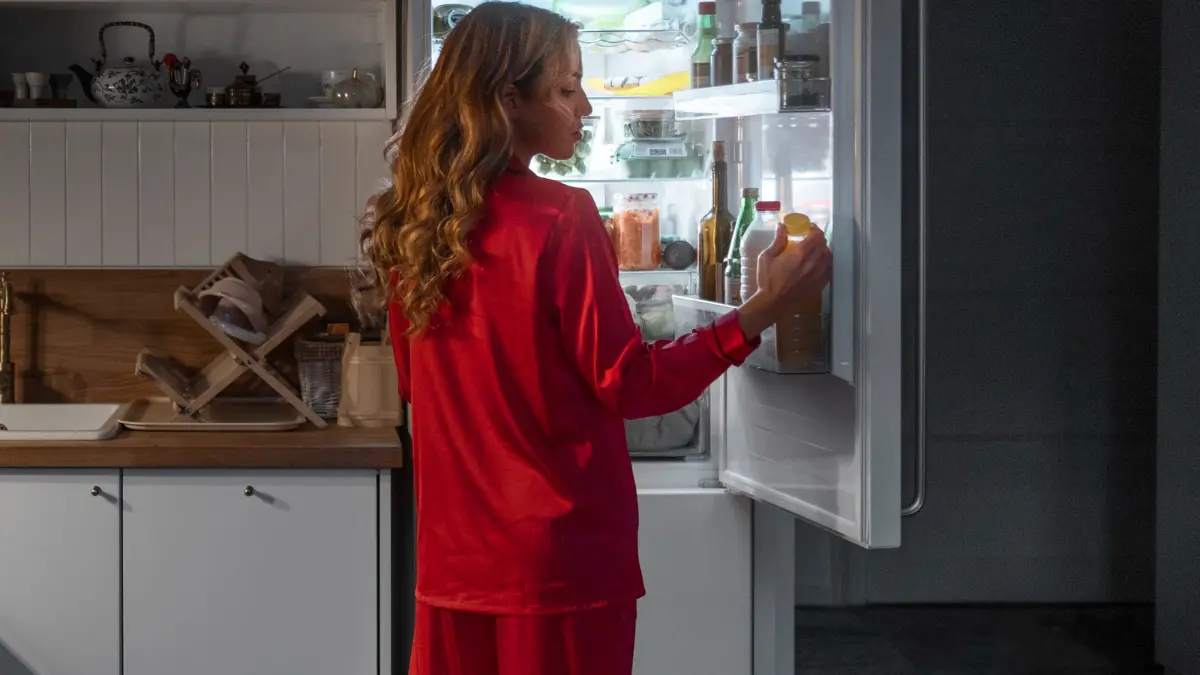
It’s 6:45 on a Tuesday and you’re staring at a jar of pickles and half an onion. The fridge light hums. That is dinner. Here is the math.
You feel defeated and physically drained. If you think your kitchen is actually empty and this won’t work, this is different. You do not need a “full” kitchen to eat like a human being tonight.
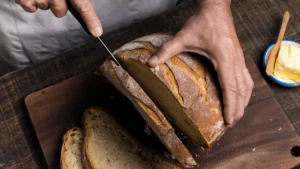
Lane knows this feeling well. After a long shift, Lane stared at a bare shelf with nothing but a tin of sardines and some crusty bread. Lane felt the heavy weight of decision fatigue. Instead of ordering takeout, Lane used a simple hack to turn those scraps into a meal that felt intentional. You are not a failure for having an empty fridge. You are an accidental minimalist ready for a culinary challenge. That question has a real answer.
What to cook when fridge is empty starts with 8 items hiding in most kitchens right now. If you have 5 of them, you have dinner tonight. Keep reading.
What to Cook When Fridge Is Empty: Your 15-Minute Protocol
What to cook when fridge is empty comes down to one sequence. You don’t need a full pantry. You need one fat, one acid, and three supporting elements. Follow the 15-minute timing below and you’ll have a real meal tonight, no shopping required.
How to build your meal in 15 minutes:
0:00 : The Foundation: Boil water for pasta or start rice. Salt the water until it tastes like the sea.
5:00 : The Flavor Base: Chop your onion or garlic. Cook them in olive oil until they smell sweet.
10:00 : The Build: Add frozen vegetables to the pan. If using an egg, crack it directly into the center and scramble it.
15:00 : The Finish: Toss your starch into the pan with a splash of cooking water. Stir in your acid last.
“What I Have → What I Make” Table
| You Have | Add This | These 3 | Results In |
|---|---|---|---|
| Pasta | Olive oil | Garlic, cheese, pepper | Cacio e Pepe |
| Rice | Egg | Soy sauce, peas, sesame oil | Fried Rice |
| Canned beans | Bouillon | Onion, cumin, canned tomato | Bean Stew |
This meal is among the most affordable you can make. Pasta, garlic, and olive oil are among the cheapest staples in any grocery store. A serving of pasta and garlic costs less than almost any food you could buy today.
The Empty Fridge Paradox: You Have More Than You Think
What to cook when fridge is empty starts with changing how you define “food.” We often overlook the power of the staples hiding in the back of the cupboard. These are not just ingredients. They are the building blocks of flavor.
1. Onions or Garlic
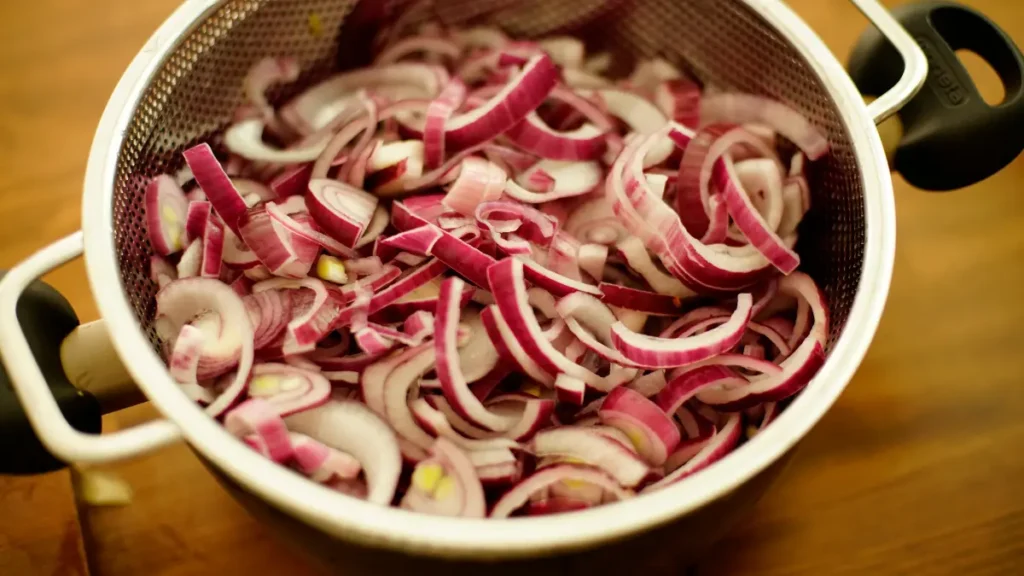
You’ve pushed that half-onion to the back of the shelf three times this week, convinced it’s too sorry to use. Heat triggers pyrolysis (a chemical reaction that converts raw sulfur compounds into sweet, savory molecules) the moment allium hits a hot pan. Think of it as a flavor switch flipping on inside every slice. That single onion becomes the aromatic base of everything you cook tonight.
2. Eggs
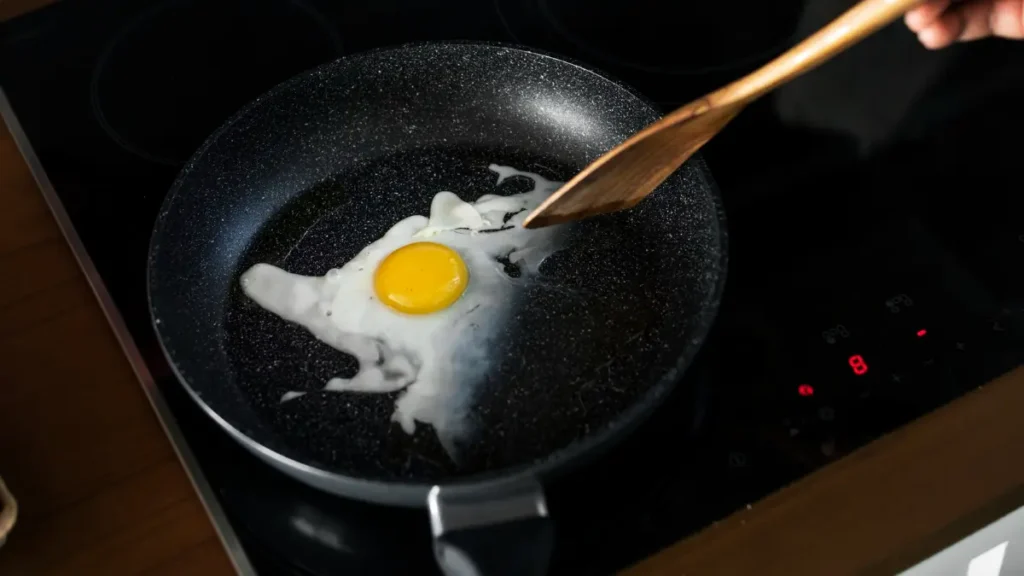
Two eggs sit in the carton. You’ve been saving them for something that never arrived. Eggs contain lecithin (a natural emulsifying compound concentrated in egg yolk) that binds fat and water into a smooth, cohesive coating. It’s edible glue holding every flavor in place. A cracked egg in a hot pan transforms thin oil into a rich coating for any grain or vegetable.
3. Canned Beans
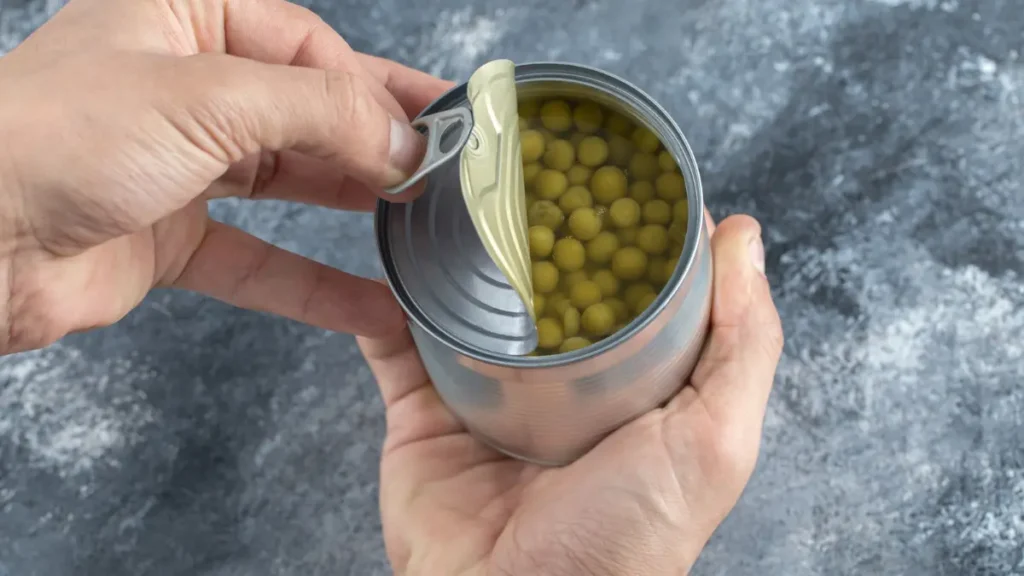
That dusty can has sat at the back of the cupboard so long you forgot you bought it. Beans are pre-cooked and packed in aquafaba (a starch-rich liquid released during the canning process) that thickens any sauce you heat it in. Think of it as free sauce base inside every can. Pour that liquid in instead of draining it away.
4. Dry Pasta or Rice
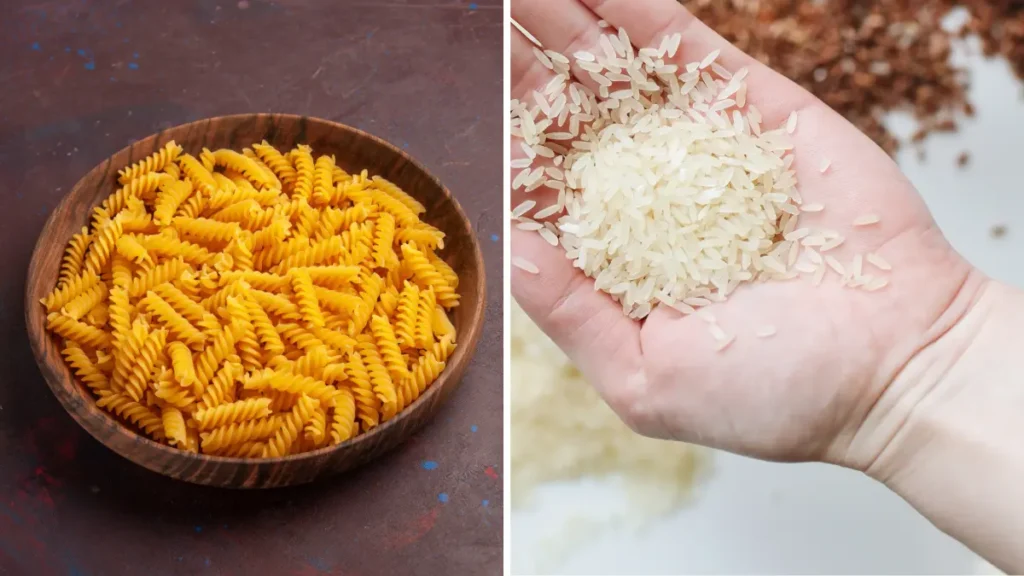
This is the ingredient you always have and always underestimate. Cooking releases amylose (a soluble starch molecule) into the water, creating a thick, silky liquid that functions as a professional emulsifier. That starchy cooking water is liquid gold. Don’t pour it down the drain before using it.
5. Olive Oil or Butter
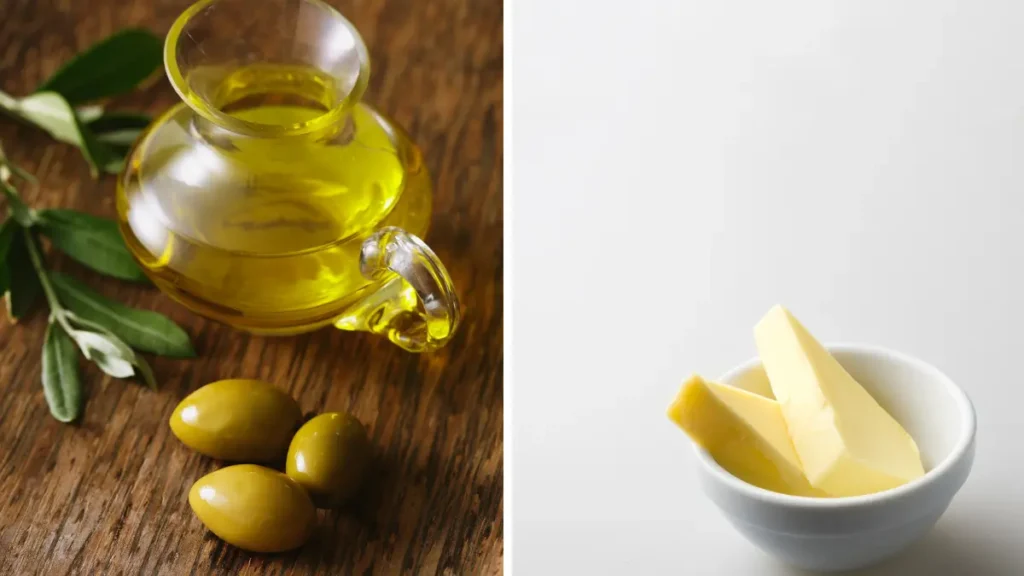
You use a thin scrape every morning and assume there’s not enough left for a real meal. Fat is the vehicle for flavor. Aromatic compounds in garlic and onion are fat-soluble (meaning they only release their full intensity when dissolved in oil or butter, not water). Oil isn’t just a cooking medium. It’s your flavor amplifier.
6. Frozen Vegetables
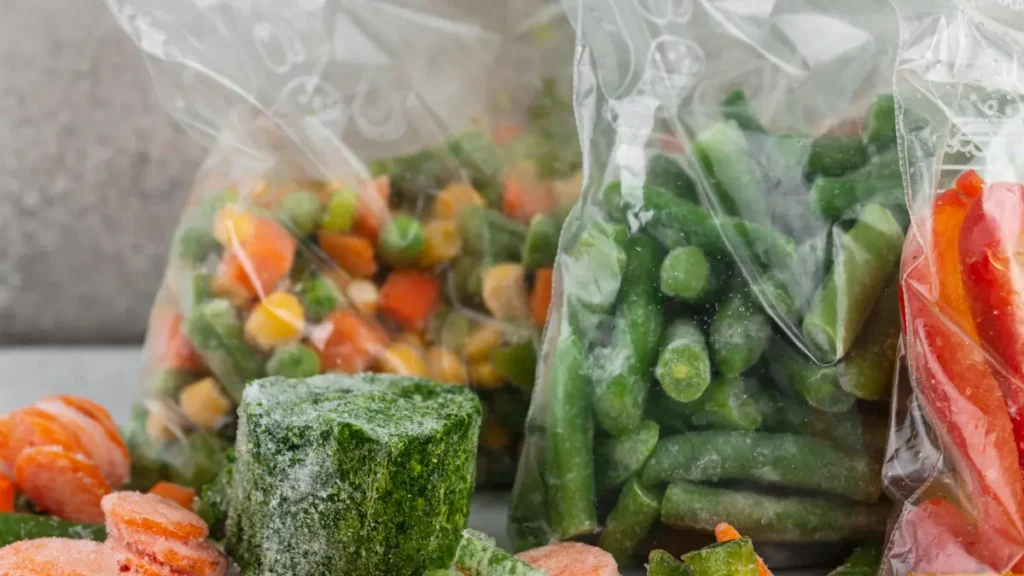
You bought these with good intentions and forgot they existed. Frozen vegetables are blanched and flash-frozen within hours of harvest through a process called cryogenic preservation (rapid freezing that halts cellular breakdown at peak ripeness). Think of the freezer as a pause button on peak nutrition. They’re nutritionally equivalent to fresh, with no expiry pressure.
7. Soy Sauce or Vinegar
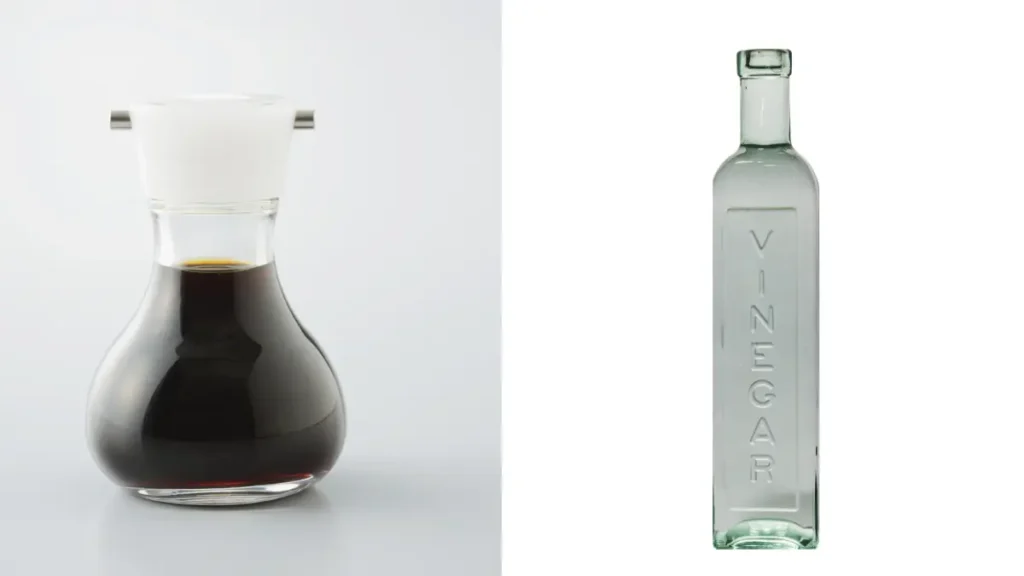
These feel like condiments, not ingredients. You’ve been ignoring them for months. Soy sauce contains free glutamates (amino acid chains that activate the umami receptors on your tongue, signaling protein and depth). Think of soy sauce as your shortcut to the “something missing” problem. Vinegar adds acetic acid that makes every other flavor taste brighter by contrast.
8. Bouillon Cubes
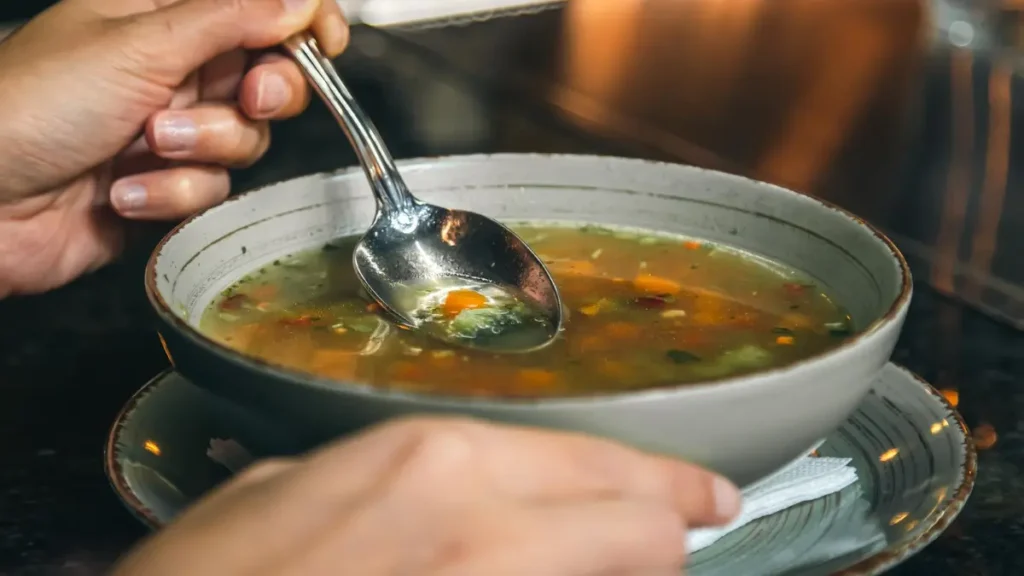
These feel like a cheat. Something a real cook wouldn’t use. They’re wrong. Bouillon concentrates roasted vegetables and meat through hydrolysis (a water-based extraction that pulls flavor compounds from solid ingredients into a dense, shelf-stable cube). Think of it as compressed cooking time in cube form. Dissolved in hot water, it builds depth and salt simultaneously.
The paradox of the empty fridge is that we see individual items instead of potential combinations. A single onion is not a meal. An onion cooked in olive oil with white beans and a splash of vinegar is a sophisticated stew. This works because of the Maillard Reaction. Heat transforms sugars and proteins into brown, savory flavors. It turns a boring onion into a flavor powerhouse.
The 1+1+3 Rule: What to Cook When Fridge Is Empty
Building a meal from nothing requires a mental template rather than a rigid recipe. Chefs call it flavor math. This is the 1+1+3 Rule: one fat, one acid, and three supporting elements.
The chemistry of this hack relies on Emulsification. Emulsification (the process of binding oil and water into a stable, creamy suspension) is the mechanic behind every professional pan sauce. Think of it as fat and water finally forced to agree. When you whisk starchy pasta water into olive oil and cheese, you’re not getting wet noodles. You’re building a coating that carries flavor across your entire palate.[FLIP]
How to Apply the 1+1+3 Rule:
- Identify 1 Fat: Use olive oil, butter, or oil from canned fish.
- Identify 1 Acid: Use lemon juice, vinegar, or pickle brine.
- Identify 3 Supports: Pick one starch (pasta), one protein (egg), and one aromatic (garlic).
Lane applied the 1+1+3 rule to turn a tin of sardines into dinner. Lane cooked the fish in its own oil with red pepper flakes and tossed it with spaghetti. The fish provided savory depth. A squeeze of old lemon cut through the richness. Fat acts as a “blanket” that carries spice and salt. Acid is the “volume knob” that turns up the brightness.
Common Mistakes: The “Kitchen Sink” Trap
When your stomach is growling, you might want to throw every condiment in the door at your pan. This is the “Kitchen Sink” trap. What to cook when fridge is empty is not about how much you add. It is about balance.
This is the part most guides skip: it is hard to stay disciplined when you are hungry. Derek fell into this trap. He added hot sauce, balsamic vinegar, and dried oregano to rice all at once. The result was a confusing mess.
How to Avoid the Trap:
- Don’t crowd the pan: Adding too many frozen veggies at once makes them steam instead of sear.
- Stop the “Salt Creep”: If you use soy sauce and bouillon, you have enough salt. Taste as you go.
- Let it sit: If you stir your onions constantly, they won’t brown. Let them sit for two minutes.
- Add acid last: Vinegar can turn bitter if cooked too long. Add it at the very end.
The best meals often happen when the “intended” ingredients are missing. This forces you to use better technique. [FLIP]
You’re the primary investigator of your own kitchen. The shelf below is proof of that.
What to Cook When Fridge Is Empty: Build This Shelf
The best way to handle an empty fridge is to ensure your “Tier 0” shelf is never actually empty. These items have a long shelf life. What to cook when fridge is empty becomes easy when you have a system.
Derek stocked a “Tier 0” pantry after realizing it saved him from expensive takeout. He noticed he felt more capable during his evening routine. These are the ten items that made the difference.
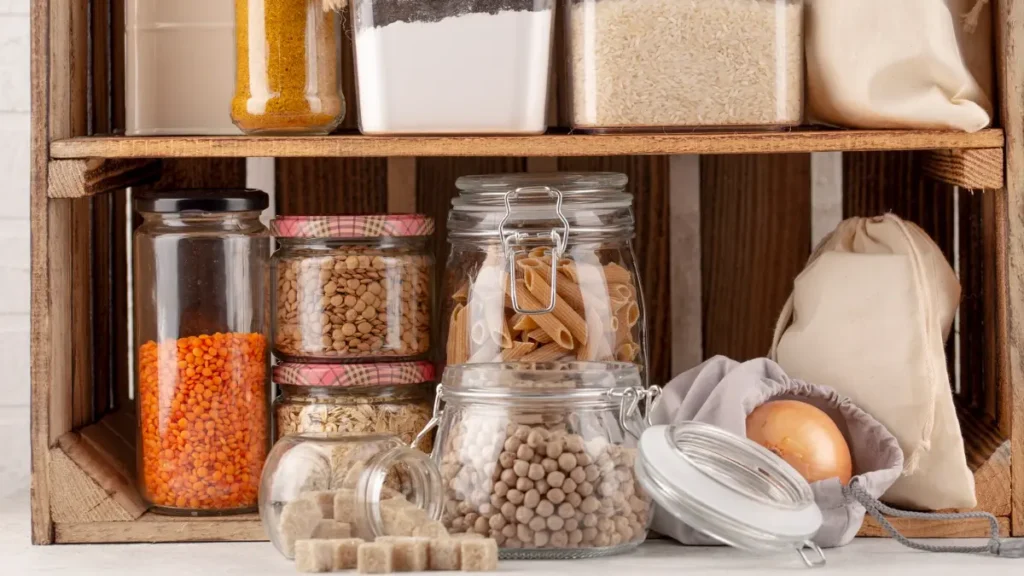
The Tier 0 Essentials:
1. Red Lentils (half a cup dried per serving)
These look too plain to be worth buying. They sit in their bag looking completely unremarkable. Red lentils contain high concentrations of soluble fiber (a carbohydrate chain that absorbs water and breaks down into a thick, creamy consistency as it cooks). Think of them as a pot that thickens itself. They require no soaking and reach full tenderness in under 15 minutes because their outer hull has already been removed during processing.
2. Canned Tomatoes (half a 400g can per serving)
You have one can and you keep treating it like it’s too precious to open. Commercial canning applies high heat that breaks down tomato cell walls through a process called thermal processing (pressurized cooking that concentrates flavor compounds and lycopene). Think of it as slow-cooking done before you even open the can. Each tin gives you both acidity and umami in a single ingredient.
3. High-Quality Olive Oil (one to two tablespoons per serving)
You pour the minimum and assume thin equals healthy. Polyphenols in quality olive oil (plant-based antioxidant compounds that carry distinct bitterness and fruitiness) are volatile, meaning they evaporate rapidly at high heat. Think of polyphenols as the flavor personality that cheap oils don’t have. Use it at medium heat to keep that character in the dish.
4. Dry Pasta (75 to 100 grams uncooked per serving)
It’s always there and you’ve stopped seeing it. The surface of dry pasta is covered in microscopic starch particles that release amylose (a long-chain starch molecule) into cooking water as it boils. Think of that cooking water as your free sauce base. Never drain the pot completely before tossing pasta into your pan.
5. Rice (a quarter cup dry per serving)
You cook it plain and wonder why it tastes like nothing. Rice starch granules form a sticky outer coating called gelatinization (the process by which starch absorbs water and swells under heat) that holds sauce and seasoning against each grain. Think of gelatinization as natural adhesive on every grain surface. Toasting dry rice in oil for two minutes before adding water builds a nutty depth that plain boiled rice never has.
6. Canned Chickpeas (half a 400g can per serving, drained)
These seem like diet food. You’ve been saving them for a salad you’ll never make. Chickpeas contain resistant starch (a type of carbohydrate that passes through digestion slowly, extending the feeling of fullness compared to most quick-cook proteins). Think of it as a slow-burn fuel source in every can. Roasting them at high heat triggers the Maillard Reaction, creating a crunchy, savory texture that works as a topping, a main, or a bowl base.
7. Nutritional Yeast (one to two tablespoons per serving)
This looks like fish food. You bought it once and haven’t touched it since. Nutritional yeast is packed with free glutamates (flavor-active amino acid chains identical to those found in parmesan and soy sauce) that amplify every savory note it contacts. Think of it as a flavor multiplier in powdered form. A tablespoon sprinkled on pasta or soup turns flat into finished.
8. Better Than Bouillon (half a teaspoon per serving, dissolved in hot water)
You used it once, put the jar in the back of the fridge, and forgot it was there. Better Than Bouillon is a concentrated paste made from roasted meats and vegetables through a process called reductive concentration (slow simmering that drives off water and intensifies volatile flavor compounds in paste form rather than a dry cube). Think of it as cooking time compressed into a jar. A small amount delivers significantly more depth than a standard dry cube.
9. Red Onions (one medium onion serves two to four as an aromatic base)
You walk past these at the store thinking you’re already out of real ingredients. Red onions contain quercetin (a flavonoid compound that contributes mild bitterness when raw and converts to sweetness under sustained heat). Think of quercetin as a flavor transformer that works over time. Their higher sugar content means they caramelize faster than white onions and add color as well as depth.
10. Vinegar (one teaspoon to one tablespoon per serving, added at the end)
This sits in the back of a door shelf and you only reach for it when a recipe demands it. Acetic acid in vinegar (the compound that gives vinegar its sharpness) suppresses your perception of bitterness while enhancing sweet and salty flavors by contrast. Think of it as a brightness dial for everything else in the pan. Added at the very end before acetic acid evaporates, it makes flat dishes taste finished and intentional.
How to Stock and Maintain Your Tier 0 Shelf
- Check this shelf once a week. Fewer than four items stocked means add the missing ones before your next grocery run.
- Keep oil and vinegar above the quarter-full mark. Running dry on either is how a good meal becomes a bad one.
- Buy lentils and rice in bulk bags rather than single-serve packets. Store-brand canned tomatoes and chickpeas are nutritionally identical to premium brands.
- Nutritional yeast and Better Than Bouillon last months once opened and cost very little per serving. Frozen vegetables work in every recipe here. Fresh is not required.
- Store olive oil away from the stove. Direct heat degrades polyphenols and cuts its flavor output over time.
Your Questions Answered
What can I make with almost nothing in my fridge?
Use the 1+1+3 rule. If you have pasta, oil, and garlic, you have a classic Aglio e Olio.
What are some cheap pantry meals?
Rice and beans or “pantry pasta” using canned fish are very affordable.
How do I make dinner with 3 ingredients?
Use a starch, a fat, and a seasoning. Try buttered noodles with cracked pepper.
Can I make a good meal without fresh vegetables?
Yes. Frozen vegetables are nutritionally the same as fresh.
Conclusion
Dinner does not have to be a grand production. nderstanding the math of fats and acids turns lonely pantry items into a real meal. You are not a failure for having an empty fridge. You are a resourceful cook.
What to cook when fridge is empty is no longer a source of stress. Start tonight by checking for your “1 Fat” and “1 Acid.”
Your Empty Fridge Protocol:
- Check for the 8 “nothing items.”
- Pick one fat, one acid, and three supports.
- Follow the 15-minute timing.
Lane sat down and ate over the sink. Lane finally felt nourished and capable. The simple act of cooking provided a sense of control. You just rewired how you see an empty shelf. That shift is the real skill. You’re the primary investigator of your own kitchen. You always were.
DISCLAIMER This content is for informational and educational purposes only and does not constitute medical or nutritional advice, diagnosis, or treatment. Nutritional needs vary by individual. Before making significant changes to your diet, consult a qualified healthcare provider who can evaluate your individual health status, medications, and dietary requirements.