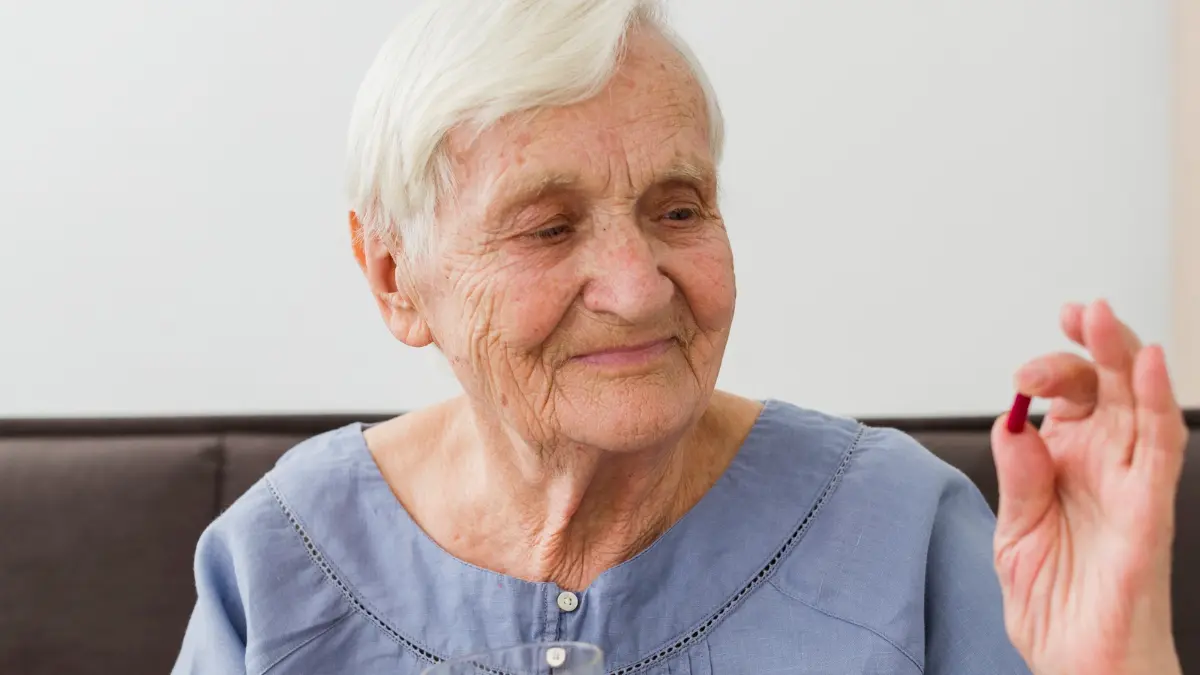
You feel the dry, chalky weight of the tablet on your tongue as you swallow. This routine has protected your thinning bones for years. But as the glass hits the counter, a cold thought settles in your chest. Is this mineral actually reaching your skeleton? Or is it simply hardening inside your veins?
A landmark meta-analysis involving over 12,000 participants revealed a startling trend. Calcium supplementation without co-factors was associated with a 30% increase in the risk of myocardial infarction.
If you already take calcium, and most women over 50 do, pause for a moment. This isn’t about blame. It’s about finishing what you started. Those tablets aren’t wrong. They are just incomplete. Your body knows the difference. Now you will too.
The “Calcium Paradox”: Why Calcium Without K2 After 50 Is the Danger Zone
The “Calcium Paradox” describes a biological glitch. The body develops a deficiency in the bones while accumulating an excess in the arteries. This happens because calcium is like a delivery truck with no driver. Without the right signals, it circulates aimlessly. It “parks” in the easiest spot available: your soft tissues and heart valves.

Many people ask if they should stop taking calcium altogether. The answer is no. Never stop a supplement protocol without talking to your doctor. The goal isn’t to quit. You want to complete the system so the mineral functions as intended.
Vera used to check her pulse after taking her “bone pills.” She felt a phantom tightness in her chest. She worried her habit of self-care was secretly aging her heart. This anxiety is common. After 50, your body’s ability to manage minerals shifts significantly. Slower metabolism and declining K2 production mean your “delivery trucks” are more likely to get lost.
Every situation responds differently. Use this as a starting point, not a prescription.
Vitamin K2: Why Calcium Without K2 After 50 Needs a Biological GPS
While calcium is the building block of your skeleton, Vitamin K2 acts as the traffic controller. Without it, calcium is mail with no address. It circulates forever.
This is why the “soft” Vitamin K1 you get from spinach doesn’t help your heart like “hard” Vitamin K2 does. K1 handles blood clotting. K2 roams the body to protect your cardiovascular system.
Mechanism 1: Osteocalcin Activation
K2 activates Osteocalcin, often called “bone glue.” This protein binds calcium to the bone matrix. Your skeleton stays dense and strong. Without this activation, the calcium you swallow just bounces off your bones. It remains in your bloodstream.
Mechanism 2: Matrix Gla Protein (MGP) Inhibition
Activated MGP acts as a “No Parking” sign for calcium on your arterial walls. This is vital for those over 50. It prevents minerals from crystallizing in your blood vessels. It keeps your arteries flexible and clear. They should not harden like old PVC pipes.
Mechanism 3: Vitamin D Synergism
Vitamin D is the gatekeeper. It lets calcium into your body from your gut. But once the gates are open, you need K2 to tell that calcium where to go. Taking Vitamin D to absorb calcium without K2 to direct it is like opening the floodgates without building a canal.
K1 vs. K2: Understanding the Difference
Does K2 remove calcium from arteries? K2 doesn’t “scrub” arteries clean. It prevents new calcium from parking there. Think of it as closing the door, not mopping the floor. Ensuring new minerals go to the skeleton stops the progression of vascular hardening.
Vera began looking for Gouda at the deli. She learned it was a natural source of K2. She felt a shift from “restriction” to “targeted fuel.” She no longer feared her food. She was finally giving her body the instructions it had been missing.
Signs of “Misplaced” Calcium: Arteries vs. Bones
The danger of vascular calcification is its silence. You cannot feel your arteries hardening. This is why many people over 50 are blindsided by heart issues despite having “strong” bones.
What are the early signs of calcification? Most people have no outward symptoms. That is why it is dangerous. Some people notice shortness of breath during routine activities.

Others feel a strange tightness in the chest when walking up stairs. These are not just signs of “getting older.” They are signals that your circulatory system is losing its elasticity.
Grant focused on “high-dose” calcium for years. He trusted the label on the bottle. He assumed more was always better for his skeleton. His latest cardiovascular screening results surprised him. The calcium was not wrong, but it had nowhere else to go. His body was storing the mineral in his vessel walls instead of his hips.
How to Check Your Mineral Health
- Ask for a CAC Score: The Coronary Calcium Score is a specialized CT scan. It measures calcified plaque in heart arteries.
- Monitor Symptoms: Note any chest pressure or unusual fatigue during exercise.
- Test Vitamin D: Ensure your “gatekeeper” levels are optimal.
- Track Your Height: Significant loss of height can indicate the “Calcium Paradox” is affecting your spine.
Every situation responds differently. Use this as a starting point, not a prescription.
If you are concerned, ask your doctor about a CAC score. It is the gold standard for seeing the “unseen.” It provides a numerical value for how much calcium has “parked” in your heart’s plumbing.
The Common Mistake: Relying on Synthetic Carbonate
If you take the big white chalky tablets from the drugstore, you are not wrong. You are just working with old information. This is the part most guides skip: most generic supplements use calcium carbonate. This is essentially ground-up limestone.
Calcium carbonate is cheap to produce. It is also the hardest for your body to break down. Absorption declines with age because stomach acid levels drop. Without enough acid, that “limestone” tablet sits in your gut. This leads to bloating rather than stronger bones.
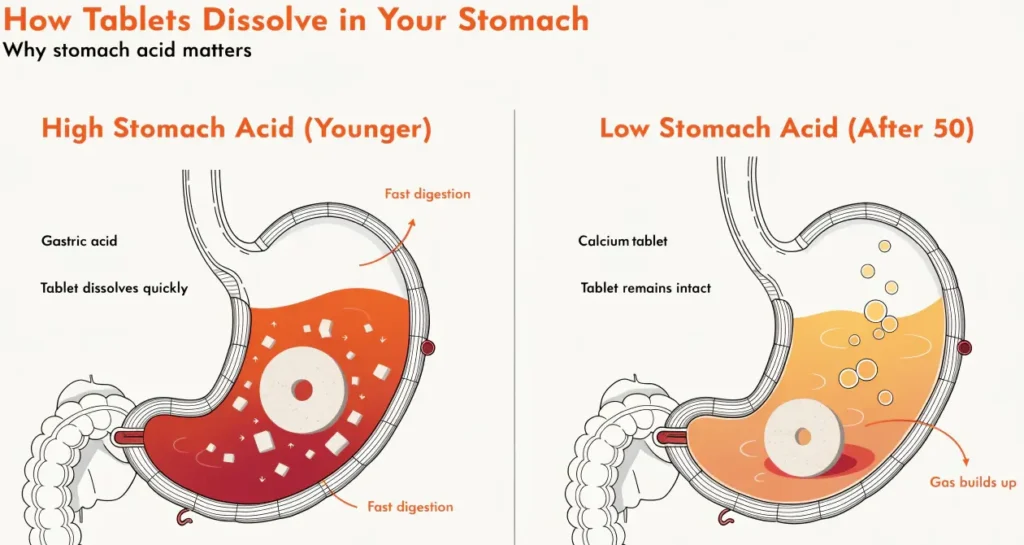
Switching to calcium citrate is often a better move for those over 50. It is a more bioavailable form. It does not require high stomach acid to work. It is easier on the digestive system. It enters the bloodstream more efficiently.
High-dose carbonate can “flood” the system. This creates a spike of calcium in the blood. If Vitamin K2 isn’t there to act as the foreman, that spike has nowhere to go. It settles in the walls of your arteries. Your bones aren’t hungry for calcium; they’re hungry for the directions to find it.
The Bone-Heart Protocol: Tiered Action Plan
This isn’t about undoing the past. It’s about giving your future a better address for every calcium molecule you take.
Tier 0: Food and Movement First

Your body processes nutrients best in their natural packaging. Start here. No cost. No prescription.
Natto: Aim for a 3-tablespoon serving of natto several times a week. This fermented soybean dish is the richest source of the MK-7 form of K2. Small servings deliver significant mineral guidance.
Hard Cheeses: Include 30g of Gouda or Edam daily. That’s roughly one matchbox-sized slice. Specific bacterial strains used in fermentation create the K2 your arteries need.
Animal Fats: One egg yolk daily or a teaspoon of grass-fed butter with meals adds meaningful K2. These animals convert grass into the nutrient directly. Frozen and canned options work just as well as fresh.
Weight-bearing movement is free. Walk briskly for twenty minutes daily. Mechanical stress signals your cells that the skeleton needs reinforcing, directing calcium into bone rather than vessel walls.
Track these two metrics at no cost. Note any new chest tightness or shortness of breath during routine activity. Check your height at your annual physical. Even half an inch of loss matters.
Tier 1: Strategic Supplementation
If food isn’t enough, look for the MK-7 form of Vitamin K2. This version stays in your bloodstream longer. It provides consistent protection throughout the day.
Always take K2 with Vitamin D and calcium during a meal with healthy fats. These are fat-soluble nutrients. They need a vehicle to enter your system properly.
Tier 2: Professional Assessment
This step is optional but worth pursuing when resources allow. A Coronary Calcium Score (CAC) test gives a baseline of your arterial health. Discuss it with your healthcare provider to determine if your current protocol needs adjustment.
Grant switched to a food-first K2 approach under his doctor’s guidance. He gradually noticed his energy levels remained steady. His follow-up eventually showed encouraging stabilization. He hadn’t just added a pill. He finally gave his minerals somewhere to go.
Advanced Tips for Smarter Mineral Absorption
Your calcium protocol is only as smart as the timing around it. Fat needs fat to absorb fat. Since Vitamin K2 and Vitamin D are fat-soluble, they require a vehicle to enter your system. Taking these on an empty stomach or with a glass of water often means they pass through your body without being absorbed.
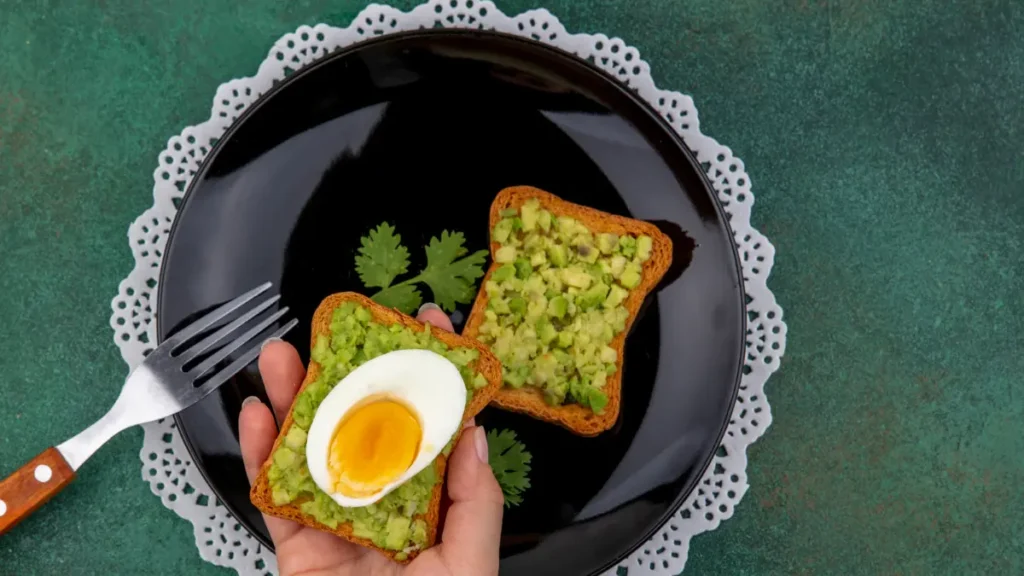
Pairing your protocol with a meal that includes healthy fats like avocado, olive oil, or fatty fish ensures these nutrients actually enter your bloodstream.
Magnesium is often the missing piece. It converts Vitamin D into its active form and helps regulate calcium levels in your cells. Without adequate magnesium, calcium can become sticky and more likely to deposit in soft tissues. You can find magnesium in pumpkin seeds, almonds, and dark leafy greens. If you’re considering magnesium supplementation, discuss it with your healthcare provider first, especially if you take any medications.
Timing matters more than most people think. Calcium is best utilized by your bones at night but can interfere with some medications if taken simultaneously. K2-rich foods at breakfast or lunch provide arterial protection throughout the day. Saving magnesium-rich foods for dinner supports muscle relaxation and skeletal repair overnight.
Your Questions Answered
Does K2 reverse arterial calcification?
K2 can help slow and in some cases reduce arterial calcium deposits by activating a protein called Matrix Gla Protein (MGP), which actively inhibits calcium from settling in artery walls. It’s not an overnight fix, but consistent K2 intake is associated with lower arterial stiffness over time. Think of it less as a reversal and more as giving your body the tools to redirect traffic.
Do I need K2 with calcium?
Not mandatory. But strongly worth considering after 50. Calcium alone does its job of raising blood calcium levels. The problem is without K2, your body has no reliable system for directing that calcium into bone tissue. K2 activates the proteins that do exactly that.
Taking calcium without K2 after 50 is like hiring a builder with no blueprint . The materials arrive, but nothing gets placed where it belongs.
Can I get enough K2 from food alone?
Possibly. But it depends heavily on what you eat. Natto (fermented soy) is the richest source by far. Hard cheeses, egg yolks, and grass-fed butter contain meaningful amounts.
If those foods aren’t regular parts of your diet, a supplement with the MK-7 form of K2 is worth discussing with your doctor. Most Western diets fall significantly short of optimal K2 levels.
Conclusion
Understanding why calcium without K2 after 50 is risky changes everything. You now know that bones and heart health are two sides of the same coin. They are linked by a single “GPS” molecule.
Your Bone-Heart Checklist:
- Prioritize K2-rich foods like Gouda or Natto.
- Switch to calcium citrate if using supplements.
- Ask your healthcare provider about adding an MK-7 K2 supplement to your daily routine.
- Walk daily to signal calcium to enter the bones.
Vera now walks with a lighter step. She no longer views her supplements as a “necessary evil.” They’re a guided system now. Every morning, when she takes that tablet, she knows exactly where it’s going. You can have that same confidence starting tomorrow.
⚠️MEDICAL DISCLAIMER :
This content is for informational and educational purposes only and does not constitute medical advice, diagnosis, or treatment. This information is specifically relevant to individuals considering calcium and Vitamin K2 supplementation for bone and cardiovascular health.
Before making changes to your diet, exercise routine, or supplement regimen, consult a qualified healthcare provider. They can evaluate your individual health status and medications (especially blood thinners like Warfarin). If you experience sudden chest pain, shortness of breath, or palpitations, seek emergency medical care immediately.