

Imagine the room starts spinning every time you look up to reach a shelf. This silent thief steals your freedom. It isn’t just the fall that hurts. It is the fear of falling that keeps you stuck in your chair. Many people think dizziness after 60 is just a tax you pay for getting older.
That is one of the biggest aging myths. Dizziness is a signal, not a normal part of life. In this guide, you will learn why your brain’s GPS gets confused. We will look at the difference between vertigo and being lightheaded. You will also see the best ways to improve your vestibular health using 2026 tools.
Why Your Body’s GPS Is Acting Up?
Your balance is like a three legged stool. To stay steady, your brain needs three things to work together:
- Your eyes: They tell you where you are in a room.
- Your inner ear: This is your internal leveler.
- Your muscles and joints: They tell your brain what your feet are doing.
When you have balance disorders in seniors, one of the legs is usually weak. For example, if you have cataracts, your eyes can’t help your ears as much. By age 70, you lose about 40% of the tiny hair cells in your inner ear. These cells send balance signals to your brain.
But there is good news. Your brain can learn new tricks. This is called neuroplasticity. Even if your inner ear changes, your brain can learn to use your eyes and muscles better to keep you upright. This process is called sensory integration. It helps you stay steady even as you age.
Deep Dive: Your Body’s Stability Systems
Average reduction in vestibular (inner ear) hair cells by age 70, affecting the clarity of balance signals.
| Vision | Maps your position relative to objects. |
| Vestibular | Detects gravity and head rotation. |
| Proprioception | Senses pressure and limb position. |
3 Fixes for Dizziness You Can Use Today
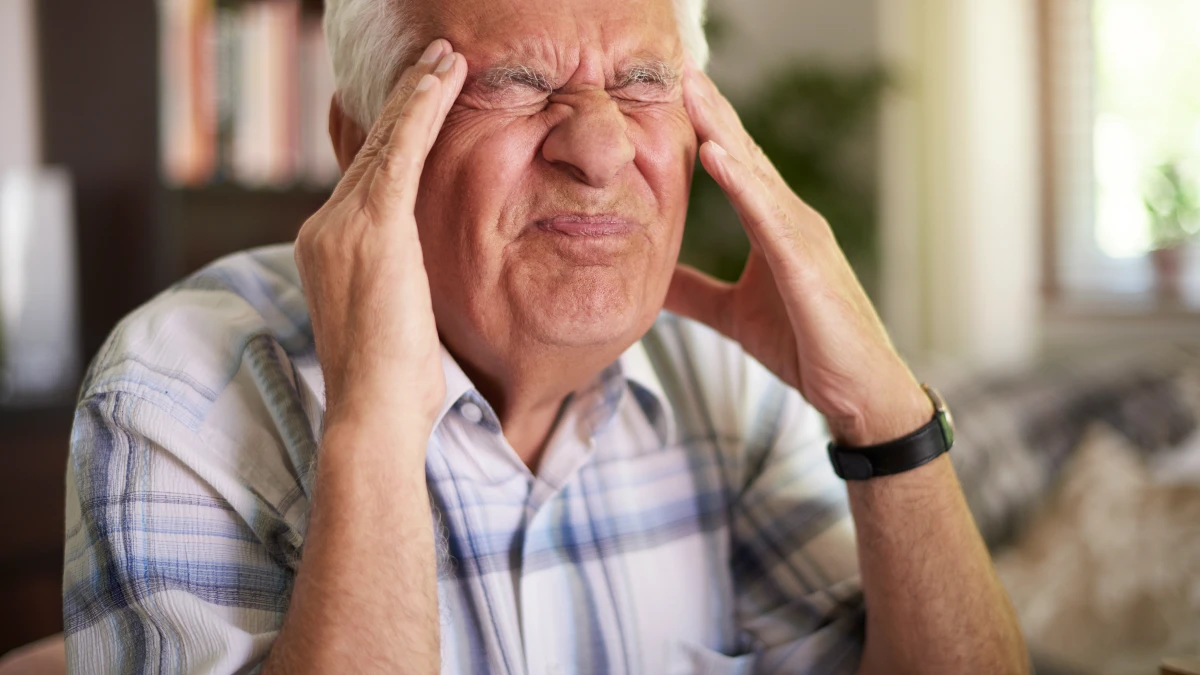
Most people feel dizzy for one of three reasons. These are things you can often fix.
- Loose Ear Crystals BPPV: This is the most common cause. Tiny stones in your ear fall out of place. When you move your head, they roll around and make you feel like you are on a merry go round. A doctor can perform the Epley Maneuver. It is a simple way to move the stones back. It is like a mechanical fix for a mechanical problem.
- Blood Pressure Lags: Do you feel woozy when you stand up fast? This is a blood pressure drop. As you get older, your heart might take 20 seconds to catch up when you change positions. Move slowly to give your blood time to reach your head.
- Too Many Pills: Are you taking five or more medications? This makes your risk of falling go up by 200%. Many drugs have medication side effects that cause a fuzzy head. Ask your doctor to check your list.
Use 2026 Tech to Stop the Spin
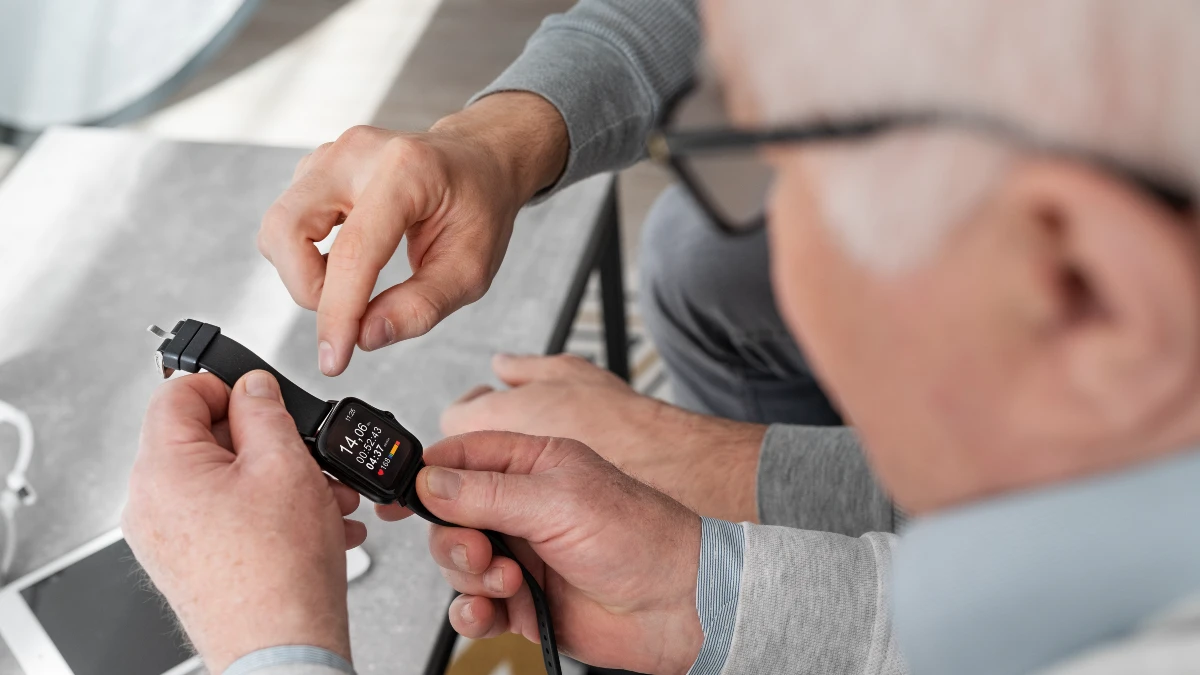
You have more help now than ever before. In 2026, we have tools that make fall prevention exercises easier.
- Wearable Health Tech: Many smartwatches now track your gait or how you walk. They can tell you if your balance is getting worse before you even notice it.
- Tai Chi for Balance: This is a slow, gentle exercise. It builds leg strength and focus. It is one of the best ways to prevent a fall.
- VRT (Vestibular Rehabilitation Therapy): This is a special type of physical therapy. It uses simple head and eye movements to retrain your brain. It helps you feel steady when you walk on uneven ground.
When to Call 911 Immediately?

Sometimes dizziness is a red flag for something serious. You must know when to get help fast. Use the FAST test to check for a stroke:
- Face: Is one side drooping?
- Arms: Can you lift both arms?
- Speech: Is your talking slurred?
- Time: Call emergency services right away.
Other warning signs include sudden hearing loss or drop attacks, where your legs just give out. One in four falls results in a serious injury. Taking action early is the best way to stay independent.
Why Your Kitchen Habits Affect Your Balance?

Many people over 60 lose their natural sense of thirst. You might go all day without feeling like you need a drink. This leads to mild dehydration. When you don’t have enough water in your system, your blood volume drops. This makes your head feel fuzzy or light.
Another hidden cause is your diet. A lack of Vitamin B12 is very common as we age. This vitamin protects your nerves. If your nerves aren’t healthy, they can’t send fast signals from your feet to your brain. This makes you feel wobbly on uneven ground. Try to drink a glass of water with every meal.
Make Your Home a No-Fall Zone
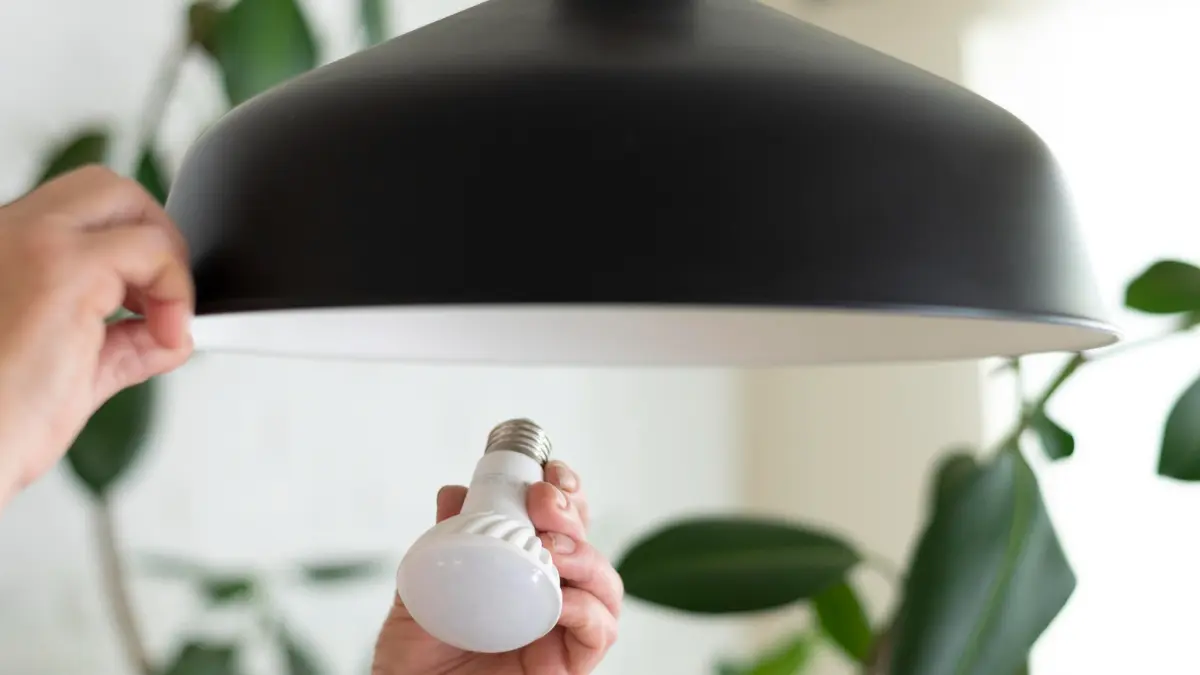
Most falls happen in the places we know best. Your home should be your safe zone, not a place full of traps. In 2026, we have great tools to help. Use smart motion sensor lights in your hallways and bathrooms. This way, you never have to fumble for a switch in the dark.
Get rid of trip wires, like loose rugs or messy power cords. If you love your rugs, use double sided tape to keep the edges flat. Add grab bars to your shower and near the toilet. Don’t think of these as medical equipment. Think of them as tools for independence. A home safety check is the fastest way to feel more confident when you walk from room to room.
Stop the Cycle of Anxiety and Dizziness
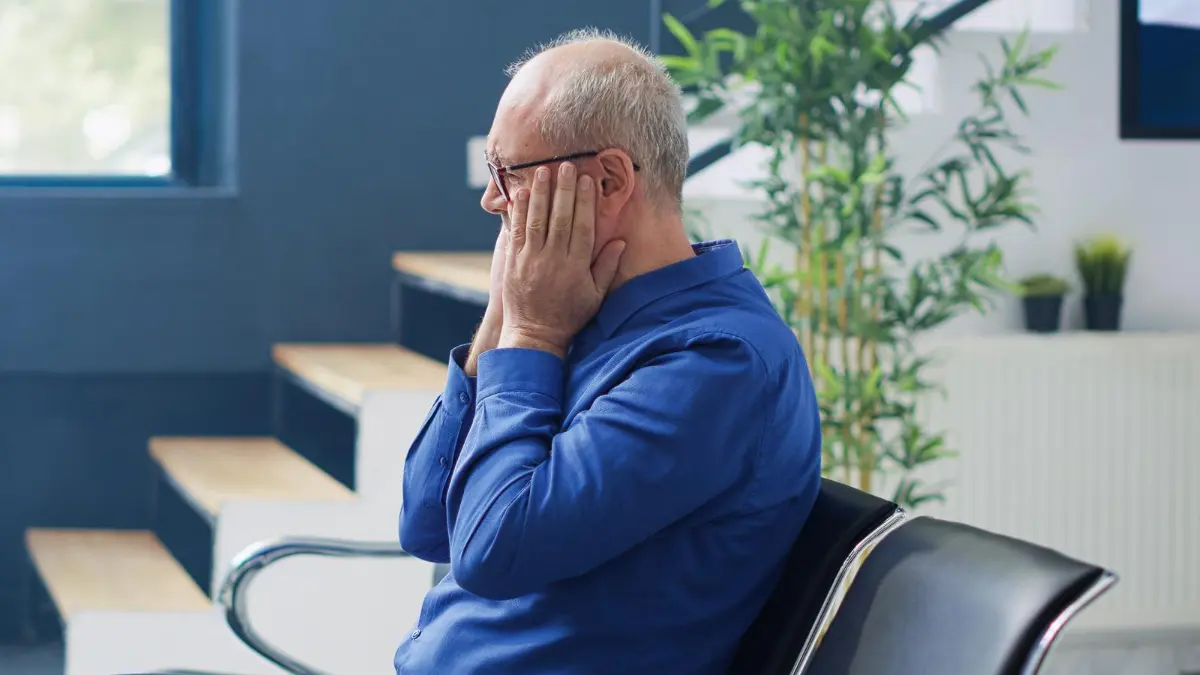
Fear can actually make you feel dizzy. If you have had a near miss or a small stumble, you might start to worry. This worry makes your body tense. You might start taking short, shallow breaths. This can make you feel faint or off.
This creates a cycle. You feel scared, so you move less. Because you move less, your muscles get weak. Weak muscles make you more likely to lose your balance. You can break this cycle. Gentle movement, like walking or yoga, helps calm your nervous system. It also keeps your legs strong.
Conclusion
Dizziness is a message from your body. It is telling you that something needs a tune-up. It is not your final destination. You can find your center again. Take a list of all your vitamins and pills to your next doctor’s visit. Ask them: Could these be making me dizzy?