

You reach for your toes as you have for years. But now, your muscles feel like stiff leather. They don’t feel like rubber bands anymore. This isn’t just because you are old. Your body is changing deep inside. Your connective tissue now handles tension differently. You can’t just stretch the same way you did at 30.
In this guide, you will learn how your body changes after 50. You will see how collagen loss in tendons makes you stiff. We will look at your body’s security guard sensors. Most importantly, you will learn how to fix stretching after 50. You will get your muscle stiffness under control. You will learn to work with your connective tissue, not against it.
How to Fix the Hardening of Your Tissues?
Your body stays flexible because of collagen and elastin. Think of these as tiny springs. After middle age, your collagen production drops. It goes down by about 1% to 1.5% every year. That adds up fast. Your tendons also start to cross link. This means the fibers stick together in ways they shouldn’t.
This makes your tissues brittle. You also lose synovial fluid. This is the oil that keeps your joints moving smoothly. Without it, things feel crunchy. Collagen loss in tendons is real. It reduces your tissue elasticity. But knowing this helps you choose the right movements to stay loose. You need to focus on quality movement to stop the stiffening.
Anti-Stiffness Strategy: Beyond the Surface
In synovial fluid efficiency when maintaining optimal systemic hydration levels.
The time it takes for collagen fibers to begin “sticking” in a sedentary position.
“Motion is lotion. You don’t stop moving because you grow old; you grow old because you stop moving. Quality movement reorganizes the collagen matrix.”
— Clinical Physical Therapy ConsensusThe 3-Pillar Tissue Recovery Plan
| Intervention | Target Area | Biological Effect |
|---|---|---|
| Dynamic Loading | Tendons & Ligaments | Breaks unhealthy collagen cross-links |
| Eccentric Movement | Muscle-Tendon Junction | Stimulates new elastin production |
| Hydration + Omega-3s | Synovial Joints | Reduces ‘crunchy’ joint friction |
Why Your Body’s Security Guard Stops Your Progress?
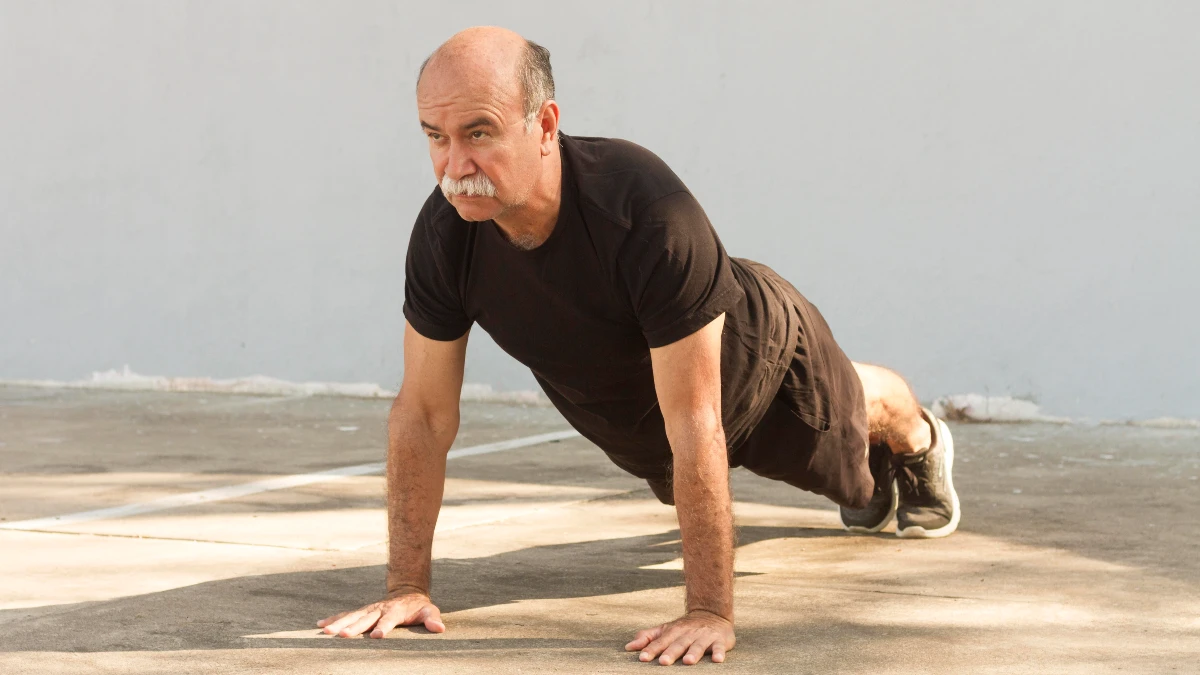
Inside your tendons, you have a sensor. It is called the Golgi Tendon Organ, or GTO. Think of it as a security guard. Its job is to stop you from tearing a muscle. As you hit your 50s, this guard gets very nervous. It becomes hypersensitive. When you stretch, the GTO panics. It sends a signal to your brain to tighten the muscle immediately.
This is the stretch reflex. It feels like you hit a wall. Scientists call this Golgi Tendon Organ sensitivity. It is a neuromuscular response that tries to protect you. But often, it just keeps you stiff. You have to learn how to calm this guard down so you can move again.
How to Solve the Dry Muscle Problem?

You might have heard of sarcopenia. This is just a word for muscle mass loss. As you lose muscle, your body fills that space with fat and stiff fibers. These fibers do not stretch well. Imagine a brand new kitchen sponge. It is soft and holds water. That is a young muscle.
Now imagine a dry, old loofah. It is stiff and scratchy. That is what happens when muscles lose hydration. Your tissues hold less water as you age. This makes them less pliable. If you want to move better, you have to focus on getting that sponge wet again. Proper water intake and specific movements are the only way.
The 3-Step Mobility Plan for 2026
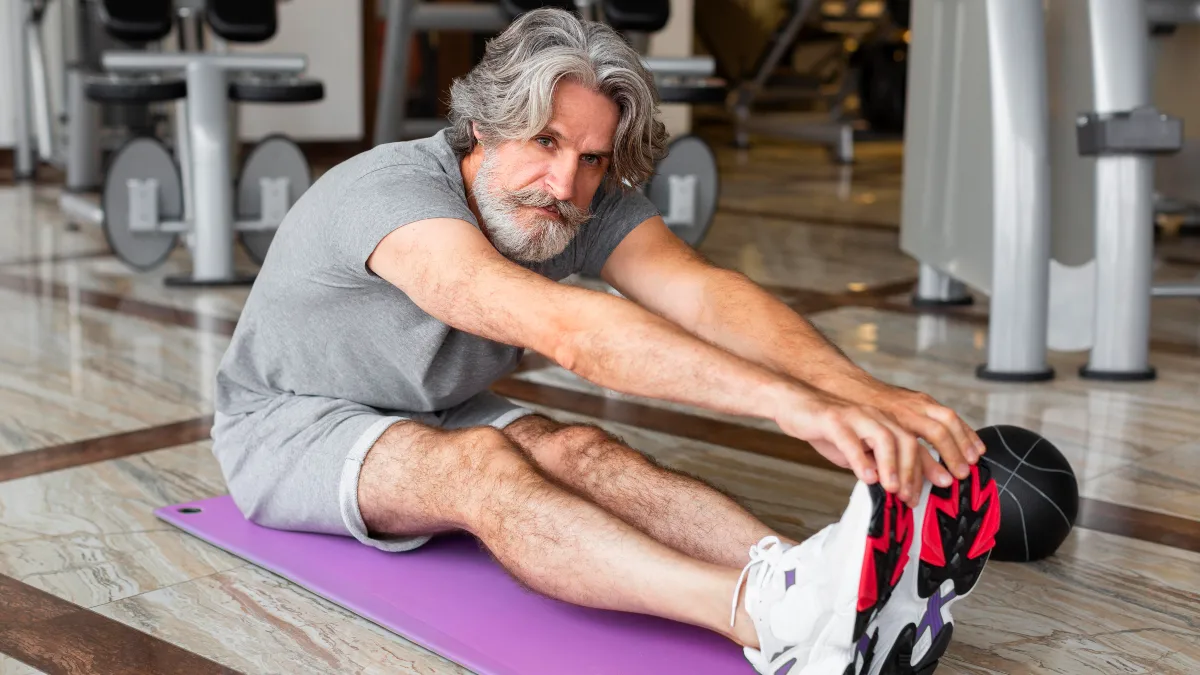
You cannot use old methods anymore. Holding a stretch for 15 seconds will not work. Your GTO security guard will not relax that fast. You need to hold static stretching for at least 60 seconds. This tells your brain that you are safe.
You also need dynamic stretching before you exercise. This moves your joints through their full range. Try eccentric loading, too. This means strengthening a muscle while it is getting longer. It is a great way to build mobility for seniors.
Your Action Plan:
- Warm up with motion. Do arm circles or leg swings for 2 minutes.
- Use long holds. Hold your main stretches for one full minute to relax the GTO.
- Build slow strength. Move slowly during the down part of a squat or push up.
These steps help you manage stretching after 50 without getting hurt.
How to Get More Blood to Your Stiff Muscles?

As you age, your blood vessels change. They do not carry oxygen to your tendons as well as they used to. This makes your tissues heal more slowly. It also makes them feel tight and cold. You need to prime the pump before you try to get deep into a stretch.
Walking for five minutes helps. It gets the blood moving to the parts of your body that feel like wood. Good blood flow makes your muscles act more like rubber. It helps your connective tissue stay healthy and warm.
The Truth About the Spiderweb Inside You
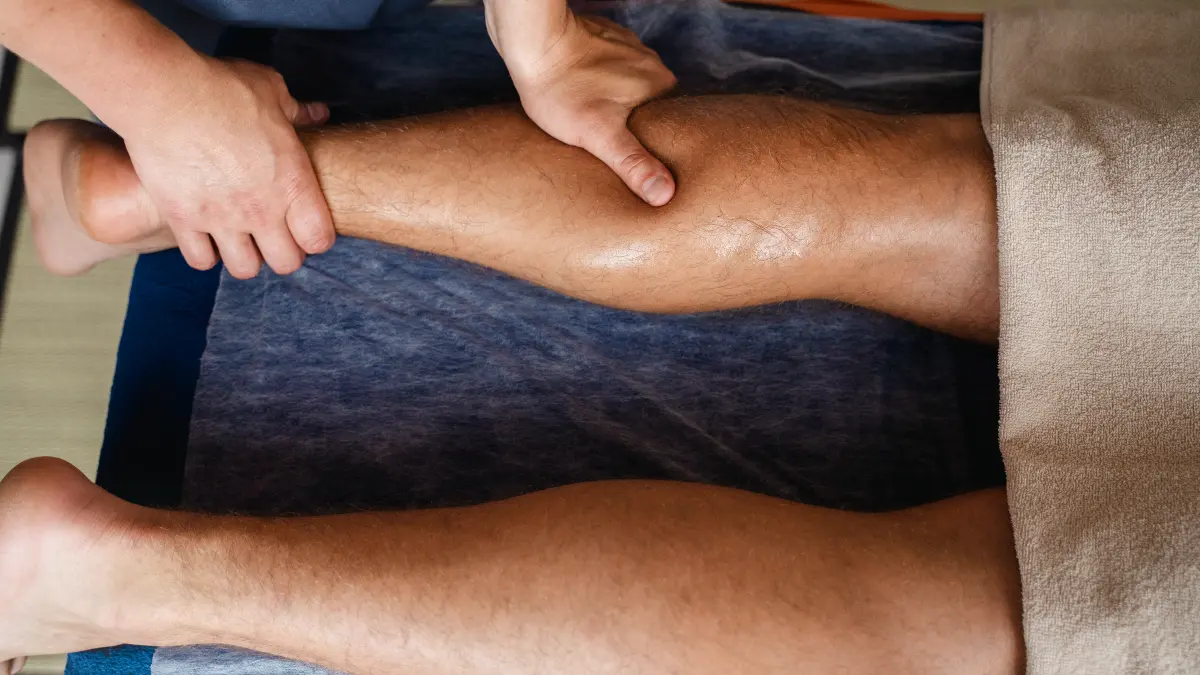
There is a thin layer of tissue called fascia. It wraps around every muscle like a thin spiderweb. Over time, this web can get sticky or tangled. This is why you feel so stiff when you first wake up. If the web is tight, the muscle underneath cannot move.
You can use a foam roller to smooth out the web. This is a simple mobility for seniors trick. It breaks up the sticky spots. When your fascia is smooth, your muscle stiffness goes away much faster.
Why 10 Minutes a Day Beats a Long Weekend Workout?

Your brain controls how tight your muscles stay. If you only stretch once a week, your brain forgets the lesson. It goes back to the stiff setting very quickly. You need to remind your nervous system to relax every single day. Short, daily sessions work better than one long workout on Sunday.
It builds a permanent habit for your brain and your body. Think of it like brushing your teeth. You do it daily to keep things clean. You should stretch daily to keep things moving. This is the secret to long term flexibility.
Conclusion
You are not broken. Your body has just changed its chemistry. You can still be flexible and active. You just need to change your plan. Stop fighting your body and start working with your new biology. Use long holds and keep your muscles hydrated.
This is the key to long term flexibility. Stretching after 50 is different, but it is very possible. If you want to start today, download our 5 Minute Morning Mobility checklist. You can also talk to a physical therapist to see how you move.