

Why are 60 year olds suddenly outperforming 40 year olds on local trails? It isn’t luck or better gear. It’s a shift in how they train. For years, we were told that 10,000 steps was the magic number for health. But that goal is outdated. Strolling around the block doesn’t build the intensity needed to stop muscle loss or improve your heart’s pumping power.
Now, a new duo is changing the game: Japanese Walking and NEUBIE Retraining. One fixes your engine, and the other fixes your wiring. This guide explains how Interval Walking Training IWT and neuromuscular re education work together to give you back your movement efficiency. You will learn how to spend less time exercising while getting better results for your joints and heart.
The Science of Japanese Walking IWT
In the early 2000s, People walking 10,000 steps a day weren’t actually getting much fitter. To fix this, he created Interval Walking Training IWT. Instead of a long, slow walk, you switch between two speeds. You walk fast for three minutes, then slow for three minutes. You repeat this cycle five times.
This 3 minute switch is the secret. During the fast intervals, you aim for about 70% of your maximum effort. This means you should feel a bit breathless and find it hard to hold a full conversation. This level of effort is the sweet spot for mitochondrial health. It forces your cells to become more efficient at using energy.
The data backs this up. The results were staggering. Participants saw a 17% reduction in lifestyle diseases like type 2 diabetes and high blood pressure. Their leg muscle strength increased by 10%. By focusing on VO2 max, the amount of oxygen your body can use, these walkers essentially turned back their biological clock.
Interval Walking (IWT)
NEUBIE Retraining: Rebooting Your Nervous System
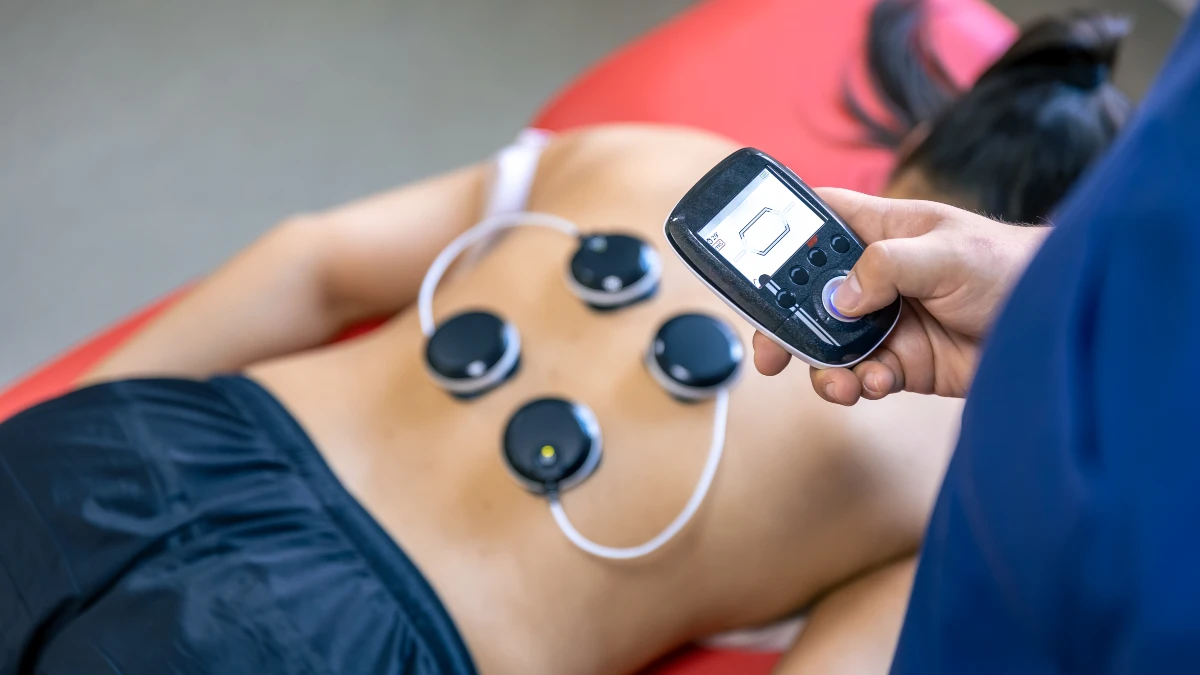
If walking is the activity, your nervous system is the control center. Sometimes, after an injury or years of sitting, your brain forgets how to use certain muscles. This is where NEUBIE Retraining comes in. NEUBIE stands for Neuro Bio Electric Stimulator. It looks like a standard electrical machine, but it works very differently.
Most machines use Alternating Current AC, which can feel like a stinging or grabbing sensation. The NEUBIE uses Direct Current DC. This is much closer to the electrical signals your brain already sends to your muscles. It doesn’t sting. Instead, it helps map out hotspots in your body where the signal is weak or blocked.
This is active movement therapy. You don’t just sit there. You perform exercises while the machine sends signals to the shut down muscles. It helps your body find a neurological bypass around old injury patterns. The results are often instant. About 90% of users report less pain and better movement in their very first session.
Why the Duo Works: The Hardware & Software Approach?
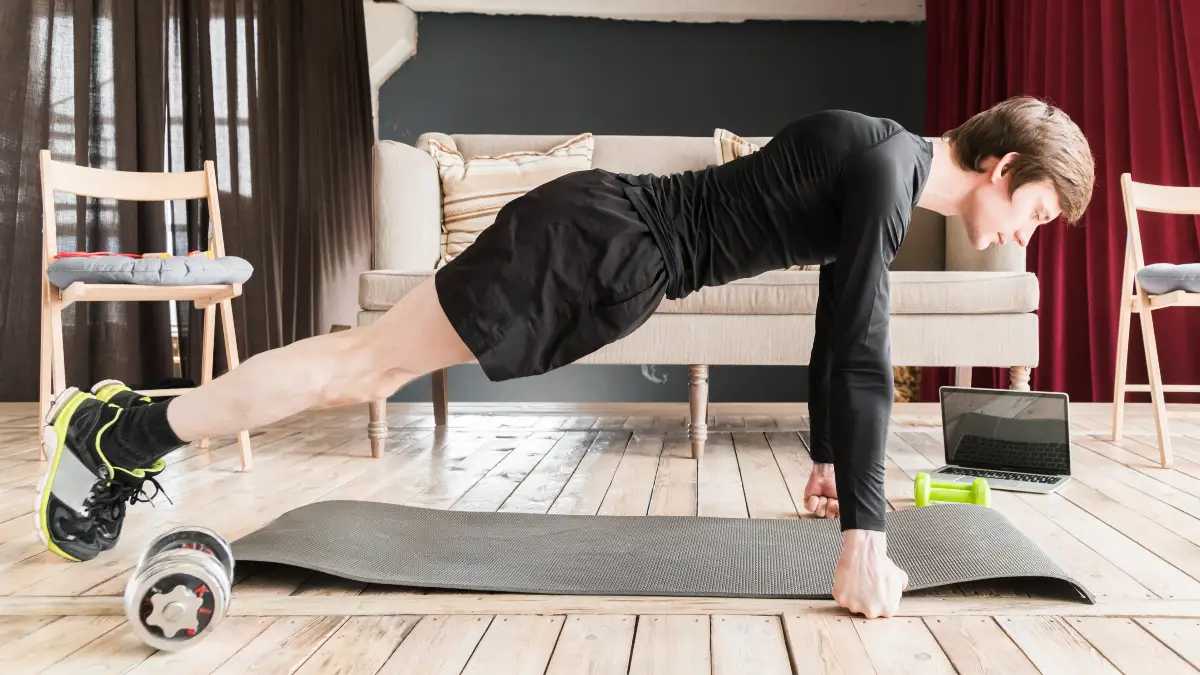
Think of your body like a computer. Your heart, lungs, and muscles are the hardware. Your nervous system is the software. If the software is buggy, the hardware won’t run right. This is why some people still have knee pain even after a successful surgery. Their software is still stuck in a pain loop.
NEUBIE fixes the software. It turns the right muscles back on so you can move without compensation. Once your movement is clean, Japanese Walking builds the hardware. It strengthens your heart and lungs. When you combine them, you get a powerful result.
Take Jim, a 55 year old with chronic knee pain. Normally, a brisk walk would hurt his joints. But after a few NEUBIE sessions to turn on his glutes, his knees have the support they need. Now, he can perform IWT intervals without pain. He is building longevity, fitness, and functional mobility at the same time.
How Do You Start the 3×3 Routine Today?

You do not need a gym membership or a treadmill to start Japanese Walking. You just need a watch and a flat path. Start with a five-minute warm up at your normal pace. Then, push yourself for three minutes of fast walking. You should feel your heart beating faster and find it a bit hard to talk.
After those three minutes, slow down to a very easy stroll for another three minutes. Repeat this cycle five times. This 30 minute block is enough to tell your body it is time to get stronger.
Why This Is Better for Your Knees Than Running?
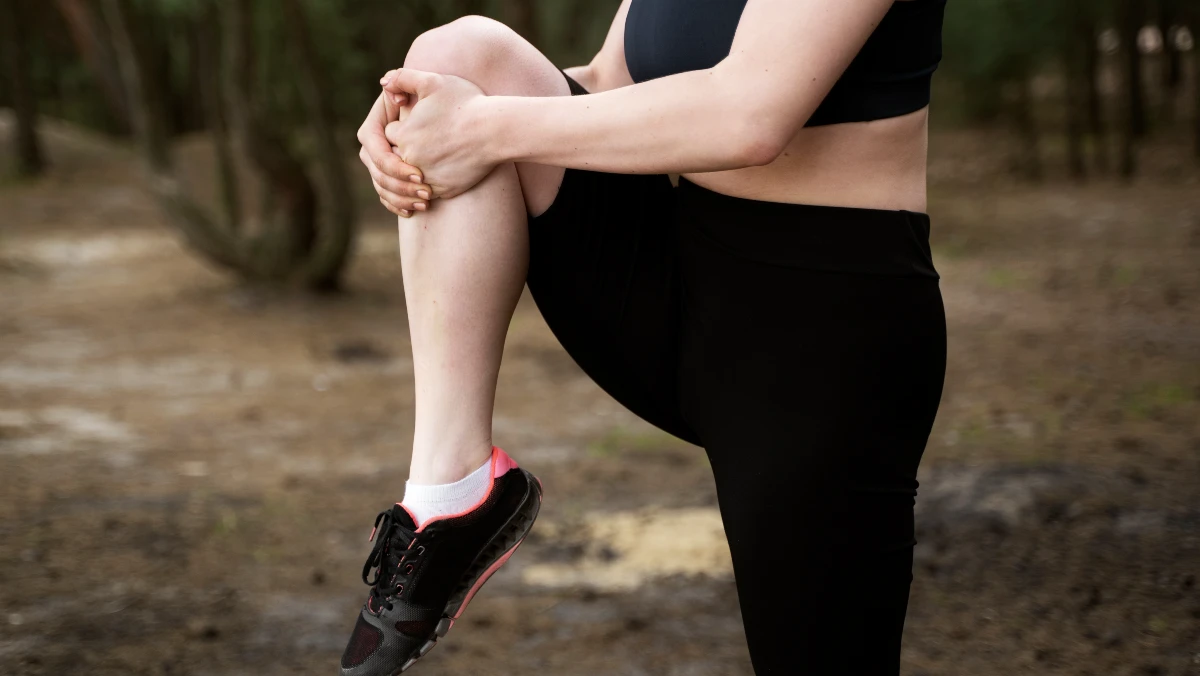
Many people over 50 stop exercising because their joints hurt. Running and high impact HIIT can be rough on your hips and knees. IWT is different. It gives you the heart health benefits of a hard workout without the pounding of a run.
Because you have those three minute slow breaks, your body has time to recover. You get the intensity your heart needs, but your joints stay happy. It is a safer way to build power as you get older.
How Long Before You See Real Results?
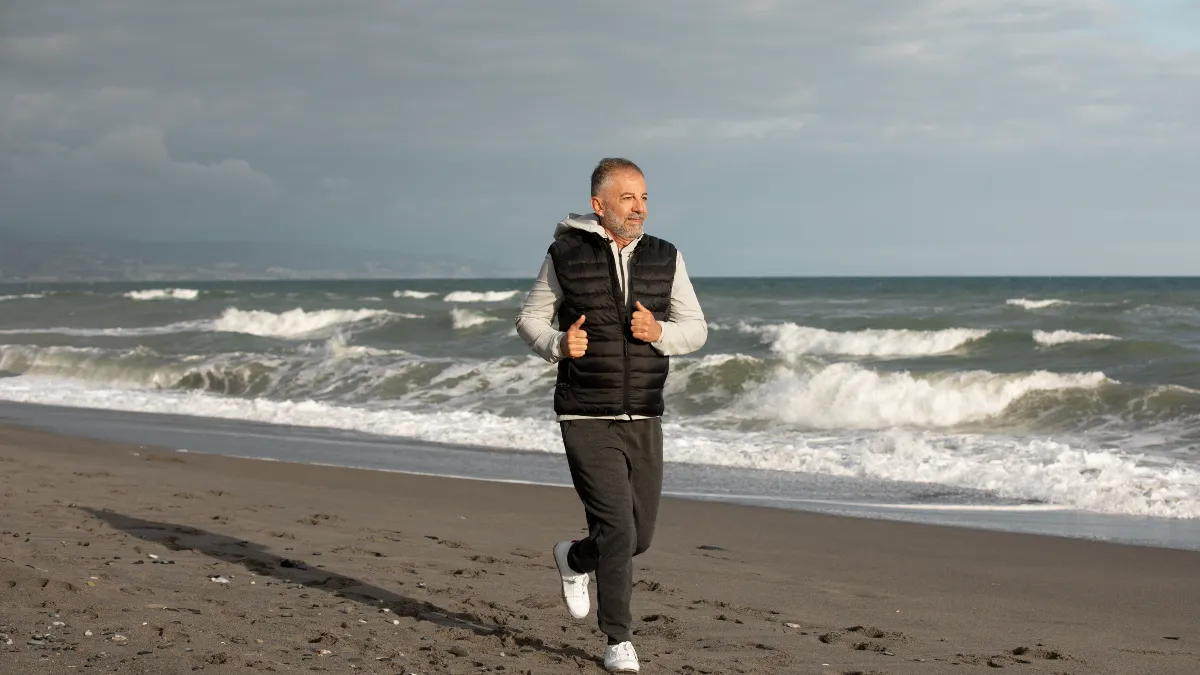
You will not become an athlete overnight. But many people feel a boost in their daily energy after just one week of consistent IWT. With NEUBIE retraining, the wow moment often happens during your very first session because your brain reconnects to your muscles.
For lasting changes in your blood pressure and leg strength, aim for five months of regular practice. It is a slow, steady build that leads to a much stronger version of you.
How Does This Routine Boost Your Mood and Memory?

High intensity intervals are not just for your muscles. They are brain food. When you push your pace during Japanese Walking, your body releases proteins that help grow new brain cells. This can help clear away brain fog and keep your memory sharp as you age.
In fact, some studies show this type of training can cut symptoms of depression by 50%. You are not just building a stronger body; you are building a happier, clearer mind.
Conclusion
Improving your health after 50 isn’t about doing more. It is about doing the right things with more intent. Forget the 10,000-step grind. Focus on the intensity of your intervals and the health of your nervous system. Find a Pro: Look for a certified NeuFit practitioner to see if NEUBIE can help your software.
Set a Timer: Download a simple interval timer app. Walk: Start your first session of Japanese Walking and NEUBIE Retraining principles. Three minutes fast, three minutes slow. Your body still has plenty of “miles” left. You just need to make sure the wiring and the engine are both in top shape.