
You eat the same salad you did ten years ago. You still take your daily walk. But your pants feel tighter every month. Your energy drops by 3 PM. It feels like your body is betraying you. This isn’t just about getting older. It is about a change in how your body handles sugar. This change is called insulin resistance.
As you age, your cells become less responsive to insulin. This makes it harder to burn fat and keep your blood sugar steady. But you can change this. In this guide, you will learn the five reasons your metabolism slows down. More importantly, you will learn a Muscle First plan to fix it.
Why Does My Insulin Sensitivity Drop With Age?
A chemical factory pumping out inflammation (Inflammaging) that blocks insulin.
Loss of muscle “sponges.” With less muscle, sugar has nowhere to go but the blood.
Cellular power plants losing efficiency and burning fuel poorly over time.
Decrease in estrogen and testosterone reduces cellular insulin sensitivity.
Internal “rust” that physically damages cell receptors for insulin entry.
Your body changes in five specific ways that make it harder to process sugar. First, there is visceral fat. This is the deep belly fat around your organs. It is not just extra weight. It acts like a factory that pumps out chemicals. These chemicals cause inflammation. This inflammation blocks your insulin from doing its job. Scientists often call this inflammaging.
Second, you face sarcopenia. This is the natural loss of muscle mass as you get older. Muscle is your body’s main glucose sink. Think of muscle as a sponge that soaks up sugar. When the sponge gets smaller, the sugar has nowhere to go. It stays in your blood. This is why keeping muscle is vital for your metabolic health.
The other three reasons happen at a cellular level. Your mitochondria are the power plants in your cells. As you age, they get tired and burn fuel less efficiently. At the same time, hormones like estrogen and testosterone start to drop. These hormones usually help your cells stay sensitive to insulin. Finally, oxidative stress acts like internal rust. It damages the receptors that let insulin into your cells.
That is about 48.8% of the older population. This proves that the aging process naturally pushes us toward metabolic trouble. But while aging is certain, this decline is not.
3 Ways to Build Glucose Sinks With Muscle
In 2026, the best way to fight insulin resistance is to focus on muscle. You need to build glucose sinks to give sugar a place to go. Resistance training for insulin is now the top recommendation for anyone over 40.
1. Lift Weights: Aim for three sessions a week. You don’t need to be a bodybuilder. Just use enough weight to make the last few reps hard.

2. Focus on the Slow Down: When you lift a weight, lower it slowly. This is called eccentric loading. It creates more muscle protein synthesis. This makes your muscles hungrier for blood sugar for hours after you finish.
3. Mix Your Cardio: You need two types of movement. Use Zone 2 cardio, like a steady walk where you can still talk. This builds better mitochondria. Then, add one day of short, hard bursts of HIIT. This clears out old sugar quickly.
How to Eat for a 2026 Metabolism?
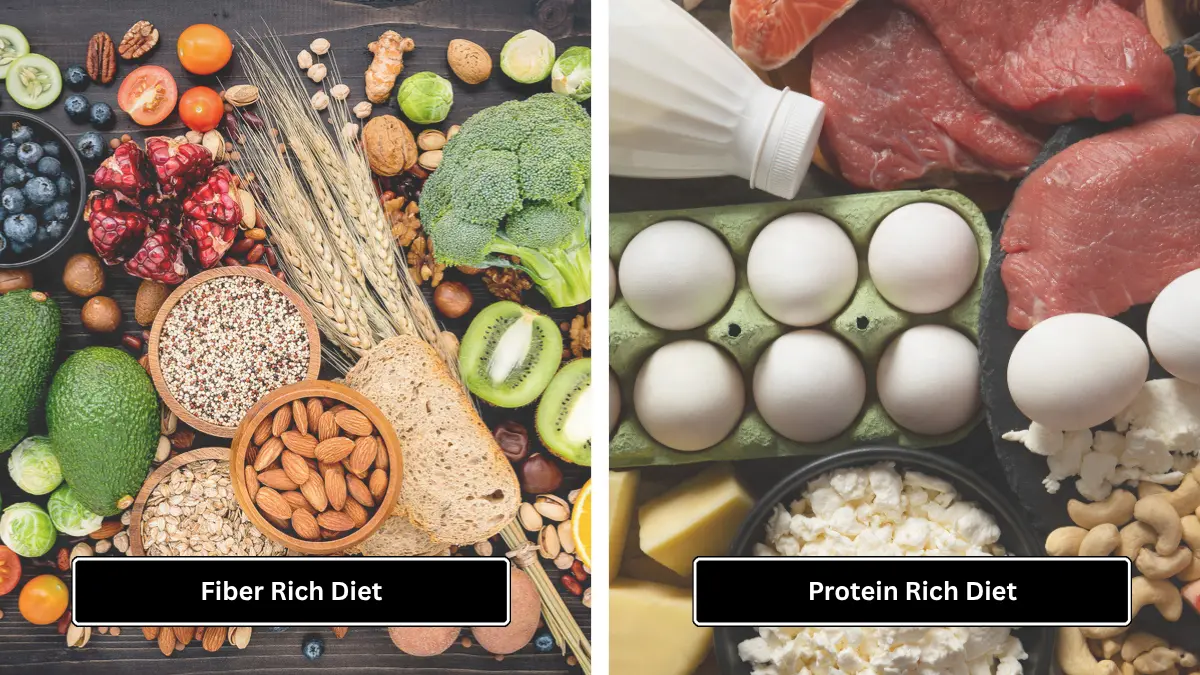
Your diet needs to change as your body ages. You need more protein now than you did at twenty. Aim for 1.2 to 1.6 grams of protein for every kilogram you weigh. This protein protects your muscles from breaking down. If you don’t eat enough, your body steals from your muscles to get what it needs. This makes your insulin resistance worse.
Fiber is your next best friend. Most people only eat 15 grams a day, but you should aim for 35 grams. Think of fiber as a physical shield in your gut. It slows down how fast sugar enters your blood. This prevents the big spikes that wear out your insulin response.
Finally, try Time Restricted Feeding. You don’t have to fast for days. Just try to eat all your food within a 10 or 12 hour window. For example, eat between 8 AM and 6 PM. This gives your body a long break. During these off hours, your cells clean themselves out. This is a process called autophagy. It helps your cells respond better to insulin the next morning.
3 Lifestyle Hacks to Fix Your Insulin Response
What you do outside the gym and kitchen matters just as much. Sleep is a huge factor. If you only sleep four hours for just one night, your body acts like it has pre diabetes the next morning. Your cells literally turn off their insulin receptors. You must aim for seven to nine hours of sleep to keep your metabolism sharp.
Stress is another silent killer of metabolic health. When you are stressed, your body makes a hormone called cortisol. Cortisol tells your liver to dump extra sugar into your blood. It thinks you need energy to fight a lion. But since you are likely just sitting at a desk, that sugar stays in your blood and causes damage.

In 2026, we also have better data on supplements. While food comes first, three options show great promise:
- Magnesium Glycinate: Helps cells use insulin more effectively.
- Inositol: Improves the signal between insulin and your cells.
- Berberine: Helps lower blood sugar in a way similar to some medicines.
Always talk to your doctor before adding these to your routine.
Use Tech to See Your Blood Sugar in Real Time
In the past, only people with diabetes checked their blood sugar. In 2026, almost anyone can use a Continuous Glucose Monitor CGM. This is a small sensor you wear on your arm. It sends your sugar levels to your phone every few minutes. This is helpful because everybody is different.
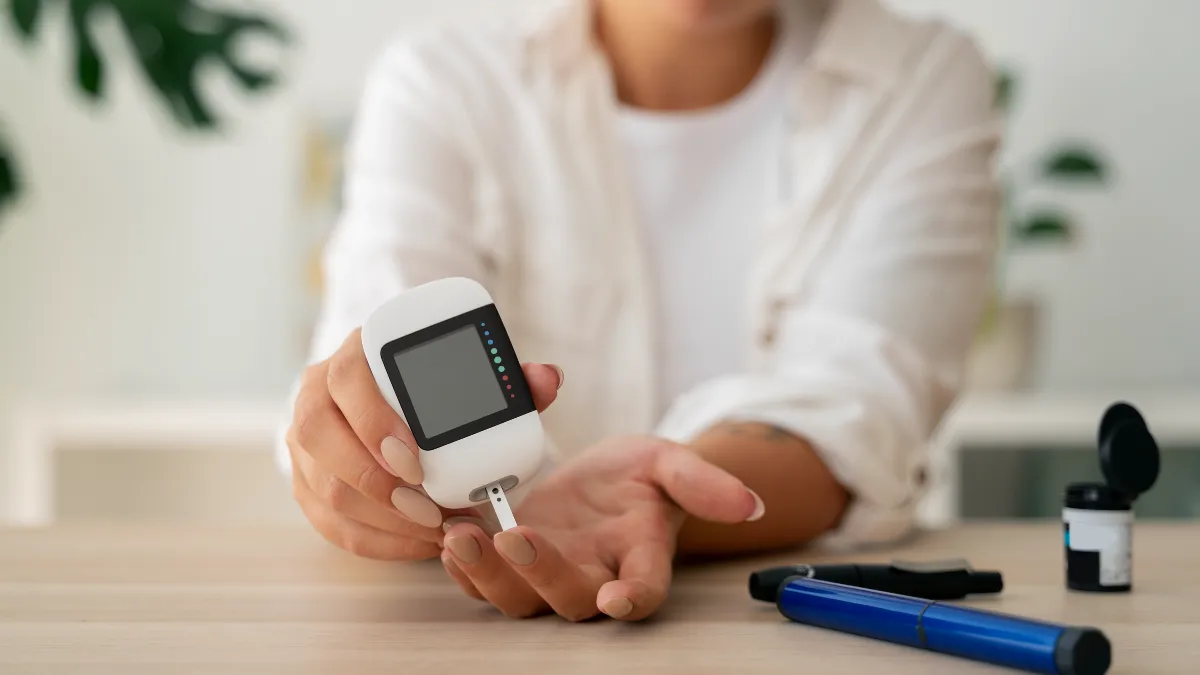
You might find that oatmeal causes a significant sugar spike for you, but your friend remains steady. When you see these spikes in real time, you can make better choices. You can go for a walk right after a meal to bring those numbers down. Seeing the data helps you take the guesswork out of your health.
Fix Your Gut to Fix Your Metabolism
The bacteria in your stomach do more than just digest food. They actually talk to your cells. When you have bad bacteria in your gut, they send signals that cause inflammation. As we learned, inflammation makes insulin resistance worse. To fix this, you need to feed the good bacteria.
Eat fermented foods like Greek yogurt, sauerkraut, or kimchi every day. These foods act like a cleanup crew for your gut. They help your body process sugar better and can even reduce cravings for sweets. A healthy gut makes it much easier to keep your blood sugar in a safe range.

Why Drinking Water Helps Your Insulin Work Better?
Staying hydrated is a simple way to help your insulin. When you are even a little bit dehydrated, your body produces a hormone called vasopressin. This hormone tells your liver to dump more sugar into your blood. Your body thinks it needs to save water, so it increases sugar to keep things moving.

This causes a spike that you don’t want. By drinking enough water, you keep your vasopressin levels low. This helps your kidneys flush out any extra sugar through your urine. Try to drink a glass of water before every meal. It is a free and easy way to keep your metabolism running smoothly.
Conclusion
Aging is a fact of life, but having a broken metabolism is a choice. You can take control by focusing on your muscle mass and lowering your inflammation. Start small. Pick one exercise goal and one nutrition change this week. Over time, these habits will help you improve insulin sensitivity and feel years younger.
⚠️MEDICAL DISCLIAMER
This content is for informational and educational purposes only and does not constitute medical advice, diagnosis, or treatment. Metabolic health is influenced by many factors including genetics, medications, and underlying conditions. Before making changes to your diet or exercise routine, consult a qualified healthcare provider.