
You have had a dull headache for three days. Your shoulders feel like they are permanent earmuffs, pulled tight against your neck. You might not feel worried in your mind. But your body is screaming. Many people look for a medical cause for this pain. They think something is physically wrong. Usually, this is just a somatic symptom of anxiety.
We call this the Mind Body Disconnect. It is easy to miss. You might feel fine at work, yet your back feels like it is made of stone. This happens because your body reacts to stress even if you aren’t thinking about it. You will learn why this happens and how stress hormones mess with your physical health.
Why Your Muscles Won’t Stop Clenching?
fires alarm
Your brain has a small alarm system called the amygdala. When it senses a threat, it sends a signal to your vagus nerve. This nerve runs from your brain down to your gut. It tells your muscles to get ready to fight or run. This is the fight or flight response. In the past, this helped us survive predators. Today, that predator is just a mean email or a traffic jam.
Since you can’t actually fight your boss or run away from traffic, that energy stays stuck. This is called Unresolved Energy. Your body floods with stress hormones like cortisol. These chemicals get trapped in your fascia. Fascia is the thin casing around your muscles. If you don’t move that energy out, your muscles stay tight for hours or even days.
In 2026, experts talk a lot about Interoception. This is how you feel your body from the inside. When you are stressed for a long time, this signal gets noisy. You stop noticing small bits of tension until they become a big problem. This is very common. Your body is not broken. It is just sounding an alarm that your mind has been ignoring.
3 Places Anxiety Hides in Your Body

Anxiety has a map. It usually follows what we call the Anxiety Triangle. This includes your jaw, your shoulders, and your pelvis. You might clench your teeth while you sleep. You might hike your shoulders up to your ears without knowing it. Or you might tighten your lower belly. This chronic tightness is your autonomic nervous system trying to protect you.
There are other signals too. Have you ever felt your hands shake when you aren’t cold. Those are tremors caused by too much adrenaline. You might also feel butterflies in your stomach or find yourself taking very short breaths. This chest breathing keeps your body in a state of panic.
Over time, this muscle tension anxiety causes real pain. The most common result is a tension type headache.It feels like a tight band is wrapped around your skull. This isn’t just a random ache. It is the end result of your muscles being stuck in on mode for too long. Checking these three areas daily can help you catch the stress before it turns into a migraine.
How to Reset Your Nervous System in 5 Minutes?
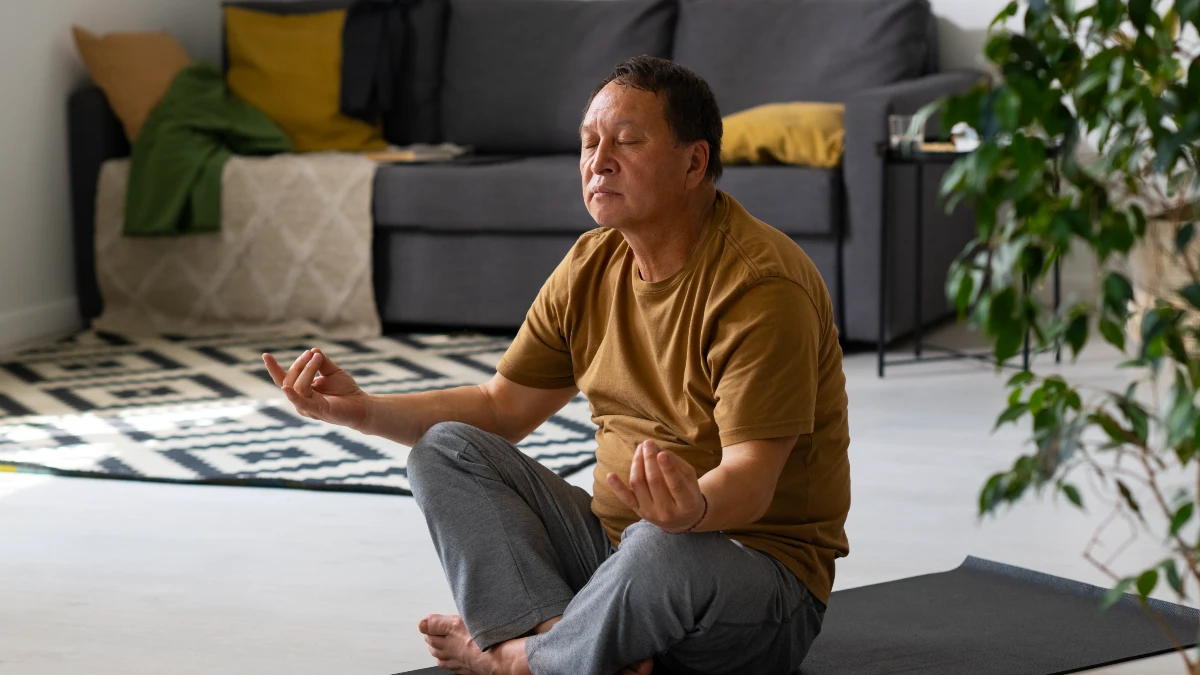
You can’t just tell your brain to stop being anxious. But you can talk to your body. Here are three ways to do that.
- Progressive Muscle Relaxation PMR: This is a Tense to Release tool. Start with your toes. Curl them tight for five seconds. Then, let go suddenly. Feel the weight drop. Move up to your calves, then your thighs, then your stomach. Finish with your face. Squeeze your eyes shut and clench your jaw, then release. This tells your brain exactly what relaxed feels like.
- The 4 7 8 Breath: This breath work calms your vagus nerve fast. Breathe in through your nose for a count of 4. Hold that breath for a count of 7. Then, blow the air out through your mouth for a count of 8. Make a whoosh sound. The long exhale is the secret. It sends a safe signal to your heart and lungs.
- The “Shaking” Method: Animals shake their bodies after a scary event to get rid of stress. You can do the same. Stand up and shake your hands. Shake your arms. Let your legs bounce. Do this for two minutes. It helps your body discharge the leftover cortisol. It is a physical way to tell your body that the threat is over.
Using these tools daily helps prevent somatic symptoms of anxiety from building up. You are teaching your nervous system how to come back to a state of rest.
Use Your Smartwatch to Stop Stress

In 2026, you don’t have to guess if you are stressed. Technology can tell you. New like Flourish or Ash act as a digital body check. You can talk to them, and they use your voice and heart rate to tell you if your body is in high alert mode.
You can also use your wearable tech, like an Apple Watch or an Oura ring. Look for a metric called Heart Rate Variability HRV. This is a great way to track your somatic symptoms. A high HRV usually means you are relaxed. A low HRV means your nervous system is stuck in stress mode.
Instead of waiting for a headache, check your HRV in the morning. If it is low, you know you need to do your breathing exercises or shaking therapy before your work day starts. These tools help you see the invisible stress before it turns into muscle pain. They make it easier to stay ahead of the fight or flight response.
Fix Your Anxiety Posture in 30 Seconds

When you are stressed, you naturally hunch over. You pull your shoulders forward and tuck your chin. Your body does this to protect your heart and throat. It is an old survival instinct. But staying in this crunched shape tells your brain to stay worried. This creates a loop. You feel anxious, so you hunch. You hunch, so you feel even more anxious.
To break this loop, try the Open Heart stretch. Stand up and reach your arms out to the sides like a T. Turn your palms toward the ceiling. Pull your shoulders back and down. This physical shift changes your chemistry. It tells your autonomic nervous system that you are safe and open. Doing this for just 30 seconds every hour can stop chronic tightness from taking over your day.
Why Your Stomach Feels Tied in Knots?

Your gut is often called your second brain. It is full of nerves that talk directly to your head. When your mind is under pressure, your body moves blood away from your stomach and toward your legs. It wants you to be ready to run. This is why you get bloating, sharp pains, or butterflies. You might think you have a food allergy. Really, your gut is just reacting to stress hormones.
Drink a few ounces of warm water or herbal tea very slowly. Focus on the feeling of the warm liquid moving down. This simple act forces you to swallow and breathe deeply. It helps flip the switch in your brain from flight mode back to digest mode. It is a quick way to quiet the somatic symptoms of anxiety living in your belly.
How to Stop Waking Up with a Tight Jaw?
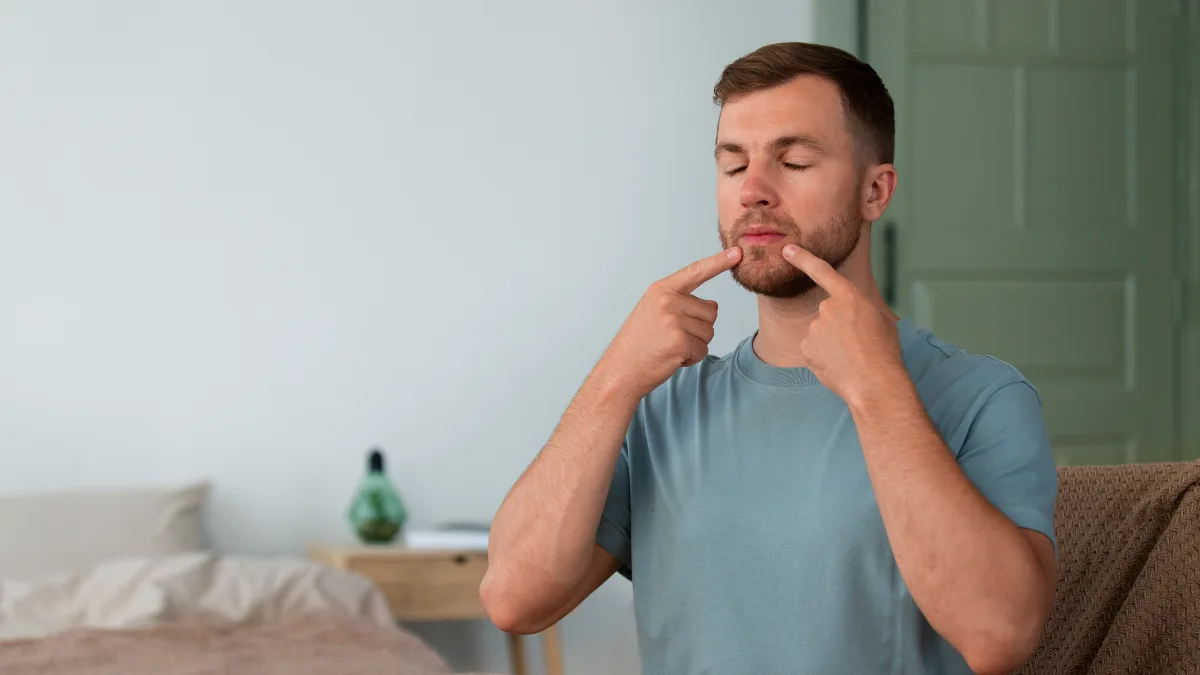
Many people wake up with a sore face or a headache. This happens because they clench their teeth all night. Your brain is trying to chew on your problems while you sleep. This keeps your jaw muscles in a state of muscle tension anxiety. You aren’t actually resting; your body is working overtime. This leads to long term pain and makes it harder to focus the next morning.
Five minutes before bed, write down every tiny thing on your mind. It doesn’t have to look pretty. Just get the thoughts out of your head and onto paper. Then, do a quick jaw release. Open your mouth wide, move your jaw side to side, and let it hang loose. Tell your body, The work is done for today.
Conclusion
It is easy to feel frustrated when your neck hurts or your stomach feels off. But remember that your body is not broken. These pains are just SOS signals. They are your body’s way of talking to you when your mind is too busy to listen. You don’t have to be a victim of somatic symptoms of anxiety.
By using these small, physical tricks, you can take control of your health. You can move from feeling stuck to feeling light again. It takes practice, but it works. Tonight, listen to what your body is saying. Use the Brain Dump or the 4 7 8 Breath to find your calm. You deserve to feel comfortable in your own skin.
⚠️MEDICAL DISCLAIMER :
This content is for informational and educational purposes only and does not constitute medical or mental health advice. Somatic symptoms and anxiety are complex conditions; always consult a qualified healthcare provider or licensed mental health professional before using these techniques as part of your care, especially if you have a history of anxiety disorders or chronic physical symptoms. If you experience persistent or worsening pain, seek medical attention immediately.