

If you’re over 40 and nursing nagging injuries, struggling to recover from workouts, or watching your progress stall despite training harder, you’re likely making the same critical mistake that derails thousands of fitness enthusiasts every year.
The problem is that you’re training with the same intensity and recovery schedule you used in your 20s. But your body has fundamentally changed. Your connective tissue has lost elasticity, muscle recovery takes 48+ hours instead of 24, and your joints can’t handle the same pounding they once did.
In this guide, you’ll discover the #1 exercise mistake people make after 40, why your body responds differently to exercise now, and science-backed strategies to build strength safely without the setbacks.
The Single Biggest Exercise Mistake After 40

The mistake isn’t doing the wrong exercises or using bad form. It’s treating recovery as optional when it’s actually when your body adapts and grows stronger. Capacity declines significantly after 40. What once took 24 hours now requires 48 to 72 hours.
According to multiple studies on overtraining, people over 40 who ignore this reality don’t just hit plateaus; they develop overtraining syndrome, which can require weeks or even months of complete rest to overcome.
The more is better mentality that worked in your younger years now backfires. Your body needs adequate recovery time to repair muscle tissue, replenish energy stores, and adapt to training stress. Without it, you’re not getting stronger; you’re breaking down.
Johns Hopkins Medicine reports that strength training can reduce all cause mortality by 21to 40%, but only when combined with proper recovery. Training 6-7 days per week without rest doesn’t accelerate results. It guarantees burnout.
Why Your Body Changed After 40 (The Science)
Three major physiological changes occur after 40 that directly impact how you should train:
1.Connective Tissue and Joint Changes
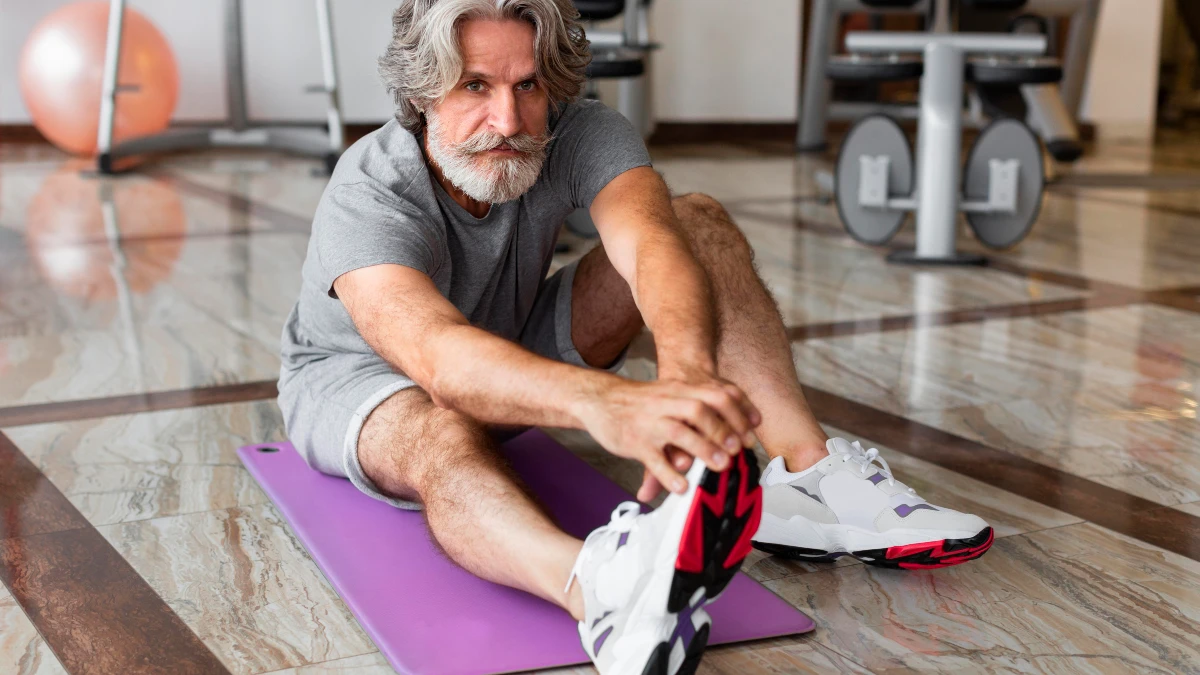
Your connective tissue loses elasticity as you age. Research shows that hyaluronic acid, the natural lubricant in your joints, decreases significantly, reducing cushioning and flexibility. Cartilage becomes thinner, and ligaments stiffen.
The impact is measurable: knee range of motion drops from 120-130 degrees in your 40s to just 95 degrees by your 70s-80s. This isn’t just stiffness you can work through. It’s a structural change that requires smarter exercise choices.
Mayo Clinic research confirms that while these changes are natural, they make joints more susceptible to injury from high-impact activities and heavy loads without proper recovery.
2. Muscle Loss Accelerates

After age 30, you lose 3-5% of muscle mass per decade, according to Harvard Health. This process, called sarcopenia, accelerates after 60.Recent studies show that 10-27% of people globally develop clinical sarcopenia, leading to weakness, falls, and disability.
This muscle loss is largely preventable and reversible with proper strength training. Dr. Thomas W. Storer at Harvard-affiliated Brigham and Women’s Hospital confirms that “older men can indeed increase muscle mass lost as a consequence of aging. It takes work, dedication, and a plan, but it is never too late.”
Building muscle after 40 requires adequate recovery between sessions. Your muscle protein synthesis runs slower, so you need more time between workouts for the same muscle groups.
3. Recovery Systems Slow Down

Your body’s ability to clear metabolic waste, reduce inflammation, and repair tissue damage all decline with age.Research on overtraining syndrome shows this is a complex systems issue involving immunity, hormones, and cellular recovery; all of which become less efficient after 40.
Warning Signs You’re Overtraining
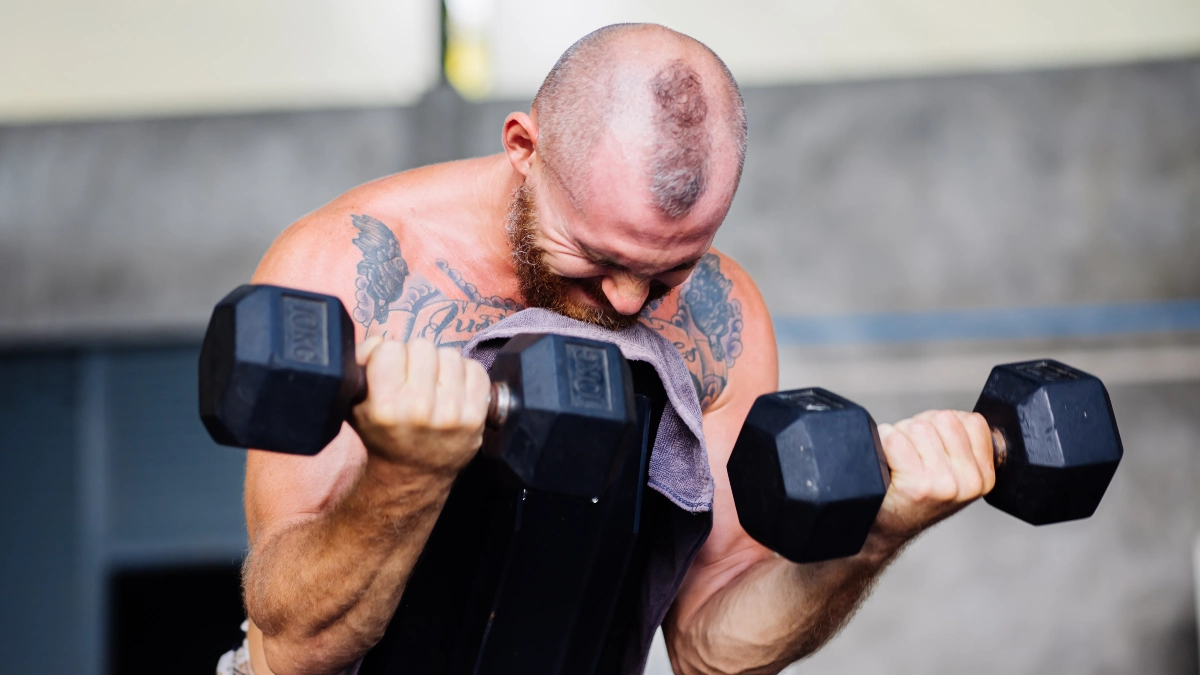
If you experience three or more of these symptoms, you may be overtraining: Persistent muscle soreness lasting 3+ days after workouts. Declining performance despite consistent training. Elevated resting heart rate.
Check it first thing in the morning. Mood changes, irritability, depression, or anxiety. Sleep disturbances despite feeling exhausted. Increased illness, catching every cold that goes around. Complete loss of motivation to exercise.
The difference between normal fatigue and overtraining is duration. Normal workout fatigue resolves within 24-48 hours. Overtraining symptoms persist for weeks and worsen with continued exercise.
Catching these signs early prevents months of setback. If you’re experiencing multiple symptoms, take 5-7 days of complete rest, then restart with reduced volume and frequency.
The Right Way to Exercise After 40

Evidence-based training after 40 looks different and works better. Here’s the blueprint:
Train 3-5 Days Per Week (Not 6-7)
Mayo Clinic guidelines recommend:
- 150 minutes of moderate aerobic activity per week (or 75 minutes vigorous)
- 2-3 strength training sessions per week, 20-30 minutes each
- Working all major muscle groups
This isn’t about doing less; it’s about strategic intensity with adequate recovery built in.
Follow the 48-Hour Rule
Never work the same muscle groups on consecutive days. Research shows muscle protein synthesis takes 48-72 hours to complete after 40. Training the same muscles before they’ve recovered doesn’t build more muscle; it breaks down existing tissue.
Sample 4-Day Split:
- Monday: Upper body strength
- Tuesday: Cardio or active recovery (walking, yoga)
- Wednesday: Lower body strength
- Thursday: Rest or light cardio
- Friday: Full body or upper body
- Weekend: Active recovery, sports, or rest
Focus on Quality Over Quantity
Four well-executed exercises with proper form beat ten sloppy ones every time. Research from Baylor College of Medicine emphasizes that strength training should be your foundation after 40, but technique matters more than weight lifted.
Progressive overload should be gradual; add 5% resistance, not 20%. Increase one variable at a time: weight, reps, or sets. Never all three simultaneously.
Building Your Recovery-Focused Plan

Here’s your complete system for sustainable strength after 40:
Include Deload Weeks
Every 4-6 weeks, reduce training volume by 40-50%. Keep the same exercises but cut sets, reps, or weight. This planned recovery prevents overtraining and actually improves long-term progress.
Prioritize Sleep
Recovery happens during sleep.Studies show that inadequate sleep prevents muscle protein synthesis regardless of nutrition or training quality. Aim for 7 to 9 hours nightly.
Fuel Recovery Properly
Protein needs increase after 40. Target 1.6-2.2g per kilogram of body weight daily, with 20-30g within two hours post-workout. Don’t forget hydration; older adults lose thirst sensation, putting them at higher dehydration risk.
Add Active Recovery
Light movement on rest days: walking, yoga, stretching, or swimming improves circulation and speeds recovery without adding training stress. This isn’t cardio; it’s movement that promotes healing.
FAQs About Exercise After 40
How long should I rest between workouts?
48 to 72 hours between working the same muscle groups. You can train different body parts on consecutive days using a split routine.
Can I still build muscle after 40?
Absolutely. Research confirms muscle growth is possible at any age with proper stimulus and recovery. It may take longer than in your 20s, but the results are real.
Should I do cardio or strength training?
Both. Strength training prevents muscle loss and builds bone density, while cardio supports heart health and longevity. The ideal combination includes 2-3 strength sessions and 150 minutes of moderate cardio weekly.
When should I see a doctor?
Before starting any new exercise program, especially if you have pre existing conditions, haven’t exercised recently, or experience pain during movement.
Conclusion
The Biology of the “Second Half”
Why 48-72 hours is your new growth window
The biggest mistake after 40 isn’t about exercise choice; it’s about ignoring recovery. Your body has changed physiologically, but you can absolutely get stronger, leaner, and more capable than you are today. The key is working with your body’s new reality, not against it. Focus on quality training sessions with adequate recovery built in.
48 to 72 hours of recovery isn’t wasted time; it’s when adaptation happens. Avoiding exercise mistakes after 40 isn’t about doing less, it’s about training smarter with proper recovery as your foundation for sustainable, long term strength.