Muscle Loss After 50? The Protein Strategy May Help Muscles Work as They Did at 40

Woman in her 50s looking down at a breakfast plate of eggs with a small yogurt bowl beside it, considering her protein strategy for muscle loss after 50.

You’re not imagining it. Something shifted after 50, and the protein on your plate stopped doing what it once did automatically. For adults over 50 who eat well, stay active, and still feel their strength quietly slipping, this article is written for you. The problem isn’t effort. It’s anabolic resistance (a condition where your muscles … Read more
Why the Week You Take Off May Be Exactly What Your Muscles Need After 50

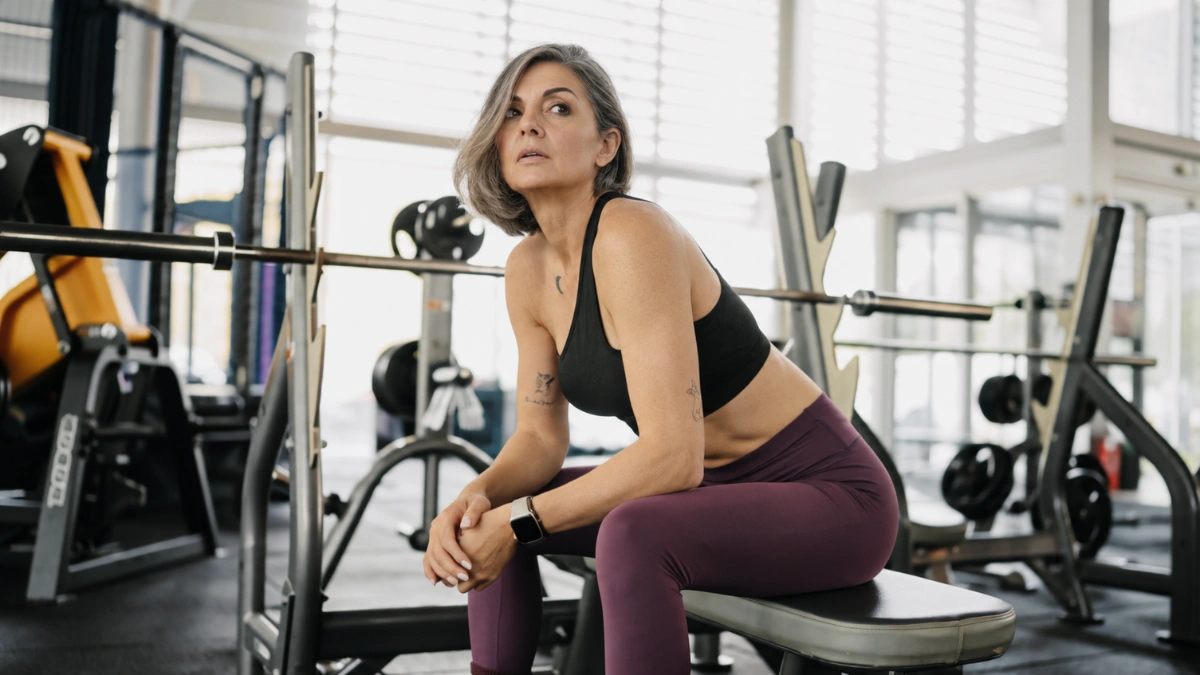
Woman in her 50s sitting still on a weight bench during a rest week after 50, barbell visible on the rack behind her.

You’ve kept your training consistent for months, maybe years. You’ve shown up when you didn’t feel like it, and you’ve watched other people quit while you kept going. So the idea of taking a full week off doesn’t just feel like rest. It feels like giving up. Here’s what adults over 50 who train consistently … Read more

You Still Train. So Why Does Your Body Feel Like It Stopped Listening After 50?

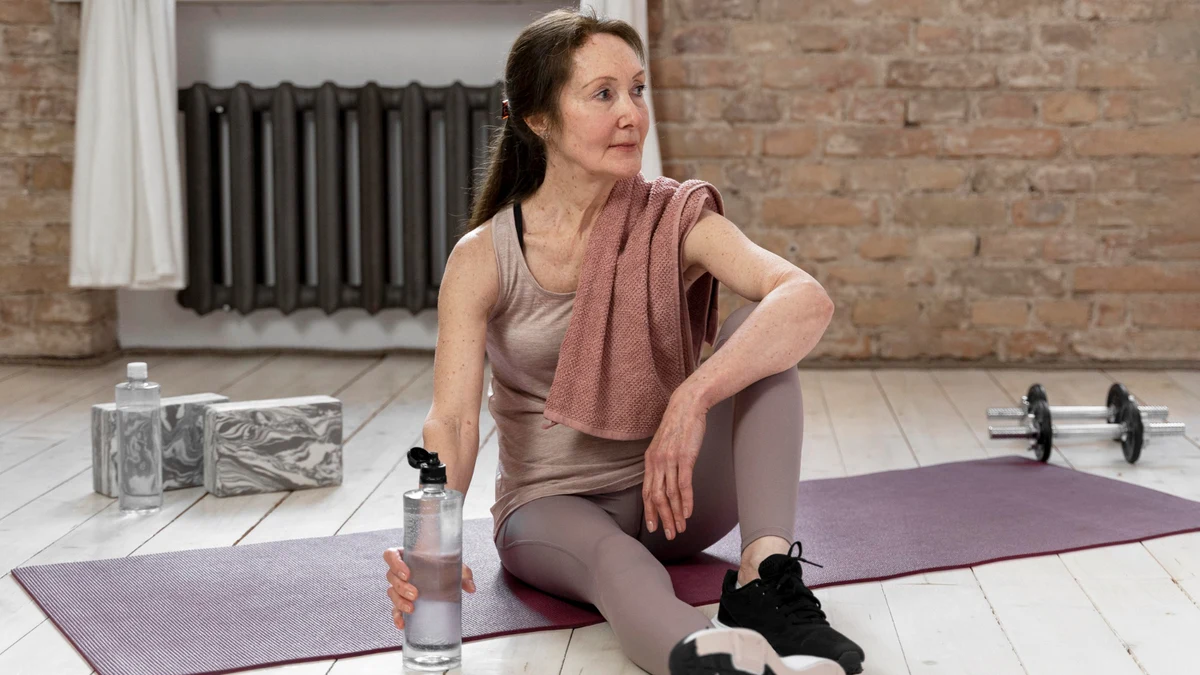
Woman in her late 50s resting between sets on a workout mat, reflecting the experience of why the body stops responding to exercise after 50.

You’re doing everything right. You show up. You lift. You run. You haven’t quit. The body is still responding. Just not to what you’re giving it. That’s the real problem, and it has nothing to do with effort. The question of why the body stops responding to exercise after 50 has a specific biological answer. … Read more

The 10-Minute Chair Workout That May Help You Rise With Surprising Ease

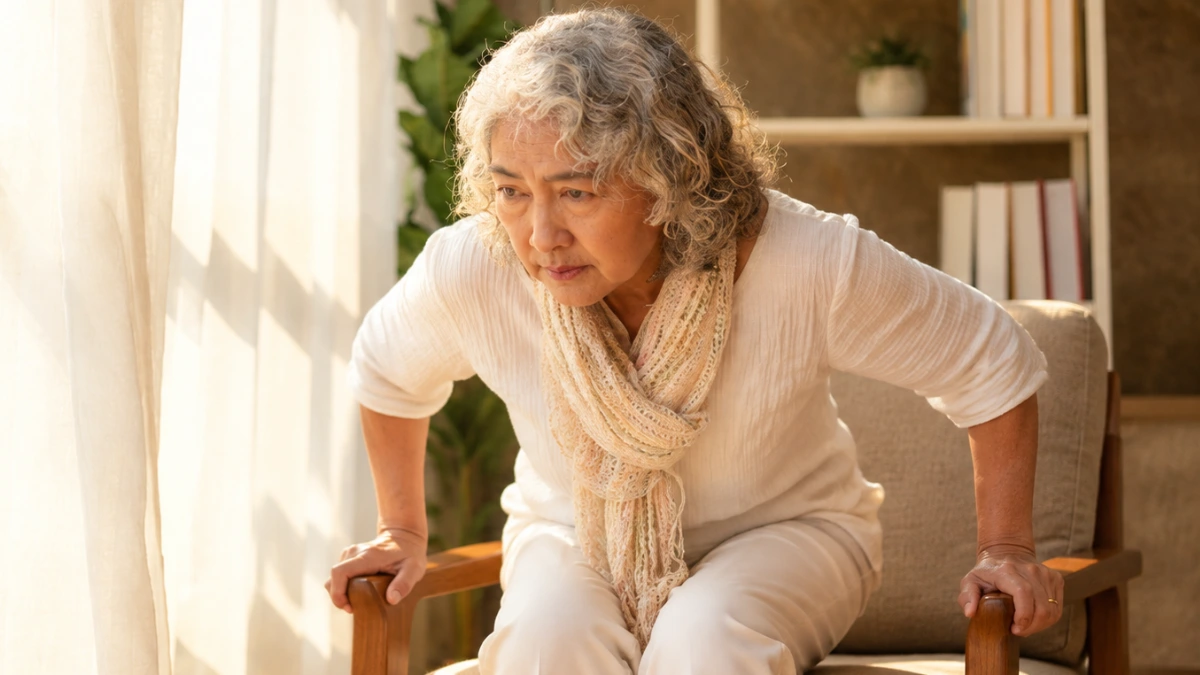
Older woman pressing palms on chair armrests leaning forward to rise in a warm sunlit living room for chair-based exercise.

Does standing up from your favorite chair feel more like a chore than a natural movement? You aren’t alone. Many people feel a sense of stuckness when they try to get moving. This often happens as the leg muscles you use to stand get weaker. Your quadriceps, glutes and hamstrings are the main muscles you … Read more

Why Muscle Recovery Takes So Much Longer After 50 (And What to Do About It)

Woman in her 60s sitting on a sofa holding her side with a pained expression, experiencing lingering muscle soreness days after a workout.

You did the same workout you’ve done for years, and now you can barely walk down stairs three days later. It’s not your imagination, and it’s not weakness. Adults over 50 keep training on the same schedule that worked at 35, and their muscles stay sore because the biology of recovery has genuinely changed. Four … Read more

The 3-Part Single-Leg Training Protocol for Fall Prevention After 50

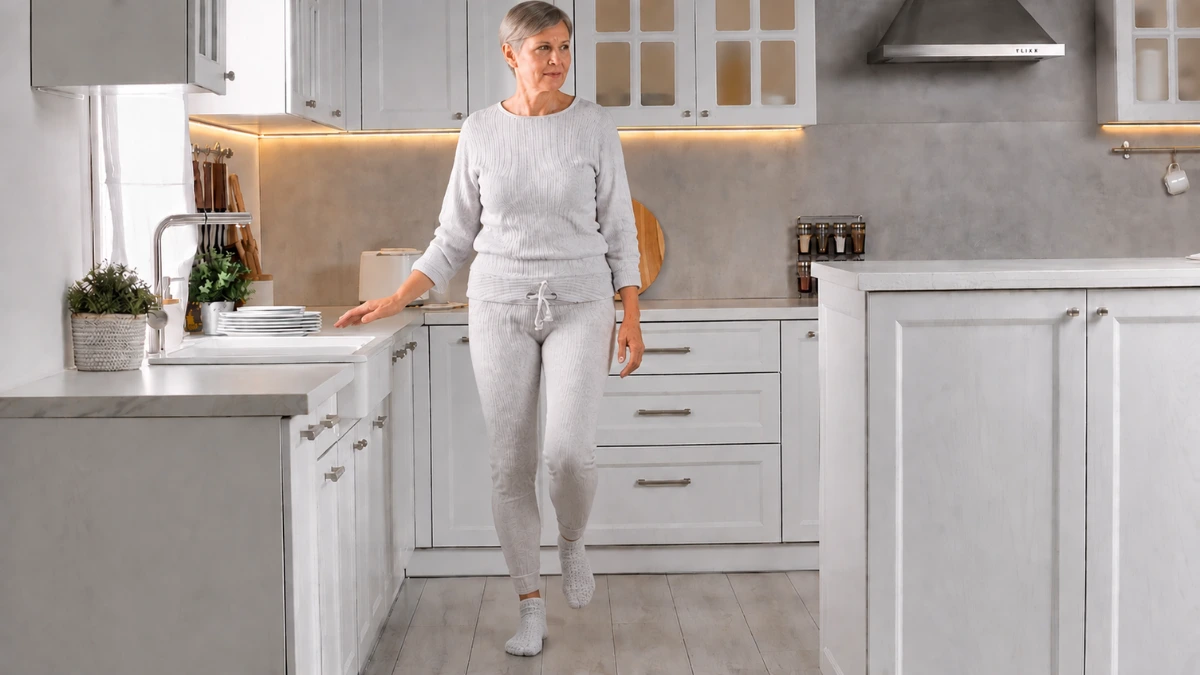
Woman in her 50s balancing on one leg near kitchen counter practicing single-leg training protocol for fall prevention after 50.

Stand on one leg right now. No hands. Time yourself. If you couldn’t hold 10 seconds, you’re not alone, and you’re not out of options. A 2022 study published in the British Journal of Sports Medicine tracked 1,702 adults aged 51–75 and found that failing the 10-second single-leg balance test was independently linked to a … Read more

Feeling Worse After Exercise Past 50 Is Not Failure. It May Be Cortisol Debt

Woman in workout clothes sitting still on living room floor, expression flat and heavy after exercise.

You finished the workout. You did the right thing. And now, two days later, you feel worse than you did before you started: heavy, flat, unmotivated, maybe a little irritable. Part of you wonders if exercise is actually working for you anymore. That feeling is not failure. It is not aging catching up. For adults … Read more

Why Your Hands Can Show Your Biological Age Years Before Your Face Does

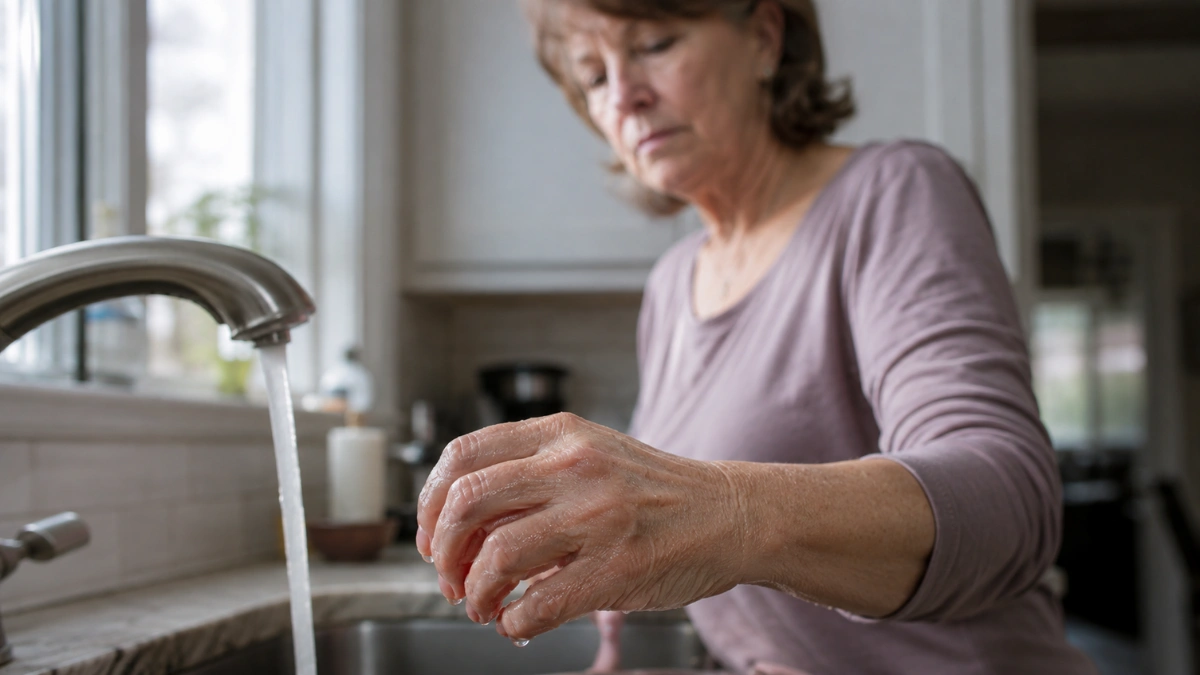
Woman pausing at a kitchen sink to notice skin and vein changes on her hand, a visible sign of biological aging.

You noticed it while washing dishes: the skin on the back of your hand shifting when you moved your fingers, slower to settle than it used to be. Not painful. Not alarming. Just different. That moment is worth paying attention to, because your hands are not aging the way your face is. They are aging … Read more